
Outdoor solar lights are an excellent way to illuminate garden paths, highlight landscaping features, and improve home security in the Philippines without adding to your monthly electricity bill. However, many homeowners face a common frustration: after a year or two of reliable service, their solar lights begin to dim or stop working entirely. In many cases, the fixture itself is perfectly fine, but the internal rechargeable battery has reached the end of its natural lifespan. If you purchased a sealed unit, you are forced to discard the entire fixture, contributing to electronic waste and requiring a complete replacement. Choosing solar lights with user-replaceable batteries solves this problem, allowing you to simply swap out the degraded cell and restore the light to its original performance.
When shopping for solar garden lights, identifying models that allow battery replacement requires a keen eye for design details. This guide explains how to select the right solar fixtures, understand the technical specifications that matter for the tropical climate, and maintain your outdoor lighting system for long-term durability.
Why Replaceable Batteries Extend the Life of Solar Lights
Opting for solar lights with replaceable batteries is one of the most practical decisions you can make for your outdoor lighting setup. The primary advantage is long-term cost-effectiveness. While a high-quality solar light fixture might require a larger initial investment, the cost of a replacement rechargeable battery is only a small fraction of that price. Instead of spending money on an entirely new fixture every time a battery fails, you can purchase standard rechargeable cells to keep your existing lights running. This modular approach ensures that you get the maximum value out of the solar panels, LED bulbs, and plastic or metal housings, which often outlast the batteries by several years.
Products mentioned in this guide
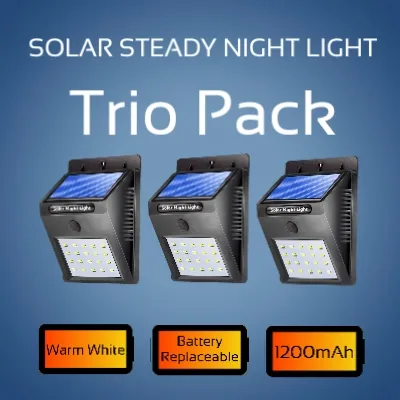
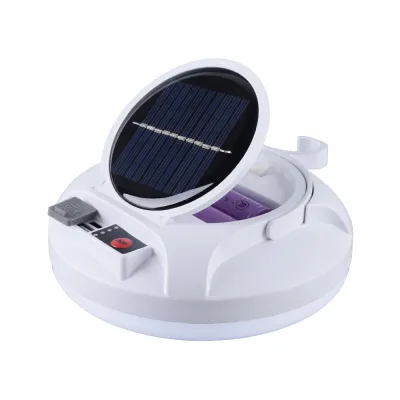
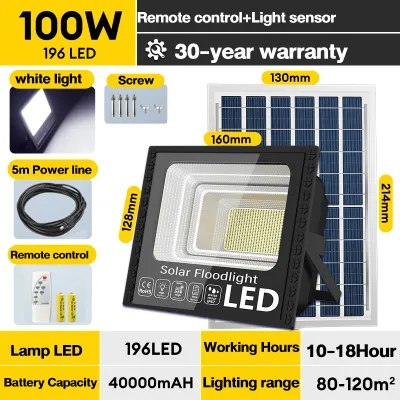
Prices are valid at publication and may change. Please refer to the product page for the latest price.
To find these sustainable options, you must know what to look for before making a purchase. Many budget-friendly solar lights are manufactured as sealed units to reduce production costs. These fixtures are often glued or sonic-welded shut, making it impossible to access the battery without breaking the plastic housing. When browsing online marketplaces or local home improvement stores, look closely at the product images and specifications. Search for fixtures that feature visible battery compartments, screw-secured panels, or twist-lock caps. A clearly defined battery door on the underside of the light housing is a reliable indicator that the manufacturer designed the product with long-term maintenance in mind.
Beyond personal savings, choosing modular solar lights has a positive environmental impact. Electronic waste, or e-waste, is a rapidly growing concern globally and locally. When a sealed solar light is discarded, its plastic casing, copper wiring, silicon solar panel, and LED circuit board all end up in landfills. By selecting fixtures that allow you to replace only the battery, you significantly reduce your household’s contribution to e-waste. This simple choice aligns with sustainable living practices, ensuring that your garden remains beautifully lit without unnecessary environmental costs.
Essential Specifications for Pathway and Garden Solar Lights
When selecting solar lights with replaceable batteries, understanding the technical specifications is crucial to ensure compatibility, safety, and performance. The first detail to verify is the battery chemistry. Outdoor solar lights typically use one of three rechargeable battery types: Nickel-Metal Hydride (NiMH), Lithium Iron Phosphate (LiFePO4), or Lithium-Ion (Li-ion). These chemistries operate at different voltages and require specific charging profiles. For instance, a standard NiMH battery operates at 1.2V, while a LiFePO4 battery operates at 3.2V, and a Li-ion battery operates at 3.7V. You must always check the manufacturer’s label inside the battery compartment or in the user manual to match the exact chemistry and voltage. Installing a mismatched battery type can damage the internal charging circuitry, reduce the light’s lifespan, or create a safety hazard.

The local climate in the Philippines presents unique challenges for outdoor electronics. High humidity, intense tropical heat, and heavy rainfall during the typhoon season can quickly ruin poorly sealed fixtures. This makes the Ingress Protection (IP) rating a critical specification to check. An IP rating consists of two numbers: the first indicates protection against solid objects like dust, and the second indicates protection against liquids. For general garden and pathway lights, look for a minimum rating of IP44, which protects against splashing water from any direction. For completely exposed areas that experience heavy downpours, an IP65 or IP66 rating is highly recommended, as these fixtures are designed to withstand low-pressure water jets and prevent moisture from entering the battery compartment.
Additionally, you should evaluate the solar panel type and the light’s lumen output. Monocrystalline solar panels are generally more efficient than polycrystalline panels, meaning they can charge the battery more effectively even on overcast or rainy days. The lumen output determines how bright the light will be. For subtle pathway guidance or decorative garden accents, a lower output of 10 to 30 lumens is usually sufficient and helps conserve battery power throughout the night. For security lighting or brighter focal points, look for fixtures that offer 100 lumens or more, keeping in mind that brighter lights will require larger capacity batteries and more direct sunlight to charge fully. While decorative styles and warm or cool color temperatures are matters of personal preference, technical specifications like IP ratings and battery compatibility directly dictate the fixture’s longevity.
Comparing Solar Light Styles for Easy Battery Access
Different styles of solar lights offer varying levels of accessibility when it comes to replacing the batteries. Understanding these design differences helps you choose the right style for your specific maintenance preferences and garden layout.
Pathway stake lights are among the most popular options for garden borders and walkways. Because they are positioned close to the ground, they are highly susceptible to moisture from wet grass and soil. Fortunately, many high-quality stake lights feature a twist-off top cap that houses the solar panel, LED, and battery compartment. This design makes battery replacement incredibly simple, as you can easily detach the top section and bring it indoors to swap the battery without disturbing the stake in the ground.
Wall-mounted and hanging garden lights offer a different set of design considerations. Wall-mounted security lights are often fixed to fences, posts, or exterior walls, requiring you to use a screwdriver to remove the entire fixture before you can access the battery panel on the back. Hanging lanterns or decorative string lights may have a centralized battery box that requires careful handling to avoid damaging the wiring. When choosing these styles, look for models that use durable rubber gaskets or silicone O-rings around the battery compartment cover. These seals prevent moisture from seeping in over repeated openings and closings, which is especially important in humid tropical environments.
| Design Style | Battery Accessibility | Typical Use Cases | Installation Requirements |
|---|---|---|---|
| Pathway Stake Lights | High (usually twist-off or single screw) | Walkways, garden borders, flowerbeds | Ground insertion, no wiring |
| Wall-Mounted Lights | Medium (requires unmounting and rear screws) | Patios, perimeter walls, entryways | Screw mounting to vertical surfaces |
| Hanging Lanterns | Medium to High (twist-lock or top compartment) | Pergolas, tree branches, balconies | Hanging hooks or brackets |
| Floodlights / Spotlights | Low to Medium (often sealed with multiple screws) | Driveways, security lighting, accenting | Wall or pole mounting, adjustable brackets |
Your Pre-Purchase and Installation Checklist
Before purchasing and installing your new solar lights, running through a quick checklist ensures that you select compatible products and position them for optimal performance.
First, verify the battery specifications on the product packaging or online listing. Ensure that the replacement batteries of the correct size (such as AA, AAA, 18650, or 32700) and chemistry are readily available in the local market. It is also wise to check if the product comes with a clear user manual detailing the battery replacement process and any electrical certifications, such as CE or RoHS, which indicate compliance with basic safety standards.
Second, carefully assess your garden’s layout for proper installation sites. Solar panels require direct, unobstructed sunlight to charge the internal batteries fully. In the Philippines, where seasonal weather changes can bring prolonged cloudy periods, maximizing sun exposure is essential. Avoid placing the lights under thick tree canopies, roof eaves, or in the shadow of walls. Additionally, observe the ground drainage in your yard. Avoid installing stake lights in low-lying areas where water tends to pool during heavy rains, as prolonged submersion can bypass even high IP-rated seals and ruin the battery compartment.
Finally, consider structural stability and safety. If you are installing wall-mounted or hanging fixtures, ensure they are securely fastened to withstand strong winds during typhoon season. For any fixtures that require fixed wiring or mounting at significant heights, always prioritize safety by isolating any nearby power sources and following the manufacturer’s installation instructions carefully. If you are unsure about mounting stability or electrical safety, consulting a qualified professional is always a safe boundary.
Step-by-Step Battery Replacement and Maintenance
Maintaining your solar lights and replacing their batteries is a straightforward process that can be completed in just a few minutes. Regular maintenance not only ensures that your lights shine brightly every night but also extends the overall lifespan of the fixtures.
When it is time to replace a degraded battery, start by turning off the light’s power switch, if it has one. If there is no switch, cover the solar panel with a dark cloth to prevent the light from turning on during the process. Carefully unscrew or unlatch the battery compartment cover. Once open, gently remove the old battery. Inspect the metal contacts inside the compartment for any signs of corrosion, which often appears as a white, green, or powdery residue. If you notice minor corrosion, clean the contacts gently using a dry, soft-bristled brush or a cotton swab. Ensure the compartment is completely dry before inserting the new rechargeable battery, paying close attention to the correct positive (+) and negative (-) polarity markings.
Routine cleaning of the solar panel is equally important for maintaining charging efficiency. Over time, dust, pollen, and fallen leaves can accumulate on the panel’s surface, blocking sunlight and reducing the amount of energy transferred to the battery. To clean the panel, wipe it gently with a damp microfiber cloth. Avoid using abrasive sponges, steel wool, or harsh chemical cleaners, as these can scratch the protective coating on the solar panel and permanently reduce its efficiency. A simple wipe-down every few weeks, especially during the dry season when dust accumulation is high, is sufficient to keep your lights charging optimally.
Lastly, always practice responsible disposal of your old rechargeable batteries. Depleted batteries contain chemicals that can be harmful to the environment if thrown into regular household trash. Collect your old batteries and take them to designated e-waste recycling bins, which are commonly found in major shopping malls, hardware stores, or local recycling centers throughout the Philippines.
Frequently Asked Questions (FAQ)
Can I use standard single-use alkaline batteries in solar lights?
No, you should never use standard single-use alkaline batteries in solar lights. Solar lights are designed with an internal charging circuit that sends electrical current back into the battery during the day. Because alkaline batteries are non-rechargeable, this charging process can cause them to overheat, leak corrosive acid, or even rupture. This leakage will quickly ruin the metal contacts and electronic components inside the battery compartment, permanently damaging your solar light and voiding any manufacturer warranty.
How often should I expect to replace the batteries in my solar lights?
On average, you should expect to replace the rechargeable batteries in your solar lights every 1 to 2 years. The exact lifespan depends heavily on the battery chemistry and environmental conditions. In the Philippines, the combination of high daily temperatures and frequent charge-discharge cycles can accelerate battery degradation. You will know it is time for a replacement when the lights begin to shine for only a few hours after a full day of sun, or if they fail to turn on entirely.
What should I do if the battery compartment is corroded?
If you discover minor corrosion in the battery compartment, you can often clean it safely. First, ensure the light is turned off. Use a cotton swab lightly dampened with a mild acidic solution, such as white vinegar or lemon juice, to neutralize the alkaline residue, then scrub the contacts gently with an old toothbrush. Wipe the area clean with a dry cloth and allow it to air-dry completely before inserting a new battery. However, if the corrosion has eaten through the metal contacts or if the internal wiring has detached, the fixture is no longer safe to use and should be discarded.
Community discussion
Share your experience or ask a question. Comments are reviewed before publication.