
Creating a relaxing evening retreat on a compact condo balcony requires balancing limited physical space with the right lighting intensity. To achieve a cozy ambiance without overwhelming your outdoor area, the most critical solar spot light features to focus on are adjustable brightness levels, narrow beam angles, versatile mounting options, and weather-resistant durability ratings. By selecting fixtures designed for targeted illumination rather than broad floodlighting, you can highlight specific design elements like potted plants or textured walls while keeping glare to a minimum. This approach also helps you save on your monthly electricity bill in ₱ while keeping your outdoor space beautifully lit.
Assessing Your Balcony Space and Lighting Needs
In a typical high-rise condo balcony, every square inch counts. Before purchasing any lighting equipment, take precise measurements of your available mounting surfaces. Check the width of your railings, the height of your concrete or glass walls, and the clearance in floor corners. These physical boundaries dictate whether a fixture will fit comfortably or obstruct your movement.
Next, observe the materials surrounding your balcony. Many modern condos feature large glass sliding doors, polished metal railings, or light-colored ceramic floor tiles. These surfaces act as mirrors, reflecting light back into your living space. If you place a high-intensity light source directly opposite a glass door, you risk creating harsh reflections that disrupt your indoor view.
Products mentioned in this guide
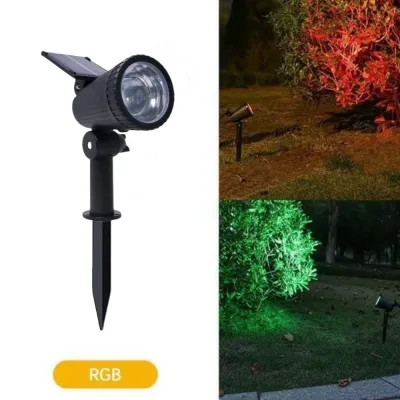
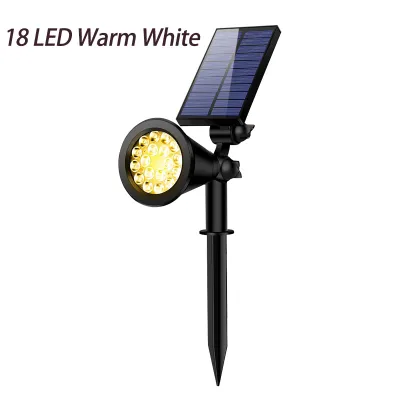
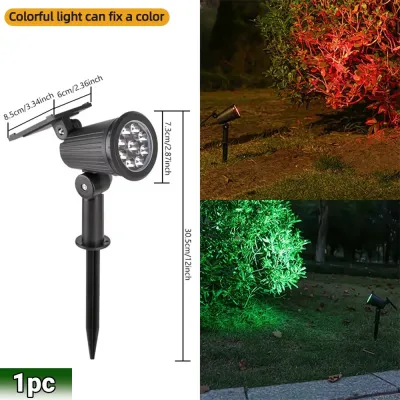
![YEELITE [ BUY 1 TAKE 1 ] LED Solar Spot Lights Outdoor Spotlight LED Waterproof Landscape Spotlight for Garden Lawn Backyard Patio Porch Wall Deck Garage](https://img.lazcdn.com/g/ff/kf/S6279222786b84821acccfb9b3e09ede4X.jpg_400x400q80.jpg_.webp)
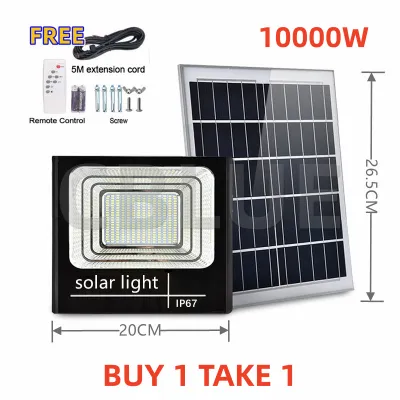
![[BUY 1 TAKE 1]CBLUE Solar Lights Reflector Solar Spotlights LED Light Outdoor Garden House Remote Control Waterproof Flood Light Solar Lamp Outdoor](https://img.lazcdn.com/g/p/5e0fee5fca2cc507553a2def9097172b.jpg_400x400q80.jpg_.webp)
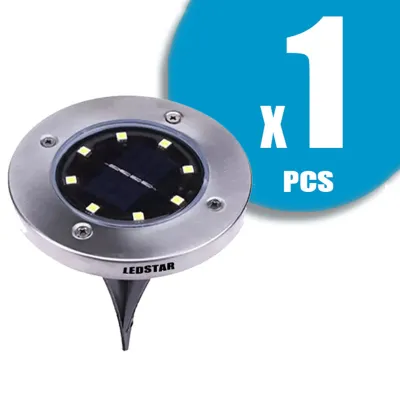
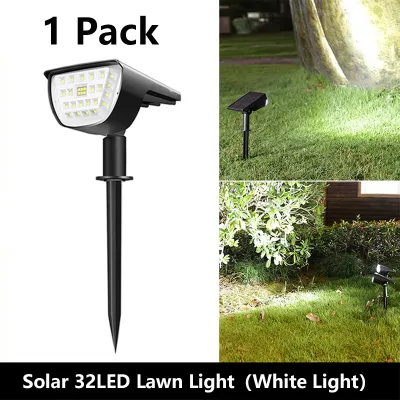
Prices are valid at publication and may change. Please refer to the product page for the latest price.
Finally, map out where you want the light to fall. Instead of flooding the entire balcony with uniform brightness, aim for targeted pools of light. Determine the specific areas you want to highlight, such as a small vertical garden or a cozy seating corner. This targeted approach prevents overlapping glare and helps establish a soft, layered evening mood.
Key Solar Spot Light Specifications for Compact Spaces
When browsing online marketplaces or local home improvement stores, reading the product packaging carefully is essential for finding the right fit. The first specification to check is the lumen output, which measures the brightness of the light. For a small condo balcony, high-lumen commercial spotlights are often overwhelming. Look for fixtures that offer lower lumen ranges or adjustable brightness settings, allowing you to scale the light output to match your balcony’s limited square footage.

The beam angle is another critical specification that determines how the light is distributed. A narrow beam angle, typically between 15 and 30 degrees, acts like a spotlight, focusing a concentrated beam on a single object like a potted palm or a wall ornament. Conversely, a wider beam angle of 60 degrees or more is better suited for wall washing, casting a soft glow across a larger surface area. Choosing the right angle prevents light from spilling over into your neighbors’ balconies or shining directly into your eyes.
Color temperature, measured in Kelvins (K), directly influences the mood of your outdoor space. For a relaxing, cozy ambiance, look for labels indicating warm white light, typically between 2700K and 3000K. Cooler temperatures, such as 5000K or higher, mimic daylight and can feel clinical or overly bright in a small, intimate setting. Always verify the color temperature on the manufacturer’s label before making a purchase.
Design and Mounting Features for Condo Balconies
Condo living often comes with strict homeowner association rules regarding structural modifications. Therefore, the physical design and mounting mechanism of your solar spot light are crucial. If you cannot drill holes into your balcony walls, look for fixtures that feature secure clamp mounts or zip-tie slots designed for railings. Ground spikes are excellent if you have large planter boxes, but they are useless on bare concrete floors unless the fixture can be detached from the spike and placed on a flat base.
Consider the physical dimensions of the light fixture itself. In a narrow balcony, bulky fixtures can easily become tripping hazards or block your seating arrangements. Opt for compact, low-profile designs that tuck neatly into corners or attach flush against the railing.
Sunlight exposure varies significantly depending on your condo’s floor level and orientation. If your balcony is deeply recessed or covered by an overhanging roof, an integrated solar panel—where the panel is built directly onto the light fixture—might not receive enough direct sunlight to charge. In these scenarios, look for solar spot lights with separate solar panels connected by a thin cable. This design allows you to mount the light fixture in a shaded seating area while placing the solar panel high up on a railing where it can capture maximum sunlight.
Checking Durability and Maintenance Labels
Balconies are exposed to the elements, meaning your lighting fixtures must withstand local weather conditions. In tropical climates prone to heavy downpours and high humidity, checking the Ingress Protection (IP) rating is non-negotiable. Look for an IP rating of at least IP65 on the product label, which indicates the fixture is dust-tight and protected against water jets.
Additionally, review the manufacturer’s instructions regarding battery specifications. Solar lights rely on rechargeable batteries that eventually degrade over time. Check if the battery is user-replaceable and what type of battery is required, so you can easily maintain the fixture without needing to replace the entire unit.
Maintenance safety is another vital consideration. Dust, pollen, and rain spots can accumulate on the solar panel, reducing its charging efficiency. Ensure you can easily reach the panel to wipe it clean with a soft cloth. Never position a fixture in a way that requires you to lean over the balcony railing or use unstable ladders to perform basic cleaning.
Common Sizing and Placement Mistakes to Avoid
One of the most common mistakes condo owners make is choosing high-lumen security lights instead of ambient accent lights. A fixture designed to illuminate a large driveway will turn a small balcony into a harsh, uncomfortable space. Always prioritize subtle, low-intensity lighting to preserve a relaxing atmosphere.
Another frequent error is ignoring the shadow patterns cast by overhead balconies, adjacent buildings, or even your own balcony furniture. A solar panel placed in a permanent shadow will fail to charge, leading to weak or non-functional lights at night. Observe how sunlight moves across your balcony throughout the day before finalizing your placement.
Lastly, avoid placing fixtures, cables, or ground spikes in high-traffic walkways. In a limited space, a poorly positioned light can easily be kicked or tripped over, potentially damaging the fixture or causing injury. Keep all wiring neatly secured along the baseboards or railings, and position floor lights in unused corners.
Frequently Asked Questions (FAQ)
Can solar spot lights work on a covered or shaded condo balcony?
Yes, but their performance depends heavily on the placement of the solar panel. Standard integrated solar lights require direct sunlight to charge efficiently, as ambient daylight or indoor light is usually insufficient. If your balcony is covered, select a model with a separate solar panel. This allows you to mount the panel on the outermost edge of your railing where it can receive direct sunlight, while the spot light itself remains under the cover to illuminate your seating area.
How do I mount solar lights to glass or metal railings safely?
Before mounting any fixtures, check the manufacturer’s hardware specifications to ensure compatibility with your railing materials. For glass railings, avoid any clamps or screws that apply direct pressure to the glass, as this can cause cracking; instead, look for specialized suction mounts or non-invasive brackets. For metal railings, use padded clamps or heavy-duty outdoor zip ties that secure the fixture without scratching the protective paint. Always consult your building management’s guidelines regarding balcony modifications to ensure compliance with local property rules.

Community discussion
Share your experience or ask a question. Comments are reviewed before publication.