
Designing a beautiful, functional outdoor space requires a careful balance of aesthetics, safety, and practical utility. For homeowners in the Philippines, choosing the right outdoor lighting often comes down to a fundamental debate: solar-powered garden lamps versus traditional wired landscape lighting. Both systems offer distinct pathways to illuminating pathways, highlighting tropical foliage, and securing property boundaries, but they operate under entirely different mechanical and environmental constraints.
Making the right choice for your property requires evaluating several local factors, including daily sunlight exposure, seasonal weather patterns, installation complexity, and long-term maintenance requirements. While solar fixtures provide unmatched setup ease and zero operating costs, wired systems offer reliable, high-intensity brightness that remains unaffected by heavy cloud cover or shaded areas. By understanding how these systems perform under tropical conditions, you can design a lighting plan that enhances your garden’s natural beauty while fitting your lifestyle and budget.
Understanding the Core Differences
To choose the right system, you must first understand how each lighting type generates, stores, and distributes power. Solar garden lamps operate as self-contained, independent units. Each fixture typically integrates a small photovoltaic panel, a rechargeable battery, an intelligent light sensor, and a low-draw LED bulb. During the day, the solar panel absorbs sunlight and converts it into electrical energy, which is stored in the battery to power the LED once darkness falls.
Products mentioned in this guide
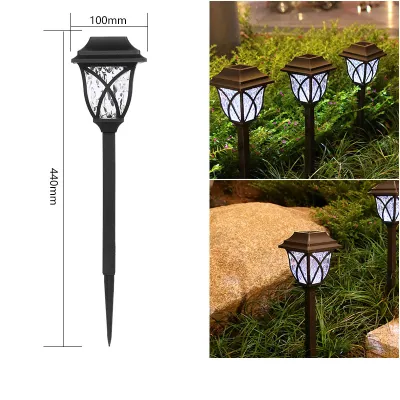
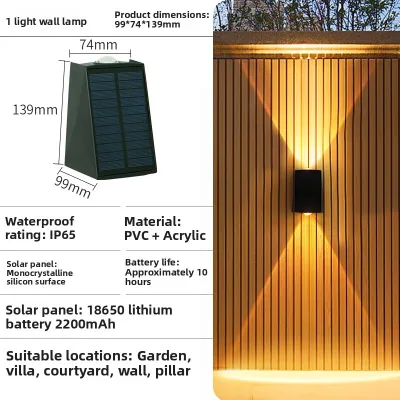
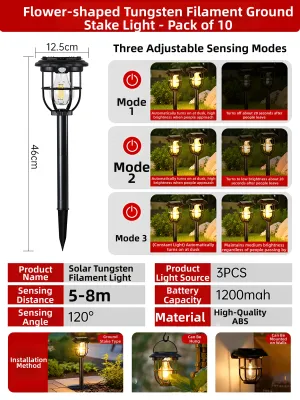
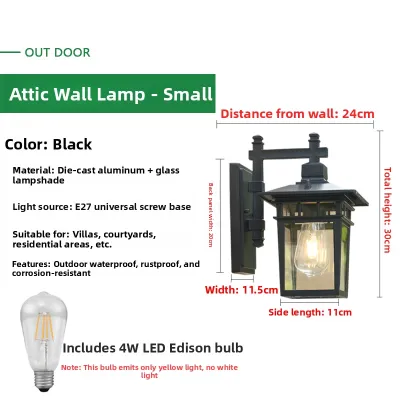
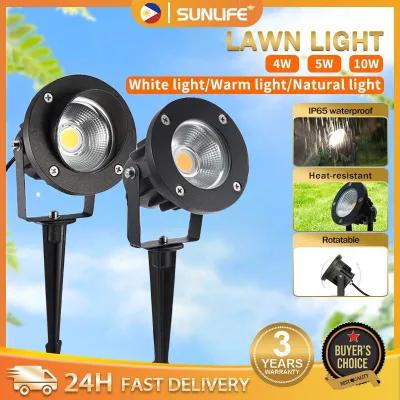
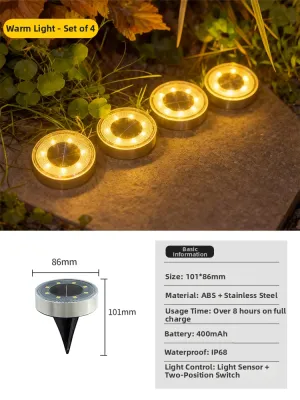
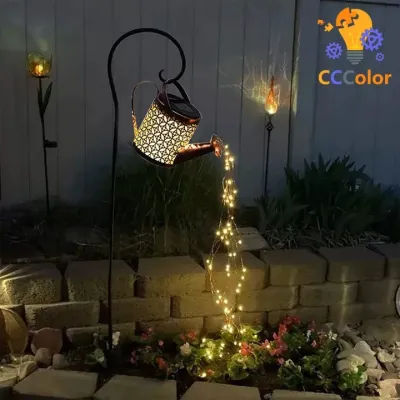
Prices are valid at publication and may change. Please refer to the product page for the latest price.
Wired garden lamps, by contrast, rely on a continuous connection to your home’s main electrical grid. A typical low-voltage system consists of a central step-down transformer, outdoor-rated burial cables, and individual light fixtures. The transformer plugs into a standard outdoor outlet and reduces the household voltage (typically 220V in the Philippines) to a safer 12V or 24V current. This current travels through the buried cables to power each connected lamp, providing a steady, uninterrupted flow of electricity.
These mechanical differences directly dictate where and how you can place each fixture. Solar lamps offer complete mobility, allowing you to insert stakes into the soil or mount fixtures on walls without worrying about cable lengths or outlet proximity. Wired systems, however, require careful planning because each fixture must physically connect to the cable run. While this limits spontaneous rearrangement, it ensures that every lamp receives identical power, preventing the dimming or uneven performance often seen in solar layouts.
Before purchasing any wired or solar fixture, always verify its voltage compatibility, base or interface type, wattage limits, physical dimensions, dimming methods, and electrical certifications to ensure safe operation in your specific installation environment.
Evaluating Your Garden's Sunlight and Layout
Before purchasing any fixtures, conduct a thorough assessment of your garden’s layout and daily light patterns. Solar panels require direct, unobstructed sunlight to charge their internal batteries efficiently. In many Philippine properties, dense tropical foliage from banana plants, palms, or ornamental ferns, combined with high perimeter firewall structures, can create deep, permanent shade zones. Shaded solar lamps will not charge fully, resulting in weak illumination or premature shutoff.

Wired lighting systems bypass these environmental limitations entirely. Because they draw power directly from your home’s electrical grid, they can be placed under thick tree canopies, inside covered gazebos, or along narrow, shaded side pathways. However, the viability of a wired system depends on the physical distance between your desired light locations and your nearest outdoor power source. You must measure these distances carefully to determine the length of cable required and to select a transformer with sufficient capacity to handle the voltage drop over long distances.
Mapping your garden’s specific functional zones will help you determine where to deploy each technology. High-traffic pathways, steps, and security gates demand reliable, high-visibility lighting that should not depend on daily weather conditions. Accent zones, such as decorative flower beds, rock gardens, or distant property corners, are excellent candidates for solar fixtures. By aligning your lighting choices with the physical layout and natural light levels of your yard, you can avoid the frustration of underperforming fixtures.
Comparing Performance and Maintenance Needs
Long-term performance and upkeep are critical factors when comparing these two lighting options. Solar garden lamps require regular, hands-on maintenance to keep them operating at peak efficiency. In tropical environments, airborne dust, pollen, and mineral spots from heavy rain can quickly accumulate on the glass or plastic surface of the solar panels. This debris blocks sunlight and reduces charging efficiency, requiring you to wipe the panels clean with a soft, damp cloth every few weeks.
Wired systems require less frequent surface cleaning but demand periodic inspections of their physical infrastructure. You must regularly check exposed cable connections, inspect the transformer housing for moisture or insect nesting, and ensure that ground-level fixtures have not been misaligned by lawnmowers or garden tools. Additionally, because wired systems use centralized power, a single damaged cable can disrupt an entire lighting run, requiring troubleshooting to locate and repair the break.
Component degradation also follows very different timelines for each system. The rechargeable batteries inside solar lamps have a finite lifespan, typically requiring replacement every one to three years as their capacity to hold a charge diminishes. Wired systems generally offer greater longevity, as high-quality transformers and buried cables can last for many years. However, you must verify the specific IP (Ingress Protection) ratings of all components; outdoor fixtures in the Philippines should carry at least an IP65 rating to withstand heavy monsoon rains, while ground-level well lights may require IP67 or IP68 ratings to survive temporary water pooling.
Installation and Safety Considerations
The physical labor and safety protocols required for installation vary dramatically between solar and wired systems. Installing solar garden lamps is a straightforward, low-risk DIY project that requires no specialized tools or electrical knowledge. You simply assemble the stakes, position them in sunny spots, and turn on the power switch. There is no risk of electrical shock, making solar an incredibly safe option for households with curious pets or young children.
Wired systems demand a much more rigorous installation process that involves digging trenches to bury cables safely underground. These trenches must be deep enough to protect the wires from garden tools like bolos, shovels, and lawnmowers. For safety and compliance, you must follow strict power-isolation protocols before making any electrical connections. If you are installing a line-voltage (220V) system or connecting a new low-voltage transformer to your home’s main electrical panel, you should hire a licensed professional electrician to ensure proper grounding, conduit usage, and GFCI protection. Always follow the manufacturer’s installation instructions closely, especially when dealing with fixed wiring in damp outdoor areas, to maintain the integrity of the system’s weatherproofing.
Placement hazards must also be carefully managed to prevent damage and ensure safety. When positioning wired fixtures, avoid low-lying areas of your yard where water naturally pools during heavy downpours, unless the fixtures are specifically certified for submersion. For solar lamps, ensure they are not placed near bright streetlights or automated home security lights, as the ambient light can trick the built-in sensors into thinking it is still daytime, preventing the lamps from turning on.
Cost and Value Assessment
Evaluating the financial commitment of each system requires looking beyond the initial purchase price to calculate the total cost of ownership. Solar garden lamps generally feature a much lower upfront cost. Sold as standalone units requiring no professional installation, your initial investment is limited entirely to the fixtures. This makes solar an attractive, budget-friendly option for quick garden upgrades.
Wired systems require a more substantial initial investment. In addition to purchasing the light fixtures, you must budget for a high-quality outdoor transformer, heavy-duty low-voltage cables, protective conduits, and potential professional labor fees. However, this higher upfront cost is offset by the system’s long-term durability and consistent performance. Wired LED fixtures often feature replaceable bulbs and robust metal housings, meaning you rarely need to replace the entire fixture if a single component fails.
Ongoing operational costs also present a clear trade-off. Solar lamps run on free, renewable energy, meaning they will never increase your monthly utility bill, though you must factor in the recurring cost of replacement batteries over the years. Wired LED systems do consume grid electricity, but modern low-voltage LED bulbs are highly efficient, keeping the impact on your monthly ₱ electricity bill minimal. When assessing value, consider whether the reliability and high brightness of a wired system justify the higher initial setup costs for your specific property.
Decision Framework: Which Setup Fits Your Needs?
To make your final decision, evaluate your garden’s physical characteristics against your primary lighting goals. If your yard receives abundant, direct sunlight throughout the day, and you prefer a quick, tool-free installation without the hassle of digging trenches, solar garden lamps are an excellent choice. They are particularly well-suited for rental properties, temporary decorative setups, or remote areas of your property where running electrical wires would be impractical or prohibitively expensive.
Conversely, if your priority is consistent, high-intensity illumination for security, safety, or dramatic architectural highlighting, wired garden lamps are often the more practical option for consistent output. They are ideal for heavily shaded yards, permanent residences, and high-traffic pathways where reliable light is non-negotiable regardless of daily weather patterns. Before proceeding with a wired installation, always verify if your local municipal building office or barangay guidelines require specific permits for outdoor trenching or electrical modifications.
Ultimately, many homeowners find that a hybrid approach yields highly balanced results. You can install a reliable, wired low-voltage system along your main pathways and entry points to guarantee safety, while using flexible solar stakes to add decorative accents to sunny flower beds and distant garden features. Keep in mind that decorative style, perceived color temperature, and spatial lighting effects are highly subjective, conditional preferences rather than universal performance facts. By matching the strengths of each technology to the specific zones of your yard, you can create a versatile, efficient, and beautiful outdoor lighting design.
Frequently Asked Questions (FAQ)
Can I mix solar and wired lamps in the same garden?
Yes, combining both systems is a highly effective zoning strategy that allows you to maximize efficiency and flexibility. You can install wired fixtures along primary pathways, steps, and security zones where reliable, bright light is essential, while placing solar lamps in remote garden beds or sunny accent areas. To maintain a cohesive look, check the manufacturer specifications to match the color temperature (such as warm white or cool white) and the physical design style of both types of fixtures.
Do solar garden lamps work during the rainy season?
Solar garden lamps will continue to operate during the rainy season, but their performance will be noticeably reduced. Prolonged overcast skies and heavy rain limit the amount of direct sunlight reaching the photovoltaic panels, resulting in incomplete battery charging. This typically leads to shorter runtimes at night or dimmer light output. To optimize performance during wet seasons, verify that your fixtures use high-efficiency monocrystalline solar panels and carry a robust weatherproofing rating of at least IP65.
Community discussion
Share your experience or ask a question. Comments are reviewed before publication.