
Creating a comfortable reading corner requires more than just a cozy armchair and a good book. The quality of light in your reading nook directly impacts how long you can read without experiencing eye strain, headaches, or physical fatigue. A well-chosen standing lamp serves as the anchor of this space, bridging the gap between functional task lighting and relaxing ambient design. To achieve the perfect balance, a reading lamp must offer precise adjustability, glare-free illumination, stable physical construction, and electrical compatibility with your home setup. By focusing on these key features, you can transform any quiet corner into an ergonomic sanctuary tailored for hours of comfortable reading.
Core Lighting Metrics to Prevent Eye Strain
Selecting the right light source is the most critical step in preventing eye strain during long reading sessions. Many readers mistakenly believe that any bright light will suffice, but improper brightness can cause harsh glare on glossy book pages or digital screens. To avoid this, look for a standing lamp that allows you to control the light output. For dedicated reading tasks, a light source delivering between 450 and 800 lumens is generally ideal. This range provides sufficient illumination to make text sharp and legible without overwhelming your eyes with excessive brightness.
Color temperature, measured in Kelvin (K), plays a significant role in visual comfort and overall mood. For a reading corner, the choice of color temperature often depends on the time of day you prefer to read. A warm white light between 2700K and 3000K mimics the cozy glow of traditional incandescent bulbs, making it perfect for evening reading because it does not disrupt your natural sleep cycle. Conversely, a neutral or cool white light around 4000K provides higher contrast for crisp text, which is highly beneficial for daytime study or technical reading. Avoiding temperatures above 5000K is advisable for reading corners, as this blue-rich light can feel clinical and cause eye fatigue over extended periods.
Products mentioned in this guide
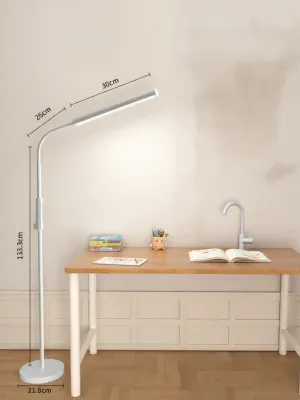
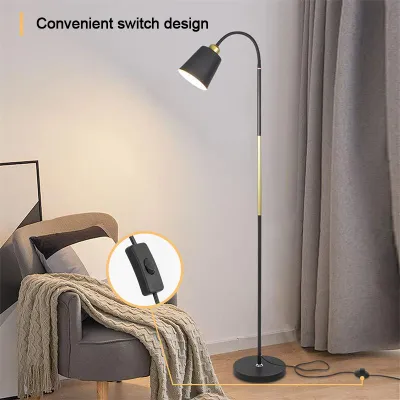
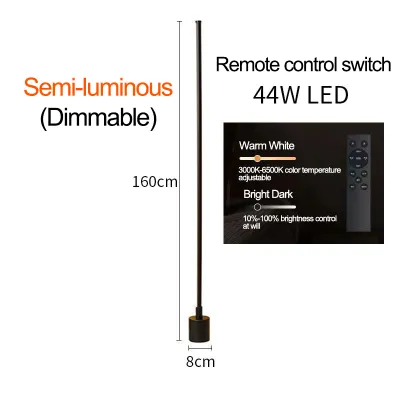
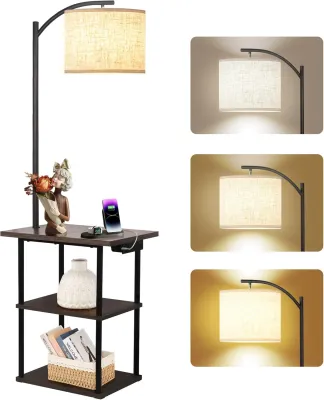
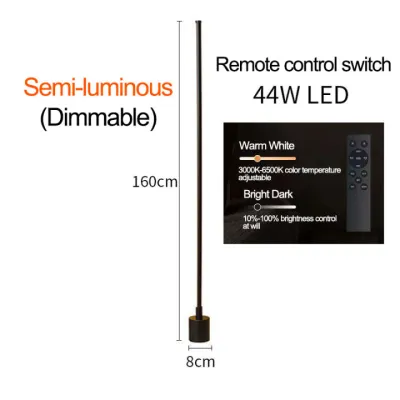
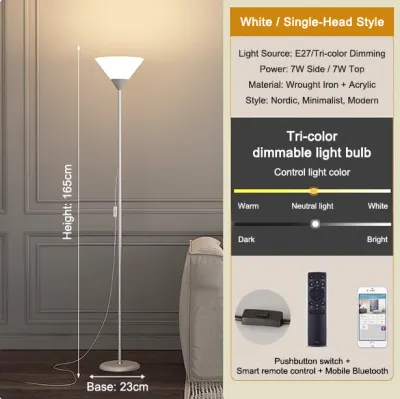
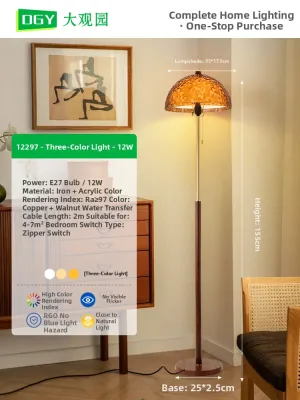
Prices are valid at publication and may change. Please refer to the product page for the latest price.
The Color Rendering Index (CRI) is another vital metric that measures how accurately a light source reveals the true colors of objects compared to natural sunlight. For reading, a high CRI of 90 or above is recommended. A high CRI ensures that black text stands out sharply against white or off-white paper, reducing the subconscious effort your eyes must make to distinguish letters. Low CRI lighting can make text look muddy and colors appear washed out, leading to quicker onset of visual fatigue.
To make your reading corner truly versatile, prioritize a standing lamp with dimmability and flexible control options. Step dimmers allow you to toggle between preset brightness levels, while continuous touch controls let you fine-tune the illumination to your exact preference. If you plan to transition your reading nook from a focused study space to a relaxed lounge area, choosing a lamp compatible with smart bulbs will allow you to adjust both brightness and color temperature via an app or voice commands.
Ergonomic Designs for Precise Light Direction
The physical structure of a standing lamp determines how effectively it delivers light to your reading material. Without proper adjustability, a lamp may cast distracting shadows across your book or spill light directly into your eyes. Look for lamps featuring goosenecks, articulating arms, or adjustable heads. A flexible gooseneck allows for smooth, multi-directional bending, while an articulating arm with joints and tension springs provides precise height and reach adjustments. These features enable you to position the light source exactly where you need it, keeping your posture natural and comfortable.

Shade design is equally important for controlling light spill and glare. Opaque shades made of metal, thick plastic, or dense fabric prevent light from escaping horizontally into your field of vision. Instead, they channel the light downward onto your lap or side table. To maximize efficiency, look for shades with reflective white or metallic silver interiors. This design feature helps bounce and concentrate the light downward, ensuring that all available lumens are utilized effectively for your reading task.
Because a standing lamp is a tall, vertical fixture, base stability is a crucial safety and practical consideration. In homes with active pets, children, or cooling appliances like floor fans, a top-heavy lamp can easily tip over. A heavy, weighted base ensures the lamp remains stable even when the arm is fully extended. Additionally, consider the footprint of the base; it should be compact enough to slide under the edge of your armchair or fit snugly into tight corners without obstructing walkways.
Finally, evaluate the height and reach of the lamp relative to your seating arrangement. The ideal standing lamp should allow you to position the bottom of the shade at or slightly below eye level when you are seated. If the lamp is too tall and lacks an adjustable head, the bare bulb may shine directly into your eyes, causing discomfort. If the arm’s reach is too short, you may find yourself leaning forward or slouching to bring your book into the light cone, defeating the purpose of an ergonomic setup.
Best Standing Lamp Styles for Your Reading Space
Different reading environments require different lamp styles to maximize comfort and space efficiency. Matching your specific room layout with the right category of floor lamp will help you create a functional and visually appealing setup.
Arc floor lamps feature a long, sweeping arm that extends outward from a heavy base. This design is highly effective for reaching over deep armchairs, sectional sofas, or chaise lounges. Because the base can be placed well behind or beside the furniture, arc lamps eliminate the need for a dedicated side table to hold a lamp, making them excellent for spacious living rooms.
Torchiere lamps with integrated reading arms offer a dual-purpose lighting solution. The main, upward-facing bowl bounces light off the ceiling to provide soft, ambient illumination throughout the room. Meanwhile, a smaller, highly adjustable secondary arm extends from the pole to provide focused task lighting for reading. This style is ideal for multi-functional spaces where you need both general room lighting and targeted reading light from a single physical footprint.
Dedicated task floor lamps are designed purely for directional lighting. These lamps typically feature a minimalist profile, a slim pole, and a highly adjustable head or pharmacy-style shade. They are the most flexible option for small, dedicated reading nooks, as they can be tucked tightly into corners and adjusted with high precision.
| Lamp Style | Space Requirement | Adjustability | Primary Use Case |
|---|---|---|---|
| Arc Floor Lamp | Medium to Large | Moderate (reach and height) | Reaching over deep sofas or central seating without side tables |
| Torchiere with Reading Arm | Small to Medium | High (for the reading arm only) | Dual-purpose ambient room lighting and focused task reading |
| Dedicated Task Lamp | Small | Very High (articulating joints/gooseneck) | Dedicated reading corners and tight spaces requiring precise light control |
Electrical and Spatial Compatibility Checklist
Before purchasing a standing lamp, it is essential to verify that the fixture is safe, compatible with your local electrical system, and physically suited for your home environment. Taking the time to check these specifications beforehand prevents installation issues and electrical hazards.
First, verify the electrical safety and voltage compatibility of the lamp. In the Philippines, the standard residential voltage is 220V at 60Hz. Ensure that the lamp’s built-in driver, ballast, or socket is rated for this voltage to prevent premature component failure, flickering, or electrical hazards. Always look for recognized safety certification marks on the plug, cord, or base to ensure the product has undergone proper safety testing.
Next, check the bulb socket type and maximum wattage limits. The most common socket type in local retail is the E27 screw base. When selecting a bulb, always respect the maximum wattage rating printed on the lamp’s safety label. Installing a bulb that exceeds this limit—especially older, high-heat halogen or incandescent bulbs—can melt plastic shades, damage internal wiring, and pose a serious fire hazard. If you prefer high-brightness reading, energy-efficient LED bulbs are highly recommended because they deliver high lumens at a fraction of the wattage and generate minimal heat.
Cord management is another practical detail that is often overlooked. Plan the placement of your lamp relative to the nearest wall outlet. The power cord should lie flat along the floor and must never be stretched taut across walkways, where it becomes a tripping hazard. Avoid running power cords under heavy rugs or furniture, as continuous pressure and friction can wear down the protective insulation, while trapped heat can create a fire risk. Use cable clips or low-profile floor cord protectors to keep the installation neat and safe.
If you plan to integrate your reading lamp into a smart home system, pay close attention to the lamp’s control mechanism. Standing lamps with built-in physical dimmers, touch sensors, or electronic switches often conflict with smart bulbs or external smart plugs, causing flickering or connectivity drops. For seamless smart home integration, choose a lamp with a simple physical on/off toggle switch (such as a foot pedal or pull chain) that can remain in the “on” position while the smart bulb or plug controls the power.
Frequently Asked Questions (FAQ)
Does a reading lamp need a special bulb?
A standing lamp does not require a proprietary bulb, but the specific bulb you choose directly dictates your reading comfort. While the lamp fixture provides the physical support and electrical connection, the bulb determines the lumens, color temperature, and Color Rendering Index (CRI). When shopping for a bulb, verify that its base matches the lamp’s socket (typically E27) and that its wattage does not exceed the fixture’s rated limit. Opting for an LED bulb designed for task lighting will give you the best control over brightness and warmth while keeping energy consumption low.
How tall should a standing lamp be for a reading chair?
As a general rule, a standing lamp for a reading chair should position the bottom of the lamp shade at or slightly above eye level when you are seated. For most standard armchairs and reading positions, this places the ideal shade height between 40 and 48 inches (approximately 100 to 120 centimeters) from the floor. Keeping the light source at this height ensures that the cone of light fully covers your book or tablet while preventing the bare bulb from shining directly into your eyes, eliminating distracting glare.

Community discussion
Share your experience or ask a question. Comments are reviewed before publication.