
Choosing between a study desk lamp and a bedside reading lamp comes down to matching the light’s physical behavior to your immediate cognitive state. A study desk lamp is engineered to maximize focus, utilizing a highly directional, adjustable beam that floods a workspace with bright, high-contrast light. In contrast, a bedside reading lamp is designed to ease the transition into sleep, offering a softer, diffused glow that keeps the surrounding environment calm and dim.
These functional differences stem directly from how each fixture shapes and directs its light. Desk lamps typically use narrow beam angles and opaque shades to direct light downward, preventing glare from hitting your eyes directly while you write or type. Bedside lamps, however, often feature semi-translucent shades or low-angle mounts that scatter light gently across a bed or a small portion of a nightstand, allowing you to read comfortably while reclined.
In tropical climates like the Philippines, where evening temperatures and humidity can remain high, the physical characteristics of these lamps also affect comfort. A desk lamp that emits excessive heat can make a study corner uncomfortable, while a bedside lamp placed close to pillows must run cool to prevent localized heat buildup. Understanding these nuances helps you select a fixture that supports both your daily productivity and your nightly rest.
Products mentioned in this guide
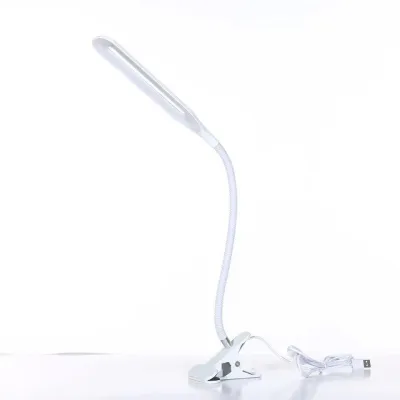
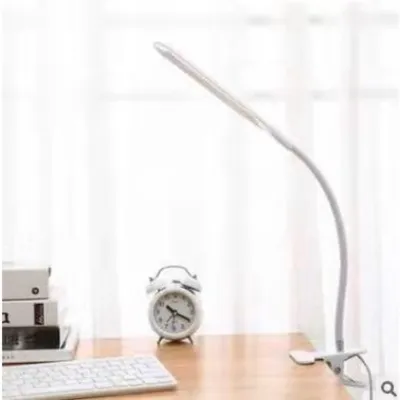
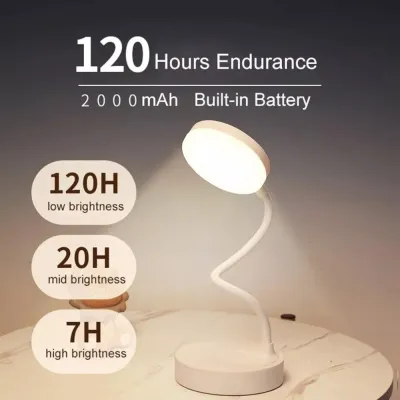
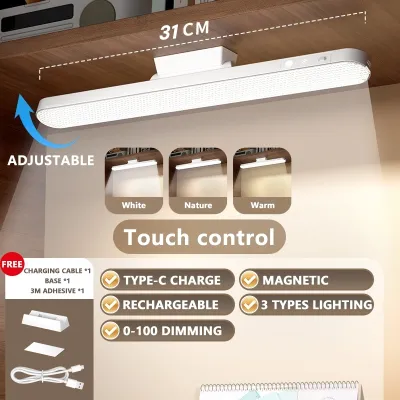
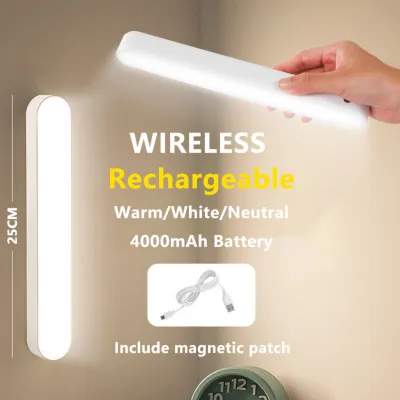
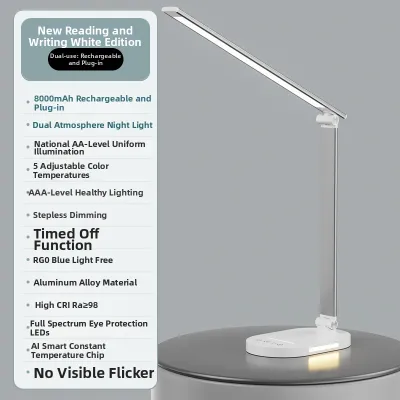
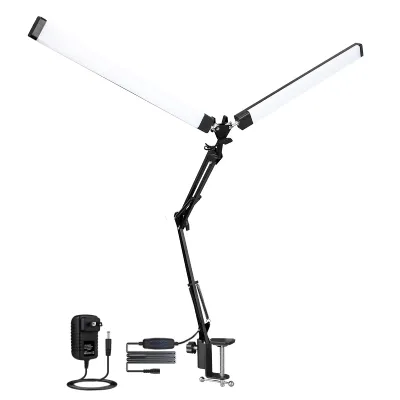
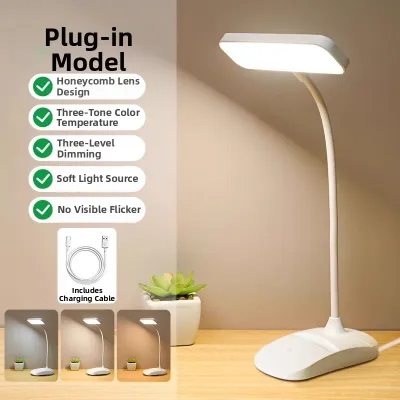
Prices are valid at publication and may change. Please refer to the product page for the latest price.
Key Features to Compare Before Buying
Before purchasing any lighting fixture, it is essential to look past aesthetic appeal and examine the technical specifications listed on the product packaging or online specification sheets. Understanding these details ensures the lamp meets your functional needs and operates safely within your home’s electrical setup.
Brightness and Adjustability
Task lighting requires a higher concentration of light on a specific surface area. When evaluating a study desk lamp, look for models that offer high lumen outputs and multi-level dimming. This adjustability allows you to increase brightness during intricate tasks, such as drawing or reading fine print, and lower it when working on a bright computer screen. The physical structure of a desk lamp should feature multiple points of articulation, such as a flexible gooseneck, a counterbalanced arm, or a swiveling head, enabling you to position the light source precisely where it is needed to eliminate shadows.
Bedside reading lamps prioritize convenience and mood over intense illumination. They typically feature lower maximum light outputs to avoid overstimulating your eyes before sleep. Look for bedside options with intuitive control interfaces, such as touch-sensitive bases or easily accessible inline cord switches, which can be operated effortlessly in the dark without requiring you to stretch or sit up.
Color Temperature and Eye Comfort
The color tone of your light directly influences your alertness and circadian rhythm. Study desk lamps benefit from cooler color temperatures, which mimic natural daylight and help maintain focus by suppressing melatonin production. When shopping, check the product label for adjustable color temperature settings, which allow you to switch from cool white for daytime study to a neutral white for evening tasks. To prevent eye strain during long sessions, prioritize lamps that feature built-in diffusers, flicker-free LED drivers, and glare-reduction designs.
Bedside reading lamps should utilize warm color temperatures, which emit a cozy, amber-toned glow that signals the body to wind down. If you prefer a single lamp for both reading and sleeping, look for a fixture with a dedicated warm or nightlight mode. Avoid using unshielded, high-Kelvin bulbs next to your bed, as the blue-light spectrum can disrupt your sleep cycle and cause visual discomfort in a darkened room.
Design, Footprint, and Placement
The physical footprint of your lamp must align with the available space on your furniture. Desk lamps often require a sturdy, weighted base to support an extended adjustable arm, though clamp-on models or grommet mounts are excellent space-saving alternatives for smaller desks. Consider how the power cord will be routed; a desk lamp needs a cord long enough to reach a wall outlet or power strip safely without creating a tripping hazard or pulling on the fixture when the arm is fully extended.
Bedside tables are often cluttered with phones, books, and water glasses, making a compact lamp base highly desirable. Wall-mounted sconces or clip-on reading lights are excellent alternatives that keep the nightstand surface completely clear. Ensure the switch is positioned within arm’s reach of your sleeping position so you can turn off the light instantly when you begin to drift off.
Comparison Matrix: Study Desk Lamp vs Bedside Reading Lamp
| Feature | Study Desk Lamp | Bedside Reading Lamp |
|---|---|---|
| Primary Use | Focused studying, writing, and detailed task work | Relaxed reading, winding down, and ambient lighting |
| Light Direction | Highly directional, focused downward beam | Diffused, localized, or soft ambient glow |
| Adjustability | High (articulated arms, swiveling heads, flexible necks) | Low to moderate (fixed shades or small adjustable joints) |
| Color Temperature | Cool to neutral white (supports alertness) | Warm white to amber (supports relaxation) |
| Space Footprint | Medium to large base, or clamp-on options | Small base, wall-mounted, or clip-on designs |
How to Decide: Match the Lamp to Your Routine
To choose the right fixture, analyze your daily habits and the primary activities that take place in your room. If your routine involves hours of focused reading, writing, or computer work at a dedicated desk, a study desk lamp is the correct choice. Its adjustable arm and bright, directional beam will protect your eyes from strain and allow you to maintain a healthy, upright posture.

If your reading is strictly a pre-sleep ritual performed while lying in bed, a bedside reading lamp is far more suitable. The softer, warmer light will help prepare your mind for sleep, and the compact design will fit neatly onto your nightstand.
For those with multi-functional spaces—such as a studio apartment or a bedroom that doubles as a study—a hybrid approach may be necessary. Look for a highly adjustable LED desk lamp that features a wide dimming range and variable color temperature controls. This allows you to set it to a bright, cool light during study hours, and then dim it to a warm, low-intensity glow when it is time to relax. However, keep in mind that neither of these consumer-grade options is designed to replace specialized architectural lighting or medical-grade task illumination, which require precise lux levels and professional installation.
Installation and Safety Checks
Before plugging in your new lamp, verify that its voltage rating matches your home’s electrical supply, which is typically 220V in the Philippines. Check the plug type to ensure it fits securely into your wall outlets without the need for unstable adapters, and avoid overloading power strips with multiple high-wattage appliances.
Pay close attention to heat dissipation, especially in warm, humid environments. Traditional incandescent and halogen bulbs can become extremely hot during operation, posing a fire hazard if placed too close to flammable materials like bedding, curtains, or paper documents. Opting for energy-efficient LED fixtures significantly reduces heat output, but you must still ensure adequate clearance around the lamp’s ventilation paths.
If you decide to install a permanent fixture, such as a hardwired wall sconce, a recessed reading light, or a heavy suspended lamp above your desk, always isolate the power at the main circuit breaker before beginning. For any complex wiring, work at heights, or installations in damp areas, consult a qualified electrician to ensure compliance with local electrical codes and safety standards.
Frequently Asked Questions (FAQ)
Can I use a bedside reading lamp for studying?
While a bedside lamp can provide temporary illumination, using it for prolonged study sessions is not recommended. Bedside lamps typically emit a diffused, warm light that is too dim for active reading and writing, forcing your eyes to work harder to focus on text. Additionally, the lack of physical adjustability means you cannot direct the light to eliminate shadows cast by your hands or head, which can lead to poor posture and physical fatigue. If you must use a bedside lamp for studying, ensure the room has adequate overhead ambient light to minimize high-contrast shadows.
Do I need a smart bulb for either lamp type?
A smart bulb is not a necessity, but it offers significant convenience depending on your lifestyle. For a bedside lamp, a smart bulb allows you to dim the light or turn it off using a smartphone app or voice command without reaching for a physical switch. For a study desk lamp, a smart bulb with adjustable color temperature can help you transition from a productive cool daylight setting to a relaxing warm white as evening approaches. Before purchasing a smart bulb, verify that the bulb’s base type matches your lamp’s socket and check if your lamp has an integrated dimmer, as smart bulbs are often incompatible with traditional physical dimming switches.
Community discussion
Share your experience or ask a question. Comments are reviewed before publication.