
Choosing the right lighting setup for your home involves more than simply picking an attractive fixture off a retail shelf. The type of illumination you select directly impacts your cognitive performance, visual comfort, and biological clock. When setting up a workspace or a bedroom, the decision often comes down to a choice between a study lamp and a bedside lamp. While both are designed to illuminate localized areas, they serve entirely different physiological and practical purposes. A study lamp is a dedicated task light engineered to project focused, high-intensity illumination onto a specific work surface to maximize concentration and minimize eye fatigue. In contrast, a bedside lamp is designed as an ambient light source, casting a soft, warm, and diffused glow that helps the body wind down and transition into a restful state.
Understanding the fundamental engineering and optical differences between these two fixtures is essential for creating a healthy, functional home environment. Placing a highly focused, cool-toned study lamp next to your pillow can disrupt your sleep cycle and make your bedroom feel sterile. Conversely, attempting to read textbooks or draft documents under the dim, warm glow of a traditional bedside lamp forces your eyes to work overtime, leading to headaches and physical exhaustion. By evaluating how these lamps direct light, their color temperatures, and their physical adjustability, you can make an informed decision that supports both your daily productivity and your nightly rest.
Core Functional Differences: Study Lamp vs Bedside Lamp
To understand why these fixtures cannot be easily interchanged, it is necessary to examine how they are engineered. From the shape of their shades to the internal electronics that govern their light output, study lamps and bedside lamps are optimized for contrasting environments.
Products mentioned in this guide
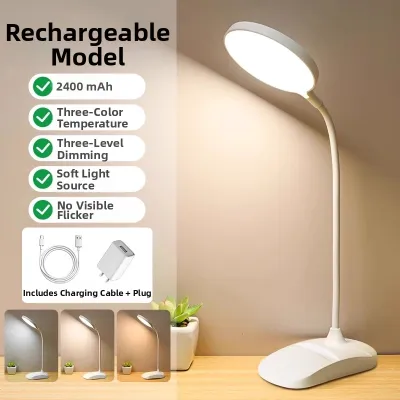
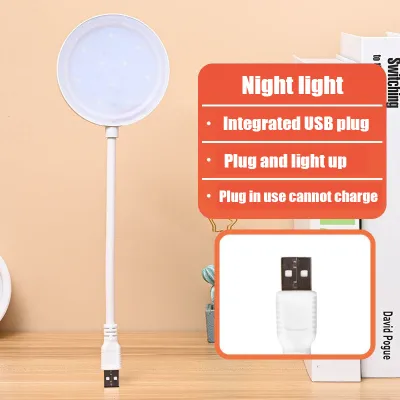
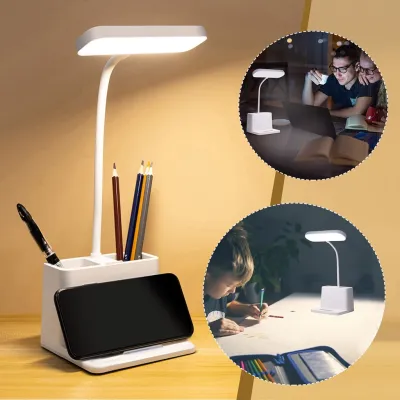
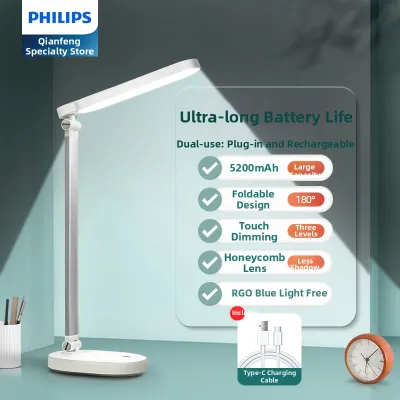
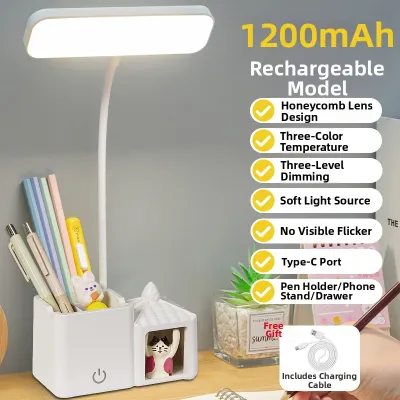
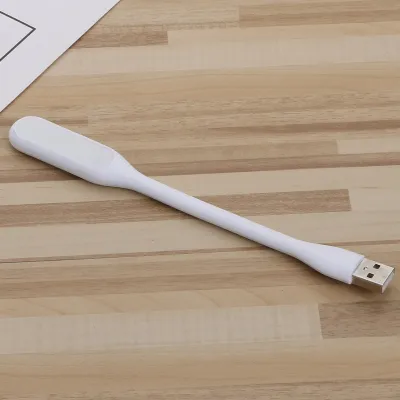
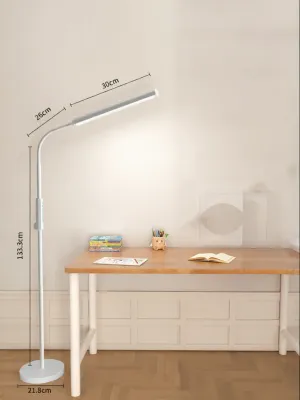
Prices are valid at publication and may change. Please refer to the product page for the latest price.
Light Distribution and Beam Angle
The primary distinction lies in how each fixture distributes light across a space. A study lamp is designed around the concept of task lighting, which requires a narrow, highly directional beam angle—typically between 30 and 60 degrees. This concentrated beam is achieved through a deep, opaque cone or cylindrical shade that prevents light from spilling horizontally. By focusing the entire light output directly downward onto a book, notebook, or keyboard, a study lamp ensures that the target area receives maximum illumination while the rest of the room remains relatively dark.
In contrast, a bedside lamp is engineered for ambient or accent lighting, utilizing an omnidirectional light distribution pattern. Its light spreads in a full 360-degree radius, illuminating the nightstand, reflecting off nearby walls, and casting a gentle glow across the ceiling. This wider distribution prevents harsh contrasts and creates a balanced, visually soothing environment. Instead of highlighting a single point, the bedside lamp bathes the immediate surroundings in a uniform, low-intensity wash of light that is easy on the eyes when transitioning to sleep.
Adjustability and Flexibility
Work environments require dynamic lighting that can adapt to different tasks, which is why study lamps feature sophisticated mechanical adjustability. Most high-quality study lamps are built with articulated arms, tension springs, counterweights, or flexible goosenecks, alongside rotating heads. This allows you to adjust the height, angle, and distance of the light source. If you are sketching, you can lower the lamp close to the paper; if you are typing on a computer, you can angle the head to prevent light from reflecting off your monitor.
Bedside lamps, however, prioritize structural simplicity and aesthetic integration. They are almost entirely static, consisting of a solid, weighted base and a fixed vertical stem. There are no joints to adjust or arms to bend. The height of the light source is predetermined by the design of the fixture, and the direction of the light cannot be altered. This lack of adjustability is intentional, as bedside lighting does not need to adapt to changing physical tasks; its sole job is to remain a reliable, stationary source of gentle illumination.
Color Temperature and Brightness
The biological and psychological effects of light are largely determined by color temperature, measured in Kelvin (K), and brightness, measured in lumens. Study lamps are designed to promote alertness and cognitive focus. To achieve this, they utilize cooler light temperatures, typically ranging from 4000K (neutral white) to 5000K (cool daylight). This spectrum mimics natural midday sun, suppressing drowsiness and enhancing detail contrast. Furthermore, study lamps deliver higher brightness levels, generally between 400 and 800 lumens, ensuring that fine text and intricate details are clearly visible without squinting.
Bedside lamps occupy the opposite end of the lighting spectrum. They are designed to support the body’s natural circadian rhythm by utilizing warm light temperatures between 2700K and 3000K (warm white). This reddish-yellow hue mimics the warm glow of a sunset or candlelight, signaling to the brain that the day is ending. The brightness of a bedside lamp is also kept deliberately low, usually between 150 and 300 lumens. This low-intensity, warm light provides just enough visibility for safe movement and casual reading without triggering the neurological mechanisms that cause wakefulness.
Glare Control and Shade Design
The design of the lampshade plays a critical role in managing glare and visual comfort. Study lamps employ opaque shades made of metal, dense plastics, or painted wood. Because these materials are completely impervious to light, they act as physical barriers that channel the light strictly downward. This design ensures that the bulb itself is hidden from direct line of sight, preventing glare from striking your eyes or reflecting off digital screens.
Bedside lamps utilize translucent or semi-opaque shades crafted from materials like woven fabric, linen, paper, or frosted glass. Rather than blocking the light, these materials act as diffusers. As the light passes through the shade, it is scattered in multiple directions, softening the intensity of the light rays. This diffusion eliminates harsh, sharp-edged shadows and prevents the naked bulb from creating blinding glare points, resulting in a warm, inviting glow that enhances the bedroom’s overall decor.
Ergonomics and Eye Strain: Why the Right Light Matters
Using an inappropriate light source for your daily activities can have real physical consequences. The human visual system is highly adaptable, but prolonged exposure to poor lighting conditions inevitably leads to discomfort, fatigue, and long-term health issues.

Task Lighting and Eye Fatigue
When you attempt to perform detailed work under inadequate lighting—such as studying under a dim bedside lamp—your eyes are forced to work much harder. The ciliary muscles inside your eyes must constantly contract and strain to keep the low-contrast text in focus. This prolonged exertion leads to a condition known as asthenopia, commonly referred to as eye strain. Symptoms include dry eyes, blurred vision, burning sensations, and tension headaches.
Furthermore, poor lighting has a direct impact on your physical posture. If your desk is illuminated by a weak, diffused light, you will naturally slouch, lean forward, and crane your neck to bring your eyes closer to the page. Over several hours, this poor ergonomic positioning leads to chronic muscle tension in your neck, shoulders, and lower back. A proper study lamp resolves this by bringing high-intensity light directly to your workspace, allowing you to maintain a healthy, upright posture.
Circadian Rhythm and Sleep Hygiene
The human body relies on environmental cues to regulate its internal 24-hour clock, known as the circadian rhythm. Specialized photoreceptors in our eyes, called intrinsically photosensitive retinal ganglion cells (ipRGCs), are highly sensitive to blue light wavelengths, which are highly concentrated in cool daylight and cool-white artificial light. When these cells detect blue light, they send signals to the brain to suppress the production of melatonin, the hormone that induces sleep.
If you use a bright, cool-toned study lamp in your bedroom late at night, you are effectively tricking your brain into believing it is still daytime. This delays the onset of sleep, reduces sleep quality, and leaves you feeling fatigued the next morning. By switching to a warm, low-intensity bedside lamp in the evening, you allow your melatonin levels to rise naturally, facilitating a smooth transition into deep, restorative sleep.
Contrast Ratios and Glare
Another common cause of eye strain is an unbalanced contrast ratio within your field of view. If you operate a high-intensity study lamp in an otherwise pitch-black room, your eyes are exposed to extreme contrast between the brightly lit desk and the dark surrounding space. Every time you look up from your book or computer screen, your pupils must rapidly dilate to adjust to the darkness, and then quickly constrict when you look back down at the bright workspace.
This constant pupillary adjustment rapidly fatigues the iris muscles, leading to visual discomfort. To prevent this, it is important to maintain a balanced lighting environment. While a study lamp provides the necessary focused light for your tasks, you should also have a soft source of ambient background light in the room to reduce the contrast ratio and create a more comfortable visual transition.
Key Specifications to Check Before You Buy
Selecting the perfect lamp requires looking beyond aesthetic appeal. To ensure safety, durability, and optimal performance, you must evaluate several technical and physical specifications before making a purchase.
Voltage and Plug Compatibility
In the Philippines, the standard electrical grid operates at a voltage of 220V with a frequency of 60Hz. When shopping for lamps, particularly on online marketplaces that source products globally, you must verify that the fixture and its internal transformer are rated for 220V. Connecting a 110V lamp—common in North America—directly to a Philippine outlet without a step-down transformer will cause immediate electrical failure, short-circuiting, or permanent damage to the fixture.
Additionally, pay close attention to the plug type. The most common configurations in the Philippines are the two-flat-prong plug (Type A) and the three-prong grounded plug (Type B). Ensure the lamp’s plug matches your wall outlets. Relying on cheap, uncertified multi-adapters to bridge incompatible plugs is a common cause of loose connections, sparking, and electrical fires.
Bulb Base and Wattage Limits
Every lamp fixture has a maximum wattage rating clearly printed on its socket label. This rating indicates the maximum amount of heat the fixture can safely dissipate. Exceeding this limit by installing a high-wattage bulb can melt the plastic socket, degrade the internal wiring insulation, and create a severe fire hazard.
When purchasing a lamp, verify the socket base type so you can easily find replacement bulbs in local hardware stores. The most common screw-thread bases are E27 (standard medium base) and E14 (smaller base). Opting for energy-efficient LED bulbs is highly recommended; they consume a fraction of the wattage of traditional incandescent bulbs while producing minimal heat, which is particularly beneficial in the hot, humid tropical climate of the Philippines.
Dimming Capabilities
If you want the flexibility to adjust your lighting levels throughout the day, you must verify the dimming capabilities of both the fixture and the bulb. Not all LED bulbs are dimmable. Installing a standard, non-dimmable LED bulb into a lamp controlled by a dimmer switch will result in rapid flickering, buzzing noises, and premature bulb failure.
If you choose a lamp with an integrated dimmer switch, ensure you purchase bulbs explicitly labeled as “dimmable.” Alternatively, you can install a smart bulb into a standard on/off lamp fixture. Smart bulbs allow you to adjust brightness levels and color temperatures directly through a smartphone application or smart home hub, bypassing the need for specialized physical dimmer switches.
Safety and Certifications
Electrical safety should never be compromised, especially for fixtures that remain plugged in and active for hours. When purchasing a lamp in the Philippines, look for official safety certification marks on the product packaging or the manufacturer’s label. The Philippine Standard (PS) Quality and/or Safety Mark, or the Import Commodity Clearance (ICC) sticker, indicates that the product has undergone rigorous testing to meet national safety standards.
Avoid purchasing ultra-cheap, unbranded lighting fixtures from unregulated online sellers. These products often feature substandard wiring, thin insulation, and poorly constructed sockets that fail prematurely under continuous use, presenting serious shock and fire hazards.
Footprint and Cord Length
Before finalizing your purchase, measure the physical dimensions of your desk or nightstand. A study lamp with a massive, heavy base may take up too much valuable workspace, leaving little room for your laptop, books, or writing materials. Conversely, a tall, top-heavy study lamp placed on a small, cluttered bedside table is highly prone to being knocked over in the dark.
Additionally, measure the distance from your planned setup to the nearest wall outlet. A lamp cord that is too short will require you to run extension cords across the floor, creating unsightly tripping hazards. Ensure the cord can reach the outlet safely without being stretched taut or pinched behind heavy furniture.
Decision Framework: How to Choose Based on Your Setup
To determine which lamp best suits your daily routine, evaluate your specific living space, habits, and physical setup. Use the following framework to guide your final decision.
- Choose a Study Lamp if:
- You spend hours reading, writing, or typing at a dedicated desk.
- You need precise, directional illumination that can be adjusted to eliminate glare on your laptop or monitor screen.
- You perform detailed, high-precision tasks such as drawing, crafting, or soldering.
- You struggle to stay awake during evening study sessions and require cooler, energizing light.
- Choose a Bedside Lamp if:
- Your primary evening activity is light reading in bed or winding down before sleep.
- You want to create a cozy, warm, and aesthetically pleasing atmosphere in your bedroom.
- You share a room or bed and want to avoid disturbing your partner with direct, harsh light beams.
- You require a gentle nightlight or low-level ambient illumination for late-night navigation.
- Consider a Hybrid or Smart Setup if:
- Your study desk is located right next to your bed, or you use a single small table for both work and relaxation. In this scenario, opt for a highly adjustable study lamp fitted with a smart LED bulb. This allows you to set the bulb to a cool, bright 4000K setting during working hours, and easily switch it to a dim, warm 2700K setting when it is time to relax.
- Verify First if:
- You are installing fixtures near areas with high humidity, such as open windows during the monsoon season, or if you are considering wall-mounted reading sconces. For any fixed wiring, wall mounting, or complex electrical modifications, always isolate the power at the main circuit breaker and consult a qualified professional electrician to ensure safe and compliant installation.
Frequently Asked Questions (FAQ)
Can I use a bedside lamp on my study desk?
While you can physically place a bedside lamp on a desk, it is highly impractical for productive work. Bedside lamps utilize translucent shades that diffuse light in all directions, which fails to provide the concentrated, high-intensity task lighting required for reading and writing. This lack of focused brightness forces your eyes to strain, leading to rapid fatigue and headaches. Additionally, because bedside lamps lack adjustable arms or heads, you cannot redirect the light to eliminate shadows cast by your hands or to prevent glare from reflecting off your computer screen.
What is the best color temperature for reading in bed?
The ideal color temperature for reading in bed is between 2700K and 3000K (warm white). This warm spectrum closely mimics the glow of a sunset, which minimizes blue light exposure and prevents the suppression of melatonin. Avoid using bulbs above 4000K in your bedside lamp, as the cool blue wavelengths will stimulate alertness and disrupt your natural sleep-wake cycle.
Community discussion
Share your experience or ask a question. Comments are reviewed before publication.