
Choosing the right lighting fixture for your home involves more than simply picking an attractive design that matches your furniture. The fundamental difference between a study lamp and a bedside lamp lies in how they distribute light and the specific visual tasks they are engineered to support. While one is designed to enhance focus and reduce eye strain during detailed work, the other is crafted to promote relaxation and ease the transition into sleep.
Understanding these distinctions prevents common mistakes, such as buying a lamp that causes glare while you try to rest, or one that leaves your desk in shadow while you try to read. By evaluating your daily habits, spatial constraints, and local electrical requirements, you can select a fixture that serves your lifestyle effectively.
Core Functional Differences: Task Lighting vs Ambient Glow
The primary distinction between these two lighting types is their optical distribution. A study lamp is a classic example of task lighting, which delivers a concentrated, directional beam of light directly onto a specific surface. This focused illumination is achieved through opaque shades, often made of metal or dense plastic, which prevent light from escaping sideways. By narrowing the beam angle, the lamp ensures that your reading material, notebook, or keyboard receives high-contrast illumination without lighting up the rest of the room.
Products mentioned in this guide
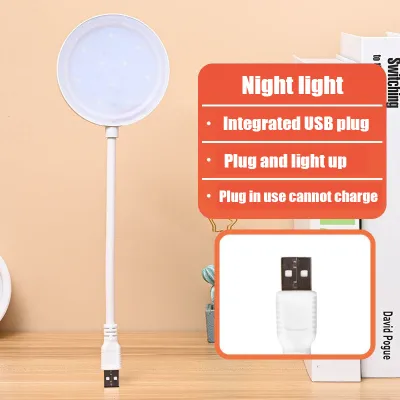
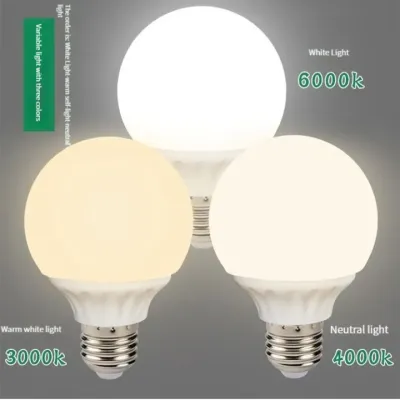
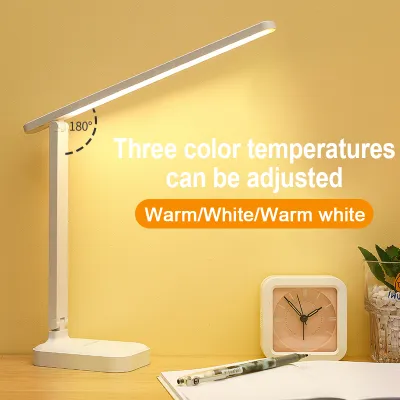
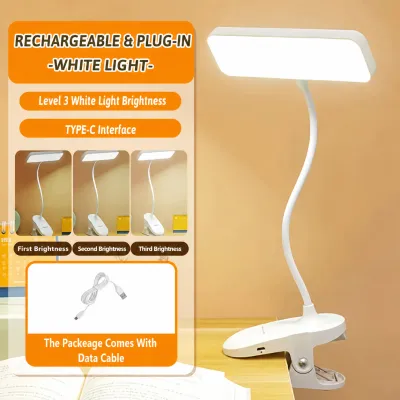
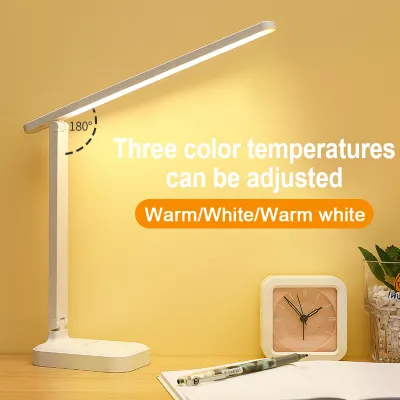
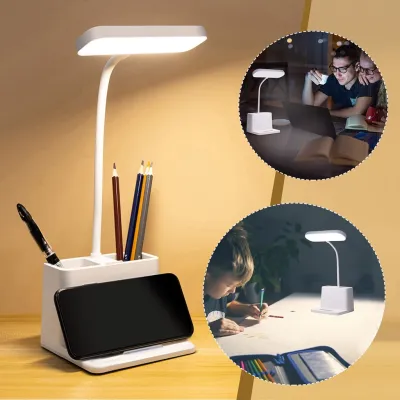
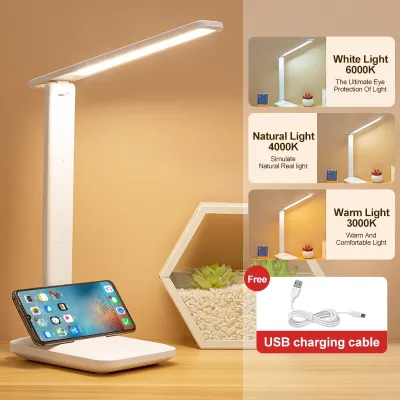
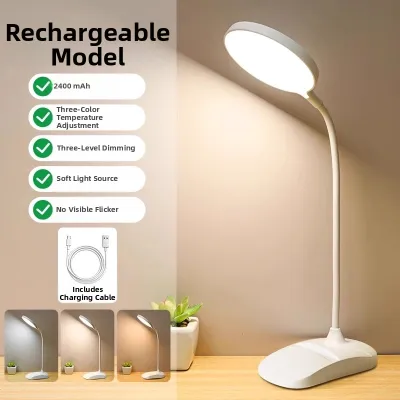
Prices are valid at publication and may change. Please refer to the product page for the latest price.
In contrast, a bedside lamp is designed for ambient or accent lighting. It utilizes a translucent shade—typically made of fabric, frosted glass, or paper—to scatter light in all directions. This diffused glow softens shadows and reduces the overall contrast in the room, creating a warm, inviting atmosphere. Instead of highlighting a single point, a bedside lamp gently illuminates the surrounding walls and furniture, providing just enough light for safe movement without overstimulating your eyes before sleep.
These differing optical designs also dictate how each lamp manages glare and shadows. High-quality study lamps often feature adjustable heads or asymmetric reflectors that allow you to position the light source so that your hand does not cast a shadow over your writing. They also shield the bulb from your direct line of sight to prevent discomfort glare. Bedside lamps, however, rely on the physical barrier of the shade to block direct glare from the bulb, prioritizing a soft, indirect visual environment over sharp contrast.
When shopping, it is important to check product labels for lumen output and color temperature rather than relying solely on the product’s marketing category. A study lamp typically performs best with a bulb emitting 400 to 800 lumens in a neutral to cool white range (4000K to 5000K) to promote alertness. A bedside lamp, on the other hand, is more suited to a lower output of 150 to 300 lumens in a warm white range (2700K to 3000K) to encourage relaxation.
Design and Ergonomic Features to Compare
The physical structure of each lamp type reflects its intended use. Study lamps prioritize high adjustability to accommodate different tasks and postures. Many models feature flexible goosenecks, articulated tension arms, or swiveling heads that let you raise, lower, or tilt the light source. This flexibility is crucial for preventing neck strain, as it allows you to bring the light closer to detailed work or push it away to reduce intensity.

Bedside lamps generally feature a fixed, rigid stem and a stationary shade. Because their primary job is to provide consistent ambient light, they do not require frequent physical adjustment. Instead, their design focus is on stability and aesthetic integration with your bedroom decor. When selecting a bedside lamp, consider the base weight and footprint relative to your nightstand. In tropical climates like the Philippines, where open windows and desk fans are common to maintain airflow, a lamp with a weighted, stable base is essential to prevent accidental tipping from sudden drafts.
Switch placement and dimming mechanisms also differ significantly between the two styles. A study lamp often places its controls on the base or along the lamp head for quick access while you are seated at your desk. Many modern task lights also include step-less touch dimming or color-temperature adjustment buttons. For a bedside lamp, convenience in the dark is the priority. Look for models with inline cord switches that sit close to the mattress, touch-sensitive bases that turn on with a simple tap anywhere on the metal body, or pull chains that are easy to locate without looking.
Matching the Lamp to Your Specific Use Case
To determine which lamp best suits your needs, evaluate the primary activities that occur in your space. If your daily routine involves hours of intense focus—such as studying for exams, working on a laptop, drawing, or sewing—a dedicated study lamp is the correct choice. The focused, high-contrast light keeps your eyes from tiring quickly, helping you maintain concentration and read small text without squinting.
If your goal is to create a peaceful sanctuary for winding down at the end of the day, a bedside lamp is the appropriate option. The soft, diffused light helps signal to your brain that it is time to rest, making it easier to fall asleep. It also provides a comfortable level of illumination for light reading, checking your phone, or navigating the room safely during the night without waking up a partner.
If you have a highly constrained space, such as a studio apartment or a small bedroom where your desk also serves as your nightstand, you may be tempted to use a single lamp for both purposes. Doing so, however, requires careful compromise. Using a standard bedside lamp for intense desk work can lead to eye strain due to insufficient, poorly directed light. Conversely, using a bright, focused study lamp right before bed can disrupt your sleep cycle. If you must use one lamp for both roles, select an adjustable desk lamp equipped with a dimmable, smart LED bulb that allows you to switch from a bright, cool light during the day to a dim, warm glow at night.
Essential Specifications to Check Before Buying
Before making a purchase, it is vital to verify several technical and physical specifications to ensure the lamp operates safely and fits your space in the Philippines. First, confirm that the lamp is compatible with the local electrical standard of 220 volts at 60 hertz. Using a lamp designed solely for 110-volt systems without a proper transformer can damage the fixture or present a serious electrical hazard. Additionally, check that the plug type matches your wall outlets, which are typically flat two-pin (Type A) or three-pin (Type B) configurations.
Next, inspect the lamp holder interface and the maximum wattage limits printed on the fixture’s socket. Common socket types include E27 screw bases and E14 or GU10 bi-pin bases. Always ensure that any bulb you install does not exceed the maximum wattage rating specified by the manufacturer. Installing a high-wattage bulb in a fixture rated for lower power can cause heat buildup, potentially melting plastic components or damaging the internal wiring.
For peace of mind, look for recognized electrical safety certification marks on the product packaging or the lamp itself. In the Philippines, reliable electrical appliances carry the Philippine Standard (PS) quality mark or the Import Commodity Clearance (ICC) sticker. These marks indicate that the product has undergone rigorous testing to meet local safety standards for thermal insulation, electrical wiring, and structural stability.
Finally, take physical measurements of your available surface area and height clearance. A study lamp needs enough desk space to sit securely without blocking your computer monitor or interfering with your arm movements. For a bedside lamp, measure the height of your nightstand relative to your bed. Ideally, the bottom of the lampshade should sit at approximately eye level when you are sitting up in bed, preventing the bulb from shining directly into your eyes while still providing adequate light for reading.
Frequently Asked Questions (FAQ)
Can I use a bedside lamp for studying?
While you can physically place a bedside lamp on a desk, it is not recommended for prolonged studying. Bedside lamps use shades that diffuse light in all directions, which reduces the contrast on your page and can cause eye strain during detailed tasks. If you must use a bedside lamp for studying, ensure you install a bulb with sufficient brightness, and check the fixture’s maximum wattage limit to avoid overheating. However, a dedicated study lamp with an adjustable arm remains the safer and more comfortable choice for long study sessions.
What is the best color temperature for reading in bed?
The best color temperature for reading in bed is a warm white light, typically between 2700K and 3000K. This warm hue mimics natural evening light, which helps your body wind down and prepare for sleep. Avoid cool white or daylight bulbs (5000K and above) in your bedside lamp, as the blue light wavelengths can interfere with your sleep cycle. If you enjoy reading for long periods before sleeping, verify that your bedside lamp is compatible with dimmable LED bulbs so you can adjust the brightness to a comfortable, low level.
Community discussion
Share your experience or ask a question. Comments are reviewed before publication.