
To style fairy lights in a condo bedroom for a cozy ambient glow, focus on soft, indirect placement—such as framing your headboard, draping strands behind sheer curtains, or weaving them through floating shelves—while choosing a warm white color temperature (2700K to 3000K). By bouncing the light off vertical surfaces rather than exposing the bulbs directly to your eyes, you create a gentle, diffuse radiance that makes even the most compact urban sanctuary feel incredibly relaxing.
In a typical high-rise condo, space is often at a premium, and concrete walls or strict landlord rules can limit your design choices. Fortunately, fairy lights offer a highly flexible, low-effort styling solution that does not require permanent drilling or major electrical overhauls. Achieving that perfect, hotel-like bedroom ambiance is simply a matter of careful layout planning, choosing the right specifications, and executing a damage-free installation.
Planning Your Layout and Electrical Safety Checks
Before hanging a single strand of fairy lights, a successful setup begins with a clear layout plan and a thorough safety inspection. Condo bedrooms often have specific layouts where bed placement is dictated by the location of power outlets, windows, or built-in wardrobes. Taking a few minutes to measure your target areas ensures you purchase the correct length of string lights and avoid the frustration of awkward gaps or messy, bunched-up wires.
Products mentioned in this guide
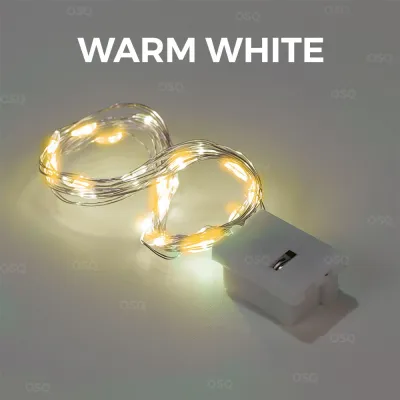
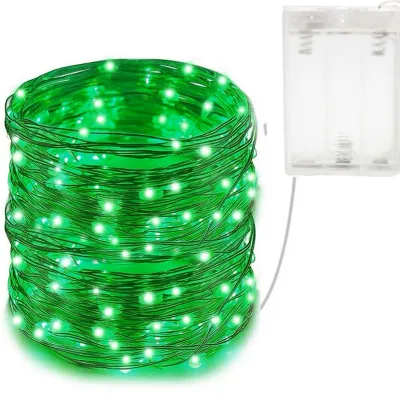

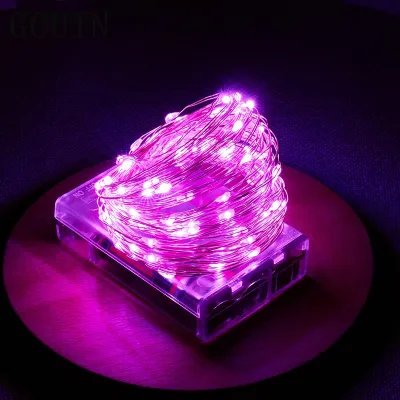
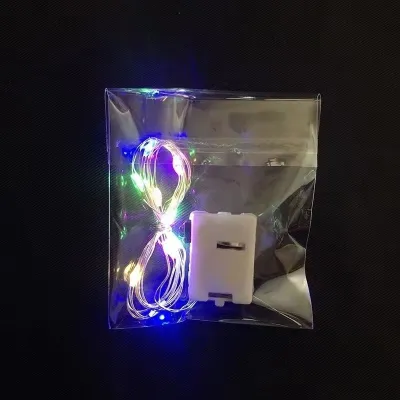
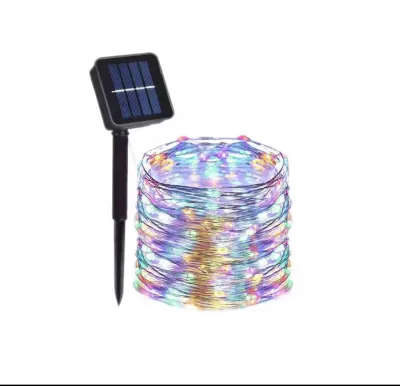
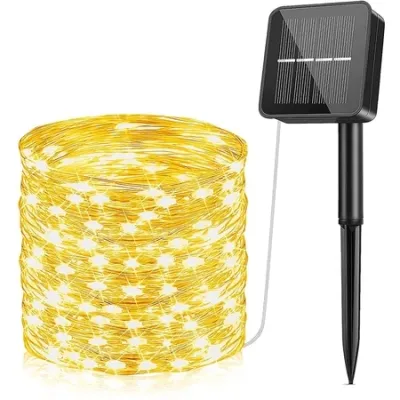
Prices are valid at publication and may change. Please refer to the product page for the latest price.
Start by using a flexible measuring tape to map out the path your lights will travel. If you plan to frame a headboard, measure its perimeter; if you want to drape lights across a window, measure the width of the curtain rod and the drop distance to the floor. Always add an extra 10% to 15% to your final measurement to account for natural draping, sagging, or wrapping around corners, as tightly stretched wires look clinical and strain the connections.
Next, identify the nearest available wall outlets and plan the routing of the power cords. In many modern condos, outlets may be positioned far from the bed or hidden behind heavy furniture. Ensure the cord from the start of the light strand can comfortably reach the outlet without creating a tripping hazard across the room or pulling the wire taut. If you must use an extension cord, plan a path along the baseboards and secure it safely to keep your floor space clean and uncluttered.
Electrical safety is paramount, especially in compact condo environments where multiple devices share limited circuits. Always verify that your chosen lights are rated for the standard 220V grid, or that you are using a certified step-down adapter or USB power block. Look for official safety certifications, such as the Philippine Standard (PS) mark or the Import Commodity Clearance (ICC) sticker, to ensure the product has undergone rigorous quality testing.
Never daisy-chain more light strands together than the manufacturer explicitly recommends, as overloading the thin wires can lead to overheating. Inspect the entire length of the cable for any frayed insulation, exposed copper, or cracked bulb housings before plugging them in. Finally, avoid plugging your lights into overloaded extension blocks that also power high-wattage appliances like air conditioning units, keeping your bedroom both cozy and safe.
Proven Placement Techniques for Fairy Lights in Small Bedrooms
Framing the Bed and Headboard
The bed is the natural focal point of any bedroom, making it the ideal starting place for your ambient lighting design. Weaving fairy lights around or through your headboard instantly elevates the room’s aesthetic, turning a simple sleeping area into a cozy retreat. If you have a slatted wooden or metal headboard, you can gently wind the copper wire or string cable between the slats to create an integrated, glowing backdrop.

For solid headboards, outlining the outer frame with a neat border of lights provides a clean, modern silhouette that defines the bed’s shape. If you prefer a softer, more whimsical look, consider draping the lights from the ceiling above the bed to create a delicate canopy effect. This vertical arrangement draws the eye upward, which is an excellent design trick for making small-space condo bedrooms feel taller and more open.
To maintain a polished, professional look, keep all excess wires, battery packs, and plugs hidden out of sight. Tucking the lead wire behind the mattress or securing the power adapter to the back of the headboard frame keeps the focus entirely on the warm glow. Always use cable ties or removable clips to prevent the wires from slipping down or dangling untidily onto the floor.
As a crucial safety boundary, always ensure that the light bulbs do not come into direct, prolonged contact with highly flammable materials. Keep the strands clear of plush pillows, heavy down comforters, or thick decorative throws that could trap heat. Even though modern LED lights run significantly cooler than old incandescent bulbs, maintaining a small physical gap between the lights and your bedding is a vital precaution for peace of mind.
Draping Over Curtains and Windows
Windows and glass balcony doors are prominent features in many modern condos, but at night, they can look cold and reflective. Draping fairy lights across your window area softens these hard glass surfaces, transforming them into a warm, inviting feature wall. Hanging the lights alongside your curtains adds a beautiful layer of depth that reflects gently off the glass, making the room feel larger.
To achieve a highly diffused, dreamy glow, try hanging your light strands directly behind sheer, lightweight curtains. The semi-translucent fabric acts as a natural filter, softening the individual points of light into a continuous, ethereal wash of color. You can easily attach the strands to your existing curtain rod using small, transparent S-hooks or specialized curtain clips designed for string lights.
Before hanging anything, verify that your curtain rod or window frame is securely mounted and capable of supporting the cumulative weight of the lights. Heavy-duty or extra-long strands can pull on loose brackets, especially in plasterboard or gypsum walls common in newer condo developments. If the rod feels slightly loose, opt for ultra-lightweight copper wire lights rather than thick, plastic-jacketed commercial strings.
Additionally, take care to keep the light bulbs from being tightly pinched or pressed directly against heavy, insulated blackout drapes. While LED options generate very little thermal energy, keeping a slight clearance between the fabric layers allows for natural air circulation. This simple practice prevents heat buildup and ensures your window styling remains perfectly safe throughout the night.
Accenting Floating Shelves and Wall Decor
In compact condo bedrooms, vertical space is highly valuable, and floating shelves or wall art are popular ways to personalize the room. Accenting these features with fairy lights is a brilliant way to introduce layered lighting without taking up valuable bedside table space. By wrapping the thin, flexible wires around shelf brackets or draping them along the edges of the shelves, you create a subtle outline that highlights your favorite books, plants, or decorative items.
For a highly creative and modern look, try placing a coiled strand of copper-wire lights inside a clean glass jar, lantern, or geometric terrarium on a shelf. This concentrates the light into a single, sparkling accent piece that mimics the look of trapped fireflies, serving as a unique alternative to a traditional bedside lamp. Alternatively, weaving the lights behind a framed canvas or wall mirror creates a beautiful backlighting halo effect that adds instant depth to flat walls.
Using lights on higher shelves or near the ceiling naturally draws the observer’s eye upward, creating the illusion of a more spacious room. This technique is particularly effective in studio units or smaller bedroom layouts where floor space is limited. By scattering small pockets of warm light at different heights, you break up the monotony of the room and make the entire space feel dynamically lit.
Choosing the Right Color Temperature and Power Source
The specific type of fairy lights you select plays a major role in achieving the desired cozy atmosphere while fitting the practical constraints of condo living. Color temperature is the most critical factor in setting the mood of a room. For a relaxing, sleep-ready bedroom environment, always opt for warm white lights, which typically fall in the range of 2700K to 3000K.
Warm white light mimics the gentle, golden hue of candlelight or a setting sun, signaling to your brain that it is time to wind down and rest. In contrast, cool white lights (above 5000K) emit a bright, blue-toned glow that can feel clinical and disrupt your natural sleep cycle by suppressing melatonin production. While multicolor or flashing RGB lights can be fun for festive occasions, they are generally too distracting for a calm, everyday bedroom sanctuary.
When evaluating power sources, you generally have three main options: traditional plug-in models, USB-powered strands, and battery-operated packs. Plug-in lights deliver consistent, bright illumination and are ideal for permanent installations where an outlet is easily accessible. USB-powered fairy lights offer incredible flexibility, as they can be plugged into standard phone charger blocks, power banks, or even the USB ports of smart TVs and media consoles.
Battery-operated lights are highly portable and eliminate the need for visible power cords, making them perfect for isolated floating shelves or inside decorative jars. However, they require frequent battery replacements or recharging, which can become costly and inconvenient over time. For the best balance of convenience, brightness, and eco-friendliness, USB-powered LED strands are highly recommended for most condo setups.
Additionally, pay close attention to the construction of the wire and the bulb type. Flexible copper or silver wire lights are incredibly thin, lightweight, and easy to bend into precise shapes, making them virtually invisible when turned off. Always choose LED bulbs over traditional incandescent ones; LEDs are highly energy-efficient, consume minimal electricity, and remain cool to the touch even after hours of continuous operation, making them the safest choice for indoor styling.
Damage-Free Installation for Condo Walls and Surfaces
Many condo residents rent their units or must comply with strict building association guidelines regarding wall alterations. This means drilling holes, driving nails, or using heavy-duty staples to hang decorations is often out of the question. Fortunately, you can easily install your fairy lights using completely damage-free, reversible mounting methods that protect your paint and plaster.
To hang your lights safely, rely on high-quality removable adhesive hooks, transparent wire clips, or reusable adhesive putty. Clear, low-profile plastic clips are specifically designed to hold thin wires securely while remaining almost invisible against white or light-colored condo walls. These adhesives are engineered to hold a specific weight and can be pulled away cleanly without peeling off the wall paint or leaving sticky residue behind when it is time to move out.
For a secure and long-lasting hold, proper surface preparation is key. Start by wiping the target wall or furniture surface with a clean cloth dampened with rubbing alcohol to remove any accumulated dust, grease, or tropical humidity film. Let the surface dry completely, then apply the adhesive strip to the hook, press it firmly against the wall for about 30 seconds, and wait at least an hour before hanging the lights to allow the bond to fully cure.
Never use metal staples, nails, or thumb tacks to pin the light wires directly to your walls or wooden furniture. Piercing the protective plastic insulation of the wire can damage the internal copper conductors, leading to short circuits, broken connections, or even potential electrical fires. If you need to adjust the position of your lights during installation, always unplug them from the power source first to eliminate any risk of electric shock.
Layering Light Sources and Verifying Your Final Setup
To truly master the cozy aesthetic, your fairy lights should not work in isolation; instead, they should be integrated into a thoughtful, multi-layered lighting scheme. Relying solely on a single overhead ceiling light often creates harsh shadows and a cold, sterile environment. By turning off or dimming the main overhead light and combining your fairy lights with other low-intensity sources, you can create a balanced, visually rich atmosphere.
Try pairing your styled string lights with a warm-toned bedside table lamp, a floor lamp with a fabric shade, or a small accent candle. This combination of light sources at different heights—such as mid-level bedside lamps and high-level draped curtain lights—creates a beautifully layered look that eliminates dark corners and makes the room feel incredibly cozy. Adjust the positioning of each light source until the room feels evenly illuminated with a soft, glare-free radiance.
Once your installation is complete, perform a quick final safety and operational check. Walk around the room to ensure no wires are dangling where they could be tripped over or caught in wardrobe doors. Turn the lights on and let them run for about an hour, then gently touch the power adapter, USB plug, and the wire itself to confirm that nothing is overheating or feeling excessively hot to the touch.
Maintaining your new lighting setup is simple and requires very little effort. Periodically dust the light strands using a soft, dry microfiber cloth or a feather duster to keep the bulbs shining brightly and prevent dust buildup, which can be common in urban condo environments. If you ever need to take the lights down or rearrange them, wind the strands gently around a piece of cardboard to prevent tangling and preserve the delicate copper wires for future use.
Community discussion
Share your experience or ask a question. Comments are reviewed before publication.