
Decorating a condominium for the holidays presents unique spatial and structural opportunities. If you want to achieve a warm, festive glow without cluttering your living space with extension cords, learning how to style a solar christmas light outdoor curtain setup is an exceptional solution. By positioning the light strands across your windows or balcony glass and placing the solar panel where it can capture daytime sunlight, you can create a stunning visual display that transitions seamlessly from day to night. This approach allows you to establish a cozy, inviting holiday environment while keeping your indoor power outlets free for other seasonal decorations.
Quick Guide to Styling Solar Curtain Lights for Christmas
To style solar curtain lights effectively in a condo, focus on high-visibility transition zones such as glass balcony doors and large living room windows. The fundamental requirement for this setup is the separation of function: the solar panel must be positioned outdoors in direct, unobstructed sunlight, while the delicate light strands drape elegantly across the interior glass or along the balcony railing.
This configuration allows you to achieve a deeply layered, warm Christmas aesthetic. Because these systems run entirely on stored solar energy, you can illuminate your home throughout the holiday season without relying on indoor wall outlets or creating physical tripping hazards with trailing power cables. It is an ideal way to bring festive brilliance to your home while keeping your living spaces safe and uncluttered.
Products mentioned in this guide
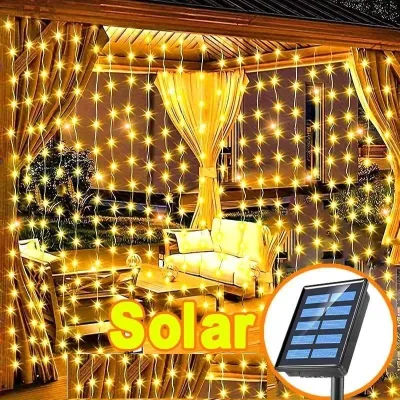
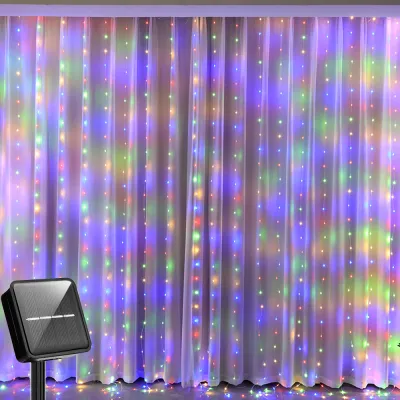
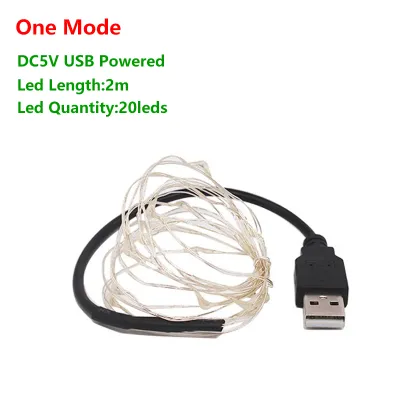
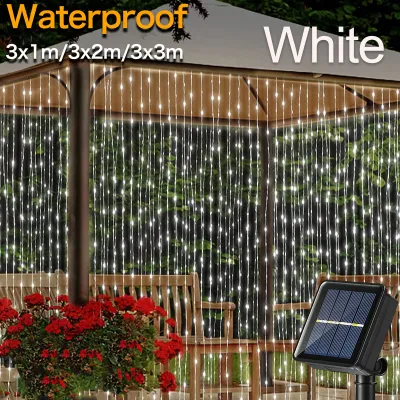
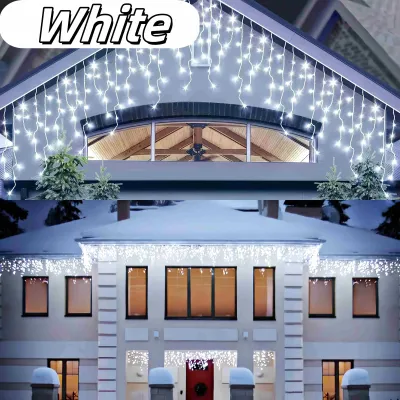
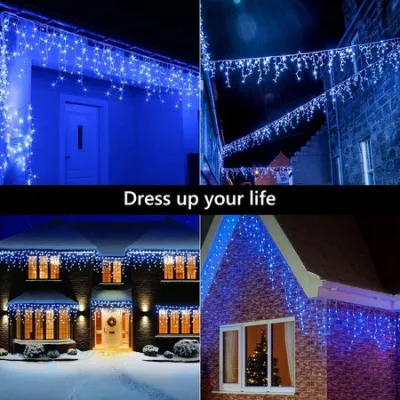
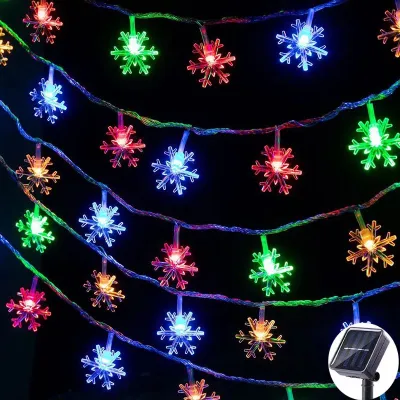
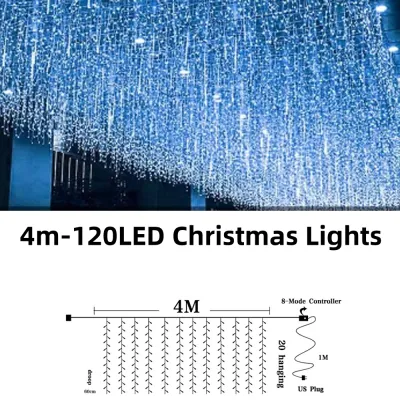
Prices are valid at publication and may change. Please refer to the product page for the latest price.
Why Solar Curtain Lights Work for Condo Christmas Decor
Condo living often requires smart space management, and holiday decorating is no exception. Traditional plug-in holiday lights require proximity to electrical outlets, which frequently leads to unsightly extension cords running across high-traffic floors or behind furniture. For renters and condo owners alike, solar-powered curtain lights solve this dilemma by operating entirely off the grid.

The design of a solar christmas light outdoor curtain system is uniquely suited to modern high-rise living. By mounting the compact solar panel on an exterior balcony railing or securing it to a sunny windowsill, you harness abundant daytime sunlight. Meanwhile, the thin, flexible copper or silver wire strands can drape safely inside your living room or along a covered balcony space. This layout keeps your interior looking clean, organized, and free of cords, which is particularly beneficial during holiday gatherings when floor space is at a premium. Furthermore, utilizing renewable energy aligns perfectly with sustainable living practices, reducing your seasonal electricity footprint.
In tropical climates like the Philippines, where the year-end holiday season is celebrated with great enthusiasm, high-rise condominiums in dense urban areas often feature balconies that face other units or busy streets. Utilizing these outdoor-facing glass surfaces for your lighting display allows you to share the festive cheer with the surrounding neighborhood while maintaining a cozy, private atmosphere inside.
Top Placement Ideas for Solar Christmas Light Outdoor Curtain Sets
Achieving the perfect festive look requires balancing visual impact with the physical requirements of your lighting system. The primary goal is to maximize the visibility of the glowing strands from both inside your home and from the street, while ensuring the solar charging panel receives enough daily light exposure to power the display through the evening.
Balcony Doors and Large Windows
Sliding glass balcony doors and floor-to-ceiling windows serve as the ideal canvas for curtain lights. To install, hang the main horizontal cable of the curtain lights along the top of the window frame or sliding door track. You can secure the line using removable, damage-free adhesive hooks or tension rods designed for window recesses.
Route the leading wire that connects to the solar panel through the side of the door or window frame, ensuring it is not pinched tightly enough to damage the internal copper wiring. Secure the solar panel to the exterior balcony railing or outer window ledge using UV-resistant zip ties or a specialized mounting bracket, angling it upward toward the open sky to capture maximum daylight.
Behind Sheer Curtains for a Soft Glow
For a more intimate, diffused lighting effect in your living room or bedroom, try installing the curtain lights behind a set of sheer curtains. By hanging the light strands directly against the glass pane and pulling the sheer fabric over them, you soften the direct glare of the individual LED bulbs.
This technique creates a dreamy, candle-like glow that makes the entire room feel instantly cozier. When using this method, ensure the connecting cable is routed carefully to the exterior solar panel, keeping the interior wire hidden behind the curtain hem to maintain a polished, seamless look.
Room Dividers and Open Shelving
If your condo has limited window space or features an open-concept layout, you can use curtain lights to define different zones within your home. Draping the strands behind an open bookshelf, along a temporary room divider, or behind your bed’s headboard creates a dramatic focal point.
However, because this setup is situated indoors, it is only viable if the light system features a sufficiently long leading wire. This allows you to position the decorative strands deep inside your living space while routing the solar panel to a highly sunlit window or out onto a nearby balcony.
Styling Techniques to Maximize the Christmas Ambiance
Simply hanging your lights is only the first step; integrating them with your existing holiday decor is what truly elevates the seasonal atmosphere.
Color Temperature Selection
Choosing the right light color is a key design decision. Warm white lights (typically ranging from 2700K to 3000K) offer a classic, cozy ambiance that beautifully complements natural wood furniture, deep red accents, and traditional holiday decor.
If your condo features a highly modern, minimalist, or industrial aesthetic, cool white lights (5000K and above) can provide a clean, snowy effect. Multicolor options are excellent for playful, vibrant themes, particularly in homes with children. Treat these color temperatures as conditional design choices that should match your personal style and existing interior palette.
Layering with Physical Decor
To prevent your curtain lights from looking flat against the glass, layer them with physical holiday elements. Try hanging a lush pine garland along the top of the window frame where the lights are mounted, allowing some of the green needles to interlace with the light strands.
You can also hang lightweight wooden ornaments, pinecones, or a festive holiday wreath directly in front of the illuminated curtain. This layering technique adds physical depth, making your window display look rich and professionally styled both day and night.
Density and Drape Adjustments
The way you arrange the individual vertical strands of your curtain lights can dramatically alter their visual impact. For a dense, dramatic “waterfall” effect, bunch the strands slightly closer together along the top support cable. This works exceptionally well on narrower windows.
If you are trying to cover a wide sliding glass door, spread the strands evenly to create a balanced, starry backdrop. You can also use delicate ribbons to tie back sections of the curtain lights, mimicking the drape of fabric curtains for an elegant, tailored look.
Reflective Surfaces
Maximize the reach of your holiday lighting by strategically placing reflective surfaces nearby. Positioning a large wall mirror opposite your illuminated window will bounce the warm glow deeper into your condo, making the space feel larger and twice as festive.
Additionally, hanging metallic or glass ornaments on your Christmas tree or nearby garlands will catch the light from the curtain strands, creating a sparkling, dynamic environment.
Practical Setup and Safety Tips for Solar Lights
To ensure your holiday display remains safe and functional throughout the season, pay close attention to the technical and structural details of your setup.
Verification of Specifications
Before purchasing or installing any solar curtain lights, verify their technical specifications to ensure compatibility with your condo’s environment. Check the voltage requirements, base or interface types, and wattage limits specified by the manufacturer.
Additionally, confirm the physical dimensions of the light strings to ensure they fit your windows without excess pooling on the floor, and verify whether the system supports dimming if you prefer adjustable brightness levels. Always look for recognized electrical safety certifications on the product packaging to guarantee reliable performance.
Solar Panel Placement
The performance of your solar lights depends entirely on the placement of the photovoltaic panel. In dense urban areas with adjacent high-rises, shadows can block sunlight for significant portions of the day.
Position your panel in a location that receives direct, unobstructed sunlight for at least 6 to 8 hours daily. Avoid placing it under deep balcony overhangs or behind heavily tinted glass windows, as these barriers drastically reduce charging efficiency.
Condo Regulations and Mounting
Before installing any exterior elements, consult your condominium administration or homeowners’ association rules regarding balcony modifications. Many buildings prohibit drilling into exterior walls or hanging items that alter the building’s facade.
To comply with these guidelines and prevent property damage, utilize non-invasive mounting solutions. Heavy-duty suction cups with metal hooks are excellent for securing items to glass, while tension rods can support lightweight strands within window frames. For balcony railings, use removable, UV-resistant zip ties that can be easily cut down after the holidays.
Weatherproofing and Electrical Safety
While many solar curtain lights are rated for outdoor use, you must verify their specific ingress protection (IP) rating. An IP44 rating offers basic splash protection, while an IP65 rating or higher indicates better resistance to heavy rain and tropical humidity. Always check the manufacturer’s instructions for specific environmental limits.
Ensure that the connection point between the light strands and the solar panel lead wire is tightly sealed and protected from direct water pooling. If you are routing wires through windows, ensure the cable is not pinched tightly enough to expose live wires. For any setups involving fixed wiring, damp outdoor areas, or work at height, prioritize safety by isolating the power supply during installation and consulting a qualified professional if needed.
Battery and Charging Care
During periods of heavy overcast or rainy weather, your solar lights may not receive enough energy to run at full brightness or for their standard duration. To conserve battery power, look for models equipped with built-in light sensors that automatically turn the lights on at dusk and off at dawn.
If your model lacks an auto-sensor, make a habit of turning the unit off manually during the day to ensure the rechargeable battery can store maximum power for the evening hours.
Frequently Asked Questions (FAQ)
Can I use outdoor solar curtain lights entirely indoors?
Solar curtain lights require direct sunlight to charge their internal batteries. If you place the solar panel entirely indoors away from a window, the lights will not function. However, you can hang the decorative light strands indoors if you route the leading wire to a solar panel mounted outside on a balcony or positioned directly against a highly sunlit, south- or east-facing window pane.
How long do solar curtain lights stay on at night?
The runtime of solar curtain lights depends on the amount of direct sunlight the panel receives during the day. Under optimal conditions with 6 to 8 hours of direct, unobstructed sunlight, a fully charged high-quality battery will typically power the lights for 6 to 8 hours. This duration is generally more than enough to cover the peak evening hours of your holiday gatherings.
Community discussion
Share your experience or ask a question. Comments are reviewed before publication.