
Transforming a bedroom into a personal sanctuary for rest often begins with shifting how we illuminate the space. Standard overhead lighting can feel clinical and disruptive, especially when trying to wind down after a long, humid day. Integrating a dedicated bedroom night light, such as a sunset projection lamp or a soft mood light, offers a practical way to transition your mind and body from the high-energy demands of the day into a state of deep relaxation. These specialized fixtures cast a warm, low-intensity glow that mimics the natural colors of dusk, helping to establish a calming environment that prepares you for sleep.
Why Sunset and Mood Lamps Work for Bedroom Relaxation
The human body relies heavily on environmental cues to regulate its internal clock, also known as the circadian rhythm. Warm color temperatures, typically ranging from 1500K to 2700K, closely mimic the natural progression of the sun as it sets. This specific shift in the light spectrum signals the brain to begin producing melatonin, the hormone responsible for sleep. In contrast, cool blue light from standard overhead fixtures or mobile screens signals alertness, which can delay this natural transition and make falling asleep more difficult.
Low-glare, diffused lighting also plays a critical role in reducing eye strain and physical tension. Overhead lights often create harsh shadows and direct glare, which can strain the eyes and keep the nervous system in a state of high alert. Diffused mood lamps scatter light evenly across surfaces, reducing contrast and allowing the eyes to relax. This is particularly beneficial in compact living spaces, such as urban condos in the Philippines, where a single room often serves multiple purposes throughout the day and needs a clear visual transition at night.
Products mentioned in this guide
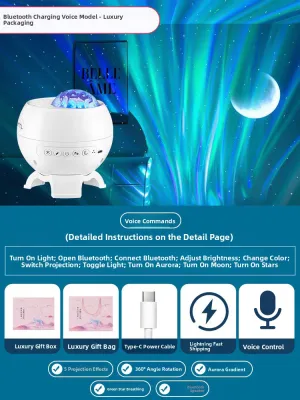
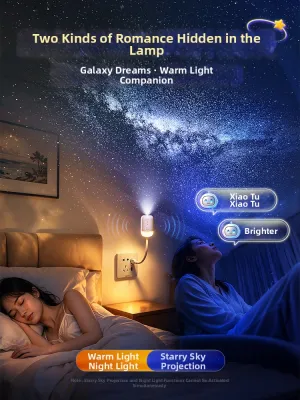
Prices are valid at publication and may change. Please refer to the product page for the latest price.
It is important to distinguish between task lighting and ambient mood lighting when planning your bedroom setup. Task lighting, such as a bright desk lamp or a focused reading light, is designed to illuminate specific activities with high clarity and minimal shadow. Ambient mood lighting, on the other hand, is not meant for reading fine print or performing detailed work. Its sole purpose is to fill the room with a soft, unobtrusive glow that softens the edges of the space, minimizes visual clutter, and fosters a sense of tranquility.
Essential Features to Check Before Buying a Bedroom Night Light
When browsing online marketplaces or local lighting stores, looking closely at the product specifications will help you find a lamp that fits your needs. A versatile bedroom night light should offer adjustable settings, allowing you to switch between warm white, amber, and deep sunset orange or red tones. Stepless dimming is a highly useful feature to look for, as it lets you fine-tune the brightness level to match your sensitivity, ensuring the light is never too intense for a dark room.

Consider how the lamp will be powered and where it will be placed in your bedroom. USB-powered models offer excellent flexibility, allowing you to run them from a bedside wall adapter, a laptop, or even a portable power bank. Direct plug-in models are highly reliable but require proximity to an electrical outlet. Always verify that plug-in models are compatible with the standard 220V electrical grid used in the Philippines, and ensure all cords are routed safely behind furniture to prevent tripping hazards.
Convenience features can significantly enhance your nightly routine. Look for lamps equipped with built-in timers, remote controls, or smart home integration. A timer that automatically shuts the lamp off after 30, 60, or 90 minutes is incredibly convenient, allowing you to fall asleep without worrying about leaving the light on all night. Remote controls or mobile app compatibility let you adjust settings from the comfort of your bed, eliminating the need to get up and disrupt your relaxed state.
Because these lamps may remain on for several hours, safety and build quality are paramount. Check the product description or packaging for clear safety certifications and markings. Look for models with robust heat dissipation designs, such as aluminum housings or ventilated casings. In warm, humid tropical climates, electronic components can heat up more quickly, making proper ventilation essential to prevent overheating and prolong the lifespan of the lamp.
Types of Sunset and Mood Lamps to Consider for Your Space
Sunset projection lamps use a specialized lens to project a vibrant, circular halo of warm light onto walls or ceilings, mimicking a natural sunset. They are excellent for creating a dramatic visual focal point or a beautiful backdrop in your bedroom. However, their performance depends heavily on placement and room conditions. For the best effect, they require a light-colored, matte wall and a dark room; their projection will fade significantly in well-lit spaces or on dark, highly textured surfaces.
Warm-glow table and floor lamps are classic options that fit seamlessly onto bedside tables, shelves, or in corner nooks. These fixtures typically feature fabric, paper, or frosted glass shades that diffuse the light in all directions, eliminating harsh glare. They provide a steady, comforting glow that is ideal for winding down, though they may take up more physical space than compact projection models and require stable surfaces to prevent tipping.
For a modern, minimalist aesthetic, smart LED strips and vertical corner lamps are highly effective. These can be installed behind a headboard, under a bed frame, or along the baseboards to create indirect cove lighting. This technique hides the light source itself, casting a soft glow that reflects off the walls and ceiling. Keep in mind that smart models often require a stable Wi-Fi connection to access their full range of features, which can be a limitation if your bedroom has weak signal coverage.
Each type of lamp has its own set of limitations that you should weigh against your bedroom layout. Projection lamps can sometimes produce a sharp, distracting edge if placed too close to a surface, while paper-shaded table lamps require careful handling to avoid tears. Understanding these trade-offs allows you to select a fixture that complements your space without introducing unnecessary frustration.
How to Position and Set Up Your Lamp for the Best Ambiance
To get the most out of a sunset projection lamp, experiment with the distance and angle relative to your walls. Placing the lamp closer to the wall creates a smaller, sharper circle of light, while moving it further away expands the projection and softens the edges into a gentle halo. Angle the lamp slightly upward to cast the light across the ceiling, which helps distribute the glow more evenly throughout the room without shining directly into your eyes.
For traditional table lamps or mood lights, position them below eye level when you are lying in bed. This prevents you from looking directly at the bulb or the brightest part of the shade, which can cause discomfort and disrupt your transition to sleep. If you use a floor lamp, place it in a corner or behind a piece of furniture to naturally diffuse the light and soften the shadows.
Integrating your mood lighting into a consistent nightly routine can help train your body for sleep. Set a timer or program a smart schedule to turn the lamp on an hour before your intended bedtime, while turning off main overhead lights. As your bedtime approaches, gradually dim the light to its lowest setting, signaling to your body that it is time to transition into sleep mode.
While setting up a plug-and-play bedside lamp is a simple DIY task, more complex lighting projects require caution. If you plan to install permanent indirect lighting, modify your ceiling for recessed fixtures, or alter your bedroom’s fixed electrical wiring, do not attempt to do this yourself. Always isolate the power at the main breaker and consult a qualified professional electrician to ensure the installation complies with local electrical codes and safety standards.
Frequently Asked Questions (FAQ)
Can I leave a sunset lamp on all night while sleeping?
While it may be tempting to leave a soothing sunset lamp on throughout the night, doing so is generally not recommended for optimal sleep hygiene or safety. Continuous light exposure, even in warm tones, can suppress melatonin production and disrupt your deep sleep cycles, leading to a less restful night. Additionally, leaving any electronic device running continuously can lead to heat buildup, especially in humid environments. It is always best to check the manufacturer’s instructions for maximum continuous run times. To enjoy the relaxing benefits safely, utilize a built-in timer or a smart plug to automatically turn the lamp off shortly after you fall asleep.
Do sunset lamps consume a lot of electricity?
Most modern sunset and mood lamps utilize LED technology, which is highly energy-efficient compared to traditional incandescent bulbs. A typical LED mood lamp consumes very little power, often ranging between 5 to 10 watts, meaning its impact on your monthly electricity bill will be minimal even with daily use. To verify the exact power consumption, always check the wattage rating printed on the product label or listed in the technical specifications on the e-commerce platform. USB-powered models are particularly efficient and can even be run off low-voltage sources, making them a cost-effective choice for long-term ambient lighting.

Community discussion
Share your experience or ask a question. Comments are reviewed before publication.