
Finding a sunset or mood lamp that automatically illuminates your living space as night falls can transform a standard room into a warm, inviting sanctuary. While the market is flooded with manual projection lights and app-controlled ambient lamps, finding models with integrated, automatic light sensors requires a keen eye for technical specifications. These specialized lamps utilize light-sensitive components to detect ambient brightness, eliminating the need to manually flip a switch or open a smartphone app every evening. However, because many manufacturers use vague marketing terms, understanding how these sensors operate and how to verify their presence is essential for achieving a seamless, hands-free lighting setup in your home.
By focusing on the underlying technology, physical design, and placement strategies, you can avoid the common pitfalls of automated lighting, such as flickering or failure to trigger. Whether you are looking to enhance a cozy studio condo or add a dramatic wash of color to your living room, this guide will help you navigate the technical details of light-sensing ambient lamps. You will also learn how to implement reliable smart workarounds if your preferred decorative lamp lacks a built-in sensor.
How Automatic Light Sensors Work in Ambient Lighting
To select the right ambient lighting, you must first understand the distinction between basic analog photocells and integrated smart ambient sensors. Most budget-friendly automatic lamps rely on a Light Dependent Resistor (LDR) or photocell. This component experiences a change in electrical resistance based on the amount of light hitting its surface. When ambient light drops below a certain threshold (measured in lux), the resistance changes sufficiently to close the circuit, turning the lamp on. Conversely, when daylight or overhead lighting strikes the sensor, the circuit opens, and the lamp turns off. This is a direct, hardware-based reaction that operates independently of any internet connection or software.
Products mentioned in this guide
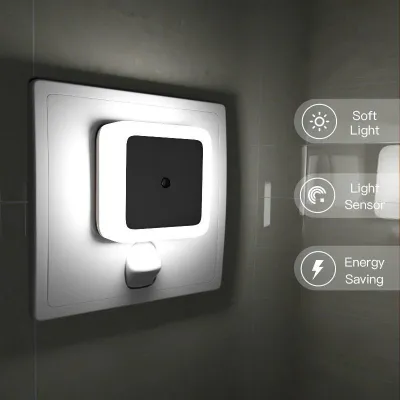
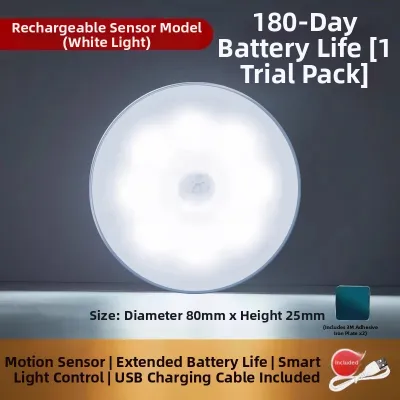
Prices are valid at publication and may change. Please refer to the product page for the latest price.
Smart ambient light sensors, on the other hand, do not directly control the electrical circuit of the lamp. Instead, they act as data collectors within a broader smart home ecosystem. These sensors continuously measure lux levels and transmit this data wirelessly—via protocols like Wi-Fi, Zigbee, or Bluetooth—to a smart home hub or a mobile application. You can then configure automation rules, such as instructing a smart sunset lamp to turn on only when the ambient light drops below a specific lux level during certain hours of the evening. This method offers far greater customization but requires a stable home network and compatible smart devices.
Both systems have inherent limitations that can affect your daily experience. Analog photocells are highly sensitive to sudden shadows, meaning a passing cloud or a person standing in front of the lamp might trigger a brief, unwanted activation. They also suffer from a lack of temporal awareness; they cannot distinguish between a rainy afternoon and actual nightfall. Smart sensors, while more adaptable, can experience latency or delayed response times if your local network is congested or experiencing interference. Understanding these operational differences helps you set realistic expectations for how your mood lighting will behave throughout the day.
Essential Specs to Verify Before Purchasing
When browsing online marketplaces or local lighting shops, you must carefully scrutinize product listings to ensure you are buying a lamp with genuine automatic activation. Many sellers use buzzwords like “smart,” “intelligent,” or “automatic” to describe lamps that merely feature a remote control or a basic timer. To find a true light-sensing lamp, look for explicit terms such as “dusk-to-dawn sensor,” “built-in photocell,” or “photoelectric light sensor.” If a listing only mentions “app control” or “schedule function,” the lamp does not possess a physical light sensor and will rely entirely on your phone’s time settings to turn on and off.

Another critical feature to verify is the presence of a manual override switch or an app-based toggle. There will be times when you want your room to remain completely dark, such as during a movie night or when you are trying to sleep. A lamp with a dedicated physical switch that can disable the sensor allows you to regain manual control without having to unplug the device entirely. For smart-enabled mood lamps, check the companion application’s interface to ensure you can easily enable or disable the automation rules with a single tap.
Power requirements and electrical compatibility are equally vital, especially when setting up lighting in the Philippines, where the standard household voltage is 220V at 60Hz. If you are purchasing a wall-plug mood lamp, verify that the adapter is rated for 220V to prevent overheating or electrical damage. Many modern sunset projection lamps are powered via a USB interface (typically 5V). While USB power is highly convenient, you must ensure your USB wall adapter provides the correct amperage (usually 1A or 2A) specified by the manufacturer. Insufficient power can cause the light sensor to malfunction, lead to flickering, or prevent the projection bulb from reaching its full brightness.
Finally, examine the physical design and placement of the sensor on the lamp body. The sensor must be positioned in a way that allows it to accurately gauge the room’s overall brightness. If the sensor is located too close to the projection lens or is shaded by the lamp’s own housing, it may misinterpret the ambient light levels. Look for product diagrams or user reviews that show the sensor positioned on the exterior base or the top of the lamp head, clear of any physical obstructions or decorative shrouds.
Placement Strategies for Reliable Sensor Activation
Proper placement is the single most important factor in ensuring your automatic mood lamp functions reliably without constant manual intervention. The most common issue users face is an optical feedback loop. This occurs when the lamp turns on in a dark room, and its own projected sunset glow or ambient light reflects off a nearby wall directly back into its sensor. The sensor detects this sudden brightness, assumes it is daytime, and turns the lamp off. Once the lamp turns off, the room becomes dark again, prompting the sensor to turn the lamp back on. This creates a continuous, frustrating flickering cycle. To prevent this, position the lamp so its projection path faces away from the sensor’s field of view, or choose a location where the reflected light is diffused.
You must also shield the sensor from other artificial light sources within the room. If your sunset lamp is placed near a television screen, a computer monitor, or under a bright overhead ceiling light, the glare from these devices can trick the sensor into thinking the room is still fully illuminated, preventing the lamp from turning on at night. Similarly, placing the lamp too close to a window can expose the sensor to streetlights or passing car headlights, causing erratic behavior. Position the lamp in a neutral zone where it can measure the general, ambient darkness of the room rather than direct, localized light beams.
At the same time, avoid tucking the lamp too deeply into dark corners, behind large furniture, or inside shelving units. While these spots might seem ideal for creating dramatic, hidden accent lighting, they can starve the sensor of natural daylight. A sensor hidden behind a sofa or inside a deep bookshelf may remain in perpetual shadow, causing the lamp to stay turned on even during the brightest hours of the day. Aim for a balanced position, such as a side table or a console, where the sensor has an unobstructed line of sight to the room’s natural light entry points while remaining shielded from direct artificial glare.
Smart Alternatives for Lamps Without Built-in Sensors
If you have fallen in love with a specific sunset projection lamp or a decorative mood light that lacks a built-in sensor, you can easily create a custom automatic setup using external smart accessories. The most straightforward workaround is to pair your standard lamp with a smart plug. By plugging the lamp into a smart plug, you can control the power supply directly through a mobile app or link it to an external wireless light sensor. When shopping for smart plugs in the Philippines, ensure the device is certified for local safety standards and can handle the 220V grid. Look for reputable brands that offer overload protection and are compatible with major smart home platforms.
For a more advanced setup, you can integrate a separate, dedicated ambient light sensor into your smart home ecosystem. These small, battery-powered sensors can be placed in the ideal spot in your room—such as near a window to monitor natural daylight—without being restricted by the lamp’s physical location. Through your smart home hub, you can create an automation rule: “If the external sensor detects light levels below 15 lux, turn on the smart plug connected to the sunset lamp.” This completely eliminates the risk of optical feedback loops, as the sensor is located far away from the lamp’s projection path.
Before implementing these smart workarounds, always verify the electrical compatibility and physical switch design of your mood lamp. A smart plug can only turn a lamp on if the lamp features a mechanical, physical “on/off” switch that can be left in the “on” position. If your lamp uses a digital soft-touch button or a remote control to power on, cutting and restoring power via a smart plug will likely leave the lamp in a standby state rather than turning it on. Additionally, ensure that any external adapters or smart plugs you introduce do not exceed the wattage limits of your wall outlets, and always isolate the power supply before making any adjustments to your home’s electrical outlets or fixed wiring setups.
Frequently Asked Questions (FAQ)
Will a sunset lamp's light sensor work if the room is dark during the day?
Yes, a standard dusk-to-dawn light sensor will activate the lamp if the room becomes dark during the day, regardless of the actual time. These sensors are purely reactive to lux levels (the intensity of light hitting the sensor) rather than an internal clock or GPS location. If you close your heavy curtains, draw the blinds, or if a severe tropical storm darkens the sky during the afternoon, the sensor will detect the drop in light and turn the lamp on. If you want to prevent this daytime activation, you will need to use a manual override switch to turn the lamp off, or utilize a smart plug setup where you can program specific operating hours to restrict the lamp from turning on during daytime hours.
How do I clean the light sensor on my mood lamp?
To keep your mood lamp’s light sensor functioning accurately, you should clean it periodically to remove dust, pet dander, and household grime. Always unplug the lamp from the wall outlet or disconnect the USB power source before cleaning to ensure electrical safety. Use a dry, soft microfiber cloth to gently wipe the small sensor lens or window. Avoid using liquid glass cleaners, chemical solvents, or abrasive scrubbing pads, as these can scratch or cloud the delicate plastic lens of the sensor, permanently reducing its sensitivity to light. If there is stubborn dirt, a slightly damp cloth with water only may be used, followed immediately by a dry microfiber cloth to prevent moisture from seeping into the internal housing.

Community discussion
Share your experience or ask a question. Comments are reviewed before publication.