
Quick Answer: Which Bedroom Light Should You Choose?
Selecting the ideal night light for bedroom spaces often comes down to a fundamental choice between aesthetic atmosphere and practical utility. The decision depends entirely on whether you prioritize a visually striking wind-down ritual or safe, low-level navigation during the dark hours. Neither option is universally superior; instead, they serve distinct and complementary roles in a modern sleeping environment.
Sunset lamps project rich, colored gradients that mimic natural twilight, transforming your walls into a canvas of warm oranges, deep reds, and soft purples. They are designed to create a relaxing, meditative mood during the hours before you sleep. In contrast, traditional night lights provide steady, highly diffused illumination that allows you to move safely around the room without triggering the harsh glare of overhead fixtures.
If your goal is to elevate your bedroom design, establish a calming evening routine, or capture beautiful photography, a sunset lamp is the ideal addition. If you require continuous, low-intensity light to navigate pathways, check on family members, or ease a child’s fear of the dark, a standard night light is the more practical choice.
Products mentioned in this guide
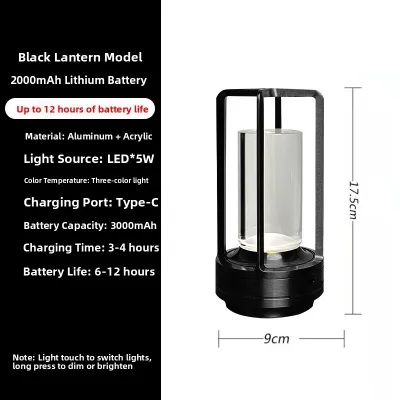
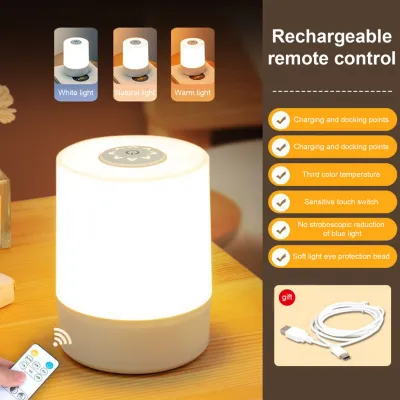
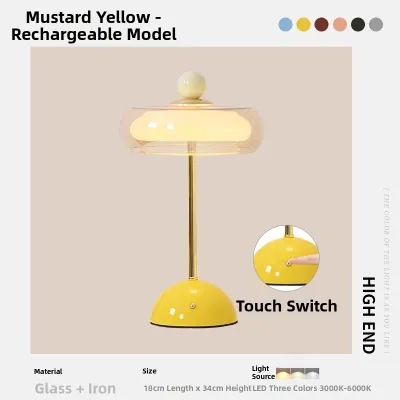
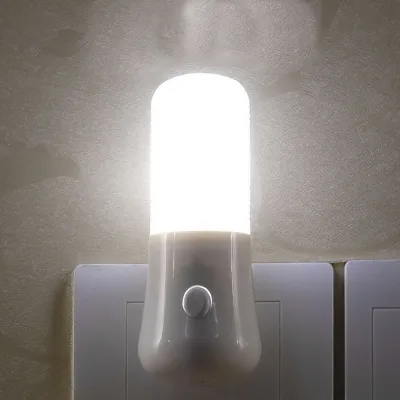
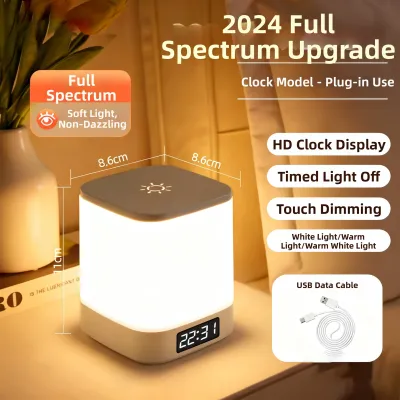
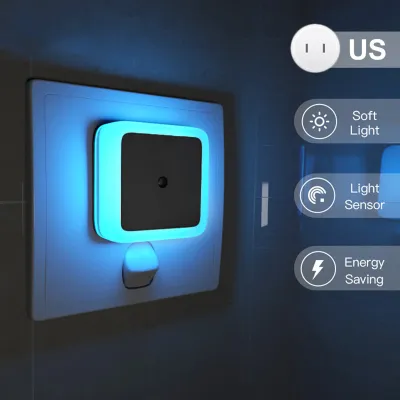
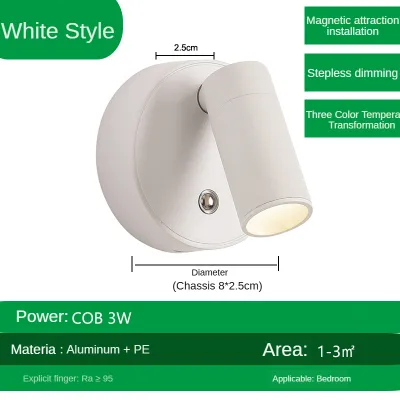
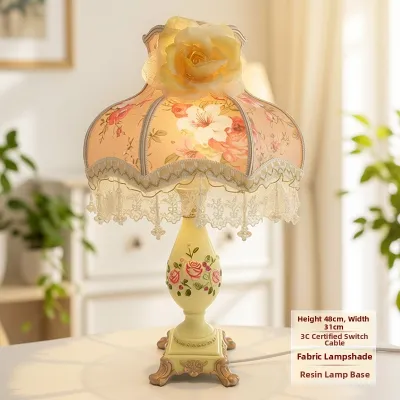
Prices are valid at publication and may change. Please refer to the product page for the latest price.
Core Differences: Ambiance vs. Practical Navigation
Understanding the optical design of these two lighting types reveals why they produce such different environmental effects. A sunset lamp functions essentially as a specialized projector. It utilizes a high-intensity light-emitting diode (LED)—often a Chip-on-Board (COB) or high-power Surface Mounted Device (SMD) chip—positioned behind a thick, spherical convex lens. This optical lens refracts the light rays to project a highly concentrated, circular halo with a bright center and a smoothly blended gradient border. By casting these intense, saturated colors against a flat surface, the lamp creates a dramatic focal point that alters the perceived dimensions and mood of the room.

Conversely, a traditional night light is engineered for maximum light dispersion with minimal intensity. These devices utilize low-lumen LEDs paired with frosted polycarbonate diffusers, textured glass, or indirect baffles that scatter light in all directions. Instead of projecting a focused beam, they cast a soft, uniform glow across the floor and immediate surroundings. The primary engineering goal of a night light is to eliminate dark spots and sharp shadows, providing just enough visibility to identify obstacles without stimulating your eyes or disrupting your state of rest.
These optical differences directly dictate how each light influences your bedroom experience. Sunset lamps act as psychological and decorative styling tools, helping you transition mentally from the high-stress demands of the day to a state of evening relaxation. Traditional night lights serve as vital safety and utility tools, ensuring you can navigate the room without tripping over stray items, furniture corners, or pets.
In tropical environments like the Philippines, where high humidity can affect electronic components, the physical build of these devices is also worth noting. Sunset lamps often feature heavier aluminum or metal alloy housings to dissipate the heat generated by their high-power LEDs. Traditional night lights are typically constructed from lightweight, flame-retardant plastics designed to remain plugged into wall outlets indefinitely without generating noticeable heat.
Key Comparison Dimensions for Bedroom Use
Before choosing a lighting fixture, it is essential to evaluate several technical and practical dimensions that directly impact daily performance. Relying solely on promotional images can lead to purchasing a light that is either too bright for comfortable sleep or too weak to project effectively. Looking closely at manufacturer specifications on the packaging or product labels ensures you select a device that aligns with your bedroom layout and electrical system.
Light Quality, Color Temperature, and Sleep Impact
The color spectrum of your bedroom lighting plays a critical role in regulating your circadian rhythm. Sunset lamps excel at producing deep red, orange, and amber wavelengths, which naturally mimic the setting sun. From a psychological standpoint, these warm tones signal the brain that the day is ending, helping to facilitate a natural wind-down process. However, because sunset lamps rely on focused projection lenses, looking directly into the beam can cause significant glare and eye strain. The intense brightness at the center of the halo can actually be stimulating rather than relaxing if the lamp is positioned incorrectly.
Traditional night lights are engineered specifically to avoid this issue. They generally feature very low lumen outputs—typically between 5 and 50 lumens—and offer color temperatures in the warm-white (2700K) or soft-amber (under 2000K) range. This low-intensity, diffused output provides sufficient visibility for movement while keeping blue light emissions to an absolute minimum, thereby protecting your body’s natural melatonin production.
To maintain optimal sleep hygiene, check the product specifications for both lumen output and color temperature. It is highly recommended to place both sunset lamps and night lights out of your direct line of sight while lying in bed. Positioning the light source low to the ground or reflecting it off a distant wall prevents the point-source glare from interrupting your sleep cycles.
Placement, Space, and Power Requirements
Spatial dynamics and physical placement requirements differ significantly between these two lighting options. A sunset lamp requires a dedicated projection distance—typically between 1.5 and 3 meters—to create a clear, well-defined halo effect. It also needs a relatively large, unobstructed, light-colored wall or ceiling area to act as a screen. In compact living spaces, such as metropolitan Manila condominiums, finding a blank wall free of furniture, artwork, or shelving can be a practical challenge. If placed too close to a surface, the projection loses its gradient beauty and becomes a small, intensely bright spot.
Traditional night lights offer far greater placement flexibility due to their compact footprints. Most models are designed to plug directly into standard wall outlets, requiring zero floor or table space. Others are battery-operated or rechargeable via USB, allowing you to place them inside closets, along dark hallways, or directly on bedside tables. They do not require empty wall space to function effectively, as their primary goal is to illuminate the immediate floor area.
Electrical compatibility is another crucial factor to verify before purchase. In the Philippines, the standard household electrical supply is 220V at 60Hz. Many sunset lamps are powered via a 5V USB connection, which requires a compatible USB wall adapter. If you purchase a model with a direct wall plug, ensure the label explicitly states compatibility with 220V input to avoid electrical shorts or damage. For traditional plug-in night lights, verify that the prong configuration matches your wall outlets (typically Type A or Type B) and look for local safety certifications, such as the Philippine Standard (PS) mark or the Import Commodity Clearance (ICC) sticker, to ensure the device meets national electrical safety standards.
Ideal Scenarios for a Sunset Lamp
A sunset lamp shines brightest in scenarios where visual aesthetics, mood curation, and active relaxation are the primary goals. If you enjoy dedicating the final hours of your evening to reading, journaling, or practicing mindfulness, the rich, warm glow of a sunset projection creates an inviting, sanctuary-like atmosphere. The deep colors help visually separate your evening wind-down time from the bright, white utility lighting used during your daytime work hours.
This type of lighting is also highly favored by creative individuals who use their bedrooms as multi-purpose spaces. The dramatic gradients serve as an excellent backdrop for portrait photography, video content creation, or highlighting architectural features in your room. It allows you to quickly alter the color palette of your space—shifting from a fiery orange to a deep, moody purple—without painting walls or buying expensive decorative items.
However, it is important to understand the operational reality of owning a sunset lamp. Because they project a focused, relatively bright beam of light, they are generally not suitable to leave on throughout the night. The high contrast between the bright projection halo and the dark corners of the room can create deep, disorienting shadows. Most users find it best to enjoy the sunset lamp for one to two hours before bed, turning it off completely when it is time to sleep.
Ideal Scenarios for a Traditional Night Light for Bedroom
A traditional night light for bedroom spaces is the superior option when continuous safety, utility, and automated convenience are your primary concerns. For households with young children who are comforted by a gentle, reassuring glow, a standard night light provides a consistent visual anchor throughout the night. It offers enough visibility to ease bedtime anxieties without keeping the child awake.
Adults who frequently wake up during the night also benefit immensely from the low-profile illumination of a traditional night light. Whether you need to navigate a dark hallway to the bathroom, reach for a glass of water, or check on a sleeping infant, a night light illuminates your path clearly. This prevents painful stumbles over bedside tables or slippers while keeping your brain in a semi-relaxed state, making it much easier to fall back asleep once you return to bed.
Furthermore, traditional night lights excel in energy efficiency and low-maintenance operation. Many modern models feature integrated dusk-to-dawn photocell sensors that automatically turn the light on when the room darkens and off when the sun rises. Others utilize passive infrared (PIR) motion sensors, illuminating only when they detect movement within a specific range. This “set-and-forget” functionality ensures your pathways are lit only when necessary, keeping electricity consumption exceptionally low.
Decision Framework: How to Make Your Final Choice
To determine which lighting option best fits your bedroom, consider your primary goals, spatial limitations, and daily habits. Use the following conditional guidelines to guide your purchase:
- Choose a Sunset Lamp if: Your primary goal is to create a dramatic, visually warm aesthetic for evening relaxation, you have a clear, light-colored wall space of at least two square meters for projection, and you plan to turn the light off before falling asleep.
- Choose a Traditional Night Light if: You require continuous, low-level illumination to safely navigate your bedroom or hallway during the night, you prefer automated features like light or motion sensors, or you have limited wall space and need a compact, plug-and-play solution.
- Consider Using Both if: You want to enjoy the rich, atmospheric beauty of a sunset projection while winding down with a book, but still require a safe, automated path light to guide you if you wake up in the middle of the night.
Before finalizing your purchase, always verify the technical specifications of your chosen device. If you are integrating the light into an existing smart home system, ensure compatibility with your smart plugs or home assistants. If you are sensitive to light while sleeping, prioritize models with adjustable dimmer switches or those that allow you to verify the exact lumen and Kelvin ratings on the manufacturer’s label. Taking these steps guarantees a safer, more comfortable, and highly personalized bedroom environment.
Frequently Asked Questions (FAQ)
Can I use a sunset lamp as my only light source at night?
No, sunset lamps are not designed to serve as primary light sources or safe navigation lights. Because they project a highly focused beam through an optical lens, they create high-contrast areas with deep, dark shadows across the rest of the room. This uneven distribution of light makes it difficult to see low-lying obstacles on the floor, increasing the risk of tripping if used as the sole light source for moving around in the dark.
Do sunset lamps consume more electricity than regular night lights?
Yes, sunset lamps generally consume more electricity than standard night lights, though both are relatively efficient compared to main overhead lighting. Sunset lamps typically use high-power LEDs rated between 5W and 10W to project their intense gradients. Traditional LED night lights, especially those with automatic sensors, usually operate at a mere 0.5W to 2W. Always check the exact wattage rating on the product packaging to understand your device’s specific energy draw.
Are sunset lamps safe to leave on all night while sleeping?
It is not recommended to leave a sunset lamp running continuously all night. While quality LED models are designed to dissipate heat safely, the focused brightness and saturated colors can disrupt your sleep quality and natural circadian rhythm. Additionally, operating high-power projection LEDs for extended periods in warm, humid tropical climates can shorten the lifespan of the internal driver. For overnight safety, rely on a dedicated low-lumen night light instead.
Community discussion
Share your experience or ask a question. Comments are reviewed before publication.