
Choosing between a bedside reading lamp and a living room ambient lamp comes down to balancing focused task illumination with soft, diffused background light. While a reading lamp must deliver clear, glare-free light directly onto your pages to prevent eye strain, an ambient living room lamp needs to scatter a gentle glow that softens shadows and makes the space feel welcoming. Selecting the right fixture requires looking beyond aesthetics to evaluate specific technical features like shade opacity, bulb compatibility, and physical proportions.
Essential Characteristics for Bedside Reading Lamps
Bedside reading is a focused task requiring a dedicated light source to prevent eye strain. The primary goal of a bedside reading lamp is to illuminate your reading material clearly without flooding the entire bedroom with bright light, which could disturb a sleeping partner. To achieve this, look for lamps that offer a focused beam angle or feature directional shades, such as adjustable metal cones or narrow drum designs, which channel the light downward onto your book or tablet.
In addition to directionality, the color quality of the light plays a significant role in visual comfort. Neutral or slightly cooler color tones, typically ranging from 3000K to 4000K, provide excellent contrast for printed text, making words easier to read. Glare reduction is another critical factor; the lamp’s physical design must shield your eyes from direct exposure to the bulb. Ensuring the bottom of the shade sits at or slightly below your eye level when sitting up in bed prevents harsh glare from interfering with your reading experience.
Products mentioned in this guide

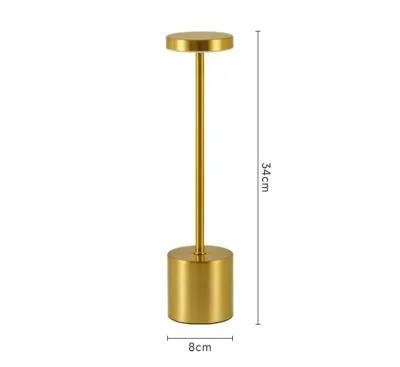
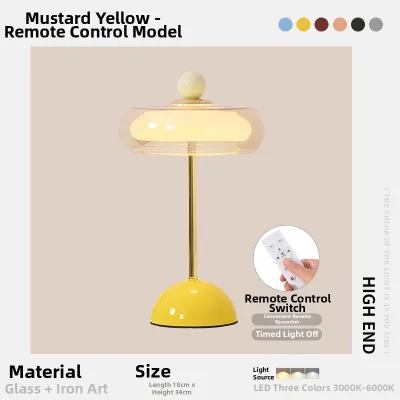
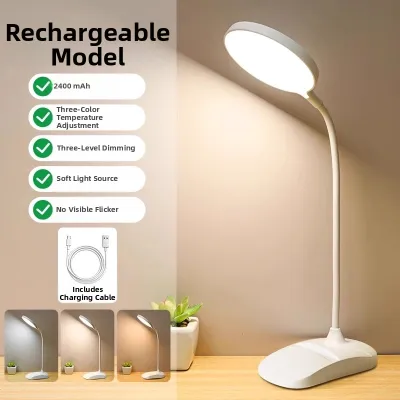
Prices are valid at publication and may change. Please refer to the product page for the latest price.
Essential Characteristics for Living Room Ambient Lamps
In contrast to task-oriented bedside lighting, living room lamps are primarily used to create a warm, layered, and relaxing atmosphere. Ambient lighting relies on soft, diffused light distribution to eliminate harsh shadows and make a room feel more spacious and inviting. To achieve this effect, choose lamps with translucent or fabric shades, such as those made of linen, cotton, or paper, which allow light to filter gently through the sides of the shade as well as the top and bottom.

Color temperature is equally important for establishing a cozy living room environment. Warmer color tones, specifically between 2700K and 3000K, mimic the gentle glow of sunset, which helps signal to your body that it is time to relax. Beyond their functional light output, living room table lamps serve as decorative accents that complement your interior design. A beautifully crafted ceramic, glass, or wooden lamp base adds texture and visual interest to side tables, consoles, or shelves, even during the daytime when the lamp is turned off.
Comparing Key Lamp Features by Scenario
To help you select the ideal fixture, it is helpful to compare how specific physical and technical lamp attributes perform in both bedroom and living room settings.
Brightness and Light Distribution
When shopping for a table lamp, always check the packaging labels for brightness indicators, which are measured in lumens rather than watts. For close-up bedside reading, a bulb emitting 400 to 800 lumens is generally recommended to provide sufficient clarity for text. For living room ambient lighting, a lower output of 200 to 400 lumens per lamp is often ideal, especially when you have multiple light sources scattered throughout the room to create a balanced, layered effect.
The material and opacity of the lampshade also dictate how this brightness is distributed. Opaque shades made of metal, thick paper, or dark fabrics block light from passing through the sides, forcing it to escape only through the top and bottom to create dramatic pools of light. This is excellent for focused reading. Translucent shades, on the other hand, allow light to glow through the fabric, spreading a soft, even illumination across a wider radius, which is perfect for general living room ambiance.
Color Temperature and Bulb Compatibility
Understanding color temperature designations on manufacturer labels is essential for setting the right mood. Light color is measured in Kelvin (K); lower numbers indicate warmer, yellow-toned light, while higher numbers represent cooler, blue-toned light. For a relaxing living room, look for bulbs labeled “warm white” (2700K to 3000K). For bedside reading, a “neutral white” bulb (around 3500K to 4000K) offers a crisp, clean light that enhances text contrast, though some readers prefer a warm white bulb to avoid disrupting their sleep cycle.
Before purchasing any bulb, verify that the lamp’s base and socket are compatible with the bulb type you intend to use. Most standard table lamps use an E27 screw base, but some smaller decorative lamps may require an E14 base. Additionally, always check the maximum wattage limit printed on the socket label (such as “Max 40W”). Exceeding this limit can cause heat buildup and damage the lamp. Choosing energy-efficient LED bulbs is highly recommended, as they produce minimal heat and consume significantly less power.
Shade Style, Material, and Proportions
The shape of a lampshade determines both its aesthetic appeal and how it directs light. Drum shades, which are cylindrical, cast equal amounts of light upward and downward, offering a balanced look suitable for both bedrooms and living rooms. Empire shades, which flare out at the bottom, direct a wider pool of light downward, making them highly effective for reading tables. Directional or task shades, often found on desk lamps, can be tilted or swiveled to focus light precisely where you need it.
Proportions are equally vital for maintaining visual balance and functionality. A bedside lamp should be scaled to fit your nightstand without crowding other essentials. Generally, the lamp height should be proportional to the height of your headboard. In the living room, table lamps placed on end tables or console tables can be taller and feature wider shades to ensure the light spreads across seating areas and aligns beautifully with the scale of larger living room furniture.
Cross-Scenario Compatibility: Can One Lamp Do Both?
If you have a multi-functional space or simply want a versatile lighting solution, you might wonder if a single table lamp can serve both reading and ambient purposes. The answer is yes, provided you look for fixtures with adjustable features. Lamps equipped with built-in dimmers or those compatible with three-way LED bulbs allow you to easily switch from a bright, focused reading light to a low, gentle glow for relaxing.
Another option is to choose a lamp with an adjustable color temperature setting or a flexible gooseneck arm. This allows you to direct the light precisely onto your book when reading, and then point it toward a wall or ceiling to create indirect, ambient light when you want to soften the room’s atmosphere. However, keep in mind that multi-purpose lamps often involve aesthetic compromises. An industrial-style metal desk lamp with an adjustable arm might offer perfect reading light, but it may not provide the soft, decorative warmth you want for a cozy living room.
Safety and Placement Checks for Table Lamps
Before finalizing your purchase and setting up your new table lamp, it is crucial to perform a few basic safety and placement checks. First, verify that the lamp is compatible with your home’s electrical system. In the Philippines, the standard voltage is 220V at 60Hz, so ensure the lamp and its bulb are rated accordingly to prevent electrical malfunctions. Inspect the power cord and plug for any signs of damage, and ensure the plug fits securely into your wall outlet without relying on loose or unstable adapters.
Physical stability is another important consideration, especially in busy households. Look for lamps with weighted, sturdy bases that will not easily tip over if bumped. This is particularly important on narrow bedside tables or on living room side tables located near high-traffic walkways where children or pets might play. Finally, practice proper heat management by keeping heat-generating bulbs away from flammable materials like fabric shades, curtains, or bedding. Opting for cool-running LED bulbs is a simple way to minimize fire hazards and keep your home safe.
Frequently Asked Questions (FAQ)
How do I measure the right table lamp height for my nightstand?
To find the ideal lamp height, sit up in your bed as you normally would when reading. Measure the vertical distance from the top of your mattress to your eye level. The bottom of the lampshade should align with or sit slightly below this eye-level measurement. This specific placement ensures that the shade blocks the direct glare of the bulb from hitting your eyes, while still allowing the light to cast downward onto your reading material.
Are smart table lamps worth the investment for bedroom use?
Smart table lamps or smart bulbs offer excellent convenience for bedroom settings, allowing you to adjust brightness and color temperature directly from your smartphone or through voice commands without getting out of bed. They also offer scheduling features to help you wind down at night or wake up gently. However, they do require a stable home Wi-Fi network to function, carry a higher initial cost, and may require navigating mobile apps, which might not suit users who prefer simple, tactile switches.
Community discussion
Share your experience or ask a question. Comments are reviewed before publication.