
Choosing the right tangled lantern lamp depends on balancing the intimate, restful needs of your bedroom with the dynamic, social functions of your living room. In the bedroom, a tangled lantern lamp with a dense, organic weave—such as rattan or fine wire—paired with a very warm light source creates a soft, glare-free glow that prepares your mind for sleep. For the living room, a larger, more open-weave metal or acrylic design serves as a striking visual anchor, casting dramatic shadow patterns that add depth to social spaces when layered with your primary lighting. By matching the weave density, material, and color temperature to the specific physical and psychological demands of each room, you can transform these sculptural fixtures from simple light sources into essential design elements.
Decoding Tangled Lantern Lamp Designs and Light Warmth
Tangled lantern lamps are defined by their intricate, overlapping outer structures, which act as physical filters for light. The material of this tangled frame dictates how light behaves as it exits the fixture. For instance, natural rattan or woven bamboo absorbs a portion of the light, casting soft, organic shadows with muted edges that feel warm and earthy. In contrast, thin metal wires reflect and split the light, creating sharp, geometric patterns across your walls and ceiling. Acrylic or synthetic tangled fibers tend to diffuse light more evenly, offering a modern, glow-like effect with fewer distinct shadow lines.
The color temperature of the bulb you place inside these intricate frames is equally critical to the room’s atmosphere. Color temperature is measured in Kelvin (K), and it directly influences how we perceive a space. Cool white light (typically 4000K to 5000K) mimics daylight, promoting alertness and making colors appear crisp, but it can make the complex shadows of a tangled lamp feel harsh or clinical. Warm white light (ranging from 2700K to 3000K) emits a gentle, golden hue that softens the cast shadows, making the room feel cozy, inviting, and visually relaxed.
Products mentioned in this guide
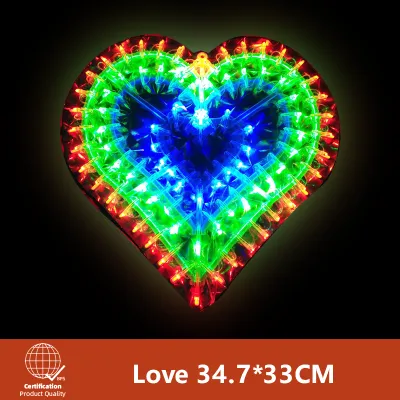
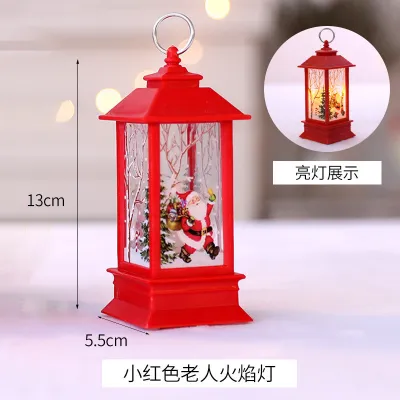
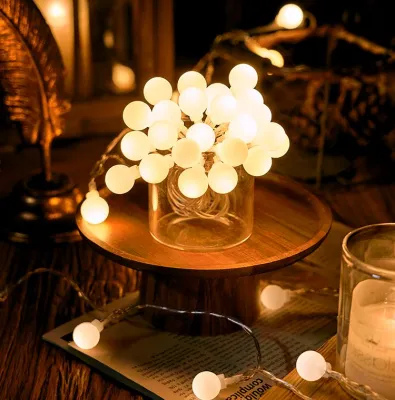
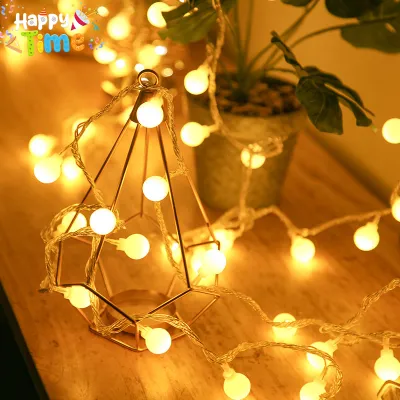

Prices are valid at publication and may change. Please refer to the product page for the latest price.
Visual proportion and placement also dictate how these lamps interact with your interior architecture. A large, suspended tangled lantern requires sufficient vertical clearance to prevent it from dominating the room or casting overwhelming shadows at eye level. Tabletop versions, on the other hand, offer localized pools of light and are easier to position near seating or bedsides. When selecting a lamp, consider how its physical footprint and the reach of its shadow patterns align with the scale of your furniture and the height of your ceilings.
Bedroom Ambiance: Selecting Styles for Rest and Intimacy
The bedroom is a sanctuary dedicated to rest, recovery, and wind-down routines, meaning the lighting must support your circadian rhythm. To prevent sleep disruption, prioritize low color temperatures between 2700K and 3000K. This warm, golden light mimics the natural sunset, signaling to your body that it is time to relax. Pair this warmth with a tangled lantern design that features a dense weave or an inner diffuser; this ensures that the bare bulb is never directly visible, eliminating harsh glare when you are lying down.

Positioning is key to maintaining a calm, uncluttered bedroom environment. Placing compact, tabletop tangled lamps on nightstands provides a gentle bedside glow perfect for reading. If you prefer a suspended look, hang low-profile pendants in the corners of the room or slightly offset from the bed to avoid a heavy, oppressive feeling directly overhead. Ensure the scale of the lamp matches your bedside table or corner space, leaving plenty of room for daily essentials without crowding the area.
Integrating dimmable features or smart bulbs into your bedroom tangled lantern allows you to adjust the light levels to match your evening progression. You can lower the brightness as bedtime approaches, transitioning from a functional reading light to a faint, amber nightlight. When installing smart bulbs, verify that the bulb’s wireless protocol is compatible with your home network and that the physical dimensions of the bulb fit comfortably within the tangled frame without touching the outer material.
Safety must remain a primary consideration when placing decorative lighting near sleeping areas. Tangled lamps made of natural materials like rattan or paper can be sensitive to heat, so it is vital to check the manufacturer’s maximum wattage rating and use cool-operating LED bulbs. Maintain a safe clearance of at least 30 centimeters between the lamp and any flammable materials, such as bedding, curtains, or mosquito nets. Regularly inspect the power cord for any signs of wear, especially if it runs behind heavy bedroom furniture.
Living Room Ambiance: Balancing Focal Points and Cozy Corners
In the living room, lighting must adapt to a variety of activities, from hosting lively social gatherings to enjoying quiet movie nights. A tangled lantern lamp in this space can serve as a stunning visual anchor that coordinates with your existing decor. For modern or industrial living rooms, a matte black or brass metal wire tangled lantern adds a sleek, sculptural element. If your aesthetic leans bohemian or coastal, a natural rattan or seagrass tangled lantern introduces organic texture that complements wooden furniture and indoor plants.
Achieving the perfect living room ambiance requires layering your light sources rather than relying on a single fixture. Use your tangled lantern lamp as an ambient or accent layer alongside your primary ceiling downlights or track lighting. When entertaining, you can turn on all light sources for a bright, energetic feel; during quieter evenings, turning off the main ceiling lights and leaving only the tangled lantern creates a cozy, intimate atmosphere characterized by beautiful, dancing shadow patterns on the walls.
The scale of your living room should dictate the size and arrangement of your tangled lamps. For spacious, open-plan living areas, a cluster of multi-sized suspended tangled lanterns can define a dining or seating zone, creating a dramatic focal point. In compact condominium living rooms common in urban areas of the Philippines, a single, medium-sized tabletop lantern placed on a side table or a slim floor-standing model tucked into a corner provides the desired ambiance without consuming valuable floor space or overwhelming the room visually.
Before purchasing any electrical fixture, always verify its technical specifications to ensure compatibility with local infrastructure. In the Philippines, the standard household voltage is 220V at 60Hz. Ensure the lamp’s plug type matches your wall outlets (typically Type A or Type B flat-prong plugs) and confirm that the power cord is long enough to reach your outlet safely without stretching across high-traffic walkways, which poses a tripping hazard. Look for recognized electrical safety certifications on the product label to guarantee safe operation under local conditions.
Pre-Purchase and Installation Safety Checklist
Before finalizing your purchase, consider the long-term versatility of the tangled lantern lamp. Selecting a neutral design—such as a simple geometric wire frame or a classic light-toned rattan—allows you to easily relocate the fixture between the bedroom and the living room as your styling preferences change over time. This flexibility ensures your investment continues to provide value even if you redecorate or move to a new home.
Conduct a thorough physical inspection of the lamp before installation. Check that the tangled frame is structurally sound, with no loose wires or splintered fibers that could snag fabrics or cause injury. Verify the maximum wattage limit printed on the socket label; exceeding this limit can lead to overheating and damage the fixture. Inspect the cord insulation for any cuts or exposed wires, and ensure the switch operates smoothly without flickering.
While tabletop and plug-in floor lamps are simple to set up yourself, suspended or hardwired fixtures require a higher level of caution. If your installation involves mounting a heavy tangled lantern to the ceiling, drilling into concrete slabs, or connecting wires directly to your home’s electrical junction box, stop and consult a qualified professional. Always isolate the power at the main circuit breaker before attempting any electrical work, and follow the manufacturer’s installation instructions precisely to ensure a secure, code-compliant setup.
Frequently Asked Questions (FAQ)
How do I clean a tangled wire or rattan lantern lamp without damaging it?
To clean your tangled lantern lamp safely, always begin by unplugging the fixture from the wall outlet and allowing the bulb to cool completely. Because of the intricate, overlapping design of tangled frames, dust tends to accumulate in hard-to-reach crevices. Use a soft-bristled brush, a clean makeup brush, or a dry microfiber cloth to gently sweep away dust from the outer and inner structures. Avoid using liquid cleaners, wet wipes, or harsh chemical sprays, as moisture can cause metal wires to rust, weaken natural rattan fibers, or damage the internal electrical components. If the lamp has heavy buildup, refer to the manufacturer’s product manual for material-specific care instructions, or contact a professional cleaning service.
Can I use an indoor tangled lantern lamp outdoors or on a balcony?
Indoor tangled lantern lamps should not be used outdoors or on open balconies unless they are explicitly rated for outdoor use by the manufacturer. Check the product label for an Ingress Protection (IP) rating; indoor fixtures typically lack the necessary sealing to protect against moisture, dust, and insects. Exposing an indoor lamp to high humidity, wind, rain, or direct tropical sunlight can cause rapid material degradation, short circuits, or electrical shock hazards. If you wish to illuminate a semi-outdoor balcony, ensure you select a lamp specifically certified with an appropriate outdoor IP rating (such as IP44 or higher), and route the power supply through a weather-protected, ground-fault circuit interrupter (GFCI) outlet to maintain safety.
Community discussion
Share your experience or ask a question. Comments are reviewed before publication.