
Selecting a lucky charm for business is more than just placing a decorative piece at your storefront; it is about harmonizing traditional symbolism with practical commercial design. In business, first impressions dictate customer traffic, and a well-curated outdoor entrance serves as the physical gateway for both patrons and prosperity. By integrating specific garden ornaments and planters—such as guardian statues, flowing water fountains, and auspiciously styled plant pots—you can create an inviting atmosphere that aligns with traditional wealth-attracting principles.
The most effective business lucky charms seamlessly blend cultural heritage with functional landscape architecture. In tropical environments like the Philippines, where outdoor decor must endure intense sunlight, high humidity, and heavy seasonal downpours, choosing the right materials is just as critical as selecting the right symbol. A faded, cracked, or poorly maintained ornament can inadvertently signal neglect, which defeats the purpose of attracting positive energy and customer trust.
How to Choose a Lucky Charm for Business: Garden Ornaments and Planters
Integrating traditional beliefs like Feng Shui into your business landscape requires a thoughtful balance between cultural symbolism and professional aesthetics. Your storefront or commercial garden is a direct extension of your brand identity, meaning any lucky charm you display must look intentional rather than cluttered. A harmonious design captivates passersby, naturally drawing them toward your entrance while establishing a sense of stability and success.
Products mentioned in this guide
Prices are valid at publication and may change. Please refer to the product page for the latest price.
To achieve this balance, every ornament and planter must be evaluated through a dual lens of symbolic alignment and physical durability. A charm that carries deep traditional meaning is of little use if it deteriorates after a few weeks of exposure to the elements. Business owners should prioritize items that complement the architectural style of their building while standing up to the local climate.
Four core dimensions should guide your selection process: symbolic intent, material weather resistance, scale, and maintenance requirements. The symbolic intent ensures the item aligns with your specific goals, whether that is attracting new clients, protecting existing wealth, or fostering steady growth. Material resistance determines how well the item handles intense UV rays and moisture, which prevents premature wear.
Scale is equally vital; an ornament must be proportionate to your entrance or garden space to maintain visual harmony. A statue that is too small will go unnoticed, while an oversized piece can block the natural flow of foot traffic and intimidate customers. Finally, ease of maintenance ensures your staff can keep the display pristine without disrupting daily business operations, preserving both the aesthetic appeal and the positive energy of the space.
Traditional Animal Statues for Wealth and Protection
Animal figures have long held a prominent place in commercial folklore, serving as symbolic guardians of prosperity and shields against negative energy. When placed strategically around your business entrance or garden, these statues act as visual anchors that signal security, ambition, and welcoming hospitality.

Pixiu and Guardian Lions (Foo Dogs)
Mythical beasts play a vital role in safeguarding business assets and ensuring that wealth, once attracted, does not slip away. The Pixiu, a mythical creature known for its insatiable appetite for gold and silver, is traditionally revered as a powerful wealth accumulator that prevents financial leaks. Guardian Lions, commonly referred to as Foo Dogs, represent protection, authority, and the deflection of harmful energy away from your commercial premises.
To maximize their traditional benefits, these statues must be positioned according to established placement rules. Guardian Lions should always be displayed in pairs—a male holding a globe under his paw on the right side of the entrance (looking out), and a female holding a cub on the left. They must always face outward, looking away from the building, to actively guard the entryway and filter the energy entering your shop or office.
Given the outdoor exposure, prioritizing heavy materials is essential for maintaining both structural safety and symbolic stability. In regions prone to sudden tropical storms and high winds, lightweight plastic statues can easily tip over, which is traditionally viewed as a sign of vulnerability and physically presents a tripping hazard. Opt for heavy cast stone, concrete, or dense, high-grade polyresin to ensure your guardians remain firmly anchored to the ground.
Elephants and Dragons
For businesses aiming for long-term growth and market leadership, elephants and dragons offer symbols of strength, wisdom, and powerful energy. An elephant statue with its trunk raised high represents the showering of good fortune, wisdom, and resilience in the face of market challenges. Dragons, on the other hand, embody strong yang energy, representing ambition, rapid success, and the courage to pursue large-scale business ventures.
Integrating these powerful symbols requires careful attention to proportion and customer comfort. A massive, aggressive-looking dragon statue placed directly in a narrow walkway can feel imposing or even hostile to approaching clients. The goal is to command respect and project stability without overwhelming the physical path or creating an intimidating atmosphere.
Position these statues slightly offset from the main pathway, nestled within garden beds or flanking the outer edges of your courtyard. This placement allows the energy of the symbol to radiate throughout the space while keeping the physical walkway completely clear. Ensure the scale of the statue matches the height of your entrance plants to create a balanced, cohesive outdoor layout.
Money Toads (Jin Chan) and Lucky Cats (Maneki-neko)
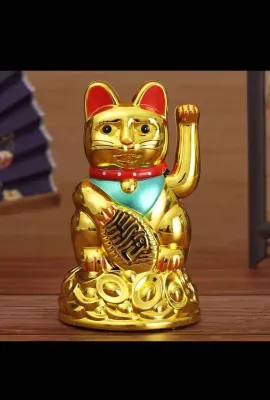
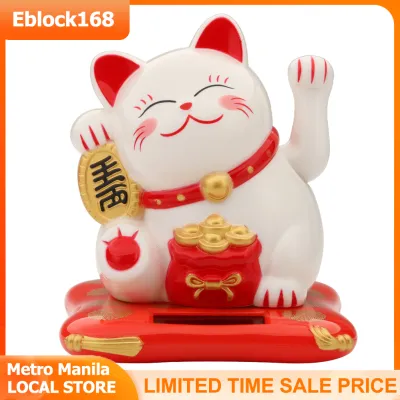
For retail shops, cafes, and hospitality venues, more approachable and friendly charms are often preferred to cultivate a warm, inviting vibe. The three-legged Money Toad, or Jin Chan, is a classic symbol of prosperity, traditionally depicted sitting atop a pile of coins with a coin in its mouth. The Lucky Cat, or Maneki-neko, with its raised, beckoning paw, is a universally recognized symbol designed to draw customers inside.
Proper placement is critical to unlocking the symbolic power of these smaller ornaments. Unlike guardian lions that face outward, the Money Toad should be positioned near the entrance but facing diagonally inward. This directional placement symbolizes the toad carrying wealth into your establishment, rather than letting it escape out the door.
Because these items are often placed near eye-level or close to the ground where customers walk, material quality is paramount. Avoid cheap, indoor-grade plastics that quickly yellow, crack, or peel under intense tropical sun and rain. Instead, seek out heavy glazed ceramics, UV-resistant polyresin, or carved stone variants specifically rated for exterior use to maintain a professional, high-quality appearance.
Water Features and Fountains for Flowing Prosperity
In traditional landscape design, water is the ultimate symbol of flowing, continuous wealth, representing the active movement of currency and career progression. A well-designed outdoor water feature does more than just align with symbolic traditions; it creates a soothing auditory backdrop that masks street noise, making your business garden a peaceful oasis for clients.
When selecting a water feature, consider styles that complement your outdoor layout, such as tiered fountains, bubbling urn planters, or shallow reflection bowls. Tiered fountains encourage water to cascade downward in multiple directions, symbolizing diverse streams of revenue flowing into your enterprise. Bubbling urns offer a more compact, modern aesthetic, where water gently wells up from the center and flows over the sides, representing overflowing abundance.
The most critical rule of managing a commercial water feature is ensuring the water remains clean, clear, and continuously moving. Stagnant water is highly detrimental, as it symbolizes blocked wealth, accumulates unsightly algae, and breeds mosquitoes—a significant health concern in tropical regions. Regular filtration, water treatments, and routine debris removal are mandatory to keep the feature safe, hygienic, and visually appealing.
Before completing your purchase, evaluate a practical buyer’s checklist to ensure the fountain is suitable for a commercial environment. First, test the pump noise level; the sound of water should be a gentle, soothing murmur rather than a loud, distracting mechanical hum. Second, monitor the splash radius to ensure water does not spill onto walkways, which creates hazardous, slippery surfaces for your customers.
Finally, prioritize electrical safety by verifying that all pumps, cords, and connections are certified for outdoor wet-environment use. Always isolate the power supply before performing any maintenance or cleaning on the water feature. Because fixed outdoor wiring in damp locations carries inherent risks, consult a qualified professional electrician to handle the installation and ensure compliance with local electrical safety standards.
Auspicious Planters for Wealth-Attracting Plants
The vessels that hold your greenery are just as important as the plants themselves, acting as structural anchors that can amplify or diminish the symbolic value of your landscape. Matching the right planter style, shape, and color with traditional wealth-attracting plants creates a powerful visual synergy at your entrance.
Coin-Shaped and Metallic Planters for Jade Plants and Money Trees
To enhance the prosperity symbolism of round-leafed, succulent-style plants like the Jade Plant (Crassula ovata) or the Money Tree (Pachira aquatica), pair them with coin-shaped or metallic-finished planters. Rounded, bowl-like pots mimic the shape of wealth vessels, while gold, bronze, or brass finishes visually reinforce the theme of financial abundance. These curved silhouettes soften the sharp angles of commercial building facades, creating a more organic and welcoming entry point.
When opting for metallic finishes, ensure the planters are explicitly rated as rust-proof and designed for outdoor use. High-humidity environments can rapidly corrode low-quality metals, leaving behind unsightly rust stains on your tiled walkways or concrete steps. Look for powder-coated metals, treated aluminum, or metallic-glazed ceramics that offer the desired aesthetic without the risk of oxidation.
Additionally, verify that these planters feature adequate drainage holes to protect the health of your plants. Jade plants and Money Trees are highly susceptible to root rot if their soil remains waterlogged for extended periods. If your chosen decorative pot lacks drainage, use it as a cachepot over a well-draining plastic liner, and empty excess water regularly to prevent root damage.
Tiered and Red or Gold Accented Planters for Lucky Bamboo and Citrus
For plants that grow upright or bear fruit, such as Lucky Bamboo (Dracaena sanderiana) or Calamansi and Kumquat trees, choose structured, bold planters. Tall, tiered, or rectangular planters complement the upward growth of Lucky Bamboo, which symbolizes resilience, steady advancement, and overcoming obstacles. For fruit-bearing citrus trees—traditionally celebrated for representing gold, abundance, and good fortune—opt for sturdy, wide-based pots accented with red or gold.
These citrus trees can become top-heavy as they grow and bear fruit, making stability a primary safety consideration. In areas prone to strong seasonal winds and heavy monsoon rains, light planters can easily blow over, damaging the plant and creating a mess. Select heavy materials like concrete, terracotta, or thick-walled glazed ceramic with a wide base to keep the trees securely upright.
Red and gold accents on these planters serve as traditional symbols of vitality, joy, and wealth. However, keep these accents tasteful and integrated into the design rather than overly loud or flashy. A simple red band around the rim of a stone planter or a subtle gold glaze on a ceramic pot provides a sophisticated nod to tradition while maintaining a modern, professional corporate image.
Material and Durability Guide for Outdoor Lucky Charms
Selecting the right material for your commercial outdoor ornaments is essential to ensure they survive the harsh realities of tropical weather. High humidity, intense UV exposure, and heavy downpours can quickly degrade substandard materials, turning a beautiful lucky charm into an eyesore.
| Material | Weather/UV Resistance | Weight/Stability | Maintenance Needs | Best Use Case |
|---|---|---|---|---|
| Polyresin / Fiberglass | Moderate to High (requires UV-inhibiting coating) | Light to Moderate (may require weighting) | Low (occasional wash and protective spray) | Detailed animal statues, lightweight planters, and modern decorative accents |
| Cast Stone / Concrete | Exceptionally High (resists fading and wind damage) | Very High (highly stable in storms) | Low to Moderate (periodic sealing to prevent mold) | Large guardian lions, heavy entrance planters, and permanent garden structures |
| Glazed Ceramic | High (retains color and resists moisture absorption) | Moderate to High (stable but fragile to impacts) | Low (easy to wipe clean, resists staining) | Money toads, tabletop lucky cats, and vibrant accent planters near walkways |
| Treated Metal (Aluminum/Steel) | Moderate to High (requires rust-proof powder coating) | Moderate (varies by metal thickness) | Moderate (requires inspection for rust or scratches) | Sleek, modern geometric planters and contemporary abstract sculptures |
In tropical climates, the primary threats to outdoor decor are fading from intense sun, cracking from thermal expansion, and mold growth from high humidity. When shopping for ornaments, do not rely solely on the generic material name. Always check the manufacturer’s specifications or product labels for explicit claims such as “outdoor-rated,” “UV-protected,” or “moisture-resistant” to ensure long-term durability.
Applying a clear, UV-resistant acrylic sealer to polyresin or stone statues once a year can significantly extend their lifespan. This simple maintenance step prevents the sun from bleaching vibrant colors and stops moisture from penetrating porous stone, which can lead to cracking. Investing in high-quality, weather-resistant materials protects your initial investment and keeps your business entrance looking prosperous year after year.
Placement and Maintenance Rules for Business Prosperity
The positioning and upkeep of your outdoor lucky charms are just as critical as the items themselves. According to traditional beliefs, a neglected, dirty, or broken ornament can reverse its positive effects, projecting an image of stagnation and financial struggle to your clients.
To optimize the flow of positive energy, keep your business entrance clear, bright, and highly visible. Avoid placing large planters or statues directly in the center of the walkway, as this physically blocks customers and symbolizes obstacles in your business path. Ensure all pathways are wide enough for comfortable double-file walking, and position statues slightly offset to flank the entrance symmetrically.
Establish a routine maintenance schedule for your staff to keep the outdoor display in pristine condition. This routine should include regular dusting of statues, sweeping away fallen leaves around planters, and scrubbing algae off water features. Inspect the soil in your planters weekly to ensure it is free of weeds and that the plants are thriving, as dead or dying foliage is highly detrimental to the welcoming atmosphere.
Finally, adhere to the traditional rule regarding damaged or broken lucky charms: they must be retired immediately. A cracked statue, a chipped planter, or a faded, peeling figure should never be left on display. Respectfully dispose of or recycle the damaged item and replace it with a fresh, intact piece to maintain a continuous, vibrant flow of positive energy and professional appeal.
Frequently Asked Questions (FAQ)
Can I use indoor lucky charms outdoors?
Indoor lucky charms are generally not manufactured to withstand the elements, as they lack essential UV-inhibiting coatings and waterproof sealants. Exposing them to outdoor conditions will lead to rapid fading, peeling paint, and structural warping. Always verify the manufacturer’s label for explicit outdoor-rated specifications before placing any decorative item in your garden or storefront.
How many lucky charms should I place at my business entrance?
When it comes to business decor, restraint is key to maintaining a professional and upscale appearance. Cluttering your entrance with too many mismatched symbols can create visual chaos, which distracts customers and physically restricts their movement. Select one or two high-quality, impactful pieces—such as a matching pair of guardian lions or a single elegant fountain—to serve as clean, purposeful focal points.
What should I do if a lucky garden ornament breaks?
Traditional practices suggest that when a protective charm breaks, it has absorbed negative energy or completed its symbolic duty of shielding your business. Rather than attempting to glue a broken statue back together, which looks unprofessional and disrupts the visual harmony, you should respectfully retire it. Replace the damaged item with a new, pristine ornament to keep your business’s welcoming energy and aesthetic standards high.
Community discussion
Share your experience or ask a question. Comments are reviewed before publication.