
Choosing the right parol for your Christmas display comes down to a balance of environmental exposure, maintenance commitment, and your personal aesthetic preference. If you want to celebrate local heritage with a warm, soft, and nostalgic indoor glow, a traditional bamboo-frame fabric lantern parol is the ideal choice. However, if you require a highly visible, weather-resistant, and dynamic outdoor display that can withstand the elements, a modern LED parol is the more practical option.
Traditional parols are crafted by hand using natural materials, making them highly sensitive to moisture and wind. They serve beautifully as indoor focal points, hanging in living room windows or covered verandas. On the other hand, LED parols utilize robust synthetic materials and solid-state lighting, making them suitable for street-facing facades and open-air installations, provided they carry the correct weatherproofing certifications.
To make the best decision for your home, consider where the parol will hang, how much time you can dedicate to its preservation, and your budget. While traditional designs offer unmatched artisanal charm, LED versions provide long-term durability and energy efficiency that can simplify your holiday decorating routine year after year.
Products mentioned in this guide
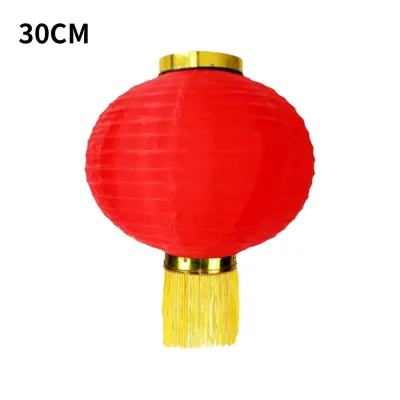

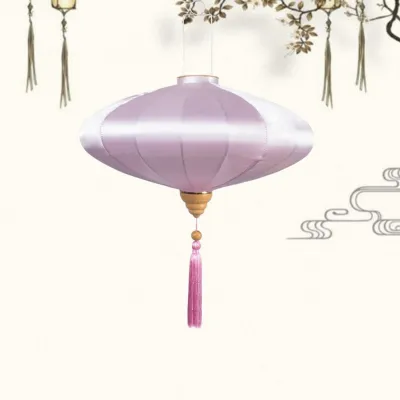
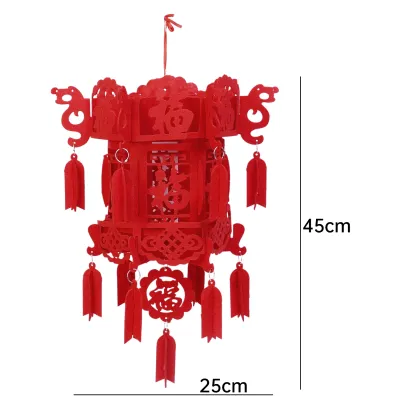
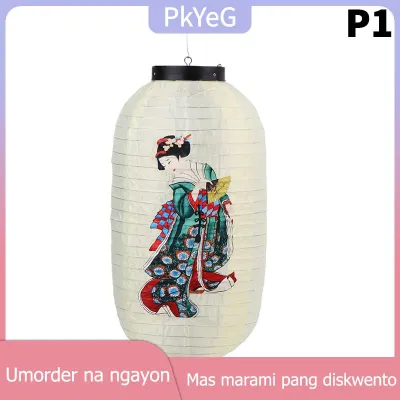
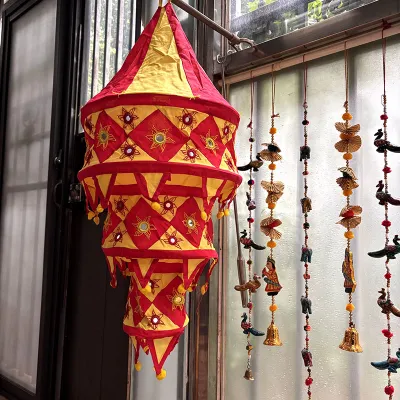
![[COD] PkYeG KITCHEN 10 Inch Chinese Japanese Long Shaped Cloth DIY Red Restaurant Lantern Lantern Lamp For Home Party Hanging Lampion Decoration](https://img.lazcdn.com/g/p/c7dfdf40794269e583b3c98a23ab7182.jpg_400x400q80.jpg_.webp)
Prices are valid at publication and may change. Please refer to the product page for the latest price.
Aesthetic and Cultural Appeal: Traditional Fabric Lantern Heritage vs. Modern Glow
The parol is far more than a simple holiday ornament; it is the definitive symbol of the Filipino Christmas, representing hope, warmth, and the shared joy of the season. Hanging a parol outside or inside your home is a time-honored tradition that instantly transforms the atmosphere. Understanding the distinct visual and cultural characteristics of traditional and modern designs will help you select a piece that aligns perfectly with your decorative vision.
The Charm of Traditional Bamboo-Fabric Parols
Traditional parols are celebrated for their organic textures and deep connection to local craftsmanship. These lanterns are built upon a hand-split bamboo frame, known locally as the kawayan skeleton, which is carefully bent and tied into a perfect five-pointed star. Artisans then cover this structure with vibrant layers of fabric—such as satin, velvet, or organza—or delicate colored paper. This classic fabric lantern construction allows light to filter through gently, creating a soft, diffused glow that radiates a cozy, welcoming ambiance.
Because these pieces are handmade, each traditional parol carries unique, artisanal characteristics. You may notice subtle variations in the tension of the fabric, the symmetry of the bamboo joints, or the intricate pleating of the decorative tails (buntot). These minor differences are not defects but rather the hallmark of genuine human craftsmanship, carrying the spirit of the maker into your holiday home.
The visual effect of a traditional fabric parol is highly nostalgic, reminiscent of classic neighborhood displays and family gatherings. The warm, low-intensity illumination is gentle on the eyes, making it an excellent choice for intimate indoor spaces where family members gather, such as dining rooms, entryways, or living room windows.
The Visual Impact of LED Parols
In contrast, modern LED parols are designed for high-impact visual performance and striking contemporary appeal. These decorations typically swap the organic bamboo frame for a rigid structure made of molded plastic, acrylic, or powder-coated metal. The star shape is then lined with high-density LED light strips or flexible neon-style rope lights, which emit highly saturated colors and exceptionally sharp, bright illumination.
The defining feature of the LED parol is its dynamic capability. Many models come equipped with integrated circuit controllers that allow you to switch between various pre-programmed lighting modes, including chasing, fading, flashing, or steady-on patterns. These active light shows draw the eye from a great distance, making them highly effective street-facing displays that can be seen clearly even through heavy evening fog or rain.
Beyond the classic five-pointed star, LED technology allows manufacturers to experiment with highly complex geometric patterns, multi-layered star-within-a-star designs, and even floral motifs. If your holiday decor scheme leans toward the modern, vibrant, and high-tech, the clean lines and intense color output of an LED parol will provide the dramatic focal point you desire.
Practical Considerations: Durability, Maintenance, and Weather
The tropical climate of the Philippines presents a unique set of challenges for outdoor holiday decorations. Between the high humidity of the late months, sudden afternoon downpours, and strong coastal winds, the materials you choose for your parol will directly dictate how long it lasts and where it can safely be displayed.

Weather Resistance and Outdoor Use
Traditional fabric and bamboo parols are highly vulnerable to environmental moisture. When exposed to rain or high humidity, the organic bamboo frame can absorb water, leading to warping, structural sagging, or the weakening of the glue holding the fabric in place. Synthetic fabrics may stretch or stain, while paper coverings will quickly tear and disintegrate. Consequently, traditional parols should strictly be kept indoors or hung in fully covered, dry outdoor areas like deep verandas or recessed porches.
Modern LED parols are inherently more resilient due to their synthetic construction, but they are not universally waterproof. Many LED options use weather-resistant plastics and sealed electrical channels, but you must verify the product’s Ingress Protection (IP) rating before hanging it in an exposed outdoor spot. Look for an IP44 rating at a minimum, which indicates protection against water splashes from all directions, or an IP65 rating for complete protection against rain.
Never assume an LED parol is safe for open-air use simply because it is made of plastic. Always inspect the product packaging for explicit outdoor-use certifications and ensure that all electrical plugs, extension cords, and connection points are housed in waterproof junction boxes or kept under cover.
Storage and Long-Term Maintenance
Preserving a traditional parol for the following year requires meticulous care and a controlled storage environment. Because bamboo and fabric are organic materials, they are highly susceptible to mold, mildew, and pest infestations—such as termites, silverfish, or booklice—when stored in humid attics or damp utility rooms. To prevent damage, you must thoroughly clean the parol with a soft, dry brush, wrap it loosely in breathable acid-free paper, and store it in a sturdy, puncture-proof box with several packets of silica gel to absorb residual moisture.
LED parols are physically more robust and less appealing to pests, but they present their own set of long-term storage challenges. The electronic components, wiring insulation, and internal solder joints can degrade over time if subjected to extreme heat, which is common in unventilated Philippine attics during the dry season. Additionally, plastic frames can become brittle and prone to cracking if stored under heavy objects.
When packing away an LED parol, avoid wrapping the power cords tightly around the frame, as this can cause internal wire fatigue or break the copper conductors. Store the unit flat in a cool, dry place, and always perform a comprehensive visual inspection—checking for cracked plastic, loose LED chips, or exposed wires—before plugging it in for the next holiday season.
Installation and Safety: Power Requirements and Handling
Hanging a parol safely involves both physical stability and electrical caution. Because these decorations are often suspended from high points and connected to your home’s main electrical supply, taking the time to follow proper safety protocols will protect your family and your property throughout the festive season.
Electrical Setup and Safety for LED Parols
Before connecting any LED parol to your power outlet, verify that its voltage rating matches the standard Philippine domestic supply of 220V. Using a 110V imported parol without a step-down transformer will damage the electronics and pose an immediate fire hazard. Always look for official safety marks on the product, such as the Philippine Standard (PS) quality mark or the Import Commodity Clearance (ICC) sticker, which prove the item has undergone rigorous safety testing.
Examine the entire length of the power cable for any signs of physical damage, such as cuts, pinches, or exposed wiring. When setting up your display, avoid overloading your electrical outlets or extension cords by daisy-chaining too many light strings together. Calculate the total wattage of all connected decorations to ensure they do not exceed the safe current-carrying capacity of your extension strip or home circuit.
For installations that require working at heights, such as mounting a parol on second-story eaves or high balcony railings, always use a sturdy, slip-resistant A-frame ladder on level ground, and have a spoter secure the base. If your setup requires complex outdoor wiring, dedicated exterior outlets, or routing cables through walls, do not attempt to do it yourself; instead, hire a qualified professional electrician to ensure compliance with local electrical codes. Always isolate the power supply by turning off the circuit breaker before mounting or adjusting any electrical fixtures.
Handling and Hanging Traditional Fabric Lanterns
Traditional bamboo-frame parols are lightweight, which makes them easier to hang, but their physical fragility requires gentle handling. When lifting or mounting a traditional parol, never apply pressure to the delicate outer points of the star or the thin fabric panels, as this can easily snap the bamboo ribs or tear the cover. Instead, support the parol by its central structural hub or use the pre-installed hanging loop.
To secure the parol against sudden gusts of wind—even when hung in covered outdoor areas—use wide, padded hanging straps or heavy-duty nylon cords rather than thin, bare wire. Thin wire can act like a blade under tension, slowly cutting through the soft bamboo frame or wearing away the fabric casing over time. Ensure the anchor point, such as a ceiling hook or screw eye, is firmly anchored into a solid wooden beam or concrete structure rather than thin plasterboard.
Fire safety is a critical consideration for traditional parols that feature internal light sockets. Traditional incandescent bulbs generate substantial heat, which can easily ignite dry bamboo and synthetic fabrics if they come into direct contact. To eliminate this risk, replace any incandescent bulbs with low-wattage, low-heat LED bulbs (typically E27 or E14 base types). Ensure that the bulb is physically centered within the frame and does not touch the fabric or bamboo walls under any circumstances.
Cost and Value: Budgeting for Your Christmas Decor
When planning your holiday decorating budget, it is helpful to look beyond the initial price tag and consider the long-term value, durability, and operating costs of each parol type. Both traditional and LED parols occupy distinct price brackets and offer different returns on your investment.
Traditional parols exhibit a very wide price range because their cost is directly tied to the level of craftsmanship and the materials used. Simple, mass-produced bamboo-and-paper parols purchased from local public markets or roadside stalls are highly affordable, often priced between ₱200 and ₱800. However, larger, highly detailed fabric parols or those incorporating natural capiz shells—often handcrafted by master artisans in heritage-rich provinces like Pampanga—can range from ₱1,500 to well over ₱10,000. These premium artisanal pieces are investments in local culture and carry immense emotional value, but they require careful preservation to justify their cost over multiple years.
LED parols generally require a higher upfront financial investment. A basic, small-scale LED parol typically starts around ₱1,000, while larger, multi-layered designs featuring computerized lighting controllers, dynamic chasing sequences, and weather-resistant acrylic housing can range from ₱3,500 to ₱15,000 or more. While this initial cost is higher, LED parols offer superior physical longevity and are far less likely to suffer catastrophic structural damage during normal handling, meaning they can easily last for five to ten years if stored correctly.
In addition to the purchase price of the parol itself, you should factor in potential hidden costs to establish an accurate budget. For LED setups, this may include purchasing outdoor-rated extension cords, waterproof junction boxes to protect electrical connections, and heavy-duty mounting hardware. For traditional parols, you may need to purchase low-heat LED bulb replacements or specialized storage containers to protect the fragile frame from pests and humidity during the off-season. Ultimately, the best value is achieved by choosing the parol that matches your specific display environment; buying a cheap traditional parol only to have it destroyed by a single rainstorm results in a poor return on investment compared to a durable, outdoor-rated LED alternative.
Decision Framework: How to Choose the Right Parol
To finalize your purchase and select the perfect parol for your home, use this structured decision framework to match your practical needs with the right product type.
Choose a Traditional Bamboo-Fabric Parol if:
- You prioritize heritage and atmosphere: You prefer a nostalgic, warm, and soft diffused light that celebrates classic Filipino craftsmanship and creates an intimate, cozy holiday environment.
- Your display area is fully protected: You plan to hang the parol strictly indoors, in a well-ventilated living room window, or on a deeply recessed veranda that is completely shielded from rain, wind, and direct sunlight.
- You can commit to careful maintenance: You have a clean, dry, pest-free storage space and are willing to handle, clean, and pack the fragile bamboo-and-fabric structure with care each year.
Choose an LED Parol if:
- You want maximum visual impact: You prefer bright, vibrant, saturated colors and dynamic lighting effects (like chasing or flashing patterns) that serve as a high-visibility focal point from the street.
- Your display area is exposed to the elements: You plan to mount the parol on an exterior wall, an open balcony, or a street-facing facade where it must withstand wind, humidity, and potential rain.
- You want a low-maintenance, durable investment: You prefer a physically robust decoration that is easy to clean, highly energy-efficient, and capable of lasting many years with minimal physical fragility.
Before making your final purchase, always complete these three verification steps:
- Measure the space: Measure the height and width of your intended hanging area to ensure the parol's dimensions are proportionate and do not block walkways or windows.
- Check power access: Locate the nearest electrical outlet, measure the distance to the hanging spot, and plan a safe, trip-free cable routing path using appropriate extension cords.
- Verify safety labels: Confirm that the parol is rated for 220V and features an official PS or ICC safety certification sticker on the packaging or frame.
Frequently Asked Questions (FAQ)
Before finalizing your holiday setup, review these answers to common practical questions regarding parol placement, safety, and energy use.
Can I use a traditional fabric parol outdoors?
It is highly recommended to avoid hanging a traditional bamboo-and-fabric parol in any outdoor area that is directly exposed to the elements. The natural materials used in these lanterns are highly sensitive to moisture and wind; rain can warp the bamboo frame, dissolve the adhesives, and cause the fabric to sag or grow mold.
If you wish to display a traditional parol outside, limit its placement to deeply covered porches, covered verandas, or carports where rain cannot reach it even during windy downpours. If a sudden storm or high-humidity weather is forecasted, it is best to temporarily bring the parol indoors to preserve its structural integrity.
Do LED parols consume a lot of electricity?
No, modern LED parols are exceptionally energy-efficient, especially when compared to older models that utilize traditional incandescent light bulbs. LED technology converts the vast majority of its electrical energy into light rather than heat, resulting in minimal power consumption even during extended evening displays.
The exact electricity consumption will depend on the physical size of the parol and the total number of LED nodes or strips integrated into the design. Typically, a standard residential LED parol draws between 5 and 30 watts of power, which has a negligible impact on your monthly household electricity bill. You can easily verify the exact power consumption by checking the wattage rating printed on the product’s electrical label or packaging.
Community discussion
Share your experience or ask a question. Comments are reviewed before publication.