
Quick Answer: Which Lion Lantern Fits Your Display?
Choosing between a traditional bamboo paper lion lantern and a modern LED lion lantern depends on your specific display environment, your dedication to preservation, and the visual atmosphere you want to create. Each type serves a distinct decorative purpose, offering unique trade-offs in durability, visual character, and safety.
A traditional bamboo paper lion lantern is best suited for indoor, protected, or short-term displays. These lanterns celebrate authentic craftsmanship, utilizing organic materials that diffuse light with a soft, warm, and nostalgic glow. They are ideal for heritage-focused celebrations where historical accuracy and artisanal textures are prioritized.
An LED lion lantern is the superior choice for outdoor, long-term, or high-traffic installations. Constructed with synthetic coverings and robust frames, these modern versions are engineered to withstand the high humidity, wind, and sudden rain common in tropical climates. They offer high-intensity, customizable lighting with minimal maintenance requirements.
Products mentioned in this guide
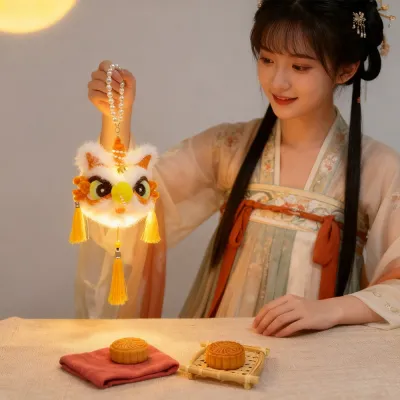
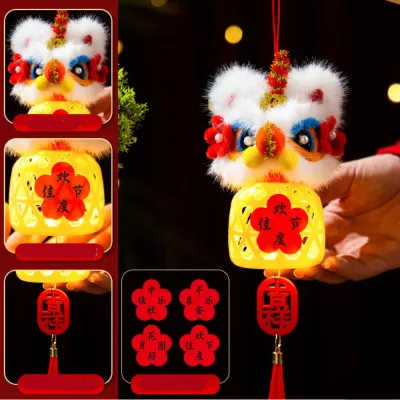
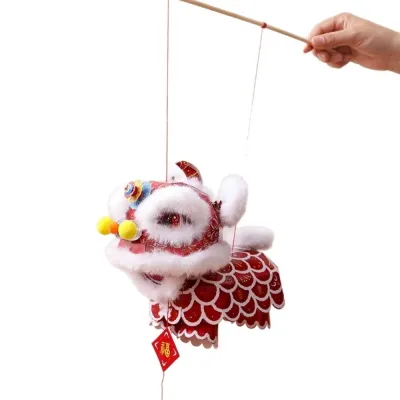
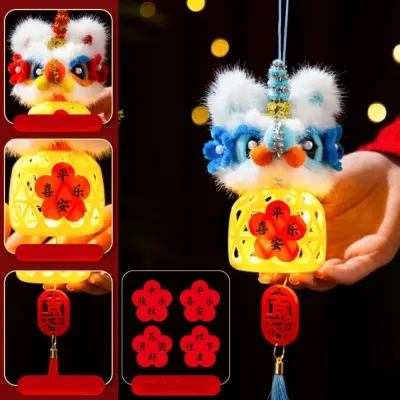
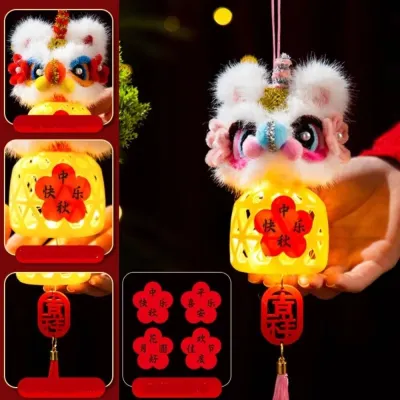
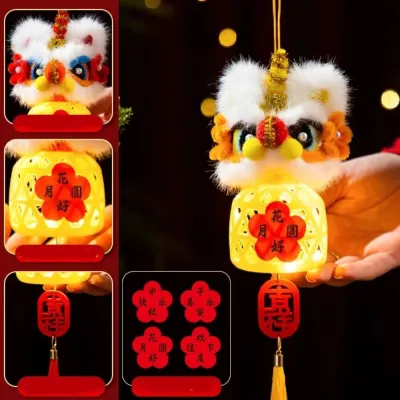
Prices are valid at publication and may change. Please refer to the product page for the latest price.
To make the right investment, you must evaluate four primary dimensions: visual authenticity, environmental durability, electrical safety, and long-term budget. The following sections analyze these factors to guide your purchasing decision.
Aesthetics and Cultural Authenticity: Tradition vs. Modern Glow
The visual impact of a lion lantern defines the atmosphere of your festive display. Traditional bamboo paper lanterns carry a distinct artisanal charm. Handcrafted by shaping split bamboo strips into intricate three-dimensional frames, these structures are covered with translucent paper, such as colored tissue or specialized handmade papers. When illuminated from within, the paper fibers create a soft, organic diffusion that highlights the subtle contours of the hand-painted lion face. This textured, slightly uneven glow evokes nostalgia and connects the display to generations of cultural heritage.

In contrast, LED lion lanterns prioritize high-visibility performance and modern versatility. Instead of paper, these lanterns typically use vibrant synthetic fabrics, molded plastics, or acrylic panels stretched over wire frames. The integrated LED light sources emit a bright, crisp, and highly consistent light that remains visible from great distances. Many LED models feature advanced lighting options, including multi-color RGB transitions, programmable patterns, and animated flashing sequences. These dynamic effects make LED versions highly effective as eye-catching focal points in commercial spaces, public plazas, or modern residential exteriors.
When deciding between these two styles, evaluate the existing design theme of your space. If your goal is to preserve a quiet, nostalgic, and culturally authentic atmosphere—such as inside a heritage home, a traditional restaurant, or an intimate family gathering space—the delicate texture of a bamboo paper lantern is unmatched. If you are decorating a large outdoor garden, a bustling storefront, or a high-traffic community area where the decoration must compete with ambient street lighting, the intense and colorful output of an LED lantern is far more practical.
Be aware that product listings on online marketplaces can sometimes be misleading. Terms like “traditional style” or “handcrafted look” are frequently used to describe mass-produced plastic or synthetic items. To ensure you are purchasing a genuine bamboo paper piece made by local artisans, look for detailed construction photographs showing the raw bamboo frame, or purchase directly from verified artisan cooperatives and specialized heritage craft shops.
Durability and Weather Resistance for Tropical Climates
The tropical climate of the Philippines presents severe challenges for decorative lighting. High relative humidity, intense solar exposure, and sudden heavy downpours can rapidly degrade poorly chosen materials. Understanding how each lantern type interacts with these environmental factors is crucial for preventing premature damage and structural failure.
Traditional bamboo and paper are highly sensitive to moisture and atmospheric changes. Bamboo is a hygroscopic organic material, meaning it naturally absorbs and releases moisture from the surrounding air. In high humidity, untreated bamboo can swell, warp, or succumb to mold and mildew. The paper covering is even more vulnerable; standard decorative paper loses its tensile strength when damp, leading to sagging, tearing, or complete disintegration during a rainstorm. Strong winds can easily puncture the delicate paper skin or collapse the lightweight bamboo skeleton. Consequently, traditional paper lanterns are strictly temporary installations that require complete protection from the elements.
LED lion lanterns are engineered specifically to overcome these environmental limitations. Their frames are typically constructed from powder-coated steel or heavy-duty wire that resists rust, while the outer skins consist of weather-resistant fabrics like nylon, PVC, or thick acrylic. These synthetic materials do not absorb water, resist tearing under wind pressure, and are treated to withstand ultraviolet (UV) degradation from intense sunlight. Additionally, the electronic components of high-quality LED lanterns are sealed inside protective housings to prevent water ingress from shorting the circuits.
However, do not assume that every LED lantern is automatically safe for outdoor exposure. Marketing terms like “waterproof” or “outdoor-ready” must always be verified by checking the product’s official Ingress Protection (IP) rating on the manufacturer’s label. For sheltered outdoor areas like covered porches or patios, a minimum rating of IP44 is required to protect against splashing water. For fully exposed outdoor installations, such as hanging from trees, posts, or open building facades, look for an IP65 rating or higher to ensure the lantern can safely withstand direct, heavy rainfall.
Caring for Traditional Bamboo Paper
Preserving a fragile bamboo paper lion lantern requires gentle, water-free maintenance techniques. To clean the lantern, use a soft, dry microfiber cloth, a feather duster, or a clean, dry paint brush with soft bristles. Gently brush away dust and debris from the paper surface and the crevices of the bamboo frame, applying minimal pressure to avoid puncturing the paper.
Never use liquid cleaners, damp cloths, or chemical sprays, as moisture will instantly dissolve the water-soluble glues holding the paper to the frame and cause the colors to bleed. Store the lantern in a cool, dry, and well-ventilated space when not in use. Wrap it loosely in acid-free tissue paper and place it inside a sturdy, crush-proof cardboard box to protect it from dust, physical impact, and pests.
Before storing the lantern and prior to reassembling it for a new season, carefully inspect the bamboo joints. Look for fine powder or tiny holes, which indicate the presence of wood-boring beetles, or dark spots that signal mold growth. If mold is detected, gently wipe the affected bamboo elements with a dry cloth in an outdoor setting, and consider placing silica gel packets inside the storage box to control residual humidity.
Maintaining LED Lion Lanterns
Maintaining synthetic LED lion lanterns is straightforward but must always begin with safety. Always unplug the lantern from the electrical outlet before performing any cleaning or maintenance. Wipe the exterior synthetic fabric or plastic housing with a slightly damp cloth to remove accumulated dirt, grime, or pollen. Ensure the cloth is not dripping wet to prevent water from entering the electrical connections.
Allow the unit to air-dry completely in a shaded area before plugging it back in or packing it away. For battery-operated models, always remove the batteries before seasonal storage. Leaving batteries inside the compartment for extended periods can lead to chemical leakage, which corrodes the metal contacts and permanently ruins the electrical system. Inspect the power cord, plug, and any integrated transformer blocks for signs of wear, cracking, or damage caused by pests.
Store LED lanterns in their original packaging or in padded storage bins. Avoid stacking heavy boxes on top of the lanterns, as excessive weight can distort the wire frames or damage the internal LED wiring harnesses. Keep the storage area dry to protect the plug contacts from rust.
Illumination, Electrical Safety, and Power Requirements
The technical performance of your lantern’s lighting system affects both the visual quality of your display and the physical safety of your property. Comparing the electrical characteristics of traditional and LED systems reveals distinct operational requirements and safety protocols.
Traditional lanterns historically relied on candles, but modern safety standards require electric light sources. When electrified, they typically use a single, centrally suspended light bulb. This configuration creates a classic, warm focal point with gentle shadows cast by the internal bamboo ribs. LED lanterns, on the other hand, utilize arrays of small light-emitting diodes distributed evenly along the frame. This provides uniform brightness across the entire surface, eliminates dark spots, and allows for precise color control and low power consumption.
Fire and Heat Safety for Paper Lanterns
Traditional paper lanterns present a higher inherent fire risk due to the flammability of their construction materials. You must never use open flames, such as candles, inside a bamboo paper lantern. A single gust of wind or a slight tilt can bring the flame into contact with the dry paper or bamboo, causing immediate ignition.
If you choose to electrify a traditional paper lantern, you must strictly adhere to the manufacturer’s maximum wattage limits. Use only low-heat, low-wattage LED bulbs designed specifically for enclosed paper fixtures. Standard incandescent bulbs generate significant surface heat that can dry out the paper, weaken the adhesive, or ignite the material if the bulb directly touches the inner lining.
Ensure there is adequate clearance between the bulb and the paper walls of the lantern. Never leave an illuminated paper lantern unattended, and always turn off the power source when leaving the room or going to sleep.
Electrical Checks and Outdoor Ratings for LEDs
While LED lion lanterns are significantly cooler to the touch and safer from a heat perspective, they still require rigorous electrical checks. Before purchasing, verify that the lantern’s operating voltage matches the local standard of 220V at 60Hz. Using a lantern designed for a different voltage without a proper transformer can damage the LEDs or cause the power adapter to overheat.
For outdoor installations, ensure that all extension cords, power strips, and electrical outlets are rated for outdoor use. Connect the lantern to a Ground Fault Circuit Interrupter (GFCI) outlet to protect against electrical shocks in wet conditions. Keep all electrical plugs and connection points elevated off the ground, wrapping them in weatherproof electrical enclosure boxes to prevent water pooling around the terminals.
If your display involves large-scale, heavy LED lion lanterns, or if you plan to mount them at significant heights (such as suspended across a driveway or high on a building facade), do not attempt structural modifications or complex wiring yourself. Isolate the main power supply before handling any wiring, follow the manufacturer’s installation manual precisely, and hire a qualified professional electrician to complete the installation safely. Always look for official certification markings, such as the Philippine Standard (PS) quality mark or the Import Commodity Clearance (ICC) sticker, on the product packaging to verify electrical compliance.
Budget, Lifespan, and Long-Term Value
Evaluating the financial aspect of your purchase requires looking beyond the initial retail price. You must calculate the total cost of ownership by analyzing the product’s lifespan, reusability, energy efficiency, and maintenance requirements.
Traditional bamboo paper lion lanterns often carry a premium price when sourced from authentic local artisans. This cost reflects the skilled, time-consuming labor required to split the bamboo, construct the intricate frame, and hand-apply the paper skin. While budget-friendly, mass-produced paper lanterns are available, they are highly fragile. A traditional paper lantern typically lasts only one festive season if handled normally, though meticulous indoor care can extend its lifespan to two or three years. Because they are prone to tearing and environmental damage, they frequently require replacement or skilled repairs, which increases their long-term cost.
LED lion lanterns generally represent a more stable long-term investment. While high-quality, weather-resistant LED models can require a higher initial purchase price, they are built to last for multiple years. The synthetic fabrics and metal frames can survive repeated packing, storage, and reinstallation cycles without losing their structural integrity. Furthermore, LEDs are highly energy-efficient; they consume up to 80% less electricity than traditional incandescent bulbs, resulting in noticeable savings on your utility bills during extended holiday displays.
To find the best value, browse reputable local specialty stores or established e-commerce platforms. Compare current pricing in Philippine Pesos (₱) and carefully read customer reviews to assess real-world durability. Pay close attention to feedback regarding the longevity of the LED drivers and power adapters, and prioritize sellers that offer clear return policies or limited warranties on electronic components.
Final Decision Framework: Which Type Should You Buy?
To finalize your purchase, use this condition-based framework to match the lantern type to your specific decorative scenario.
Choose Traditional Bamboo Paper if:
- The display is indoors: You are decorating a living room, a covered hallway, an indoor restaurant, or a protected event hall.
- Authenticity is your priority: You value the unique character of hand-painted, artisan-crafted pieces and want to support traditional heritage crafts.
- You prefer a soft aesthetic: You want a warm, gentle, and nostalgic light diffusion rather than high-intensity brightness.
- You are committed to maintenance: You are willing to dust the lantern gently, store it in a dry, pest-free environment, and handle it with extreme care.
Choose LED Lion Lanterns if:
- The display is outdoors: You are hanging the lantern on an open patio, in a garden, on a storefront facade, or along a street.
- You need high durability: You want a robust decoration that can withstand wind, high humidity, and heavy tropical rain.
- You want high visibility: You need a bright, eye-catching display with vibrant colors or dynamic flashing effects to attract attention from a distance.
- You prioritize low maintenance: You want a durable, energy-efficient solution that can be easily cleaned, packed away, and reused for multiple seasons.
Verify First if:
- You are planning a complex installation: If you are hanging heavy structures high above public walkways or mixing electrical components in damp areas, always check the specific manufacturer specifications, weight limits, and local electrical safety guidelines before proceeding.
Before completing your purchase, measure your designated display space carefully. Check the lantern’s exact dimensions, weight, and power cord length to ensure it fits your physical layout and can safely reach a compatible power outlet.

Community discussion
Share your experience or ask a question. Comments are reviewed before publication.