
Deciding between a traditional bamboo paper parol and a modern LED parol comes down to balancing cultural nostalgia with practical durability. Traditional bamboo and paper parols offer authentic craftsmanship and warm, diffused lighting ideal for indoor cultural displays, while LED parols provide durability, weather resistance, and versatile lighting effects for both indoor and outdoor use. Choosing the traditional route is highly suitable if you value heritage and artisanal appeal, whereas opting for LED models is practical if you need a low-maintenance, long-lasting lantern decoration that can withstand the elements.
Aesthetics and Cultural Appeal
Traditional bamboo and paper parols, often crafted using split bamboo sticks and colorful paper or translucent cellophane, carry a deep sense of nostalgia and cultural heritage. The light source inside—traditionally a single incandescent bulb—produces a soft, warm, and diffused glow. This gentle illumination highlights the organic texture of the paper and the delicate hand-cut patterns of the tails. For many households in the Philippines, this classic look evokes memories of traditional dawn masses and simple neighborhood displays, making it an excellent choice for heritage-focused or indoor holiday themes.
In contrast, LED parols embrace modern design flexibility and vibrant visual impact. These contemporary decorations typically feature intricate geometric patterns, star-within-star designs, and animated light sequences controlled by built-in microchips. Because LEDs are compact and highly versatile, manufacturers can arrange them to create chasing, fading, or color-changing effects that are highly visible from a distance. The brightness of LED illumination is significantly higher than that of traditional paper lanterns, making them stand out even in brightly lit urban environments or along busy streets.
Products mentioned in this guide
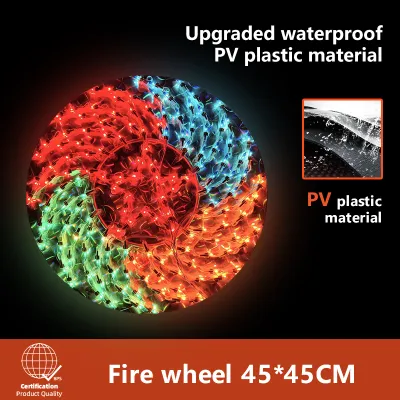
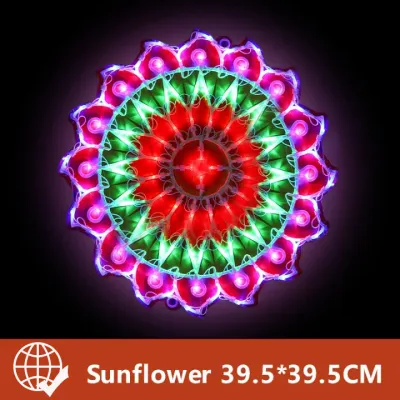
Prices are valid at publication and may change. Please refer to the product page for the latest price.
When matching these lantern decorations to your space, consider the overall design theme of your home. A traditional bamboo parol serves as a beautiful focal point in living rooms, hallways, or covered verandas where its delicate details can be appreciated up close. On the other hand, the bold colors and dynamic patterns of an LED parol are well-suited for outdoor facades, open gardens, or modern architectural styles where high visibility and festive energy are the primary goals.
Durability and Weather Resistance
The tropical climate of the Philippines presents distinct challenges for outdoor holiday decorations, particularly during the transition from the rainy season to the cooler Christmas months. Traditional paper and bamboo parols are highly vulnerable to environmental factors. High humidity can soften the starch paste used to assemble the paper panels, causing them to sag or peel away from the frame. Furthermore, sudden tropical downpours or strong winds can easily tear the delicate paper and warp the flexible bamboo structure, often rendering the lantern unusable after a single severe weather event.

LED parols offer a much higher level of weather resistance due to their robust construction materials. Most modern LED models are built on rigid frames made of treated metal, heavy-duty plastic, or thick acrylic panels. The light sources themselves are typically sealed within flexible plastic tubing or encased in moisture-resistant housings. These materials do not absorb water, resist warping under the hot sun, and can withstand moderate wind loads without structural failure.
Because of these differences, strict conditions apply if you plan to display a traditional parol outdoors. It must be restricted to fully covered, dry areas such as a deep porch, a covered balcony, or a well-sheltered entryway. If there is any risk of wind-driven rain reaching the lantern, it should be brought indoors immediately. LED parols, provided they carry appropriate outdoor ingress protection ratings, can be mounted directly on exterior walls, gates, or garden posts, though you must still ensure all electrical connections are thoroughly weatherproofed.
Cost and Long-Term Value
When evaluating the financial aspect of your purchase, it is helpful to compare both the initial retail price in Philippine Pesos (₱) and the projected lifespan of each lantern decoration. Handcrafted traditional parols are generally available at a wide range of price points. Simple, small-scale paper and bamboo designs can be purchased for a few hundred pesos, making them highly accessible for temporary seasonal decorating. However, larger, highly detailed artisanal paper parols can cost significantly more, reflecting the hours of manual labor required to construct them.
LED parols generally require a higher initial investment, with prices starting from a thousand pesos for basic models and reaching several thousand pesos for large, multi-patterned, or animated designs. Despite this higher upfront cost, LED models often provide better long-term value. A well-constructed LED parol can last for several holiday seasons, whereas a delicate paper parol is frequently a single-season decoration due to wear and tear.
You should also factor in potential hidden costs. For traditional parols, you may need to purchase replacement bulbs, socket assemblies, or even buy a completely new lantern every year if the paper degrades. For LED parols, while the light-emitting diodes themselves have an exceptionally long operational lifespan, repairs to damaged control chips or custom wiring harnesses can be difficult to perform at home. If a section of an LED strip fails, it may require professional repair or partial replacement of the lighting element, though the structural frame itself remains reusable for years.
Maintenance and Storage Requirements
Preserving your lantern decoration for future use requires careful post-holiday maintenance and appropriate storage conditions, which differ greatly between the two types. Cleaning a traditional bamboo and paper parol requires an extremely gentle touch. Because the paper is fragile and water-soluble adhesives are often used, you cannot use damp cloths or liquid cleaners. Instead, maintenance is limited to light dusting with a soft, dry feather duster or a clean, dry microfiber cloth to prevent dust buildup without tearing the panels.
LED parols are much easier to clean and maintain. Their plastic, acrylic, or metal surfaces can be wiped down with a slightly damp cloth to remove outdoor grime, dust, and insect residue. Before cleaning, always ensure the power is completely isolated by unplugging the unit from the wall socket. Allow the entire structure to dry completely before packing it away.
Storage presents another set of considerations. Traditional parols must be protected from tropical pests such as termites, silverfish, and cockroaches, which are attracted to the bamboo frame and the starch-based glues. They must be stored in a dry, pest-free environment, sealed in large plastic bags with silica gel packets to prevent mold growth caused by trapped humidity. Care must also be taken to avoid placing heavy objects on top of them, as the bamboo frame can easily warp or snap. LED parols, while structurally rigid and less appealing to pests, require significant storage space because their frames generally cannot be disassembled or folded. You must ensure that the power cords are coiled loosely to prevent internal wire breakage and that the controller box is protected from moisture and extreme heat during the off-season.
Safety and Installation Considerations
Ensuring electrical and structural safety is paramount when hanging any holiday lighting display. For plug-in LED parols, always verify that the operating voltage matches your home’s electrical supply, which is typically 220V in the Philippines. Inspect the power cord, plug, and controller box for any signs of fraying, exposed wires, or cracked plastic before plugging the unit in. Look for official safety certifications, such as the Philippine Standard (PS) mark or the Import Commodity Clearance (ICC) sticker, to ensure the electrical components meet local safety standards.
Heat emission is another critical safety factor. LEDs are highly efficient and emit very little heat, making them exceptionally safe to run for extended periods, even when mounted against flammable surfaces or enclosed spaces. Traditional parols, if fitted with older incandescent bulbs, generate significant heat. This heat can dry out the paper panels over time, increasing the risk of fire if the bulb comes into direct contact with the paper or bamboo frame. If you choose a traditional parol, it is highly recommended to use low-wattage LED bulbs inside to mitigate this hazard.
Structural support must also be carefully planned. Traditional bamboo parols are lightweight and can be easily hung using simple nylon cords or adhesive hooks on indoor walls. LED parols, especially those with metal frames or thick acrylic panels, can be surprisingly heavy. They require secure mounting points, such as sturdy metal hooks, brackets, or anchor bolts, particularly when installed on high ceilings or outdoor facades where wind resistance becomes a factor. For complex outdoor installations, high-altitude mounting, or any fixed electrical wiring modifications, always isolate the power source and consult a qualified professional to ensure a safe and secure setup.
Decision Framework: Which Parol Fits Your Space?
To finalize your purchase decision, evaluate your priorities against the unique characteristics of each lantern decoration.
Choose a Traditional Bamboo Paper Parol if you:
- Prioritize cultural authenticity, classic holiday aesthetics, and supporting local artisans.
- Plan to display the lantern exclusively indoors or in a fully sheltered, dry outdoor area.
- Are comfortable handling a delicate, lightweight decoration that may need to be replaced after one or two seasons.
- Prefer a soft, warm, and diffused lighting effect that creates a cozy, nostalgic atmosphere.
Choose an LED Parol if you:
- Need a highly durable, weather-resistant decoration suitable for open outdoor displays.
- Want a long-term investment that can be reused for multiple years with minimal maintenance.
- Prefer bright, vibrant, and dynamic lighting effects, such as chasing patterns or color-changing sequences.
- Have adequate storage space to accommodate a rigid, non-collapsible frame during the off-season.
Before making your final choice, verify the installation environment and check local community or subdivision guidelines regarding outdoor electrical displays and wattage limits. You might also consider mixing both types—using a traditional paper parol to bring warmth to your indoor living space, while hanging a durable LED parol outdoors to share the festive spirit with your neighborhood.
Frequently Asked Questions (FAQ)
Can I use LED bulbs inside a traditional bamboo paper parol?
Yes, you can use LED bulbs inside a traditional bamboo paper parol, and doing so is highly recommended for safety. Replacing a hot incandescent bulb with a low-wattage LED bulb significantly reduces heat emission, minimizing the risk of fire or heat damage to the delicate paper and bamboo frame. When choosing an LED bulb, verify that the bulb size and base interface, such as a standard E27 screw base, match your lantern’s socket. To preserve the classic look of the parol, opt for a warm white LED bulb (around 2700K to 3000K) with a frosted cover, which helps maintain the soft, diffused glow characteristic of traditional designs, rather than an overly bright daylight bulb that might ruin the aesthetic.
How do I repair a torn paper section on a traditional parol?
Repairing a minor tear on a traditional paper parol is a straightforward process that can extend the life of your decoration. First, assess the size of the tear; small punctures or clean rips can easily be patched at home. Use a lightweight adhesive, such as a small amount of clear-drying craft glue or a starch-based paste, and a scrap piece of matching colored paper or cellophane. Gently apply the adhesive to the edges of the tear or the patch, press it lightly onto the damaged area, and allow it to dry completely in a well-ventilated space. If the paper is extensively shredded, water-damaged, or if the underlying bamboo frame is broken, the structural integrity may be compromised, and replacing the lantern entirely is often the safest and most practical option.
Community discussion
Share your experience or ask a question. Comments are reviewed before publication.