
The Christmas parol is a beloved holiday staple in the Philippines, serving as a vibrant symbol of hope, light, and festive warmth. As the holiday season approaches, choosing between a traditional handmade parol and a modern LED version requires balancing your display space, safety requirements, and aesthetic goals. A traditional parol crafted from bamboo, capiz, or paper is ideal if you prioritize authentic craftsmanship, a warm ambient glow, and indoor display. Conversely, a modern LED parol is the better choice if you need weather resistance, dynamic lighting effects, and lower maintenance for outdoor or long-term use.
Deciding on the perfect holiday light involves evaluating how each type handles the local tropical climate, your home’s electrical setup, and your personal design preferences. While both styles bring festive cheer, their materials, durability, and installation requirements differ significantly. By understanding these differences, you can select a parol that not only beautifies your home but also remains safe and functional throughout the long holiday season.
Aesthetics and Craftsmanship: Matching Your Decor Style
Traditional parols are celebrated for their organic textures and deep connection to cultural heritage. Crafted primarily from natural materials such as bamboo, capiz shells, and colored paper, these ornaments offer a soft, warm, and static glow. Capiz shell parols, in particular, utilize the translucent, pearlescent backing of windowpane oysters to diffuse light in a gentle, classic pattern. The intricate hand-cut frames made of split bamboo showcase the meticulous skill of local artisans, making each piece a unique work of art that evokes nostalgia and rustic charm.
Products mentioned in this guide
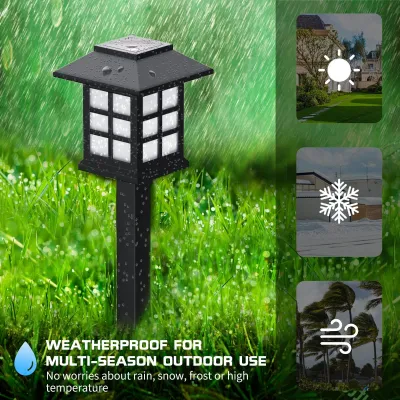
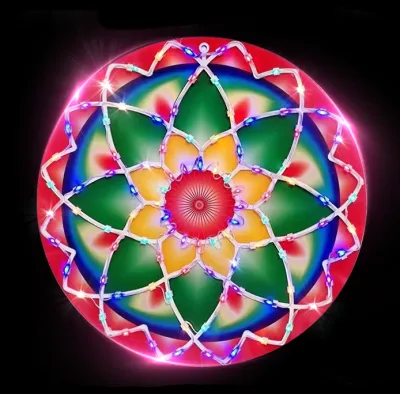
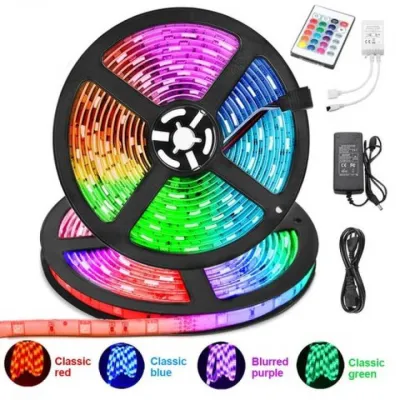
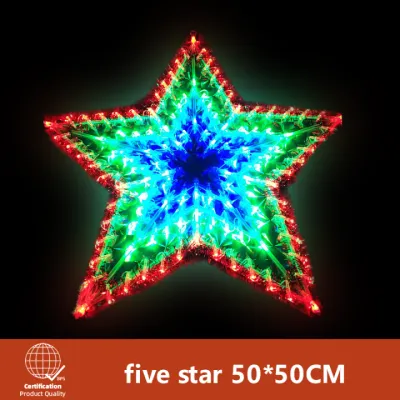
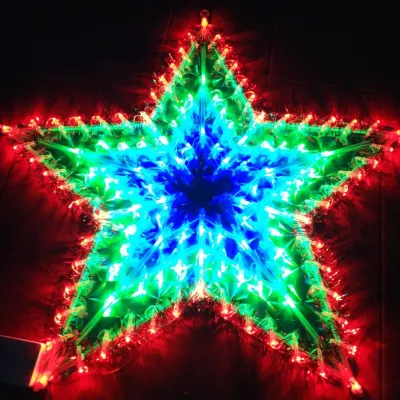
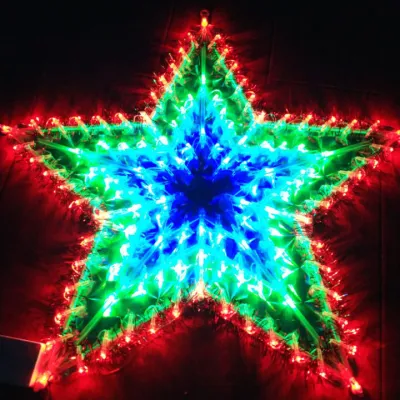
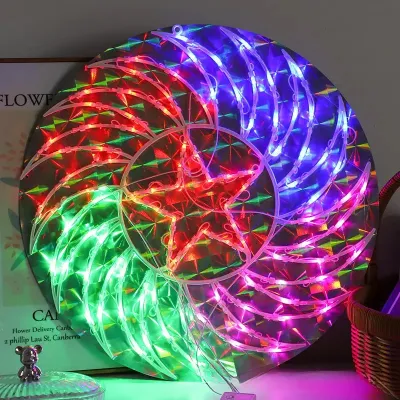
Prices are valid at publication and may change. Please refer to the product page for the latest price.
On the other hand, modern LED parols embrace contemporary materials and advanced lighting technology. Constructed with durable plastic, acrylic, or lightweight metal frames, these parols are designed to support complex arrays of light-emitting diodes. The primary appeal of LED models lies in their dynamic capabilities, offering programmable color-changing sequences, chasing patterns, and vibrant geometric shapes. If your holiday theme leans toward a high-energy, colorful, and highly visible street-side display, the sharp brightness of integrated LEDs provides an eye-catching modern aesthetic.
To make the right choice, assess your existing interior or exterior design to determine which style complements your home. A traditional capiz or paper parol serves as an elegant, understated centerpiece for cozy living rooms, dining areas, or covered entryways. If your goal is to create a dazzling outdoor light show that can be seen from down the street, the intense colors and animated patterns of an LED parol will better match that modern energy. Remember that decorative style, perceived color temperature, and spatial effects are highly subjective, so choose the option that best aligns with your personal holiday vision.
Durability and Maintenance: Indoor vs. Outdoor Use
The tropical climate of the Philippines presents unique challenges for holiday decorations, particularly regarding humidity, sudden downpours, and wind. Traditional materials like paper and untreated bamboo are highly vulnerable to moisture, wind, and tearing. Paper parols can easily disintegrate or fade when exposed to damp air, while capiz shells can crack or detach from their brass foil bindings under strong gusts. Consequently, traditional parols strictly require dry, indoor, or fully sheltered environments to preserve their delicate structures.

Modern LED parols are engineered to withstand harsher environmental conditions, utilizing weather-resistant plastics or treated acrylics that shield the internal electronics. However, outdoor suitability is not universal, and you must check the manufacturer’s Ingress Protection (IP) rating before hanging any unit in an exposed area. An IP rating indicates the level of protection against solids and liquids; look for models explicitly rated for outdoor wet locations to ensure rain and dust do not penetrate the housing.
Maintenance requirements also differ greatly between the two types. Traditional parols demand delicate care, requiring you to gently dust paper or capiz surfaces with a dry microfiber cloth to avoid cracking or tearing the fragile materials. In contrast, modern plastic and acrylic LED parols can be easily wiped down with a damp cloth to remove dust and outdoor grime. If you prefer a low-maintenance decoration that can hang outdoors for months with minimal upkeep, modern materials offer a distinct practical advantage.
Lighting Quality and Electrical Safety Checks
Ensuring electrical safety is paramount when installing holiday lighting, as improper setups can lead to overheating or electrical hazards. Traditional parols often utilize standard light sockets, such as E12 or E27 bases, which allow you to choose your own bulbs. When using these traditional sockets, always check the manufacturer’s maximum wattage limit to prevent heat damage to the surrounding paper, bamboo, or capiz. To minimize heat buildup and reduce fire risks, consider replacing hot-running incandescent bulbs with low-heat, energy-efficient LED replacement bulbs.
Modern LED parols typically feature integrated LED strips or pre-wired light arrays built directly into the frame. While these integrated systems run exceptionally cool and eliminate the risk of heat damage, they present a different maintenance challenge. You should verify whether the integrated LEDs are replaceable or if the entire unit must be discarded if a section of the lights fails. High-quality models often feature modular wiring that allows for targeted repairs, whereas cheaper, mass-produced versions may require complete replacement upon component failure.
Before purchasing or mounting any parol, conduct a thorough safety inspection. Verify the operating voltage, base or interface type, wattage limits, physical dimensions, and dimming compatibility of your chosen unit. Ensure the installation environment matches the product’s specifications, and look for official electrical certification marks on the packaging. For any installation involving fixed wiring, damp areas, work at height, heat sources, or suspended loads, always isolate the power supply, strictly follow the manufacturer’s installation instructions, and consult a qualified professional to handle the setup safely.
Price and Long-Term Value Considerations
When evaluating the financial aspect of your purchase, it is helpful to weigh the upfront cost against the expected lifespan and operating expenses of each parol type. Traditional handmade parols can vary widely in price, with simple paper designs being highly affordable, while large, intricate capiz shell creations command a premium in ₱ due to the cost of raw materials and intensive artisan labor. These handcrafted pieces are often viewed as long-term investments in cultural heritage, provided they are stored carefully in dry, pest-free environments.
Mass-produced LED parols generally feature standardized pricing, making it easier to find a model that fits a specific budget. While the initial cost of a high-quality LED parol may be comparable to or higher than a mid-range traditional model, the long-term operating costs are significantly lower. Integrated LED systems consume a fraction of the wattage required by traditional incandescent bulbs, resulting in noticeable energy savings over the course of the long holiday season.
Lifespan factors also play a critical role in determining overall value. The physical fragility of natural materials means a traditional parol may only last a few seasons if exposed to humidity, dust, or accidental drops. Conversely, while a well-built LED parol can endure physical impacts and outdoor weather for many years, lower-quality electronic controllers and power adapters are prone to premature failure. Choosing a reputable manufacturer with verifiable safety standards helps ensure your modern light remains functional for many holidays to come.
Final Decision Framework: Which Parol Fits Your Needs?
To make your final decision, consider where the parol will hang, how much time you want to spend on maintenance, and your preferred visual style. Choose a traditional parol if you want an authentic, handcrafted centerpiece for a dry, indoor space, and deeply value cultural heritage, natural materials, and a warm, steady ambient light. These classic designs excel at creating a nostalgic, cozy atmosphere inside the home, away from the harsh tropical elements.
Choose an LED parol if you need a durable, weather-resistant option for outdoor eaves, windows, or open yards, or if you prefer programmable, dynamic, and highly visible color-changing effects. Their robust construction and energy efficiency make them ideal for long-term outdoor displays that require minimal daily supervision.
Regardless of your choice, always verify the installation environment first. If you are hanging your parol in a high-wind area, near moisture, or connecting it to a complex exterior circuit, prioritize safety by checking the manufacturer’s specific guidelines. Always defer to official installation instructions, isolate power before handling any wiring, and seek professional assistance for complex or elevated setups.
Frequently Asked Questions (FAQ)
How do I safely clean a capiz shell parol?
To clean a delicate capiz shell parol, use a soft, dry microfiber cloth or a soft-bristled brush to gently remove surface dust from the shells and brass frames. Avoid using liquid cleaners, water, or harsh chemical sprays, as moisture can seep into the joints, stain the natural shell, weaken the adhesive bindings, or cause the internal bamboo support structure to warp and mold.
Can I leave my LED parol outside during heavy rain?
You should only leave an LED parol outside during heavy rain if the manufacturer explicitly states it has an appropriate Ingress Protection (IP) rating for wet outdoor locations. If the rating is unknown, unverified, or if the product is labeled for indoor use only, bring the parol inside or relocate it to a fully covered, dry area to prevent water intrusion, electrical short circuits, and potential safety hazards.
Community discussion
Share your experience or ask a question. Comments are reviewed before publication.