
Quick Answer: Which Parol Style Fits Your Home?
Choosing the perfect parol christmas lantern involves balancing cultural nostalgia with modern practicalities. Traditional paper and bamboo parols remain the premier choice if you prioritize artisanal heritage, organic textures, and a soft, nostalgic glow. These handmade creations serve beautifully as indoor focal points, window centerpieces, or sheltered porch displays where they are protected from the elements.
Conversely, modern LED parols are highly suited for homeowners seeking vibrant, dynamic light displays, maximum energy efficiency, and robust weather resistance. Engineered with durable materials like acrylic, plastic, or metal, these contemporary lanterns withstand the unpredictable tropical weather of the Philippine holiday season. They offer a low-maintenance, plug-and-play solution that can safely illuminate your home’s exterior for hours on end.
To determine which style best fits your space, you must evaluate several practical dimensions. Your decision will ultimately depend on where you plan to hang the lantern, your willingness to perform regular maintenance, your safety requirements, and your long-term holiday decorating budget.
Products mentioned in this guide
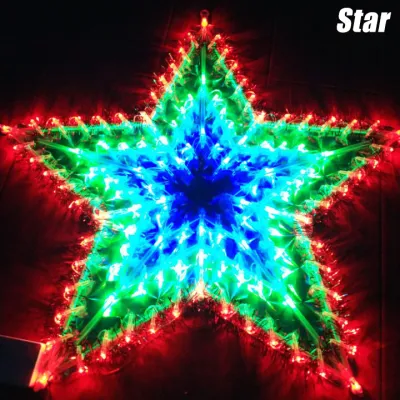
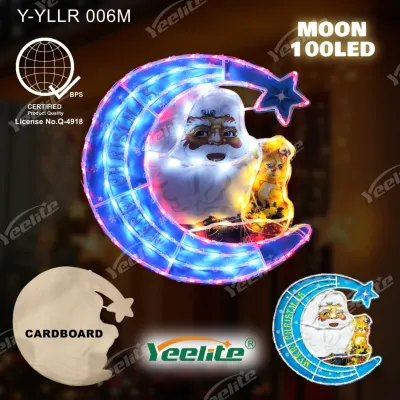
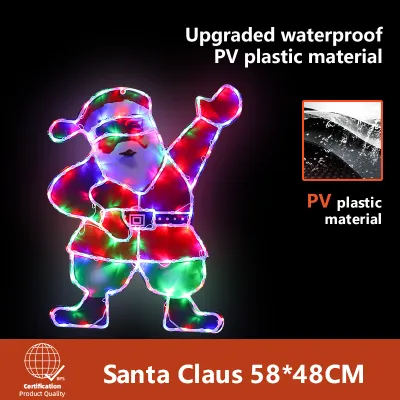
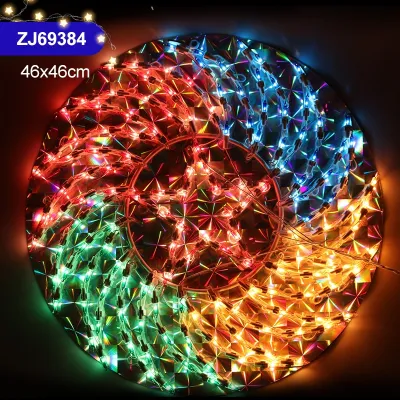
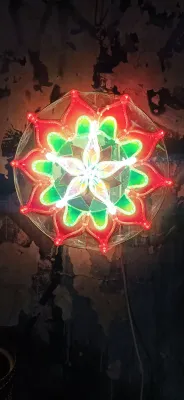
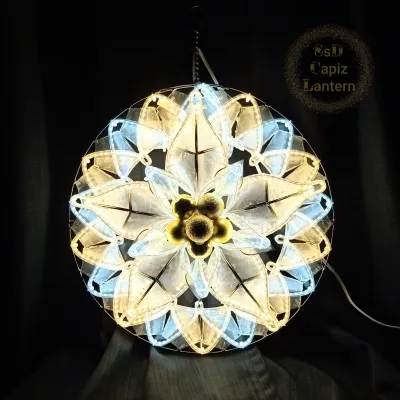
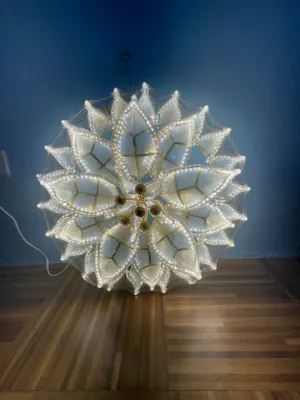
Prices are valid at publication and may change. Please refer to the product page for the latest price.
Aesthetics and Cultural Value: Handmade Charm vs Modern Glow
The visual presence of a parol christmas lantern sets the tone for your entire holiday decor scheme. While one style evokes warm memories of family gatherings and historic town plazas, the other introduces high-tech brilliance and clean, geometric patterns to contemporary spaces.

The Artisanal Appeal of Traditional Parols
Traditional parols carry an irreplaceable emotional weight, representing generations of Filipino craftsmanship. Typically constructed from split-bamboo frames (kalasag) and covered in translucent colored paper (papel de hapon) or natural capiz shells, these lanterns celebrate organic textures. The light diffusing through these semi-opaque materials produces a soft, warm, and slightly muted glow that modern light sources struggle to replicate perfectly.
Because these lanterns are crafted by hand, no two pieces are completely identical. Minor variations in the bamboo bends or the alignment of the paper panels add a distinct character and heritage value to your home. This organic, slightly imperfect aesthetic makes traditional parols the ideal choice for rustic, classic, or heritage-themed holiday setups.
These lanterns excel as indoor centerpieces, where their delicate details can be appreciated up close. Hanging a traditional paper parol in a prominent living room window or above a dining table instantly establishes a cozy, nostalgic atmosphere. They serve as physical connections to holiday traditions, making them highly favored by those who view Christmas decorating as a preservation of cultural heritage.
The Vibrant Versatility of LED Parols
Modern LED parols offer a completely different visual experience, defined by intense brightness, crisp color definition, and dynamic movement. Utilizing solid-state light-emitting diodes, these lanterns can project highly saturated colors that remain visible even from a significant distance. Many models feature programmable integrated circuits, allowing you to switch between steady glows, chasing patterns, fading transitions, and festive color-cycling modes.
Instead of delicate bamboo and paper, LED parols utilize rigid, modern materials such as molded acrylic, lightweight aluminum, and UV-resistant plastics. These materials allow manufacturers to create intricate, complex geometric shapes and clean, minimalist designs that complement modern architectural styles. The sharp lines and uniform illumination of an LED lantern fit seamlessly against concrete walls, glass facades, and contemporary steel gates.
This design flexibility extends to how the light is distributed across the lantern. Some LED models use frosted acrylic panels to mimic the diffused look of capiz shells, while others feature exposed, high-density LED strips that outline the star’s silhouette with piercing clarity. If your goal is to create a highly visible, energetic outdoor display that captures the attention of passersby, the brilliant output of an LED lantern is unmatched.
Safety, Durability, and Weather Resistance
Decorating for the holidays in a tropical climate requires careful attention to physical durability and electrical safety. High humidity, sudden rain showers, and strong seasonal winds can quickly turn an improperly selected lantern into a safety hazard or a ruined decoration.
Fire Safety and Electrical Risks
Traditional paper parols present a higher inherent fire risk due to the materials used in their construction. When equipped with older incandescent bulbs, the interior of a paper lantern can heat up rapidly, especially if the bulb exceeds the fixture’s recommended wattage limit. If the dry paper or bamboo frame comes into direct contact with a hot bulb, or if the internal wiring degrades over time, the risk of ignition increases significantly.
To mitigate these hazards, you must thoroughly inspect the wiring of any traditional parol before installation. Ensure the socket (commonly an E12 or E27 base) is securely mounted and that the wire insulation is completely intact without any cracks or exposed copper. If you must use a traditional frame, replace any incandescent bulbs with low-wattage, low-heat LED filament bulbs to keep operating temperatures safe.
Modern LED parols are engineered with safety as a primary feature, emitting virtually no heat even after hours of continuous operation. They typically operate on low-voltage direct current (DC) supplied by a step-down transformer, which greatly reduces the risk of severe electrical shocks. The wiring in commercial LED parols is usually heavily insulated and sealed against moisture, providing a much safer electrical profile for long-duration use.
Regardless of the style you choose, always verify that the product carries recognized electrical safety certifications. In the Philippines, look for the Philippine Standard (PS) quality mark or the Import Commodity Clearance (ICC) sticker on the packaging or cord. Before installing any lantern at height or working on balconies, always isolate the power supply at the main circuit breaker to prevent accidental shocks.
Withstanding Humidity and Wind
The Philippine holiday season often coincides with late-year typhoons, heavy monsoon rains, and high humidity levels. Traditional paper and bamboo parols are highly susceptible to moisture damage, as water quickly dissolves the starch-based glues holding the paper panels together. Damp paper tears easily under the slightest wind load, and the organic bamboo frame can warp or develop mold if exposed to humid air for extended periods.
Consequently, traditional paper parols must be kept strictly indoors or in fully enclosed, dry environments. Even a covered porch or veranda may not offer enough protection if strong winds blow rain sideways. If you choose to display a traditional capiz shell parol outdoors, ensure it has a protective clear backing and is hung in a deeply recessed, sheltered area where rain cannot reach the electrical components.
LED parols are far better equipped to handle outdoor environmental stressors, but they are not universally waterproof. Before hanging an LED lantern on an open facade, gate, or garden post, you must verify its Ingress Protection (IP) rating. An IP44 rating indicates resistance to splashing water from any direction, making it suitable for semi-sheltered outdoor areas, while an IP65 rating signifies complete dust tightness and resistance to water jets, allowing for fully exposed outdoor installation.
Never assume that an LED parol is safe for outdoor use simply because it is made of plastic or acrylic. If the product packaging does not explicitly state an outdoor IP rating or specify outdoor suitability, treat the unit as an indoor-only decoration. Additionally, ensure that all outdoor extension cords, plugs, and connection points are housed in weatherproof enclosure boxes to prevent short circuits during sudden downpours.
Maintenance, Storage, and Lifespan
Your holiday decorations should ideally last for several seasons, but the longevity of your parol depends heavily on how it is cleaned, stored, and maintained throughout the year.
Caring for Traditional Paper Parols
Traditional paper parols require delicate, hands-on maintenance to preserve their appearance. Because the colored paper is fragile, you cannot use water, damp cloths, or liquid household cleaners, which will instantly warp, discolor, or tear the material. Instead, cleaning should be limited to gentle dusting with a dry feather duster or a soft, clean microfiber cloth once a week.
Storage presents a significant challenge due to the organic nature of the materials. Traditional parols must be stored in a completely dry, cool, and pest-free environment to prevent damage from moisture, silverfish, cockroaches, or termites. It is highly recommended to store them in custom-sized, rigid cardboard or plastic boxes that prevent other items from crushing the delicate bamboo frame or puncturing the paper panels.
Because paper dyes naturally fade when exposed to sunlight and ambient moisture causes organic glues to degrade, traditional paper parols have a relatively short lifespan. A well-cared-for paper parol may only last one to three holiday seasons before requiring re-papering or replacement. Traditional capiz parols last longer, but the brass or lead frames can tarnish, requiring specialized metal polishes to restore their original shine.
Upkeep and Storage of LED Parols
LED parols are remarkably low-maintenance, thanks to their durable, non-porous synthetic materials. You can easily clean acrylic or plastic outer shells by wiping them down with a slightly damp microfiber cloth to remove dust, pollen, and outdoor grime. Always ensure the lantern is completely unplugged and isolated from the power source before performing any cleaning or maintenance.
When it comes to storage, the rigid construction of LED parols makes them much easier to handle. Many modern designs feature flat-pack or modular components that can be disassembled, allowing you to stack multiple units in a compact space without risking structural damage. Because they do not attract pests or degrade in dry storage, they can be safely kept in utility closets, garages, or attics.
While the physical frame of an LED parol can easily last for a decade, the electronic components have a finite operational life. Over time, integrated LED strips, controller chips, or power adapters may fail due to voltage fluctuations or moisture ingress. Fortunately, many of these electronic parts are modular, meaning you can often troubleshoot and replace a faulty power adapter or LED driver without needing to discard the entire lantern.
Cost, Power Consumption, and Long-Term Value
When evaluating the financial aspect of your holiday decorations, you must look beyond the initial purchase price. The total cost of ownership includes the upfront retail price, the ongoing electricity costs, and how frequently you will need to replace the item over time.
Traditional parols span a wide price spectrum depending on their size and materials. Simple, small-scale paper and bamboo lanterns can be purchased very affordably, often ranging from ₱150 to ₱500 in local markets. However, large, intricately designed artisanal capiz shell parols can command premium prices, starting from ₱2,500 and easily exceeding ₱10,000 for custom, motorized showpieces.
LED parols generally require a higher initial investment due to the cost of solid-state electronics, durable acrylics, and weather-resistant manufacturing. A standard-sized residential LED parol typically starts around ₱1,200, with larger, multi-patterned outdoor models ranging from ₱3,500 to over ₱8,000. Despite this higher upfront cost, LED technology offers substantial savings on your monthly electricity bill.
Because the Christmas season in the Philippines spans several months, keeping holiday lights on for six to eight hours every night can significantly impact household energy consumption. LEDs are highly efficient, consuming up to 85% less electricity than equivalent incandescent bulbs. For example, replacing a traditional parol illuminated by five 15-watt incandescent bulbs (75 watts total) with an LED parol that draws only 10 watts total results in noticeable savings over a three-month period.
To ensure safety and compatibility with your home’s electrical system, always verify the voltage and wattage specifications printed on the product label. Standard residential outlets in the Philippines supply 220V at 60Hz. Buying a lantern designed for a different voltage without using a proper transformer can permanently damage the electronics or create an electrical fire hazard.
How to Choose: Traditional or LED Parol?
To make your final decision, systematically evaluate your home’s physical layout, your aesthetic preferences, and your practical capacity for maintenance.
Choose a Traditional Parol if:
- You want to preserve cultural authenticity and value the nostalgic, warm aesthetic of handmade Filipino craftsmanship.
- You plan to display the lantern strictly indoors, in a front window, or on a deeply recessed, fully sheltered balcony.
- You are willing to handle a delicate item with care during cleaning and have a dry, pest-free storage space to protect it during the off-season.
- You prefer a softer, diffused glow over flashing, high-intensity light patterns.
Choose an LED Parol if:
- You want to hang your lantern outdoors on an exposed facade, gate, or garden area where it must withstand wind and rain.
- You prefer bright, vibrant colors and dynamic, programmable light shows that are highly visible from a distance.
- You want a durable, low-maintenance decoration that is easy to clean, simple to store, and built to last for many years.
- You keep your holiday lights on for extended periods and want to minimize your seasonal electricity consumption.
Verify first if:
- Your chosen installation spot has a secure anchor point; heavier acrylic or metal LED parols require sturdy hooks and chains to resist strong winds.
- Your outdoor electrical outlets are properly grounded, equipped with Ground Fault Circuit Interrupter (GFCI) protection, and sheltered from rain.
- You have verified the voltage compatibility (220V) and checked for official quality certification marks (PS or ICC) on the product before purchase.
Frequently Asked Questions (FAQ)
Can I use an LED parol outdoors in the rain?
You can only use an LED parol outdoors in the rain if the product packaging or manufacturer specifications explicitly state an appropriate outdoor IP rating, such as IP44 or IP65. If the lantern lacks a certified weather-resistant rating, rain can easily penetrate the casing, causing electrical short circuits, corrosion, and permanent damage to the LED driver. Always ensure that all power plugs, extension cord connections, and controller boxes are housed in specialized weatherproof enclosure boxes, as these components are rarely waterproof even on outdoor-rated lanterns.
How do I prevent a traditional paper parol from catching fire?
To minimize fire risks, replace any high-heat incandescent bulbs inside the traditional parol with low-wattage, low-heat LED filament bulbs that remain cool to the touch. Ensure that the bulb is securely positioned in its socket and does not physically contact the paper panels or the dry bamboo frame. Thoroughly inspect the power cord for any signs of cracking, fraying, or exposed copper before plugging it in, and never leave a traditional paper lantern illuminated while unattended or overnight.
Community discussion
Share your experience or ask a question. Comments are reviewed before publication.