
Quick Answer: Traditional or LED Parol?
When choosing a parol to decorate your home for the holidays, the decision between a traditional bamboo-and-paper design and a modern LED model depends primarily on your installation environment, aesthetic preferences, and maintenance expectations. Both styles bring a unique festive spirit to a space, but they perform very differently under different conditions.
- Choose Traditional if: You prioritize authentic cultural craftsmanship, a warm, nostalgic glow, and supporting local artisans. These delicate ornaments are ideal for indoor rooms, covered entryways, or fully sheltered, dry spaces.
- Choose LED if: You require long-lasting durability, vibrant or dynamic color-changing effects, high outdoor weather resistance, and a lower fire risk for extended holiday use. These robust fixtures are perfect for home facades, gardens, and open balconies.
Ultimately, the best choice depends on whether your primary display site is indoors or outdoors, and the specific aesthetic goal you want to achieve for your living space.
Aesthetics and Cultural Appeal
Traditional bamboo-and-paper parols carry a profound sense of heritage and nostalgic warmth. Handcrafted from split bamboo frames and covered with colorful Japanese paper (papel de Hapon) or translucent cellophane, these ornaments represent a centuries-old holiday tradition. The light source inside—typically a warm incandescent bulb or a simple LED bulb—diffuses softly through the paper layers, producing a gentle, comforting glow. This soft illumination highlights the intricate folds, tails, and tassels characteristic of classic Filipino craftsmanship. These traditional designs serve as excellent indoor focal points, bringing a cozy, heritage-themed ambiance to living rooms, dining areas, or covered entryways.
Products mentioned in this guide
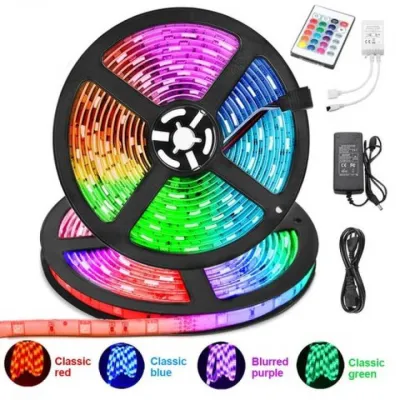
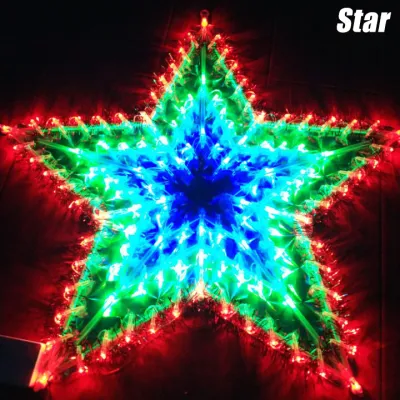
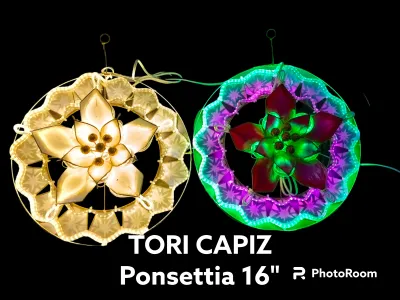
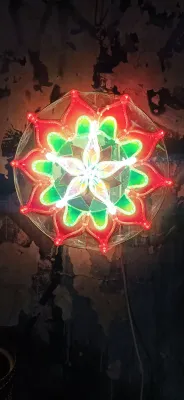
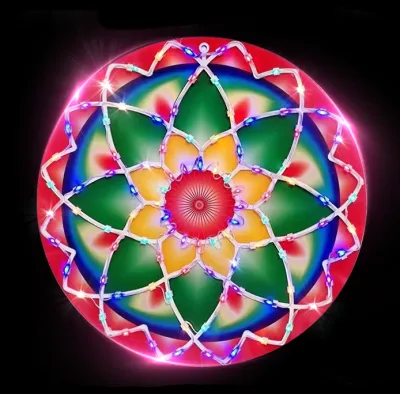
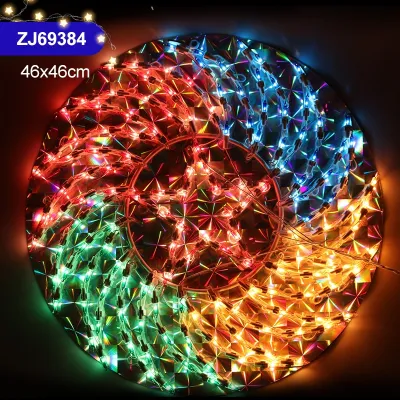

Prices are valid at publication and may change. Please refer to the product page for the latest price.

In contrast, modern LED parols offer a striking visual presence characterized by high brightness, sharp contrast, and dynamic motion. Often constructed with acrylic, plastic, or metal wireframes, these parols utilize hundreds of tiny light-emitting diodes to create intricate patterns. Many LED models feature programmable microcontrollers that allow for chasing lights, pulsing stars, and multi-colored sequences that can be seen from far down the street. This high visibility makes them exceptionally well-suited for modern home exteriors, high-elevation window displays, and open facades where subtle lighting would otherwise be lost in the night.
The choice of light temperature and color options significantly shapes the room’s overall ambiance. Warm white tones (typically around 2700K to 3000K) evoke a traditional, intimate, and relaxing atmosphere, making them popular for family spaces and classic interior designs. Cool white tones (5000K to 6500K) or vibrant RGB color schemes deliver a clean, energetic, and festive feel that aligns well with contemporary architecture and high-impact outdoor displays. When choosing, consider how the parol’s light will interact with your existing interior color palette and lighting fixtures.
Durability, Weather Resistance, and Maintenance
Material lifespan is a major differentiator between traditional and modern parols. Traditional models rely on organic materials like bamboo, paper, and starch paste. These components are naturally fragile and susceptible to physical tearing, warping, and insect damage over time. Cellophane can become brittle when exposed to heat, and paper can easily tear during handling or storage. Conversely, modern LED parols are built with resilient synthetic materials. Acrylic panels, molded plastic housings, and powder-coated steel or aluminum frames provide a rigid structure that resists physical impacts, bending, and structural degradation, allowing the ornament to last for many holiday seasons.
Weather resistance is particularly critical in tropical environments where high humidity, sudden downpours, and strong winds are common. Traditional bamboo-and-paper parols possess virtually no water resistance; exposure to moisture will dissolve the adhesive, sag or tear the paper, and cause the bamboo frame to mold or rot. Consequently, they must be kept strictly indoors or in fully enclosed, dry patios. For outdoor installations, LED parols are the standard choice, but you must verify the Ingress Protection (IP) rating on the manufacturer’s label before mounting them. Look for outdoor-rated fixtures, typically carrying an IP44 rating (resistant to splashing water) or an IP65 rating (resistant to water jets and dust), to ensure the internal circuitry is sealed against heavy rain and tropical humidity.
Proper maintenance and seasonal storage are essential to preserve the structural and electrical integrity of both types. For traditional parols, maintenance is limited to gentle dusting with a soft, dry microfiber cloth or a feather duster. Avoid using damp cloths, liquid cleaners, or chemical sprays, which will ruin the paper and weaken the adhesive joints. When storing traditional pieces, wrap them loosely in acid-free tissue paper or clean cotton sheets, and place them in a sturdy, well-ventilated cardboard box to prevent crushing and moisture buildup. For LED parols, wipe down the plastic or acrylic frames with a slightly damp cloth to remove outdoor grime, ensuring the power is disconnected first. Inspect the physical wiring, plug, and LED strips for any signs of cracking, fraying, or corrosion before packing them in a secure storage container.
Safety and Electrical Considerations
Fire safety is a primary concern when operating holiday lighting for long hours. Traditional parols that utilize standard incandescent bulbs generate a significant amount of heat within a confined, flammable paper-and-bamboo structure. If the bulb directly touches the paper lining or if the wattage exceeds the structure’s heat dissipation capacity, it poses a severe fire hazard. If you use a traditional parol, ensure it is fitted with a low-wattage, low-heat LED bulb rather than an incandescent one. Keep all paper and bamboo decorations far away from open flames, candles, kitchen stoves, and high-heat appliances.
Modern LED parols are inherently safer regarding heat emission. LEDs convert the vast majority of their energy into light rather than heat, remaining cool to the touch even after hours of continuous operation. However, electrical safety must still be verified. Always check the product’s voltage compatibility to ensure it matches the standard 220V household supply used in the Philippines. Inspect the plug type and the overall physical condition of the power cords. Look for recognized safety certifications, such as the Philippine Standard (PS) mark or the Import Commodity Clearance (ICC) sticker, which indicate that the electrical components have undergone rigorous safety testing.
Safe installation practices prevent physical accidents and electrical failures. Large or heavy parols, especially those with solid acrylic panels or metal frames, must be hung securely using weight-rated hooks, chains, or heavy-duty nylon cords attached to structural beams or solid wall anchors. Never hang a heavy ornament directly by its electrical wire, as this strains the connections and can cause short circuits. For outdoor setups, ensure all extension cords and power strips are explicitly rated for outdoor use and kept off the ground using protective, water-resistant junction boxes. Always isolate the power by turning off the main circuit breaker before connecting any fixed wiring or climbing to install high-elevation displays. For complex exterior setups, multi-story facades, or custom hardwired installations, strongly advise consulting a qualified electrician to ensure compliance with local electrical codes.
Budget and Long-Term Value
The initial investment for a parol can vary widely depending on craftsmanship, materials, and features. Traditional bamboo-and-paper parols are often handcrafted by local artisans, with prices reflecting the labor-intensive construction process. Small, simple paper stars can be highly affordable, starting around ₱150 to ₱500. However, larger, highly detailed artisan pieces made from premium materials like capiz shells (which bridge the gap between traditional and modern) or intricate custom paper cuts can cost anywhere from ₱1,500 to over ₱5,000. Mass-produced or standard LED parols also occupy a broad price spectrum. Basic LED models start around ₱800, while large, multi-patterned, programmable acrylic LED parols with advanced light controllers can range from ₱3,000 to ₱10,000 or more, depending on their size and complexity.
Energy efficiency is a crucial factor when calculating the long-term cost of your holiday decorations. Because the holiday season in the Philippines traditionally starts as early as September and runs through January, parols are often left illuminated for six to twelve hours daily. LEDs consume up to 80% to 90% less electricity than traditional incandescent bulbs of equivalent brightness. Running a high-wattage incandescent setup over several months can lead to a noticeable increase in your monthly utility bill, whereas an energy-efficient LED system keeps operating costs minimal.
To perform a comprehensive value assessment, evaluate the cost per use over several years. A fragile paper-and-bamboo parol may only last one or two seasons before the paper fades, tears, or succumbs to humidity, requiring a replacement. This makes its long-term cost higher despite a lower initial purchase price. A well-constructed LED parol, made from durable acrylic or plastic and stored properly, can easily last five to ten years. Investing a bit more upfront for a durable, energy-efficient model often yields better long-term value, while purchasing a traditional piece represents a direct investment in preserving local cultural craftsmanship.
Decision Framework: Which Parol Fits Your Home?
To finalize your purchasing decision, use this quick checklist to match a parol type with your home’s specific requirements:
- Aesthetic Preference: If your home features classic, rustic, or heritage-inspired interior decor, a traditional bamboo-and-paper parol provides the ideal warm, nostalgic charm. If your home has a modern, minimalist, or contemporary design, a sleek, bright LED parol fits the aesthetic perfectly.
- Display Location: Choose traditional parols exclusively for dry indoor rooms, covered hallways, or fully enclosed balconies. Choose weather-rated LED parols (with verified IP44 or IP65 ratings) for open facades, gardens, gates, and any area exposed to wind, rain, and high humidity.
- Maintenance and Longevity: If you enjoy seasonal decorating and don't mind delicate handling, gentle dusting, and careful storage, a traditional model is a rewarding choice. If you prefer a "set-and-forget" option that resists physical wear and can be reused year after year with minimal maintenance, opt for an LED model.
- Safety Priorities: For households with active pets, small children, or limited ventilation around the display area, the cool-to-the-touch operation of LED lights offers superior peace of mind.
Before checking out, especially when purchasing from online marketplaces where you cannot physically handle the item, carefully read the product specifications. Verify the exact dimensions, total weight, power source requirements, and material composition. Checking customer reviews for real-world photos and feedback on build quality can help ensure the parol you receive matches your expectations and safely fits your intended display space.
Frequently Asked Questions (FAQ)
Can I use a traditional paper parol outdoors?
Traditional paper and bamboo parols should not be used outdoors unless they are placed in a completely dry, enclosed, and weather-protected space like a fully screened porch. Exposure to outdoor elements—such as rain, high humidity, dew, and wind—will quickly dissolve the water-soluble adhesives, warp or tear the delicate paper, and cause the bamboo frame to rot or mold. Additionally, moisture entering the bulb socket or wiring of an unrated traditional parol poses a severe risk of electrical short circuits, shock, or fire. For any outdoor display exposed to the weather, always choose a dedicated, outdoor-rated LED parol.
How do I safely store my parol after the holidays?
To store your parol safely, first disconnect it from the power source and allow any bulbs to cool completely. For traditional parols, gently dust the entire surface with a dry microfiber cloth, remove any detachable light bulbs or cables, wrap the frame loosely in acid-free tissue paper, and place it flat in a sturdy box where it won’t be crushed. For LED parols, wipe down the plastic or acrylic frame with a slightly damp cloth to remove dust and outdoor grime, inspect the wiring for any damage, coil the power cord loosely to avoid kinking, and store the unit in a cool, dry place away from direct sunlight to prevent color fading and plastic degradation.
Community discussion
Share your experience or ask a question. Comments are reviewed before publication.