
Quick Diagnostic: Traditional or LED Pinya Lantern?
The iconic “pinya” (pineapple) shape is a cherished symbol of hospitality, warmth, and festive cheer in Filipino households. As the holiday season approaches, choosing the right parol to adorn your home involves balancing classic craftsmanship with modern convenience. Today, this distinctive pineapple silhouette is widely available in both traditional bamboo-and-paper constructions and contemporary LED-driven designs. Deciding which version is right for your home depends on where you plan to hang it, how long you intend to keep it lit, and your willingness to handle delicate maintenance.
To help you make an immediate assessment, consider this quick diagnostic mapping:
- Display Location: If you are decorating an enclosed living room, hallway, or fully covered porch, a traditional lantern is a beautiful option. If you are hanging the lantern on an open balcony, garden trellis, or exterior wall exposed to the elements, a weather-resistant LED lantern is highly recommended.
- Usage Duration: For households that only turn on their holiday lights for a few hours during evening family gatherings, traditional options work beautifully. For continuous, round-the-clock, or all-night illumination throughout the "Ber" months, LED options provide superior safety and efficiency.
- Maintenance and Storage: If you enjoy the hands-on ritual of carefully dry-dusting fragile decor and have ample, dry storage space, the traditional route is highly rewarding. If you prefer low-effort cleaning, collapsible frames, and quick post-holiday packing, an LED model is the more practical choice.
Understanding the Materials: Bamboo Paper vs. LED Construction
The fundamental difference between these two lantern types lies entirely in their structural materials and light sources, rather than the pineapple shape itself. Traditional pinya lanterns are handcrafted masterpieces. Artisans build these classic structures using a flexible split-bamboo frame, carefully wrapping and gluing layers of translucent Japanese paper (papel de hapon) or cellophane over the ribs. Some premium traditional varieties incorporate polished capiz shell accents for an added layer of texture. Modern traditional lanterns typically house a standard incandescent bulb. This combination produces a soft, organic, and exceptionally warm glow that diffuses gently through the paper, creating a nostalgic atmosphere. However, these materials are inherently fragile, highly sensitive to moisture, and susceptible to tearing under physical stress.
Products mentioned in this guide
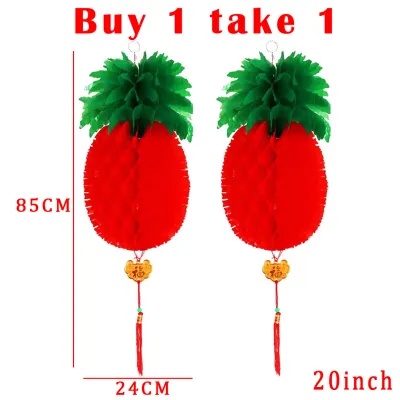
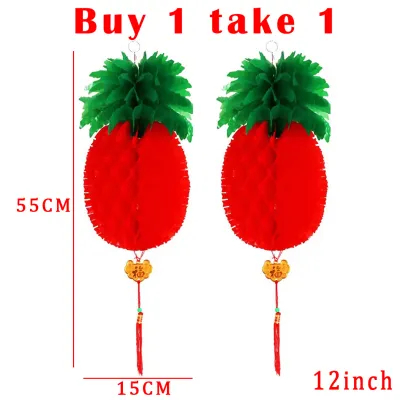
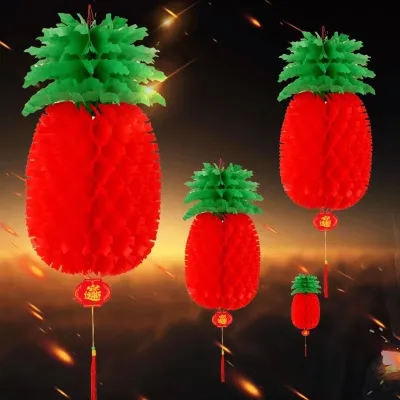
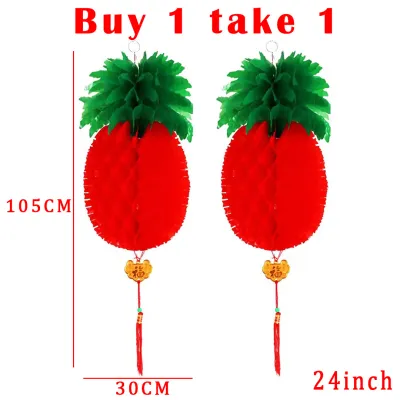
![BUY 1 TAKE 1 [10/16/24-Inch] Lucky Red Pineapple Lantern Pinya Parol Christmas Decoration & 2026 Chinese New Year Feng Shui Charm (High Quality Waterproof)](https://img.lazcdn.com/g/p/13795fee9511dbd7fdfd075f2b0b57af.jpg_400x400q80.jpg_.webp)
Prices are valid at publication and may change. Please refer to the product page for the latest price.

In contrast, LED pinya lanterns represent a modern evolution of the classic parol. These contemporary fixtures are constructed using treated bamboo, lightweight plastics, acrylics, or rust-resistant metal wireframes designed to withstand physical handling. Instead of delicate paper, they are often covered with durable synthetic fabrics, tough plastics, or heavy-duty outdoor films. The primary light source consists of integrated LED light strips or solid-state LED bulbs. This technology allows for incredible durability, high energy efficiency, and a wide array of lighting effects, including programmed color-chasing patterns and adjustable brightness levels. By understanding these structural differences, you can better evaluate how each material behaves under various household conditions.
Diagnostic 1: Evaluating Your Display Location and Climate Exposure
The tropical climate of the Philippines introduces unique environmental challenges, from intense afternoon heat and high humidity to sudden torrential downpours. Where you choose to hang your pinya lantern directly dictates which material construction will remain safe and visually appealing throughout the season.
Indoor and Protected Areas
Living rooms, enclosed entryways, and fully covered verandas provide the ideal sanctuary for traditional bamboo and paper pinya lanterns. In these controlled indoor spaces, the delicate papel de hapon is completely shielded from wind-driven rain and excessive moisture. Without the threat of dampness, the bamboo frame retains its structural tension and shape, preventing the paper from sagging or warping. Furthermore, indoor placement protects the vibrant dyes of the paper from direct sunlight, ensuring that the rich colors do not fade or bleed prematurely over the weeks of display.
Semi-Outdoor and Exposed Areas
Hanging a delicate paper lantern on an open balcony, an unshielded window frame, or an outdoor garden post exposes it to severe weather risks. High humidity alone can weaken the water-soluble glue holding traditional paper lanterns together, while a sudden tropical rainstorm can instantly ruin the paper cover and warp the underlying bamboo frame. More importantly, exposing non-waterproof electrical sockets and incandescent bulbs to rain creates severe short-circuit and shock hazards. For these exposed, semi-outdoor areas, you should always opt for weather-resistant LED lanterns. These models feature sealed electronic housings, waterproof gaskets, and durable synthetic covers designed to shed water and resist wind damage without compromising safety.
High Ceilings and Hard-to-Reach Spots
A large pinya lantern hanging from a double-height atrium ceiling or high outdoor eaves makes a dramatic visual statement, but it introduces significant logistical challenges. Traditional lanterns rely on incandescent bulbs, which have a relatively short operating life and generate substantial heat. When a bulb burns out in a high, hard-to-reach spot, replacing it requires retrieving a tall ladder, presenting a clear physical risk. Choosing an integrated LED unit or a lantern fitted with long-lasting LED bulbs is the most practical solution for elevated installations. Because quality LEDs can operate reliably for tens of thousands of hours, they virtually eliminate the need for frequent, hazardous ladder climbs to replace dead bulbs.
Diagnostic 2: Assessing Usage Duration and Power Accessibility
How you plan to operate your holiday lighting on a daily basis plays a critical role in determining the safest and most cost-effective option for your home.
Daily Runtime and Heat Output
Traditional incandescent bulbs operate by heating a metal filament, which generates substantial heat alongside light. When enclosed within the tight, paper-covered body of a traditional pinya lantern, this heat can build up rapidly over hours of continuous operation. If you intend to leave your parol lit overnight, or if you run it continuously throughout the day, this constant heat output poses a real fire hazard if the paper becomes dry or comes into contact with the bulb. LED pinya lanterns, on the other hand, operate at exceptionally cool temperatures, making them inherently safer for extended runtimes. Additionally, LEDs consume up to 80% less electricity than traditional incandescent bulbs, allowing you to keep your home festive day and night without facing a massive spike in your household power bill.
Wiring and Outlet Accessibility
Installing a traditional pinya lantern often requires routing thick, heavy-duty electrical cords to a standard 220V wall outlet. These systems typically utilize standard bulb sockets (such as E27 or E14 bases) that demand direct line voltage, which can result in bulky wires draping across your walls or floors. Managing these cords safely requires careful routing to keep them clear of high-traffic walkways where they could become tripping hazards. In contrast, many modern LED pinya lanterns are engineered with thin, lightweight, low-voltage wiring and compact power adapters. Some smaller decorative LED models even run on battery power, eliminating the need for wall outlets entirely. These battery-operated or low-voltage options are highly convenient for illuminating stairwells, dining table centerpieces, or garden paths where access to a standard electrical outlet is limited or non-existent.
Diagnostic 3: Matching Your Maintenance and Storage Willingness
The lifecycle of a holiday lantern extends far beyond the festive season. Considering the effort required to clean, maintain, and store your parol will ensure you make a choice that fits your lifestyle.
Cleaning and Dust Management
The intricate layers, folds, and delicate fringes of a traditional paper pinya lantern are notorious dust magnets. Because papel de hapon is highly sensitive to moisture, you cannot use damp cloths, liquid sprays, or household cleaning solutions to clean it, as doing so will tear the paper and ruin the dyes. Instead, maintaining a traditional lantern requires patient, meticulous dry-dusting using a soft-bristled brush, a feather duster, or a gentle static duster. For busy households, this can become a tedious chore. Modern LED lanterns made from plastic, acrylic, or weather-sealed synthetic fabrics offer a much simpler maintenance routine. These durable surfaces can be wiped down quickly with a slightly damp microfiber cloth to remove accumulated dust, grease, or outdoor grime, saving you valuable time and effort.
Storage and Reusability
When the holiday season concludes, storing your decorations properly determines whether they will survive to see the next year. Traditional bamboo and paper lanterns are bulky, structurally delicate, and highly vulnerable to physical pressure. If stored in a humid attic, closet, or outdoor stockroom, they are prone to attracting pests, gathering mold, or getting crushed under heavier boxes. Preserving a traditional lantern requires a dedicated, rigid storage container and a dry, temperature-controlled environment. LED pinya lanterns are far more forgiving. Many modern models feature collapsible frames, detachable components, or highly resilient synthetic materials. These designs allow the lanterns to be packed flat or stored compactly, resisting moisture and moderate pressure so they emerge from storage in perfect working order year after year.
Safety and Installation Checklist for Parol Displays
Regardless of whether you choose a traditional or an LED pinya lantern, safety must always be your top priority during installation. Before hanging your holiday display, review this essential checklist to protect your home and family:
- Verify Electrical Specifications: Always check that the operating voltage of your lantern matches your home's electrical supply (typically 220V in the Philippines). Look for valid electrical safety certifications, such as the Product Safety (PS) mark or the Import Commodity Clearance (ICC) sticker, to ensure the product meets national safety standards.
- Check Wattage and Bulb Compatibility: If you are using a traditional lantern with a replaceable bulb, never exceed the maximum wattage limit specified on the socket or frame. If you choose to use a dimming method, verify that both the bulb and any integrated controller are explicitly rated as dimmable. Treat perceived color temperature (such as warm white versus cool white) as a conditional preference rather than a universal performance fact.
- Inspect Cords and Connections: Before plugging in any lantern—especially one retrieved from storage—carefully inspect the power cord for signs of cracking, fraying, or exposed copper. Discard any damaged wiring immediately.
- Assess Structural Load Capacity: Ensure that your ceiling hooks, wall anchors, window frames, or eaves can safely support the weight of your lantern, particularly for larger, multi-tiered pinya designs. Use heavy-duty, weather-resistant mounting hardware rather than temporary tape or thin string.
- Maintain Safe Clearances: Keep paper-based lanterns a safe distance away from heat-generating appliances, curtains, or other flammable household materials.
- Observe Professional Boundaries: For any installation involving fixed electrical wiring, mounting fixtures in damp or wet outdoor environments, or working at significant heights, always isolate the power at the main circuit breaker before beginning. If you encounter complex wiring challenges, frayed household circuits, or incompatible fixtures, stop immediately and consult a qualified, licensed electrician. Do not attempt to bypass safety grounds or perform DIY electrical modifications.
Frequently Asked Questions (FAQ)
Can I convert a traditional paper pinya lantern to use LED bulbs?
Yes, swapping out an old incandescent bulb for a compatible LED bulb is a highly practical way to upgrade a traditional paper lantern. When making this switch, ensure the replacement LED bulb features the correct base interface (typically E27 or E14), matches your household voltage, and does not exceed the fixture’s maximum wattage rating. While utilizing an LED bulb significantly reduces heat output inside the delicate paper frame—making it much safer for extended runtimes—it does not alter the physical vulnerability of the paper itself. The lantern will still remain highly sensitive to wind, moisture, and tearing, and must continue to be displayed only in dry, fully protected indoor environments.
Are battery-operated LED pinya lanterns bright enough for outdoor display?
Battery-operated LED pinya lanterns offer exceptional portability and convenience, but they involve a distinct trade-off in terms of overall brightness and operating runtime. Before purchasing, it is essential to check the manufacturer’s specified lumen output and estimated battery life. While these portable, battery-powered models are excellent for providing subtle accent lighting on covered patios, stairwells, or festive dining tables, they generally do not produce the high-intensity illumination required to light up a large outdoor home facade. For prominent exterior displays, plug-in LED lanterns connected to a reliable power source remain the superior choice.
Community discussion
Share your experience or ask a question. Comments are reviewed before publication.