
A bedroom is no longer just a place to sleep. In modern homes across the Philippines, it serves as a home office, a dressing room, and a personal sanctuary to escape the daily hustle. Achieving the perfect ambiance for these diverse activities requires lighting that can adapt instantly. Installing a bed room light ceiling tri color fixture solves this challenge by providing three distinct lighting environments in a single unit. Instead of cluttering your ceiling with multiple fixtures, a tri-color light lets you transition seamlessly from a bright, productive morning to a calm, restful evening with a simple click.
Selecting the right lighting setup involves understanding how different light temperatures affect your mood, productivity, and sleep quality. By matching these color temperatures to your daily routine, you can transform your bedroom into a highly functional, comfortable space. This guide explains how tri-color LED ceiling lights work, how to map them to your daily activities, and what technical specifications to check before making a purchase.
How Tri-Color LED Ceiling Lights Work
Tri-color LED ceiling lights integrate multiple light-emitting diode chips with different color temperatures into a single fixture. Typically, these fixtures contain a mix of warm white and cool daylight LED chips. By regulating the electrical current sent to these different chips, the internal LED driver can produce three distinct color profiles. This design eliminates the need to install separate warm and cool fixtures, saving valuable ceiling space and reducing overall installation costs.
Products mentioned in this guide
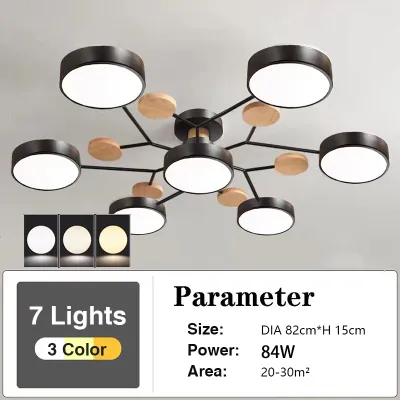
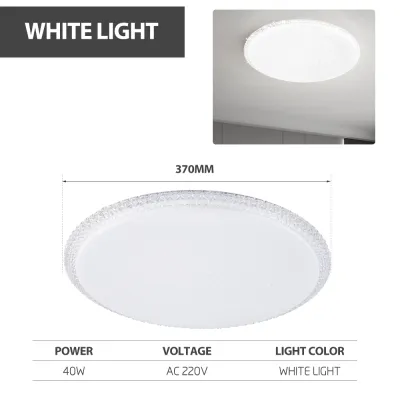
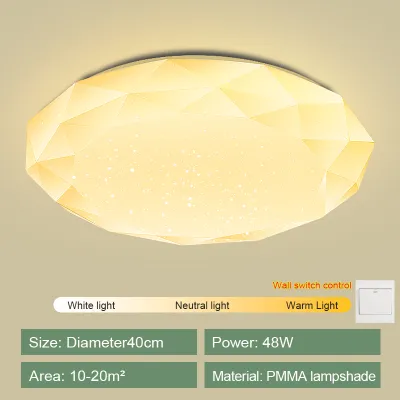
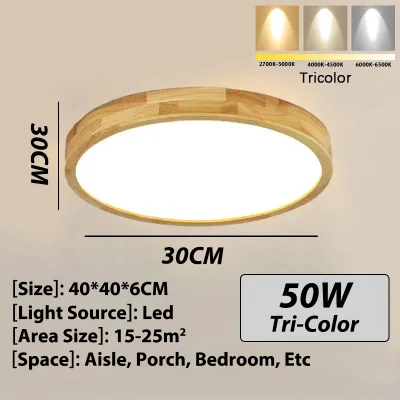
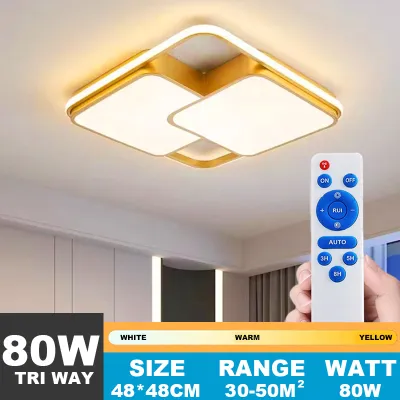
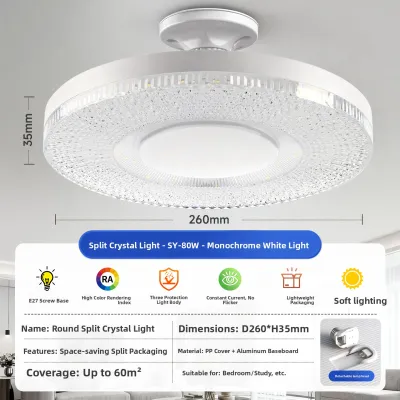
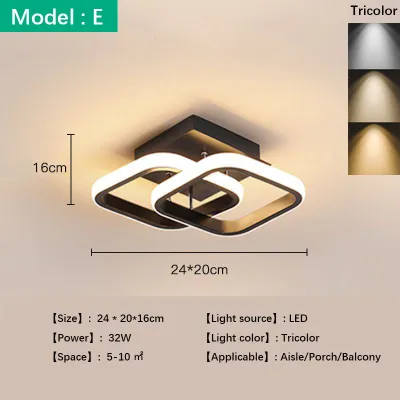
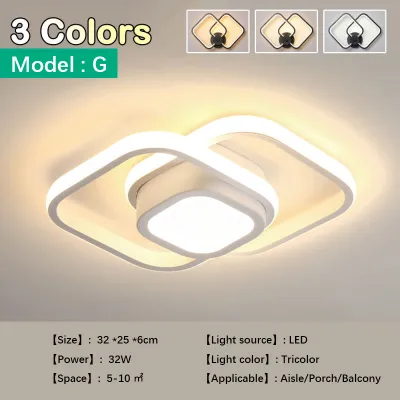
Prices are valid at publication and may change. Please refer to the product page for the latest price.
The three standard color temperatures integrated into these fixtures are warm white (approximately 3000K), neutral white (approximately 4000K), and cool daylight (approximately 6000K to 6500K). These settings correspond to different phases of natural daylight, allowing you to replicate the sun’s natural cycle indoors. Having access to all three temperatures in a single fixture provides exceptional versatility for multi-purpose bedrooms.
Operating a tri-color ceiling light is remarkably straightforward and does not require complex smart home hubs. Most standard models utilize a simple wall switch toggling mechanism. When you turn the light switch off and on within a few seconds, the fixture cycles to the next color temperature. Other models come equipped with a dedicated remote control or wireless wall switches, allowing you to change the color temperature or adjust brightness levels directly from your bed. Many modern fixtures also feature a built-in memory function that retains your last selected color setting when the light is turned off for an extended period.
From a practical standpoint, tri-color fixtures offer excellent cost-effectiveness for homeowners in the Philippines. Instead of purchasing, wiring, and maintaining three separate light fixtures to achieve layered lighting, you only need to invest in one high-quality unit. This significantly reduces your initial material costs, simplifies the electrical layout of your ceiling, and lowers future maintenance efforts. Additionally, because these fixtures utilize highly efficient LED technology, they consume minimal electricity while delivering excellent light output.
Matching Light Temperature to Your Daily Bedroom Routine
To maximize the benefits of a tri-color ceiling light, it is essential to align each color temperature with your specific daily activities. Your body’s circadian rhythm is highly sensitive to light, meaning the color of your bedroom lighting can either help you wake up in the morning or prepare you for deep sleep at night.

Winding Down and Sleep Preparation (Warm Light)
Warm white light, which typically sits around 3000K, produces a soft, amber glow that closely mimics the warm hues of a sunset. This color temperature is ideal for creating a cozy, intimate, and relaxing atmosphere in the bedroom. In the evening, as you prepare to rest, switching your ceiling light to this warm setting signals to your brain that the active part of the day has ended.
Using warm light in the evening is highly beneficial for your natural sleep hygiene. Harsh blue light, which is highly prevalent in cool daylight settings and digital screens, suppresses the body’s production of melatonin, the hormone responsible for regulating sleep. By transitioning to a warm, low-blue light environment at least two hours before bed, you allow your body to wind down naturally, making it easier to fall asleep and enjoy deeper rest.
This setting is perfect for low-focus evening activities that promote relaxation. Whether you are listening to a podcast, practicing light stretching, meditating, or chatting with family, the gentle glow of warm light helps lower your stress levels. It creates a soothing environment that helps you escape the heat and noise of the day, transforming your bedroom into a peaceful sanctuary.
Reading and Focused Tasks (Neutral Light)
Neutral white light, centered around 4000K, provides a balanced, clean light that is neither too yellow nor too blue. It closely resembles the natural light of a slightly overcast midday sky. This setting offers excellent visual clarity without the stark, clinical feel of cool daylight, making it the most versatile option for daytime use and focused tasks.
If you enjoy reading in bed, journaling, or catching up on work on your laptop, neutral light is the optimal choice. It provides sufficient contrast for reading small text easily, reducing eye strain and fatigue during prolonged periods of focus. Unlike warm light, which can sometimes make eyes feel heavy and tired, neutral light keeps your mind alert and focused without overstimulating your nervous system.
While a ceiling fixture provides excellent general illumination, it is important to consider the positioning of your bed. If the ceiling light is located directly behind or above your head while you read, it may cast distracting shadows over your book or device. In such cases, combining your neutral ceiling light with an adjustable bedside reading lamp ensures a perfectly illuminated, shadow-free reading environment.
Getting Ready and Dressing (Cool Daylight)
Cool daylight, ranging from 6000K to 6500K, delivers a bright, crisp, blue-toned white light that mimics the clear morning sun. This high-energy light temperature is designed to stimulate alertness and help wake up the brain. It is highly effective at the start of the day when you need to shake off morning grogginess and prepare for a busy schedule.
This setting is particularly useful for tasks that demand high visual accuracy and precise color perception. When you are choosing outfits, matching colors, applying makeup, or packing bags for work or travel, cool daylight ensures you see colors exactly as they will appear outdoors under natural sunlight. It eliminates the distorting yellow cast of warm lights, preventing embarrassing makeup or clothing color mismatches.
If accurate color representation is a priority for your morning routine, pay close attention to the Color Rendering Index (CRI) listed on the product label. The CRI measures how accurately a light source reveals the true colors of objects compared to natural daylight. For dressing areas and vanity spaces, look for a tri-color fixture with a CRI rating of 80 or higher, which ensures vibrant, true-to-life colors under the cool daylight setting.
What to Look for When Buying a Tri-Color Bedroom Fixture
When shopping for a tri-color bedroom ceiling light on local online marketplaces or at home improvement stores, comparing technical specifications is crucial to finding a durable, safe, and effective product.
- Brightness and Wattage: Do not select a fixture based on wattage alone, as LED efficiency varies across brands. Instead, look at the lumen output, which measures the actual brightness. For a standard bedroom measuring 10 to 15 square meters, a total light output of 1,500 to 2,500 lumens is generally sufficient. Ensure the fixture operates on the standard Philippine voltage of 220V to 240V at 60Hz to prevent driver damage or premature failure.
- Switching Convenience: Consider how you prefer to control the light. Standard wall-switch models are highly reliable and budget-friendly, but they require you to physically walk to the switch to change colors. If you prefer convenience, look for models that include an infrared or radio-frequency remote control, or smart-enabled fixtures that connect to your smartphone. This allows you to adjust the color temperature and dim the light without leaving the comfort of your bed.
- Form Factor and Aesthetics: Choose between recessed LED panels and surface-mounted ceiling fixtures. Recessed panels sit flush with the ceiling, creating a clean, minimalist look that is perfect for low ceilings or modern interior designs. However, they require a false ceiling, such as gypsum or acoustic board, with sufficient clearance space. If you have a solid concrete slab ceiling, a surface-mounted fixture is much easier to install as it does not require cutting large holes into the structure.
- Glare Control: Because you will spend a significant amount of time lying in bed looking upward, glare protection is essential for eye comfort. Avoid fixtures with clear covers that expose bare LED chips. Instead, select lights with high-quality frosted polycarbonate or PMMA diffusers. These materials scatter the light evenly, eliminating harsh hot spots and reducing direct glare to protect your eyes when you look at the ceiling.
Safe Installation and Wiring Boundaries
Installing a new ceiling light fixture requires strict adherence to electrical safety protocols to protect your home and family. Before attempting any electrical work, always locate your home’s main distribution panel and turn off the circuit breaker dedicated to the bedroom lighting circuit. Use a reliable voltage tester on the wires at the ceiling junction box to verify that the power is completely isolated before touching any connections.
If you are installing a recessed LED panel, you must verify the structural integrity of your ceiling before making any cuts. Avoid cutting through structural timber joists or metal framing channels, as this can compromise the strength of your ceiling. Ensure there is adequate ventilation space above the fixture to allow heat to dissipate, especially in the hot, humid climate of the Philippines, as excessive heat buildup can shorten the lifespan of the LED driver.
For any fixed wiring modifications, installing new junction boxes, or if your home’s existing wiring is outdated, ungrounded, or lacks clear color-coding, always hire a licensed electrician. Professional installation ensures compliance with the Philippine Electrical Code (PEC) and guarantees that your fixture is safely grounded. Always look for safety certification markings, such as the Philippine Standard (PS) mark or the Import Commodity Clearance (ICC) sticker, on the product packaging to ensure the fixture has passed local safety and quality testing.
Frequently Asked Questions (FAQ)
Can I use a standard dimmer switch with a tri-color ceiling light?
No, you should not use a standard wall dimmer switch with a standard tri-color ceiling light unless the manufacturer explicitly states that the fixture is dimmable. Standard tri-color lights rely on rapid on-off power cycles from a regular switch to change color temperatures. Connecting them to a standard phase-cut dimmer can starve the internal LED driver of voltage, leading to severe flickering, buzzing noises, or permanent damage to the light’s electronic components.
Does a tri-color light consume more electricity than a single-color LED?
No, a tri-color LED light does not consume more electricity than a standard single-color LED fixture of equivalent wattage. The fixture only draws power for the specific set of LED chips that are active at any given moment. For instance, when set to cool daylight, only the cool chips are fully illuminated; when set to warm white, only the warm chips are active. The total power draw remains within the fixture’s rated wattage regardless of the color setting you choose.
Community discussion
Share your experience or ask a question. Comments are reviewed before publication.