
Finding the right Turkish or Moroccan style flush mount light for a low-ceiling condo in the Philippines requires balancing rich, exotic aesthetics with strict spatial and electrical constraints. Standard high-rise condominium units in metropolitan areas often feature ceiling heights ranging from 2.4 to 2.7 meters, leaving little room for traditional, dangling pendant lamps. By selecting true flush mount fixtures or low-profile semi-flush designs, you can introduce the vibrant mosaic glass and intricate metalwork of Mediterranean and Middle Eastern design without sacrificing precious headroom or violating condo association guidelines. The key is to focus on compact profiles, verify weight limits for concrete ceilings, and select appropriate low-heat illumination that thrives in a tropical climate.
Identifying Your Preferred Aesthetic: Turkish vs. Moroccan Designs
While often grouped together under the umbrella of bohemian or exotic lighting, Turkish and Moroccan fixtures possess distinct design heritages that influence how they distribute light and occupy space. Understanding these visual markers allows you to select a fixture that complements your condo’s interior design theme, whether you prefer a vibrant burst of color or a subtle play of light and shadow.
Turkish lighting is most famous for its colorful mosaic glass. Artisans hand-assemble these globes using tiny, hand-cut glass pieces and glass beads pressed into intricate floral, starburst, or geometric patterns. When illuminated, these mosaics cast a warm, multicolored glow that fills a room with a cozy, intimate ambiance. The metalwork on Turkish fixtures typically features polished or antiqued brass accents, often shaped into delicate filigree caps and finials. For a low-ceiling condo, look for Turkish flush mounts where the mosaic globes are set directly against a wide brass ceiling plate, keeping the entire fixture close to the ceiling plane.
Products mentioned in this guide
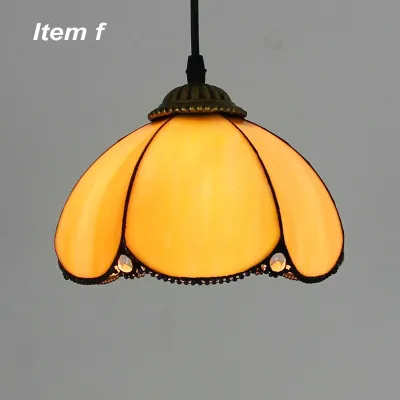
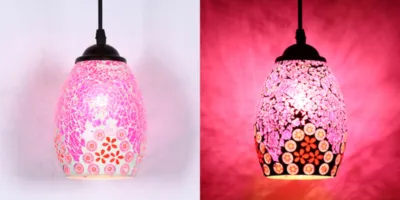
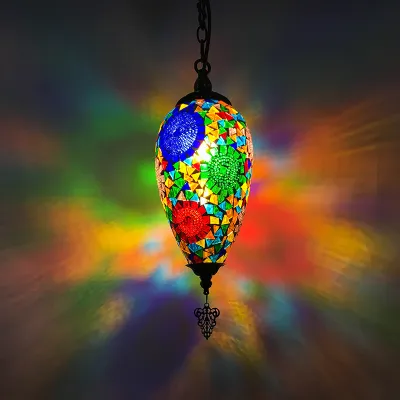
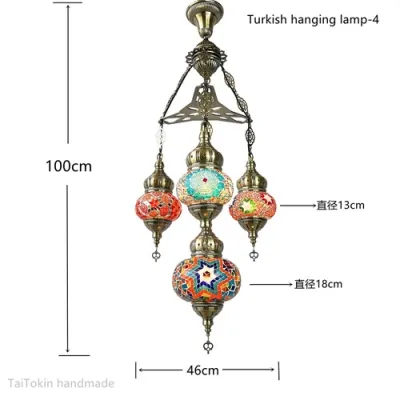
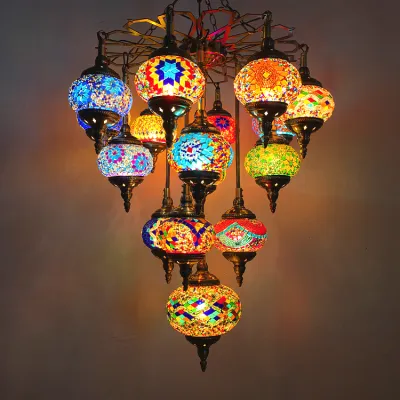
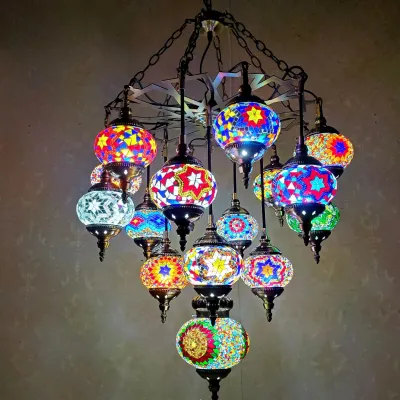
Prices are valid at publication and may change. Please refer to the product page for the latest price.
Moroccan lighting, on the other hand, relies heavily on pierced metalwork and architectural form. Traditional Moroccan lamps are crafted from metals like brass, copper, or iron, which are meticulously hand-punched or cut with intricate geometric patterns. Rather than relying on colored glass to create visual interest, Moroccan fixtures use these precise perforations to project dramatic, lace-like shadow patterns across the ceiling and walls. The finishes are often more rustic, featuring antique, oxidized, or matte black patinas. In a compact condo, a Moroccan flush mount with a flat, dome-shaped metal screen can turn an entire ceiling into a canvas of light and shadow without protruding into your living space.
Adapting these traditionally hanging, chain-suspended pendants into flush and semi-flush profiles requires a shift in how the fixture is constructed. Manufacturers achieve this by removing the long chains and decorative ceiling hooks, mounting the central glass globe or metal dome directly to a low-profile canopy. This adaptation preserves the ornate metal collars and hand-crafted details of the original designs while reducing the overall drop to a manageable depth, ensuring your lighting remains a stunning focal point rather than an overhead obstacle.
Calculating the Right Size and Clearance for Low Ceilings
Before purchasing any exotic fixture, you must measure your space to ensure the light fits both physically and visually. Low ceilings demand precise calculations; a fixture that is too deep will create a safety hazard, while one that is too wide can make a small condo room feel cramped and unbalanced.

Start by measuring your exact ceiling height from the finished floor to the concrete slab or drywall ceiling. If your ceiling height is below 2.4 meters, you should strictly limit your search to true flush mount fixtures, which feature a 0-inch drop and mount directly against the ceiling surface. If your ceiling is between 2.4 and 2.7 meters, you may consider a semi-flush mount fixture. Semi-flush mounts feature a very short stem—typically dropping the fixture by 10 to 15 centimeters—which allows a small amount of light to escape upward, bouncing off the ceiling to create an illusion of greater height. Always ensure that the bottom of the fixture sits at least 2.1 meters above the floor to prevent taller residents or guests from accidentally striking the light.
To determine the ideal diameter for your flush mount, use a standard interior design formula adapted for compact spaces. Measure the length and width of the room in feet, add those two numbers together, and convert the sum directly into inches to find a baseline fixture diameter. For example, a typical condo bedroom measuring 10 feet by 10 feet yields a sum of 20, suggesting a fixture diameter of approximately 20 inches (about 50 centimeters). In highly compact spaces, however, you may want to scale this down slightly to maintain a minimalist balance, especially when dealing with highly detailed Turkish or Moroccan designs.
Additionally, you must assess the visual weight of the fixture. Turkish mosaic glass and dark, oxidized Moroccan metals carry a heavy visual presence compared to simple modern glass bowls. A highly detailed, dark bronze Moroccan dome can make a small room feel lower if it is too large. For smaller spaces like entryways, hallways, or compact dining nooks, opt for lighter brass finishes or mosaic patterns with a higher proportion of clear or white glass beads to keep the space feeling open and airy.
Evaluating Light Output, Bulb Types, and Heat Limits
The intricate designs of Turkish and Moroccan fixtures significantly affect how light is dispersed throughout a room. Because these fixtures are highly decorative, they function differently than standard utility lighting, requiring careful consideration of bulb selection and heat management.
Always check the manufacturer’s maximum wattage limit before installing any bulbs. Traditional Turkish and Moroccan fixtures were designed for low-wattage incandescent bulbs, but in a tropical climate like the Philippines, heat buildup is a serious concern. Enclosed flush mount fixtures trap heat, which can degrade the wiring insulation over time and loosen the plaster or adhesive holding mosaic glass beads in place. Prioritize low-heat LED bulbs, which emit minimal infrared radiation and consume a fraction of the wattage while providing equivalent or superior lumen output.
Understand how the fixture’s materials filter light to set realistic expectations for room illumination. Turkish mosaic glass acts as a heavy filter, absorbing a significant portion of the light and emitting a soft, colorful glow. This makes Turkish flush mounts excellent for creating a relaxing atmosphere in bedrooms or living rooms, but less suitable as the sole light source for task-heavy areas like kitchens or study desks. Moroccan pierced metal fixtures project focused beams of light through their perforations, creating beautiful patterns but also casting sharp shadows. If you require functional, shadow-free light, look for Moroccan designs that incorporate frosted glass panels behind the pierced metal to diffuse the light evenly.
Finally, verify dimmability compatibility if your condo features existing wall dimmers. Many traditional mosaic lamps are wired with simple on-off sockets. If you plan to dim your lights to enhance the evening ambiance, ensure that both the LED bulbs you purchase and the fixture’s internal sockets are rated for dimming, and that they match the protocol of your wall dimmer switch.
Navigating Electrical Safety and Condo Installation Rules
Installing a heavy, handcrafted light fixture in a modern condominium requires adherence to local electrical standards and building regulations. Condo units present unique structural challenges, particularly when dealing with solid concrete ceilings and shared utility lines.
First, verify that the fixture is compatible with the standard electrical system in the Philippines, which operates at 220 volts and 60 hertz. Many imported Turkish and Moroccan lights are wired for 110-volt systems common in other regions. While the physical sockets (often E12 or E14 screw bases) can physically hold 220V-rated LED bulbs, you must ensure the internal wiring insulation, wire gauge, and connections are rated to safely handle 220V current. Inspect the fixture’s wiring labels or consult the importer to confirm safety compliance before connecting it to your home’s electrical grid.
Next, check the weight capacity of your ceiling junction box. Handcrafted fixtures made of solid brass, copper, and thick mosaic glass are substantially heavier than standard plastic or thin aluminum flush mounts. A medium-sized Turkish mosaic flush mount can easily weigh several kilograms. Standard drywall ceiling anchors are insufficient for supporting this weight. The fixture must be securely anchored to a structural concrete ceiling slab or a reinforced metal junction box that is rated for suspended loads.
Before beginning any installation, isolate the power at the main circuit breaker panel and verify that the circuit is dead using a reliable voltage tester. If your condo features a solid concrete ceiling, mounting the fixture will require drilling anchor holes into the concrete. This process carries the risk of striking embedded electrical conduits or post-tension cables. If you are unfamiliar with concrete drilling, proper anchoring techniques, or complex wiring configurations, stop your DIY efforts immediately. Hire a licensed electrician who understands condo building codes and can safely secure the heavy fixture to your ceiling.
Sourcing and Verifying Quality Before Purchase
With the popularity of bohemian decor, the market is flooded with mass-produced imitations of Turkish and Moroccan lighting. Knowing how to verify the quality of materials and construction ensures you invest in a durable, safe fixture that retains its beauty over time.
To differentiate authentic materials from cheap imitations, carefully read the product specifications and weight indicators. Authentic Turkish and Moroccan fixtures are made from solid brass, copper, or treated iron, and real glass. Imitations often use lightweight, painted sheet iron that is prone to rusting in the high humidity of the Philippines, or plastic resin instead of glass. Real glass mosaic beads will feel cool to the touch and will not scratch or melt when exposed to moderate heat. Solid brass fixtures will have a distinct weightiness and a natural, non-uniform metallic sheen, whereas painted iron will feel light and may show uniform spray patterns or paint runs upon close inspection.
Always look for recognized electrical safety marks or certification labels on the packaging or product details. While artisanal, hand-imported lights may lack standard commercial branding, reputable specialty importers will ensure their products undergo safety testing or are re-wired with certified components before sale. Check for local quality marks or international safety certifications on the sockets and wiring harnesses to ensure the fixture does not pose a fire hazard.
When purchasing online through specialty lighting stores or online marketplaces, review the seller’s policies regarding fragile items. Mosaic glass and delicate pierced metal are highly susceptible to damage during transit. Verify that the seller uses robust packaging, such as custom-molded foam, and offers shipping insurance. Read the return and exchange conditions carefully to ensure you can easily request a replacement globe or panel if any glass pieces arrive loose or broken.
Frequently Asked Questions (FAQ)
How do I clean intricate metalwork and mosaic glass without damaging them?
To clean intricate Turkish and Moroccan fixtures, always isolate the power at the breaker first and allow the bulbs to cool completely. Use a soft, dry microfiber cloth or a clean, soft-bristle paintbrush to gently dust the pierced metalwork and the grout lines between the mosaic glass beads. Avoid using harsh chemical cleaners, abrasive pads, or excessive moisture, as these can tarnish protective brass coatings, corrode iron components, or dissolve the water-soluble adhesives holding the glass mosaics in place. For stubborn dust on glass, a very slightly damp microfiber cloth with plain water is sufficient, followed immediately by a dry cloth.
Can I use a semi-flush mount if my condo ceiling is very low?
If your condo ceiling is below 2.4 meters, it is highly recommended to avoid semi-flush mounts and stick exclusively to true flush mounts. Semi-flush mounts require a minimum clearance to ensure that the hanging portion does not become a head-strike hazard for taller individuals or interfere with daily activities like carrying items through the room. In high-traffic pathways, such as hallways or entryways, a true flush mount is always the safer and more practical choice. Reserve semi-flush designs for ceilings that are 2.5 meters or higher, or position them directly over stationary furniture like a dining table or coffee table where foot traffic is non-existent.
Community discussion
Share your experience or ask a question. Comments are reviewed before publication.