
Selecting the perfect turtle lucky charm garden ornament involves balancing cultural symbolism, personal aesthetic preferences, and material durability. Turtles are celebrated globally as symbols of longevity, protection, and steady progress, making them a popular choice for enhancing outdoor spaces. To find the right ornament, you must evaluate where it will sit, how its material will withstand your local climate, and whether you prefer a lifelike representation, a whimsical accent, or a traditional Feng Shui symbol.
Integrating a turtle lucky charm into your garden layout does more than simply fill an empty patch of soil. It establishes a focal point that draws the eye and encourages a slower, more mindful appreciation of your outdoor environment. By understanding the diverse styles, durable materials, and optimal placement strategies available, you can select an ornament that brings both visual harmony and personal meaning to your home.
Why Add a Turtle Lucky Charm to Your Garden?
For centuries, the turtle has held a revered place in various cultural traditions around the world. In many Asian philosophies, the turtle represents the universe, with its rounded shell mimicking the arch of the sky and its flat belly representing the earth. This deep-seated symbolism of stability, endurance, and protection makes the turtle an incredibly grounding presence in any landscape design.
Products mentioned in this guide
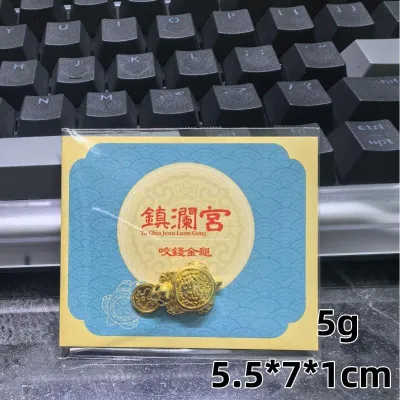

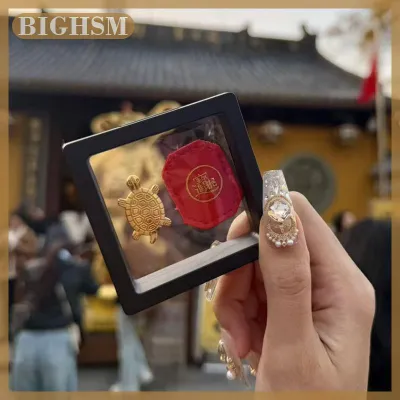
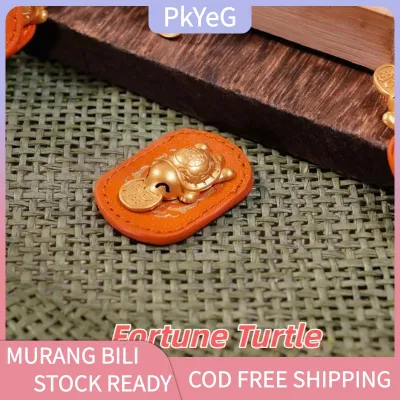

Prices are valid at publication and may change. Please refer to the product page for the latest price.
In a residential garden, these ornaments serve as quiet reminders of patience and steady growth. Unlike fast-growing annual flowers or rapidly changing seasonal foliage, a stone or resin turtle remains constant. This sense of permanence helps balance the dynamic, shifting energy of living plants, creating a more harmonious and peaceful outdoor sanctuary.
Beyond their symbolic value, turtle ornaments offer practical design benefits. They can be used to transition between different garden zones, such as marking the boundary where a manicured lawn meets a wilder flower bed. Their low profile and natural shape allow them to blend seamlessly into rockeries, border pathways, or poolside areas, providing a subtle touch of character without overwhelming your existing garden theme.
Explore Popular Styles of Turtle Garden Ornaments
Identifying the right visual style is the first step in narrowing down your choices. The style you select should complement the overall design theme of your home and garden, whether you favor a clean, modern aesthetic, a lush tropical jungle look, or a structured, traditional layout.

Realistic and Nature-Inspired Turtles
Realistic turtle ornaments are crafted to mimic actual species, such as sea turtles, box turtles, or red-eared sliders. These pieces feature highly textured shells, lifelike skin folds, and natural color palettes consisting of earthy browns, deep greens, and soft grays. The goal of these designs is to look as though a real turtle has crawled out of the undergrowth to rest in your yard.
These lifelike figures perform exceptionally well in naturalistic garden settings. If you have a backyard pond, a dry creek bed, or a rock garden, a realistic turtle nestled among the stones or resting on a flat log looks incredibly authentic. They work best when surrounded by native ferns, ornamental grasses, or moisture-loving plants, where they can blend quietly into the background and surprise visitors who catch sight of them.
Whimsical and Stylized Turtles
If your garden is a place of playfulness, creativity, or family-friendly design, a whimsical turtle ornament is an excellent choice. These designs often feature stylized proportions, such as oversized, expressive eyes, cheerful painted smiles, or bright, unconventional color schemes. You might find turtles depicted wearing tiny sun hats, holding welcome signs, or stacked playfully on top of one another.
These charming pieces are ideal for cottage-style gardens, children’s play areas, or eclectic patio spaces. They add an immediate touch of humor and lightheartedness to container gardens and window boxes. When styling with whimsical ornaments, moderation is key; placing one or two high-quality, cheerful pieces in prominent spots prevents the garden from looking cluttered or overly busy.
Traditional and Feng Shui Symbols
For those wishing to invite specific positive energies into their home, traditional symbolic designs are highly popular. The most notable of these is the Dragon Turtle, a classical Chinese mythological creature featuring the head of a dragon and the body of a turtle. This hybrid symbol represents the combination of the dragon’s courage and ambition with the turtle’s steadfastness and protective qualities, making it a powerful charm for career success and longevity.
Other traditional designs include turtles depicted sitting on a bed of gold coins or carrying smaller baby turtles on their backs. These variations are used to attract wealth, foster family harmony, and ensure safe transitions. When choosing a traditional or Feng Shui ornament, look for clean, detailed carvings in materials like polished stone, brass, or heavy resin, which convey a sense of quality and intention.
Functional Turtle Ornaments
Many modern garden ornaments are designed to serve a dual purpose, combining aesthetic appeal with practical utility. Common examples include turtle-shaped planters, hollow key-hiders, decorative hose guides, and solar-powered garden lights. These functional pieces allow you to incorporate the lucky charm motif while keeping your garden organized and well-lit.
If you choose a solar-powered or electrical turtle ornament, safety and weatherproofing must be your top priorities. Always verify the Ingress Protection (IP) rating of the product; outdoor electrical items should have a minimum rating of IP44 to withstand light rain, though IP65 is highly recommended for complete protection against heavy tropical downpours. Ensure that any solar panels are positioned to receive direct sunlight during the day, and always isolate the power supply before handling any fixed outdoor wiring or performing maintenance.
How to Evaluate Materials for Outdoor Durability
The tropical climate of the Philippines presents unique challenges for outdoor decor. Intense solar radiation, high humidity, and heavy monsoon rains can quickly degrade low-quality materials. Selecting a durable material ensures your turtle lucky charm remains beautiful and intact for years to come.
Resin and Polyresin
Resin and polyresin are among the most popular materials for garden ornaments because they allow for incredible detail and complex shapes at an affordable price point. These materials can be molded to look like carved wood, aged stone, or polished metal, while remaining lightweight and easy to reposition around your yard.
- Pros: Lightweight, highly detailed, cost-effective, and available in a vast range of styles.
- Cons: Susceptible to fading, cracking, or becoming brittle under constant, intense UV exposure.
- Selection Tip: Always check the manufacturer's product label to confirm the resin is UV-resistant and rated specifically for outdoor use. If the ornament is painted, verify that a weather-resistant clear topcoat has been applied to prevent peeling.
Stone, Concrete, and Reconstituted Stone
For a permanent, timeless addition to your landscape, natural stone, cast concrete, or reconstituted stone ornaments are unmatched. These heavy, substantial pieces develop a beautiful, weathered character over time, blending effortlessly into the natural environment.
- Pros: Extremely durable, highly resistant to strong winds and typhoons, and virtually maintenance-free.
- Cons: Very heavy and difficult to move; porous surfaces can absorb water and grow mold or algae in humid climates.
- Selection Tip: If you prefer a clean, pristine look, choose sealed concrete or plan to apply a breathable, outdoor-rated stone sealer. Always test any sealants on a small, hidden area of the ornament first to ensure it does not discolor the material.
Metals (Cast Iron, Bronze, Aluminum)
Metal turtle ornaments offer a classic, sophisticated look that ranges from rustic charm to sleek modern elegance. Common choices include heavy cast iron, classic bronze, and lightweight cast aluminum, each offering distinct visual and physical properties.
- Pros: High structural strength, elegant aging process, and excellent wind resistance (especially cast iron and bronze).
- Cons: Cast iron will rust over time if exposed to moisture; polished metals can become extremely hot to the touch in direct sunlight.
- Selection Tip: For coastal areas or high-humidity environments, look for aluminum or bronze, which naturally resist destructive rust. If using cast iron, ensure it has a factory-applied, rust-resistant coating, or be prepared to apply a clear, rust-preventative spray annually.
Ceramics and Terracotta
Glazed ceramics and traditional terracotta bring vibrant colors and artisanal warmth to outdoor spaces. These materials are often hand-painted, making each turtle ornament a unique piece of art.
- Pros: Vibrant, fade-resistant colors (for glazed ceramic) and a classic, rustic aesthetic (for terracotta).
- Cons: Highly fragile, susceptible to chipping or cracking upon impact, and can degrade if exposed to extreme temperature fluctuations.
- Selection Tip: Reserve delicate ceramic and terracotta turtles for sheltered outdoor areas, such as covered patios, lanais, or pergolas. Ensure the product details confirm the piece has been kiln-fired at high temperatures, which increases its structural density and resistance to moisture absorption.
Matching Size and Placement to Your Garden Layout
An ornament’s impact depends heavily on its scale and physical location. A piece that is too small will be lost in a sea of foliage, while an oversized ornament can dominate a small space and disrupt the visual balance of your garden.
Scaling the Ornament to Your Space
When shopping for a turtle lucky charm, measure your intended placement area before making a purchase. Consider these general sizing guidelines to ensure a balanced look:
- Small Ornaments (under 15 cm): Best suited for intimate, close-up viewing. Place them in window boxes, small container gardens, tabletop patio displays, or nestled directly into the soil of low-growing potted plants.
- Medium Ornaments (15 to 30 cm): Highly versatile. These work beautifully along pathway borders, tucked into flower beds, or placed at the base of medium-sized shrubs where they can be spotted as people walk by.
- Large Ornaments (over 30 cm): Designed to be focal points. Position these on open lawns, beside garden ponds, at the entrance of a garden path, or integrated into large rockeries where they can be appreciated from a distance.
Strategic Placement and Visibility
To maximize both the aesthetic appeal and the symbolic power of your turtle ornament, place it in a location that suggests natural movement or purposeful presence. Positioning a turtle near water features, such as a fountain, pond, or pool, aligns beautifully with the animal’s natural habitat and symbolizes a smooth flow of life and prosperity.
Consider tucking your turtle slightly under the broad leaves of tropical plants, such as caladiums or hostas, to create a delightful sense of discovery. Ensure the ornament is visible from your primary indoor viewing spots—like your living room window or kitchen sink—as well as your main outdoor seating areas, so you can enjoy its calming presence throughout the day.
Safety and Surface Considerations
Properly preparing the ground where your ornament will sit prevents damage to both the piece and your garden surfaces. Heavy stone, concrete, or metal turtles require a stable, level foundation to prevent them from sinking into soft soil or tilting over time.
- Ground Placement: Clear away loose debris and create a flat pad using compacted gravel, sand, or a small concrete paver. This keeps the ornament elevated above standing water during heavy rains.
- Elevated Placement: If placing an ornament on a retaining wall, pedestal, or wooden shelf, verify the load capacity of the supporting structure. Secure lightweight resin or plastic turtles with outdoor-rated adhesive or heavy-duty mounting tape to prevent them from being blown over by strong winds.
Routine Care and Maintenance Tips
Keeping your turtle lucky charm looking its best requires minimal effort, but regular care will significantly extend its lifespan, especially in tropical environments. Always prioritize the specific care instructions provided by the manufacturer.
To clean your ornament, use a soft-bristled brush, mild dish soap, and lukewarm water to gently scrub away accumulated dirt, dust, pollen, and bird droppings. Avoid using high-pressure washers, wire brushes, or harsh chemical cleaners like bleach or acid-based solutions, as these can strip away protective clear coats, paint, or natural metal patinas.
During extreme weather events, such as typhoons or severe tropical storms, take proactive steps to protect your decor. Temporarily move lightweight resin, ceramic, glass-accented, or solar-powered ornaments indoors or into a secure garden shed. For heavy stone or metal pieces that cannot be easily moved, ensure they are positioned flat on the ground away from overhanging tree branches that could fall and damage them.
If you notice the protective finish on a resin or painted metal ornament beginning to wear down, consider applying a fresh coat of clear, outdoor-rated polyurethane spray. Always perform a patch test on the underside of the ornament first to verify compatibility and ensure the spray does not cloud or alter the paint finish.
Frequently Asked Questions (FAQ)
Can I leave resin turtle ornaments outside all year round?
Whether a resin turtle can remain outdoors year-round depends entirely on the manufacturer’s specific material ratings and UV treatments. High-quality, UV-stabilized polyresin ornaments are designed to withstand normal outdoor conditions, but prolonged exposure to intense tropical sunlight can still cause colors to fade over several years. To prolong the life of your ornament, place it in a semi-shaded area of your garden, or bring it indoors during periods of extreme weather and heavy monsoon seasons.
Where is the best place to put a Feng Shui turtle in the garden?
According to traditional Feng Shui principles, the ideal placement for a turtle ornament is in the northern sector of your property, which is associated with career, water, and steady personal growth. Placing a turtle facing your home’s main entrance is believed to offer protection and prevent negative energy from entering. While these traditional guidelines add deep personal meaning, you should ultimately prioritize your garden’s layout, visual balance, and the physical safety of the ornament when deciding on its final home.
Community discussion
Share your experience or ask a question. Comments are reviewed before publication.