
A desk lamp boasting 10,000 lux delivers an exceptionally high level of brightness that is rarely necessary for standard office work. This intense level of illumination is typically engineered for highly specialized tasks, such as intricate craftwork, or for light therapy to support circadian rhythms during gloomy seasons. For the average workspace, relying on such an extreme light output without proper adjustment can lead to severe eye strain and discomfort. Understanding how this measurement translates to your actual desk surface will help you decide whether you truly need this level of power or if a more versatile, adjustable lamp is a better fit for your daily routine.
What 10,000 Lux Actually Means in Practical Terms
Lux is a unit of measurement that quantifies illuminance, which is the total amount of visible light hitting a specific surface area. It is crucial to understand that lux is not a fixed property of the light bulb itself, unlike lumens, which measure the total light emitted by the source in all directions. Instead, lux depends heavily on the distance between the light source and the surface you want to illuminate.
To put this in perspective, the physics of light dictates that intensity decreases rapidly as you move away from the source. A lamp that delivers 10,000 lux at a distance of a few inches will provide only a fraction of that brightness when positioned at a standard desk viewing height of 30 to 50 centimeters. If you raise the lamp or tilt it away, the actual illuminance reaching your paperwork or keyboard drops significantly.
Products mentioned in this guide
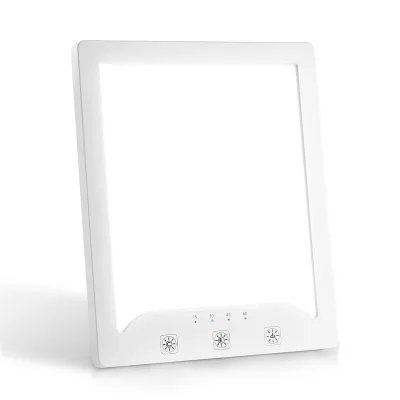
![10000 Lux SAD Light Therapy Lamp LED Light Therapy Lamp for Effective Treatment of Seasonal Affective Disorder with Timer Function Touch Control Suitable for Home/Office [Energy Class A+]](https://img.lazcdn.com/g/p/c0a8ae1913d6458013c9e59e8dea3e89.jpg_400x400q80.jpg_.webp)
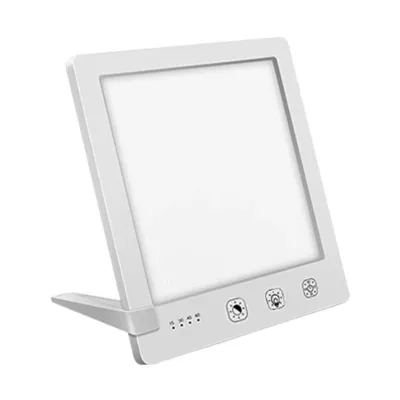
![[rooqs]Light Therapy Lamp 10000 Lux Therapy Light Mood-Lifting SAD Light Therapy Lamp Emotional Wellness Therapy Lamp](https://img.lazcdn.com/g/p/4b1af57932bb14c4079dc993ab1bed11.jpg_400x400q80.jpg_.webp)
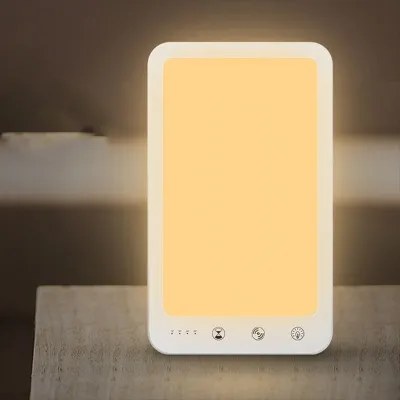
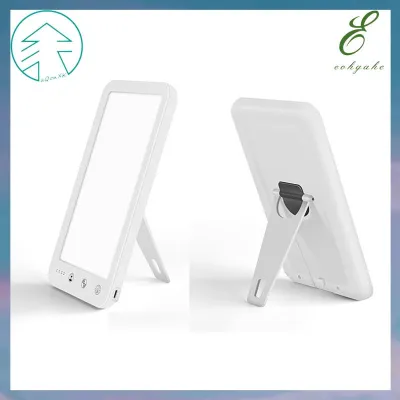
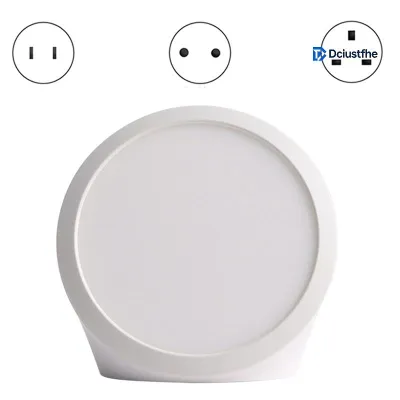
![[vettelen]Simulated Natural Sunlight 10000 Lux Natural Lamp for Bedroom Touch Control Adjustable Time UV-Free Lamp Support Stand](https://img.lazcdn.com/g/p/d50e1b799b36628faa584b4b830793a7.jpg_400x400q80.jpg_.webp)
Prices are valid at publication and may change. Please refer to the product page for the latest price.
For a practical comparison, 10,000 lux is roughly equivalent to the ambient light of a bright, overcast day outdoors, or the indirect light found near a large window on a sunny afternoon. In contrast, standard indoor residential or office spaces are typically illuminated to a level of only 300 to 500 lux. Introducing an unshielded 10,000 lux source directly onto your desk surface creates an intense hotspot that far exceeds normal indoor environmental baselines.
When Is 10,000 Lux Necessary for Desk Work?
Most daily desk activities, such as typing on a computer, reading printed documents, or writing notes, require only moderate illumination. Standard task lighting typically ranges from 500 to 1,000 lux on the work surface. For these common activities, a lamp that blasts 10,000 lux at close range is not only unnecessary but can actively hinder your productivity.

True high-lux illumination is reserved for highly specialized, detail-oriented tasks. Professionals and hobbyists engaged in micro-soldering, jewelry repair, intricate model painting, or detailed architectural drafting often require intense, focused light to see minute details clearly. In these scenarios, the high output helps reveal tiny imperfections and reduces the need to squint.
It is also important to distinguish between task lamps and light therapy boxes, which are frequently marketed with the “10,000 lux” specification. These therapy devices are designed to mimic natural sunlight to help regulate sleep-wake cycles, particularly in environments with limited natural light. They are engineered to be placed at a specific distance and angle so the light enters your eyes indirectly, rather than being directed downward to illuminate a workspace.
To determine if you need this level of brightness, consider a quick checklist of your daily desk activities:
- Do you regularly work with microscopic components or highly detailed physical crafts?
- Is your workspace completely devoid of natural light and ambient overhead fixtures?
- Are you looking specifically for a seasonal light therapy device rather than a functional reading light?
If you answered no to these questions, a standard adjustable desk lamp will likely serve you much better.
Potential Drawbacks of Excessive Brightness at Your Desk
Using an excessively bright lamp on a standard desk setup can introduce several ergonomic and visual challenges. The most immediate issue is intense glare, especially when the light reflects off glossy paper, plastic folders, or computer screens. This reflection can wash out your monitor’s display, forcing you to strain your eyes to read text or view images.
Another common problem is visual fatigue caused by extreme contrast. If your desk surface is brightly illuminated by a 10,000 lux lamp while the rest of your room remains relatively dark, your eyes must constantly adjust as you look back and forth between the bright desk and the dim surroundings. This continuous pupillary adjustment quickly leads to headaches, dry eyes, and physical fatigue.
Furthermore, high-output lamps can generate noticeable heat, particularly if they use older lighting technologies or lack efficient heat sinks. In warm, humid tropical climates, sitting close to a high-heat light source can make your workspace uncomfortable. To avoid these drawbacks, prioritizing lamps with built-in dimming controls and adjustable beam angles is essential, allowing you to dial down the intensity to match your immediate environment.
How to Choose the Right Illumination for Your Specific Tasks
When setting up your workspace, aiming for a balanced lighting environment is far more beneficial than chasing the highest lux specification. For general office work and computer use, a surface illuminance of 300 to 500 lux is generally recommended. For reading books or writing, you might prefer a slightly brighter level of 500 to 750 lux, which provides sufficient contrast without causing glare.
Instead of focusing solely on peak lux claims, look for desk lamps that offer flexible adjustment features. A high-quality task lamp should feature step-less dimming or multiple brightness presets, allowing you to customize the light level throughout the day. Color temperature adjustment is another valuable feature, letting you switch from a cool white light for focus to a warm yellow light for relaxed evening reading.
Before purchasing, evaluate your existing workspace conditions. Consider the reflectivity of your desk surface; dark, matte wood absorbs light, while white laminate or glass surfaces reflect it intensely. Additionally, ensure your lamp has a well-designed shade or diffuser that directs the light downward onto your work area, preventing direct glare from reaching your eyes.
Frequently Asked Questions (FAQ)
Is 10,000 lux too bright for reading a book?
Yes, 10,000 lux is generally far too bright for reading a standard book at close range. Such intense light reflecting off white pages creates severe glare, leading to rapid eye strain and discomfort. For comfortable reading, a brightness level between 500 and 750 lux on the page is much more appropriate and easier on the eyes.
Can I use a 10,000 lux light therapy lamp as my main desk lamp?
It is not recommended to use a dedicated light therapy lamp as your primary task light. Light therapy boxes are designed to project a broad, diffuse field of light forward at eye level to stimulate photoreceptors, which can cause significant glare when placed directly over paperwork. True desk lamps are engineered with focused shades and adjustable arms to direct light downward onto your work surface without shining directly into your eyes.
Community discussion
Share your experience or ask a question. Comments are reviewed before publication.