
Selecting the right outdoor lighting requires balancing aesthetic appeal with practical durability, especially when dealing with solar-powered fixtures. For homeowners in the Philippines, the primary challenge is protecting these devices from the elements. The tropical climate brings intense wet seasons, high humidity, and sudden heavy downpours that can easily ruin poorly sealed electronics. To ensure your garden solar light waterproof fixtures survive these conditions, you must look closely at their Ingress Protection (IP) ratings.
The ideal IP rating for your garden solar lights depends entirely on where you plan to install them. Fully exposed areas like open lawns and pathways require a higher level of protection, whereas semi-protected zones like covered patios can manage with lower ratings. Understanding these standardized ratings allows you to make an informed purchase, ensuring your outdoor spaces remain beautifully illuminated throughout the year without frequent, costly replacements.
What IP Ratings Mean for Outdoor Solar Lights
The Ingress Protection (IP) rating is an international standard used to define the levels of sealing effectiveness of electrical enclosures against intrusion from foreign bodies and moisture. When shopping for garden solar lights, you will typically see the letters “IP” followed by two digits. Understanding this two-digit system is essential for reading product labels confidently and avoiding the pitfalls of vague marketing terms.
Products mentioned in this guide
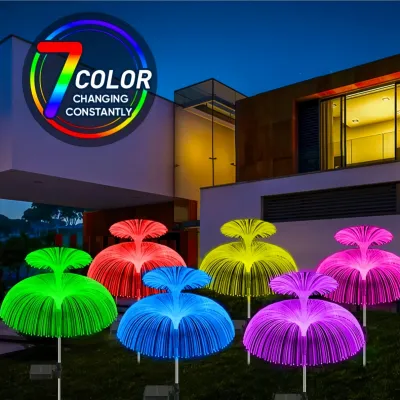
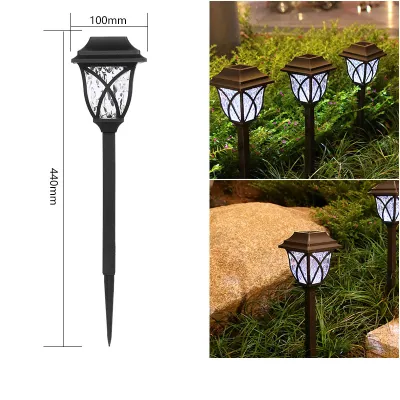
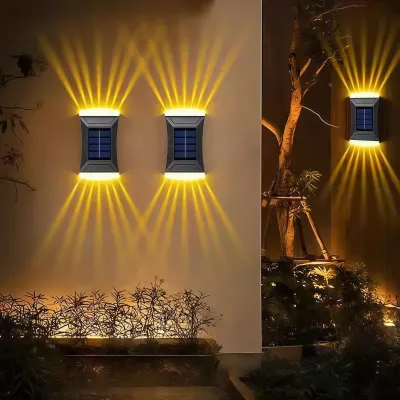
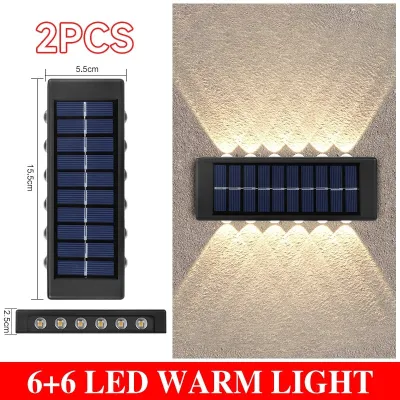
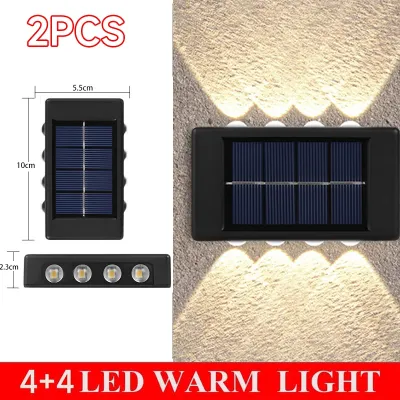
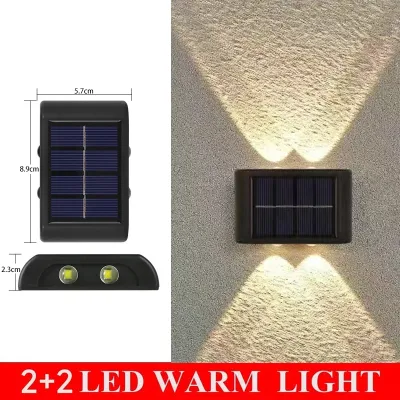
Prices are valid at publication and may change. Please refer to the product page for the latest price.
The first digit in the IP code ranges from 0 to 6 and indicates the level of protection against solid objects, such as dust, dirt, and accidental contact. A rating of 4 means the fixture is protected against solid objects larger than 1 millimeter, while a rating of 6 indicates the unit is completely dust-tight. For outdoor garden lights, a higher first digit ensures that fine soil particles and small insects cannot penetrate the housing and disrupt the internal circuitry.
The second digit ranges from 0 to 9K and measures protection against liquids. For standard outdoor residential lighting, you will most commonly encounter ratings of 4, 5, or 7. A second digit of 4 means the light is protected against splashing water from any angle. A digit of 5 indicates protection against low-pressure water jets, which is comparable to heavy rainfall or water sprayed from a garden hose. A digit of 7 means the fixture can withstand temporary immersion in water up to 1 meter deep for a limited duration.
While many manufacturers label their products simply as “waterproof” or “weather-resistant,” these terms are highly subjective and lack standardized testing boundaries. An IP rating provides a verified, objective measurement of exactly how much moisture a light can handle before failing. Relying on these standardized codes is the most reliable way to evaluate a product’s suitability for outdoor use.
Matching IP Ratings to Your Garden Conditions
To choose the right garden solar light waterproof rating, you must evaluate the specific microclimates and exposure levels within your outdoor space. Different zones in your yard experience varying degrees of wind, rain, and pooling water, meaning a single rating may not be appropriate for every fixture you install.

Fully exposed areas such as open lawns, flower beds, pathways, and fence tops bear the full brunt of tropical monsoons and heavy downpours. These locations require fixtures with an IP65 rating or higher. Lights rated at IP65 are designed to withstand heavy, driving rain and low-pressure water streams, ensuring that water does not seep into the battery compartment or damage the LED driver during intense storms.
Semi-exposed or covered areas, including balconies, covered patios, gazebos, and deep roof eaves, offer a degree of physical shelter from direct rainfall. For these spots, an IP44 rating is generally sufficient. While IP44 lights cannot handle direct, high-pressure water jets or prolonged exposure to driving rain, they are perfectly capable of resisting high humidity, ambient moisture, and occasional wind-blown splashes.
Ground-level or low-lying zones require special consideration, particularly in areas prone to temporary flooding or water accumulation after severe storms. If you are installing in-ground path lights or well lights that sit flush with the soil, they may end up submerged in puddles during heavy downpours. In these flood-prone zones, look for IP67-rated fixtures to ensure the seals remain intact even when the light is temporarily underwater.
How to Verify Waterproof Claims Before Buying
With numerous options available on online marketplaces and at local home improvement centers, verifying waterproof claims before making a purchase is crucial. Marketing descriptions can sometimes be misleading, so a systematic check of the product’s specifications and physical build is highly recommended.
Always check the official product packaging, user manual, or technical specification sheet for the explicit IP code rather than relying on promotional titles. If a product is advertised as “waterproof” but does not list an official IP rating anywhere in its documentation, it may not have undergone standardized testing. For reliable performance, prioritize products that clearly state their IP rating in the technical specifications.
Upon receiving your solar lights, inspect their physical construction to verify the quality of the seals. Look for a flexible rubber or silicone gasket lining the battery compartment and the seam where the light cover meets the main housing. Ensure that all screws are tight, joints are flush, and there are no visible gaps in the plastic or metal casing. High-quality waterproof lights often feature protective rubber caps over switches and charging ports.
Additionally, keep in mind that integrated solar lights sometimes feature different components with separate ratings. For instance, a solar panel mounted on a separate stake might have a different IP rating than the light fixture it powers. In these split systems, the overall weather resistance of the setup is determined by the lowest rated component, so you must verify the specifications of both parts.
Maintenance Tips to Preserve Water Resistance
Even the highest-rated IP65 or IP67 solar lights require regular maintenance to preserve their water-resistant properties over time. Environmental exposure can gradually degrade protective barriers, making routine upkeep essential for long-term performance.
When cleaning your solar lights, wipe the solar panels and light housings with a soft, damp microfiber cloth to remove dust, dirt, and organic debris. Never use high-pressure washers or harsh chemical solvents. The intense pressure from a power washer can easily force water past rubber gaskets, breaching even IP65-rated seals and causing permanent electrical damage.
The intense tropical sun and high UV index in the Philippines can cause plastics to become brittle and rubber gaskets to dry out and crack over time. Periodically inspect your fixtures for signs of UV degradation, cloudy solar panel covers, or worn-out seals. Applying a thin layer of silicone grease to rubber gaskets during your annual inspection can help keep them pliable and water-tight.
Finally, take proactive measures during extreme weather events. While IP65 and IP67 lights are highly water-resistant, they are not designed to withstand the extreme wind-driven rain, flying debris, and severe flooding associated with typhoons. If a major storm is approaching, temporarily storing portable solar lights indoors will protect them from physical damage and prolong their operational lifespan.
Frequently Asked Questions (FAQ)
Can I leave IP44 solar lights outside during the wet season?
Leaving IP44 solar lights fully exposed to the elements during the wet season is not recommended. While an IP44 rating protects against light splashes, it is not robust enough to withstand the prolonged, heavy, and wind-driven rain typical of monsoons in the Philippines. To prevent water damage and electrical failure, move IP44 lights to covered areas like patios or eaves before the rainy season begins, or upgrade to IP65 fixtures for fully exposed garden beds.
Does a higher IP rating mean the solar light will last longer?
A higher IP rating indicates superior protection against dust and water entry, which directly prevents moisture-related short circuits and internal corrosion. However, it does not guarantee a longer overall lifespan for the product. The total operational life of a garden solar light is also influenced by battery degradation, solar panel efficiency loss over time, UV exposure, and the quality of the internal LED components.
Community discussion
Share your experience or ask a question. Comments are reviewed before publication.