
Choosing the right LED panel light for your home or office requires looking past the brand name and understanding three core specifications: lumens, wattage, and color temperature. Together, these metrics dictate how bright a room will be, how much electricity the fixture will consume, and the overall mood of the space. By mastering these specifications, you can confidently compare products on an online marketplace or at a local hardware store to find the right lighting setup.
Understanding these technical terms helps prevent common buying mistakes, such as purchasing a light that is too dim for a workspace or selecting a color tone that makes a cozy living room feel like a sterile clinic. Because LED technology is highly efficient, traditional rules of thumb based on older incandescent bulbs no longer apply. Focusing on the relationship between light output and energy consumption is the first step toward making an informed decision.
Lumens vs. Wattage: Brightness and Energy Use
To choose the right LED panel, you must first separate the concept of brightness from the concept of power consumption. In the past, when incandescent bulbs were the standard, consumers relied on wattage to estimate how bright a bulb would be. Today, wattage only tells you how much electrical energy the fixture consumes from your home’s electrical system.
Products mentioned in this guide
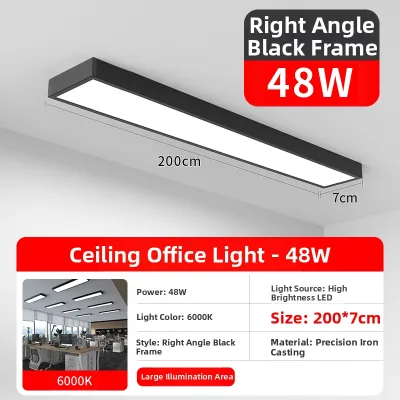
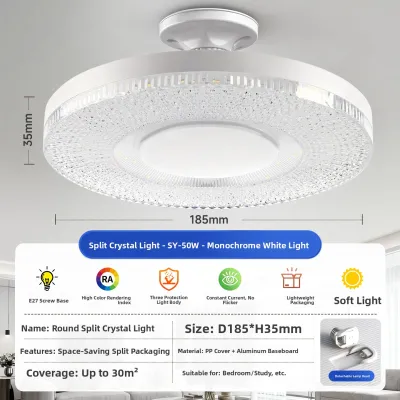
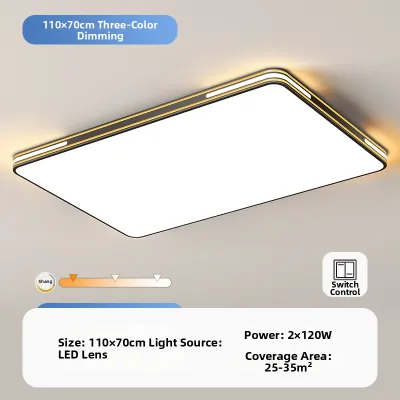
Prices are valid at publication and may change. Please refer to the product page for the latest price.
The true measure of visible light output is lumens. If you want a brighter room, you need to look for a higher lumen rating on the product label, not a higher wattage. For example, a modern LED panel can produce the same amount of light as an old fluorescent fixture while drawing a fraction of the power. Relying solely on wattage to judge brightness will often lead to mismatched expectations and inefficient energy use.
To evaluate the efficiency of different LED panels, you can look at a metric called luminous efficacy, which is expressed as lumens per watt (lm/W). This ratio represents how effectively the fixture converts electrical energy into visible light. A panel that delivers 1,600 lumens while consuming 16 watts has an efficacy of 100 lm/W. Another panel might deliver the same 1,600 lumens but consume 20 watts, resulting in an efficacy of 80 lm/W.
When comparing products, prioritizing a higher lumens-per-watt ratio allows you to maximize your energy savings without sacrificing brightness. Always check the product specification sheet or packaging for the official lumen output. By focusing on lumens as your primary metric for brightness, you can ensure your space is adequately illuminated while keeping your monthly electricity bills manageable.
Color Temperature: Setting the Right Mood and Function
Color temperature describes the visual appearance of the light emitted by the LED panel, ranging from warm, yellowish tones to cool, bluish-white tones. This specification is measured on the Kelvin (K) scale. Understanding where a light falls on this scale is essential because the color of the light directly influences the atmosphere of a room and how comfortable you feel performing specific tasks.

Lower Kelvin ratings, typically between 2700K and 3000K, are classified as warm white. This range mimics the soft, cozy glow of traditional incandescent bulbs, making it highly suitable for relaxing spaces such as bedrooms, living rooms, and dining areas. In contrast, mid-range ratings between 4000K and 4500K are known as cool white or neutral white. This clean, balanced light is ideal for spaces where you need clarity without harshness, such as kitchens, study areas, and bathrooms.
Higher Kelvin ratings, usually 6000K to 6500K, are referred to as daylight. This bright, bluish-white light mimics natural outdoor light and is excellent for high-visibility zones, home offices, garages, and utility rooms. In tropical climates like the Philippines, where outdoor temperatures and humidity are consistently high, cooler color temperatures are often selected for general living areas because they create a visually crisp, clean environment that feels refreshing.
However, because descriptive terms like “cool white” or “daylight” are not standardized, they can vary significantly between different manufacturers. One brand’s cool white might look noticeably warmer or cooler than another’s. To ensure consistency across your home, always verify the exact Kelvin rating printed on the packaging rather than relying on the descriptive name alone.
How to Match Specs to Your Room Requirements
Selecting the right LED panel light involves a systematic approach that matches the fixture’s specifications to the physical and functional needs of your space. Start by identifying the primary activity that will take place in the room. A home office or kitchen counter requires focused, high-intensity light to prevent eye strain, whereas a hallway or bedroom requires softer, ambient illumination.
Next, estimate the total brightness needed based on the room’s dimensions and ceiling height. Larger rooms and spaces with higher ceilings naturally require more total lumens to achieve the same level of perceived brightness as a smaller room. You can achieve your target brightness by installing a single high-lumen panel or by distributing multiple lower-lumen panels evenly across the ceiling to prevent dark corners and harsh shadows.
Before making a purchase, you must verify the physical dimensions and installation requirements of the LED panel. For recessed installations, measure the ceiling cutout size and ensure there is sufficient clearance depth behind the ceiling board to accommodate the panel and its external driver. Additionally, verify that the fixture’s voltage rating matches your local electrical supply. In the Philippines, the standard residential electrical system operates at 220V at 60Hz, so ensuring your LED driver is compatible with these parameters is vital for safety and longevity.
Because installing ceiling fixtures involves working with electrical wiring, safety must be your top priority. Always isolate the power at the main circuit breaker before attempting any installation or maintenance. Carefully follow the manufacturer’s provided installation instructions. For fixed wiring, structural modifications to the ceiling, working at heights, or installing fixtures in damp areas where tropical humidity and moisture are present, always consult a qualified electrician to ensure the work is completed safely and in compliance with local electrical codes.
Additional Specs to Check Before Buying
Beyond lumens, wattage, and color temperature, several secondary specifications can significantly impact the quality of light and the overall performance of your LED panel. One of the most important is the Color Rendering Index (CRI), which measures how accurately a light source reveals the true colors of objects compared to natural sunlight. Rated on a scale up to 100, a higher CRI means colors will look more vibrant and true to life. For living spaces, dining areas, or vanity mirrors, look for a panel with a CRI of 80 or higher.
Dimmability is another crucial feature to verify before buying. Not all LED panels are designed to be dimmed, and attempting to use a non-dimmable panel with a dimmer switch can cause severe flickering, buzzing, or permanent damage to the LED driver. If you want adjustable brightness, ensure that both the LED panel and your existing dimmer switch are explicitly rated as compatible.
Finally, consider the beam angle and physical depth of the fixture. A wider beam angle, such as 110 to 120 degrees, is standard for flat panel lights and provides broad, even distribution across a room. Physical depth is equally important for recessed panels, as you must ensure the fixture fits comfortably within your ceiling cavity without pressing against structural elements or trapping excessive heat, which can shorten the lifespan of the LED driver.
Frequently Asked Questions (FAQ)
Can I replace a fluorescent panel with an LED panel directly?
Direct replacement depends entirely on the design of the LED panel and your existing fixture. Some LED panels are designed as direct retrofits that can work with existing fluorescent ballasts, while others require you to bypass or completely remove the old ballast to wire the LED driver directly to the mains power. Because bypassing a ballast involves modifying fixed electrical wiring, you must turn off the power at the main circuit breaker and consult a qualified electrician to perform the installation safely and legally.
Does a higher color temperature mean the light is brighter?
No, a higher color temperature does not mean the light is physically brighter. Color temperature, measured in Kelvin, only describes the visual warmth or coolness of the light. A 6500K daylight panel and a 3000K warm white panel can emit the exact same number of lumens. However, because the human eye is highly sensitive to the blue wavelengths present in cooler light, daylight fixtures can subjectively appear brighter or more intense to the observer. To compare actual brightness, always look at the lumen rating.
Community discussion
Share your experience or ask a question. Comments are reviewed before publication.