
Choosing the right lighting can completely transform how a room feels, and understanding color temperature is the first step to getting it right. Warm white pin lights emit a soft, golden-yellow glow that mimics the cozy feel of traditional incandescent bulbs. In modern homes, these recessed or panel fixtures are essential for creating a relaxing, inviting atmosphere. By selecting the appropriate color temperature, you can highlight your interior decor, set the right mood, and ensure your living spaces feel comfortable day and night.
Decoding "Warm White" in Pin Lights
Color temperature is measured on the Kelvin (K) scale, which describes the warmth or coolness of a light source. Warm white light typically falls within the range of 2700K to 3000K. Lower numbers on this scale represent warmer, more yellow tones, while higher numbers shift toward blue. Because manufacturers use slightly different baselines, one brand’s warm white might look slightly more golden or neutral than another’s, making it helpful to check the exact Kelvin rating on the packaging.
Visually, warm white light is soft, cozy, and gentle on the eyes. This stands in contrast to cool white (usually 4000K to 4500K), which has a clean, neutral appearance, and daylight (6000K to 6500K), which mimics bright afternoon sun with a distinct bluish tint. While cool white and daylight are excellent for focus and clarity, warm white is designed to help you wind down.
Products mentioned in this guide


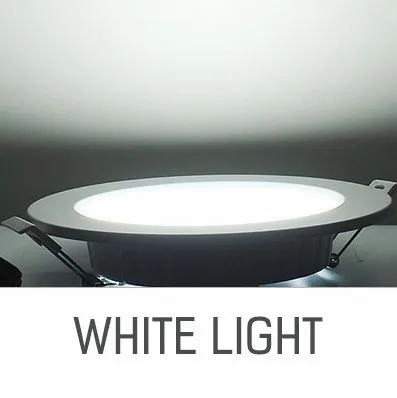
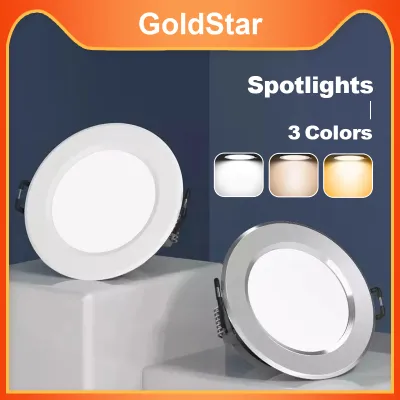
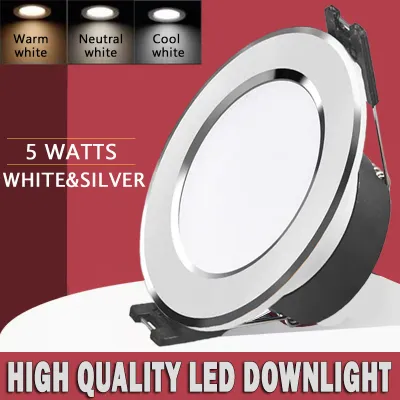
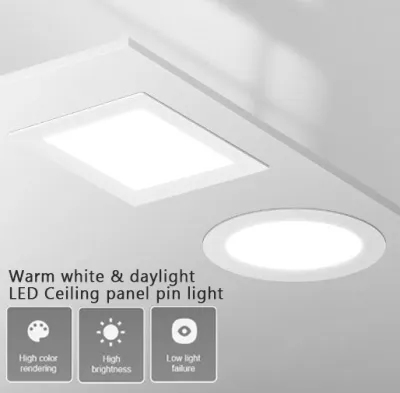
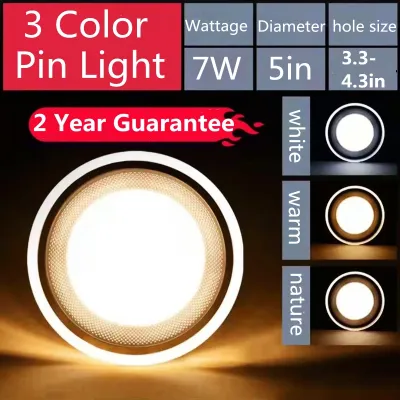
Prices are valid at publication and may change. Please refer to the product page for the latest price.
It is also important to distinguish the fixture from the light source itself. In the Philippines, the term “pin light” is widely used to describe small, recessed ceiling downlights or compact panel lights. The term refers strictly to the physical style of the fixture, which sits flush with or recessed into the ceiling. The color temperature is determined entirely by the integrated LED chip or the replaceable bulb inside, meaning any pin light fixture can be warm white if paired with the correct light source.
How Warm White Affects Room Ambiance and Appearance
The color of your lighting has a direct psychological and visual impact on your living space. Warm white light promotes relaxation by signaling to your body that it is time to rest, making it highly effective for evening use. Visually, this warm glow enhances earth tones, deep wood grains, and warm paint colors like beige, cream, and terracotta, making these elements look richer and more inviting.

Because of these cozy characteristics, warm white pin lights are ideal for areas dedicated to comfort and socializing. Bedrooms, living rooms, and dining areas benefit greatly from this soft illumination, which creates a welcoming environment for family gatherings or quiet evenings. In tropical homes where natural wood and woven textures are prominent, warm white light beautifully accentuates these organic materials.
However, warm white light may not be the most suitable choice for task-heavy areas where high visual precision is required. In home offices, kitchen prep zones, or vanity areas where you apply makeup, a warmer light can sometimes feel too dim or distort colors. If you prefer a warm ambiance overall but still need functional light in these spaces, you can layer your lighting by combining warm ambient pin lights with focused, cooler task lights.
Keep in mind that the final appearance of warm white light depends heavily on your room’s existing conditions. The color of your walls, the amount of natural daylight the room receives, and the finish of your furniture will all interact with the light. Testing a single light in your space before committing to a full installation can help you see exactly how the color temperature interacts with your interior design.
Essential Specifications to Verify for Pin Lights
Before purchasing warm white pin lights, verifying technical compatibility is crucial for safety and performance. In the Philippines, the standard residential electrical system operates at 220V. Ensure that any fixture you buy is rated for this voltage to prevent electrical hazards or premature failure. Additionally, check the wattage limits of your ceiling circuits and, if you plan to use a dimmer switch, confirm that both the pin light driver and the wall switch are explicitly rated for LED dimming.
Physical measurements are equally important when selecting recessed fixtures. You must measure the ceiling cut-out diameter precisely, as even a few millimeters of difference can prevent the fixture from fitting securely. Check the depth clearance in your ceiling plenum—the space between your concrete slab and the dropped gypsum board—to ensure there is enough room for the fixture housing and its driver. The bezel or outer trim size should also be wide enough to cover any minor imperfections in the ceiling cut-out.
Safety should always be your top priority during installation. Always isolate the power at the main circuit breaker before handling any electrical wiring. For fixed wiring installations, working at heights, or mounting fixtures in high-ceiling areas, it is highly recommended to hire a qualified electrician to ensure compliance with local electrical codes.
Finally, pay close attention to product certifications and environmental ratings. Look for recognized safety marks on the packaging to ensure the product has undergone proper quality testing. If you are installing pin lights in moisture-prone areas, such as bathrooms, dirty kitchens, or covered outdoor balconies, verify that the fixtures have an appropriate Ingress Protection (IP) rating. An IP44 rating or higher is generally recommended for damp environments to protect the internal electronics from tropical humidity and splashes.
Frequently Asked Questions (FAQ)
Can I mix warm white pin lights with cool white bulbs in the same room?
Mixing vastly different color temperatures in the same direct line of sight can create visual clutter and make a room feel disjointed. For a cohesive look, it is generally best to keep your main ambient pin lights at a consistent color temperature. However, you can successfully mix temperatures if you use them for distinct functional zones, such as using warm white pin lights for general room ambiance while using a cooler light source for a specific reading nook or under-cabinet workspace.
Do warm white pin lights consume more electricity than cool white ones?
No, the color temperature of an LED light does not affect its energy consumption. Electricity usage is determined by the fixture’s wattage and its luminous efficacy, which is measured in lumens per watt. A 9-watt warm white LED pin light will draw the same amount of power as a 9-watt cool white LED pin light. To ensure you are buying an energy-efficient fixture, compare the lumen output relative to the wattage rather than focusing on the color of the light.
Community discussion
Share your experience or ask a question. Comments are reviewed before publication.