
Neither option is universally “better”; the right choice depends entirely on your bedroom layout, reading habits, and power accessibility. USB lamp shades excel in flexibility, space-saving design, and portability, making them ideal for small nightstands or targeted, short-term reading. Traditional bedside lamps offer superior, stable illumination and broader light coverage, which is significantly better for reducing eye strain during extended reading sessions. If you prioritize a clutter-free setup and need a light that can clip onto a headboard or survive occasional power interruptions via a power bank, a USB lamp shade is the practical choice. If you read for hours and need wide, even lighting with reliable wall-plug power, a traditional bedside lamp remains the gold standard for visual comfort.
Defining the Contenders: USB Lamp Shades vs. Traditional Bedside Lamps
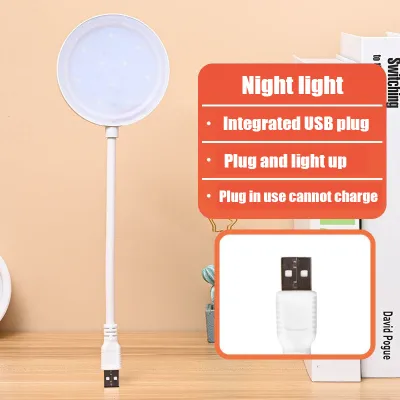
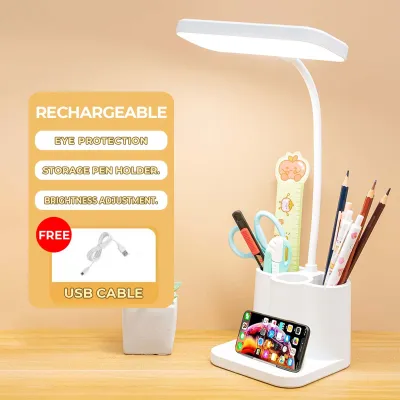
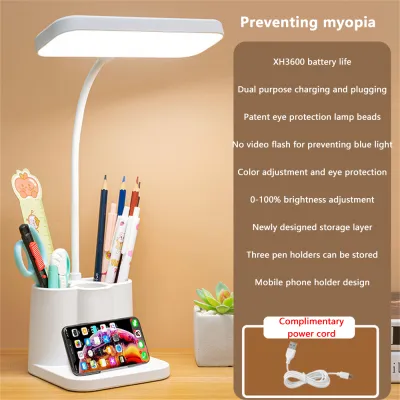
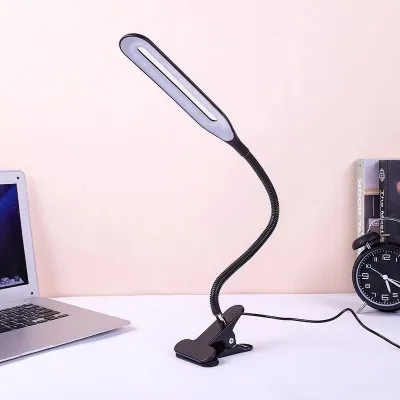
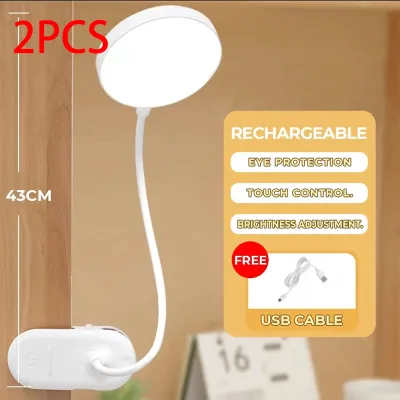
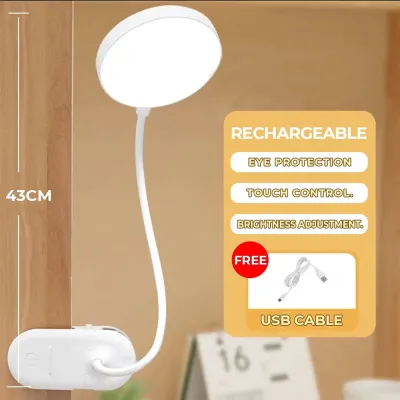
To make an informed decision, it is essential to understand the structural and electrical differences between these two lighting categories. The term “USB lamp shade” in modern lighting design refers to low-voltage, compact fixtures powered via a standard USB port (typically USB-A or USB-C). These devices often feature integrated light-emitting diode (LED) arrays, flexible goosenecks, or clamp-on bases, paired with a small, lightweight shade designed to diffuse or direct the light. Because they operate on direct current (DC), usually at 5 volts, they are highly portable and can run off a variety of power sources, including wall adapters, laptops, or portable power banks.
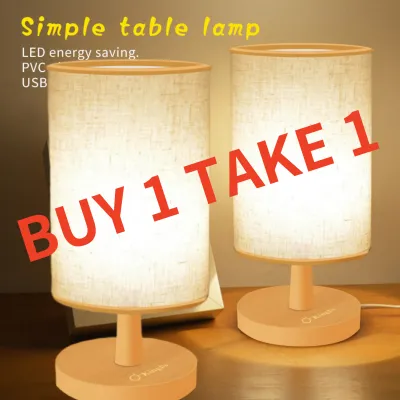
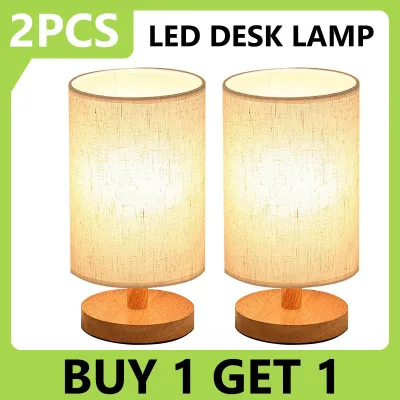
In contrast, a traditional bedside lamp is a classic, mains-powered fixture designed to sit permanently on a flat surface or mount directly to a wall as a sconce. These lamps utilize standard alternating current (AC) voltage—which is 220 volts in the Philippines—and typically feature a standard threaded socket, such as an E27 or E14 base, to accommodate replaceable bulbs. They rely on robust, heavy bases for stability and are equipped with larger, fabric, glass, or paper shades that disperse light across a wider radius. The fundamental difference lies in their power delivery and physical footprint: one is a lightweight, low-voltage tool built for adaptability, while the other is a high-voltage, stationary fixture built for consistent, broad-spectrum room integration.
Products mentioned in this guide
Prices are valid at publication and may change. Please refer to the product page for the latest price.
Core Comparison Dimensions for Nighttime Reading Comfort
Selecting the ideal reading light requires evaluating how each option performs under the specific conditions of nighttime use. Reading in bed presents unique visual and physical challenges that can directly impact your sleep quality and eye health.

Illumination Quality and Eye Comfort
The quality of light emitted by a bedside fixture is the most critical factor in preventing visual fatigue. Visual comfort is determined by three main elements: brightness (measured in lumens), color temperature (measured in Kelvin), and the beam angle of the light source.
Traditional bedside lamps generally offer superior overall illumination quality for extended reading. Because they are powered by standard mains electricity, they can easily support high-lumen bulbs (typically 400 to 800 lumens for reading) without any risk of power throttling. Furthermore, their larger shades diffuse light outward in a wide, even pattern. This broad distribution illuminates not only the pages of your book but also the immediate surroundings, such as the nightstand and headboard. This is visually beneficial because it reduces the contrast ratio between the bright page and the dark room. High contrast forces your pupils to constrict and dilate repeatedly as your eyes move across the page and look up, leading to rapid eye strain and headaches.
USB lamp shades, on the other hand, tend to provide highly directional, focused beams of light. While this is excellent for targeting a specific page without spilling light onto a sleeping partner, it can create a harsh spotlight effect. In a completely dark bedroom, this high-contrast environment can cause visual discomfort over long periods. Additionally, many low-cost USB lights have a lower maximum lumen output, often capping out around 100 to 200 lumens.
When choosing either option, it is vital to look beyond vague marketing claims such as “eye-protection” or “ultra-bright.” Instead, check the manufacturer’s technical specifications for actual lumen output and color temperature. For nighttime reading, a warm color temperature between 2700K and 3000K is highly recommended. Warm light contains less blue-spectrum wavelength, which is gentler on the eyes and does not suppress the production of melatonin, the hormone responsible for regulating your sleep-wake cycle. Cool white light (above 5000K) should be avoided in the bedroom as it mimics daylight and can disrupt your circadian rhythm.
Convenience, Portability, and Space Management
The physical layout of your bedroom and the size of your furniture play a major role in determining which lamp type is more practical.
USB lamp shades are the clear winners when it comes to space optimization and portability. In modern bedrooms, apartments, or condominiums where space is at a premium, nightstands are often small or non-existent. A traditional bedside lamp requires a flat, stable surface of at least 15 to 20 centimeters in diameter, which can quickly clutter a small table, leaving no room for your phone, glasses, or a glass of water. Many USB lamps feature clamp-on bases or flexible arms that allow them to clip directly onto a headboard, a floating shelf, or a bed frame. This completely frees up the surface of your nightstand.
Portability is another significant advantage of USB-powered lighting. Because these lamps can operate on a standard 5V power bank, they are completely independent of wall sockets. In the Philippines, where tropical storms and localized power interruptions can occur, having a reading light that can run for hours on a portable charger is an invaluable asset. It allows you to maintain your reading routine or navigate your room safely during a blackout. Traditional lamps, being bound to a wall outlet, become completely non-functional during power outages unless you have a dedicated home generator or an expensive uninterruptible power supply (UPS).
However, cable management can sometimes be a challenge with USB lights. The included cables are often short, typically ranging from 1 to 1.5 meters. If your bed is not positioned directly next to a wall outlet or a USB charging hub, you may need to use extension cords or rely entirely on a power bank, which requires regular recharging.
Power Requirements and Electrical Safety
Understanding the electrical characteristics of your lighting setup is essential for maintaining a safe home environment, particularly in tropical regions where humidity and temperature fluctuations are common.
USB lamps rely on low-voltage direct current, which makes them inherently safer from an electrical shock perspective. However, their performance is highly dependent on the quality and output of the power source. Most USB reading lights require a minimum input of 5V/1A, while advanced models with dimming features or higher brightness levels perform best with a 5V/2A power supply. If you plug a USB lamp into an underpowered adapter or an overloaded multi-port USB hub, the lamp may suffer from micro-flickering. While this flickering is often invisible to the naked eye, it causes the eye muscles to work harder, leading to rapid fatigue and strain. Always verify that your USB wall adapter or power bank matches the exact input specifications listed on the lamp’s product label.
Traditional bedside lamps operate on 220V AC power, which requires strict adherence to standard electrical safety practices. When purchasing a traditional lamp, ensure it carries recognized national or international safety certifications, such as the Philippine Standard (PS) mark or the Import Commodity Clearance (ICC) sticker. These certifications guarantee that the internal wiring, switch, and power cord have been tested to withstand electrical surges and prevent short circuits.
In warm, humid climates, heat dissipation is another critical safety consideration. Enclosed lamp shades, whether plastic, fabric, or metal, can trap heat generated by the bulb. Traditional lamps using older incandescent bulbs generate significant heat, which can pose a fire hazard if placed near curtains or bedding. Switching to energy-efficient LED bulbs in traditional lamps dramatically reduces heat output and energy consumption. For both USB and traditional lamps, ensure that the shade design allows for adequate ventilation and that power cables are routed safely along the floor or wall to prevent tripping, pinching, or fraying. If you plan to install a fixed wall-mounted sconce that requires hardwiring, always isolate the power supply at the main circuit breaker before installation or consult a qualified professional to handle the electrical connection.
Quick Comparison: USB Lamp Shades vs. Traditional Lamps
To help you quickly weigh the practical differences between these two bedside lighting options, the table below outlines their key structural and operational characteristics.
| Feature | USB Lamp Shade | Traditional Bedside Lamp |
|---|---|---|
| Power Source | Low-voltage USB Port (5V DC, via adapter or power bank) | Standard Wall Outlet (220V AC mains power) |
| Space Requirement | Minimal; can clip onto headboards or shelves | Moderate to high; requires a flat, stable table surface |
| Light Coverage | Focused, directional, and localized | Broad, even, and ambient |
| Portability | High; lightweight and can run on portable power banks | Low; heavy base and restricted to wall outlet proximity |
| Ideal Reading Duration | Short to medium sessions (under 1 hour) | Extended sessions (multiple hours) |
| Setup Complexity | Low; plug-and-play via USB port | Low to moderate; requires bulb installation and outlet access |
| Power Outage Resilience | Excellent; remains functional when paired with a power bank | None; ceases to function during power interruptions |
Decision Framework: Which Bedside Light Should You Choose?
To make the final choice that best aligns with your bedroom layout, reading habits, and comfort preferences, use the following structured decision framework.
Choose a USB Lamp Shade if:
- Limited Space: Your bedside area is compact, or you do not have a dedicated nightstand, making a clip-on or headboard-mounted light highly practical.
- Partner Considerations: You share a bed and need a highly directional light source that can be angled away from your partner to avoid disturbing their sleep.
- Short Reading Sessions: Your nighttime reading consists of quick sessions before falling asleep, where a focused beam is sufficient.
- Power Outage Preparedness: You live in an area prone to power interruptions and want a reading light that can easily run off a portable power bank during blackouts.
Choose a Traditional Bedside Lamp if:
- Extended Reading Sessions: You spend hours reading in bed and require wide, uniform light distribution to minimize contrast glare and prevent eye strain.
- Ample Nightstand Space: You have ample room on your bedside table and prefer a permanent, stable fixture that contributes to your bedroom's overall decor.
- Stable, High-Lumen Output: You prefer a bright, reliable light source powered directly by a wall socket without worrying about USB port compatibility or power bank battery levels.
- Aesthetic and Decor Integration: You want a permanent decor piece that complements your bedroom style and can double as general ambient lighting.
Verify First if:
- Buying Online or Replacing a Setup: Before making any purchase on an online marketplace, carefully check the physical dimensions, weight, and clamp width (for clip-on USB models) to ensure it will securely fit your headboard or shelf.
- Checking the Control Mechanics: Look at the switch design. Touch-sensitive buttons or in-line switches that are easy to locate in the dark are highly preferable for bedside use.
- Inspecting Electrical Specifications: For traditional lamps, verify the maximum wattage limit of the socket (e.g., Max 40W) and ensure you use a compatible LED bulb. For USB lamps, confirm whether they require a 5V/1A or 5V/2A adapter to prevent flickering.
- Assessing the Materials: In humid environments, choose high-quality plastics, treated metals, or breathable fabrics that resist moisture buildup and allow for easy cleaning. Always isolate the power supply and use a dry, static-free cloth when performing routine cleaning on any electrical fixture.
Frequently Asked Questions (FAQ)
Can I use a USB lamp shade for long reading sessions?
While you can physically use a USB lamp shade for extended reading, it is generally not recommended as your primary light source for long sessions. Most USB-powered lights have narrower beam angles and lower maximum lumen outputs than traditional lamps. This creates a highly focused spotlight on your book while leaving the rest of the room in darkness, resulting in high visual contrast that can cause pupillary fatigue and eye strain over time. If you do use a USB lamp for long periods, ensure it is plugged into a stable 5V/2A power source to prevent micro-flickering, and remember to take regular visual breaks by looking away from the page every 20 minutes.
Do USB lamps provide enough light for reading in a dark room?
Yes, a quality USB lamp provides more than enough direct light to illuminate the pages of a physical book or an e-reader. However, reading in a pitch-black room with only a single, highly focused light source is a common cause of eye strain due to contrast glare. To protect your eyes, it is highly recommended to use a USB lamp that features adjustable brightness levels and warm color temperatures. Setting the lamp to a softer, warmer hue helps bridge the contrast gap between the illuminated page and the dark bedroom, making your nighttime reading experience much more comfortable and relaxing.
Community discussion
Share your experience or ask a question. Comments are reviewed before publication.