
Yes, you can use solar-powered Christmas lights for daily ambiance in a condo, but success depends entirely on your unit’s sunlight access, cable routing options, and how you adapt the seasonal aesthetic. While these off-grid lights are highly popular for outdoor gardens, bringing them indoors to illuminate a bedroom or living room requires a practical understanding of how solar panels interact with window glass and indoor spaces. In high-density urban developments where adjacent towers often block direct sunlight, a strategic approach is necessary to ensure your lights actually turn on when the sun goes down.
By evaluating your condo’s layout, understanding the technical limitations of solar charging through glass, and styling the strings to look like intentional year-round decor, you can create a cozy, energy-efficient retreat. This guide walks you through the essential steps to determine if solar-powered string lights are the right fit for your living space.
Assessing Sunlight and Charging Feasibility in a Condo
Before purchasing solar-powered lights, you must evaluate the physical layout of your condo and its exposure to natural light. Solar panels require direct, unshaded sunlight to charge their internal batteries efficiently. If your condo faces a narrow courtyard or is closely flanked by neighboring high-rise buildings, your balcony or windows may only receive indirect light or deep shade for most of the day. East-facing units benefit from strong morning sun, while west-facing units capture intense afternoon rays. North- and south-facing windows generally receive less direct sunlight throughout the year, which can significantly limit the charging capacity of a small solar panel.
Products mentioned in this guide
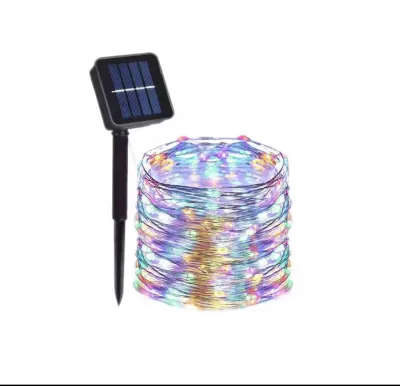
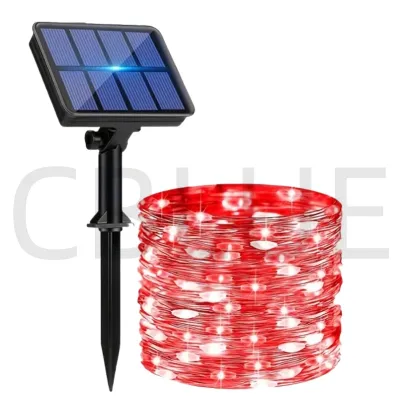
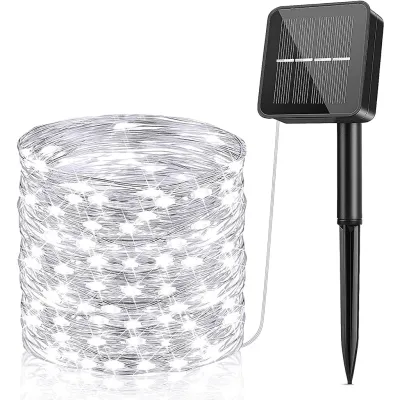
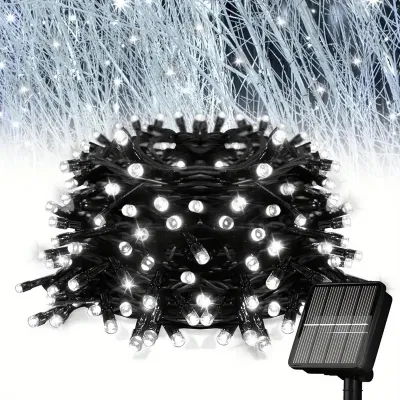
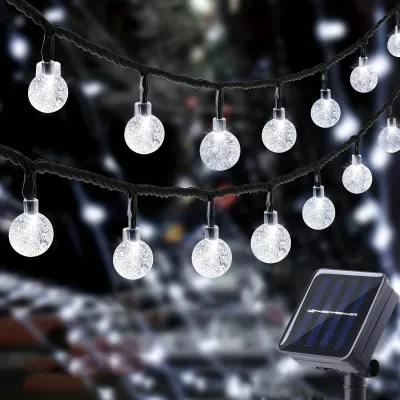
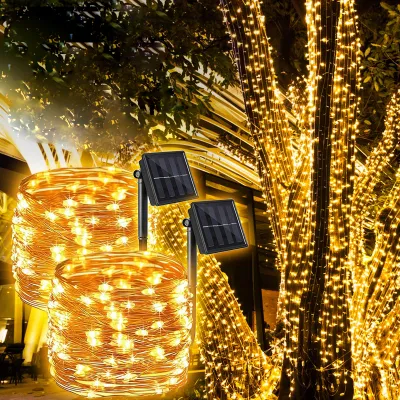
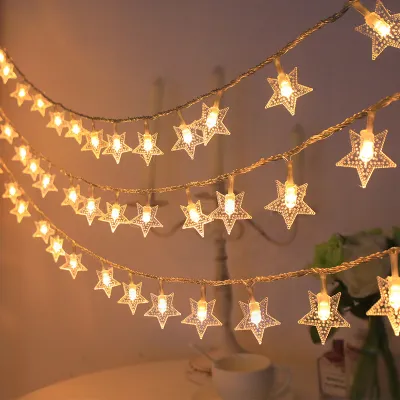
Prices are valid at publication and may change. Please refer to the product page for the latest price.
Another critical factor is the window glass itself. Modern condo units often feature tinted, low-emissivity (Low-E), or double-glazed glass designed to filter out ultraviolet (UV) rays and reduce indoor heat. While excellent for keeping your air conditioning bills low, this filtration drastically reduces the solar energy reaching a panel placed indoors. Standard window glass can cut solar panel efficiency by a significant margin. To combat this, check the manufacturer’s specifications on the product packaging to see if the panel is rated for indoor-window mounting, or plan to mount the panel entirely outdoors on a balcony railing or exterior window sill where it can access unfiltered sunlight.
Finally, consider the physical dimensions and mounting requirements of the solar panel. Most solar Christmas lights come with a small plastic panel attached to a ground stake or a mounting bracket. In a condo, you cannot drive a stake into the ground, so you must verify if the bracket can be clamped to a balcony railing, secured with suction cups to a window pane, or placed flat on a wide window sill. Ensure that any mounting method you choose is secure against strong winds and complies with your condo corporation’s aesthetic guidelines, as many properties strictly prohibit visible exterior modifications or hanging items.
Adapting Holiday Aesthetics for Year-Round Ambiance
To make solar Christmas lights work as everyday decor, you must transition away from the traditional holiday aesthetic. Multi-colored bulbs, rapid flashing sequences, and chasing patterns are excellent for festive cheer, but they quickly become distracting and fatiguing in a daily living room or bedroom setting. Instead, prioritize light sets that offer a “steady-on” mode and feature warm white bulbs. Warm white light, typically ranging from 2700K to 3000K on the color temperature scale, mimics the soft glow of traditional incandescent bulbs, promoting relaxation and a cozy atmosphere.

When shopping on an online marketplace or at a local home improvement store, check the product label for color temperature and lumen output. For ambient lighting, you want a low-lumen output that provides a gentle accent rather than bright, functional illumination. High-lumen strings can feel harsh and clinical, defeating the purpose of a relaxing evening retreat. If the product packaging does not specify the color temperature, look for descriptive terms like “warm glow” or “soft white” rather than “cool white” or “daylight.”
Integrating the lights into your daily decor requires some creativity to hide the utilitarian green or black wires. Instead of draping them loosely across a wall, which can look unfinished, try weaving the string lights into indoor potted plants like snake plants or indoor palms. The foliage naturally diffuses the light and conceals the wiring. Alternatively, you can drape the lights neatly along a wooden headboard in the bedroom, wrap them around a decorative ladder, or coil them inside clear glass jars and geometric lanterns on a console table to create custom accent lamps.
Routing Cables and Managing Indoor Placement
One of the primary challenges of using solar lights indoors is routing the cable from the outdoor solar panel to the indoor light string. If your panel is mounted on the balcony, you must bring the wire inside without damaging the cable or compromising your condo’s insulation. Avoid pinching the wire tightly in sliding door tracks or window frames, as repeated opening and closing can wear down the protective plastic insulation, exposing the copper wire and creating a short-circuit hazard. If possible, route the cable through existing utility gaps, or use flat ribbon-style cables designed to pass through tight window seals without breaking.
Moisture protection is another critical safety consideration. Check the Ingress Protection (IP) rating on the product packaging before installation. An IP rating consists of two numbers; the second number indicates water resistance. For outdoor solar panels and battery boxes, look for a rating of at least IP44, which protects against splashing water, or IP65, which protects against heavy rain. Even if the light string itself is rated for outdoor use, the battery compartment and control box must be kept dry. If you bring the control box indoors, ensure it is placed away from condensation-prone areas like window sills during the rainy season.
To maintain a clean, minimalist condo aesthetic, you will need to conceal the bulky plastic battery and control box that connects the solar panel to the light string. These boxes are often utilitarian and unsightly. You can easily hide them by placing them inside small woven baskets, tucking them behind heavy drapes, or concealing them within decorative boxes on a shelf. Just ensure that the control buttons remain accessible so you can easily turn the lights off manually or change modes when needed.
Maintaining Battery Health for Daily Cycles
Solar-powered lights rely on rechargeable batteries—typically Nickel-Metal Hydride (NiMH) or Lithium-ion (Li-ion)—housed inside the control box. Because these lights will cycle through a charge and discharge phase every single day, the batteries will experience wear much faster than they would during occasional holiday use. Over several months of daily cycles, you may notice the lights dimming sooner in the evening or failing to turn on at all, which are classic signs of battery degradation.
To prolong the lifespan of your setup, check the manufacturer’s instructions for battery replacement procedures before you buy. High-quality solar light sets feature a screw-secured battery compartment that allows you to easily swap out the old rechargeable cells for new ones of the same size and voltage (often standard AA or AAA rechargeable batteries). Avoid cheap, completely sealed units that do not allow battery replacement; once their internal battery dies, the entire light string must be discarded, creating unnecessary electronic waste.
Additionally, you must manage your expectations during the local rainy season. In the Philippines, the monsoon months bring consecutive days of heavy cloud cover and rain, which will prevent the solar panel from receiving enough energy to fully charge. During these periods, your lights may only run for an hour or two, or not at all. Understanding this seasonal limitation helps you plan when to rely on alternative ambient lighting, such as low-wattage plug-in LED lamps, to maintain your evening ambiance.
Making the Final Decision for Your Space
Deciding whether to use solar-powered Christmas lights in your condo comes down to balancing convenience against sustainability. The primary benefit is clear: you enjoy zero electricity costs for your ambient lighting and complete freedom from wall outlets, allowing you to place lights in cozy corners far from electrical sockets. It is a charming, eco-friendly way to soften the atmosphere of a small living space.
However, the daily maintenance can be a drawback for some. You must be willing to manage the solar panel’s exposure, wipe away urban dust and soot that accumulates on the panel (which further reduces charging efficiency), and accept inconsistent runtimes during cloudy weather. If your condo is on a lower floor with heavy shading, or if your building administration has strict rules against placing items on balconies, solar power may simply not be viable.
If you find that solar charging is impractical for your layout, do not worry. You can achieve the exact same cozy aesthetic using low-voltage plug-in fairy lights, USB-powered LED strings, or standard battery-operated lights. Many USB-powered options can be plugged into a standard phone charger or a portable power bank, giving you the same outlet-free flexibility as solar power but with 100% reliable brightness every night of the year.
Frequently Asked Questions (FAQ)
Can I leave the solar panel indoors near a window?
While you can place the solar panel on an indoor window sill, it will charge much less efficiently than it would outdoors. Standard window glass, especially tinted or energy-efficient double-glazed glass, filters out a significant portion of the sunlight required to charge the battery. Unless the manufacturer explicitly states that the panel is designed for indoor window use, it is best to mount the panel outdoors on a balcony or exterior ledge to ensure the lights receive enough power to run through the evening.
Are the batteries in solar string lights replaceable?
It depends on the specific product design. Many mid-range and premium solar light sets feature a battery compartment secured by screws, allowing you to easily replace the rechargeable NiMH or Li-ion batteries when they wear out. However, many budget-friendly options are completely sealed to save on manufacturing costs and improve waterproofing. Always check the product packaging or manual before purchasing; if the battery compartment cannot be opened, the entire unit must be replaced once the battery can no longer hold a charge.
Community discussion
Share your experience or ask a question. Comments are reviewed before publication.