
Repurposing a vanity light as a hallway or bedside wall sconce is an excellent way to introduce unique linear designs and multi-directional lighting into your living spaces. While these fixtures are traditionally engineered to sit above bathroom mirrors, their structural versatility allows them to transition beautifully into other areas of the home. However, a successful installation depends on more than just aesthetic appeal. You must carefully evaluate physical dimensions, light diffusion, and electrical compatibility to ensure the fixture provides comfortable, safe, and glare-free illumination outside the utilitarian bathroom environment.
Core Differences Between Bathroom and Living Space Lighting
Bathroom vanity lights are primarily designed for high-visibility task lighting. Their main job is to flood a specific area with bright, even light to eliminate shadows during grooming routines. To achieve this, many vanity fixtures feature exposed bulbs, clear glass shades, or high-output LED arrays that project light directly forward.
When you move this type of lighting into a hallway or bedroom, the environmental requirements change. Hallways are transitional zones where you need soft, ambient illumination to navigate safely without being blinded by harsh glare. Bedrooms are sanctuaries dedicated to rest and relaxation, where high-intensity, clinical light can disrupt your circadian rhythm and make the space feel cold and uninviting.
Products mentioned in this guide
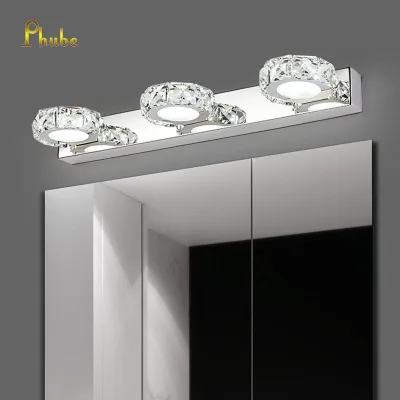
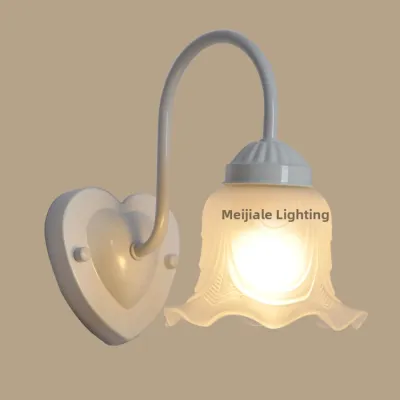

Prices are valid at publication and may change. Please refer to the product page for the latest price.
Furthermore, proximity plays a major role in how we experience light in these spaces. In a bathroom, you stand a safe distance from the mirror-mounted fixture. In a narrow hallway, you walk directly past the wall-mounted light, and in a bedroom, you lie down right next to it. A fixture designed to cut through bathroom steam and shadows will feel overwhelmingly bright and visually intrusive when positioned close to your eyes in a relaxing living area.
Key Specifications for Hallway and Bedside Use
To successfully adapt a vanity light for a hallway or bedroom, you must look closely at its physical build and optical performance. Balancing these technical specifications ensures the fixture fits your wall space physically while delivering the right quality of light for a comfortable living environment.

Dimensions, Protrusion, and Clearance
The physical depth of the fixture—how far it protrudes from the wall—is a primary safety consideration. In narrow corridors and busy hallways, a bulky light fixture can become a physical hazard. Passing family members, especially those carrying laundry baskets or moving furniture, can easily bump into a protruding light. To maintain safe clearance, look for low-profile vanity lights that project minimal distance from the wall, ideally keeping the depth under 4 inches (10 cm) to align with standard accessibility guidelines.
Proportional sizing is equally important when placing a fixture beside a bed. A long, three-bulb or four-bulb vanity bar that looks perfectly balanced over a wide bathroom sink will easily overwhelm a standard bedside table. For bedside applications, focus on compact, single-light vanity fixtures or models that can be mounted vertically to mimic the slender profile of a traditional wall sconce.
Finally, do not forget to measure the fixture’s backplate. The backplate must be large enough to fully cover your existing electrical junction box. If the new fixture has a smaller or uniquely shaped backplate compared to the old one, you may find yourself facing unexpected drywall repairs, patching, and repainting to hide the exposed wall cutout.
Light Output, Glare Control, and Color Temperature
Effective glare control is the single most important factor in making a vanity light comfortable for bedroom or hallway use. Avoid fixtures with completely clear glass shades or exposed bulbs, as these will project harsh, direct light into your eyes. Instead, prioritize vanity lights that feature frosted glass, fabric shades, opal diffusers, or solid metal shields that direct the light upward or downward rather than straight out.
You must also manage the total light output, measured in lumens. While a bathroom vanity might require 800 to 1,200 lumens to provide adequate grooming light, a bedside reading light only needs about 200 to 400 lumens. Choosing a fixture with a lower maximum wattage limit or using lower-lumen bulbs prevents the space from feeling like a commercial showroom.
Color temperature significantly influences the mood of a room. Bathroom lighting often utilizes cool white or daylight tones (4000K to 5000K) to mimic natural outdoor light. For bedrooms and hallways, warmer color temperatures between 2700K and 3000K are highly recommended. This warm, golden glow mimics candlelight, helping your body wind down for sleep and creating a cozy, welcoming atmosphere in transitional spaces.
Electrical and Installation Requirements
Before purchasing any vanity light, you must verify that its electrical specifications match your home’s wiring system. In the Philippines, residential electrical systems operate on a standard voltage of 220V at 60Hz. Many imported vanity lights are designed for 110V systems, so always check the product label or manufacturer specifications to ensure compatibility and prevent electrical hazards or premature fixture failure.
Dimming capability is highly recommended for both bedside and hallway applications. A dimmable fixture allows you to lower the light levels to a soft glow for late-night navigation or reading, preventing sudden exposure to bright light that can disrupt your sleep cycle. Ensure the vanity light you select is explicitly labeled as dimmable, and pair it with a compatible wall dimmer switch.
While you do not need a damp-rated or wet-rated fixture for dry areas like bedrooms and hallways, you must still adhere to standard dry-location installation safety. Ensure the wall structure can support the weight of the fixture, especially if it features heavy metal frames or thick glass shades. Secure mounting to a wall stud or the use of heavy-duty hollow-wall anchors is essential to prevent the fixture from pulling loose over time.
Always turn off the power at the main circuit breaker before attempting any electrical work. If your existing wall box does not have a dimmer switch, if you need to run new wiring to a bedside location, or if you are unsure about the load capacity of your circuit, consult a qualified professional or licensed electrician to handle the installation safely and in compliance with local building codes.
Design and Aesthetic Adaptability
Transitioning a vanity light out of the bathroom requires a thoughtful approach to interior design. Many vanity lights feature high-shine chrome, polished nickel, or clinical stainless steel finishes that naturally evoke a utilitarian, wet-room aesthetic. In a bedroom or hallway, these finishes can feel cold and out of place. Instead, look for fixtures finished in matte black, brushed brass, antique bronze, or painted finishes that complement your bedroom textiles, wooden furniture, and hallway decor.
Pay close attention to the visual weight and orientation of the fixture. A horizontal multi-bulb bar can look unbalanced when placed next to a headboard. However, many linear vanity lights can be mounted vertically. Installing a two-light vanity fixture vertically on either side of a bed or along a hallway wall creates a sleek, modern look that closely resembles a high-end designer sconce while providing excellent vertical light distribution.
Ultimately, the fixture should harmonize with the overall design theme of your home. If your bedroom features soft, organic textures and warm wood tones, a minimalist vanity light with a fabric shade or a soft ceramic body will blend in beautifully, ensuring the lighting enhances the room’s comfort rather than distracting from it.
Cross-Scenario Compatibility Checklist
Before finalizing your purchase, use this practical checklist to determine if a specific vanity light model will work well in your hallway or bedroom:
- Protrusion Check: Does the fixture extend less than 4 inches (10 cm) from the wall to prevent accidental bumps in narrow hallways?
- Glare Shielding: Are the bulbs fully covered or diffused by frosted glass, fabric, or an opaque shield?
- Sizing and Orientation: Is the fixture compact enough for a bedside wall, or can it be mounted vertically to save horizontal space?
- Dimmer Compatibility: Is the fixture dimmable, and do you have a compatible dimmer switch installed?
- Voltage Rating: Is the fixture rated for 220V to match local electrical standards?
- Stop and Reconsider: If the fixture features completely exposed bulbs, projects significantly into a tight walkway, or cannot be dimmed, it is best to pass on that model and opt for a dedicated wall sconce instead.
Frequently Asked Questions (FAQ)
Can I install a damp-rated bathroom vanity light in my bedroom?
Yes, damp-rated fixtures are perfectly safe to use in dry locations like bedrooms and hallways. However, because they are engineered with specialized moisture-resistant seals and rust-resistant finishes, they often carry a price premium. You might pay an extra ₱500 to ₱1,500 for these protections, which are entirely unnecessary for a dry bedroom environment.
How high should I mount a vanity light above a bedside table?
For bedside applications, the standard recommendation is to mount the fixture so the center of the backplate is approximately 55 to 60 inches (140 to 152 cm) above the finished floor. Alternatively, ensure the bottom of the light shade sits about 20 to 24 inches (50 to 60 cm) above the top of your mattress or nightstand to provide optimal reading light without causing head bumps.
Do I need a special dimmer switch for LED vanity lights?
Yes, if your vanity light uses LED bulbs or features an integrated LED light source, you must use a compatible LED-rated dimmer switch. Standard incandescent dimmers can cause LED lights to flicker, buzz, or experience a significantly reduced lifespan. Always check the manufacturer’s compatibility list to match the fixture with the correct dimmer.
Community discussion
Share your experience or ask a question. Comments are reviewed before publication.