
Quick Answer: Is a Vintage Lamp Bright Enough for Reading?
When selecting a bedside light source, choosing a lamp vintage in style is often a decision driven by aesthetics. But does it actually provide enough light for comfortable reading? The short answer is yes, a vintage-style lamp can absolutely provide sufficient illumination for reading, but its performance is highly conditional. Unlike modern task lamps, which are engineered from the ground up to direct light precisely onto a surface, a vintage fixture relies heavily on your choice of bulb and the structural design of its shade.
If you pair a vintage base with a dense, dark fabric shade or an inefficient, low-lumen decorative bulb, you will likely struggle with dim, muddy light that causes eye strain. However, by selecting a high-output LED filament bulb and a shade with a reflective interior, you can easily achieve the necessary brightness. Modern reading lamps offer plug-and-play optical control, but with a few deliberate adjustments, a vintage counterpart can serve as both a stunning design statement and a highly functional reading companion.
What Makes a Good Reading Light? Key Metrics to Check
Before comparing styles, it is essential to understand the physics of reading light. Reading is a high-focus visual task that requires specific lighting conditions to prevent fatigue, headaches, and long-term eye strain.
Products mentioned in this guide
Prices are valid at publication and may change. Please refer to the product page for the latest price.

Lumens, Wattage, and Light Distribution
For decades, consumers relied on wattage to determine how bright a bulb would be. In the modern lighting landscape, wattage only measures energy consumption, not light output. To evaluate a bulb’s actual brightness, you must look at its lumen rating. For comfortable reading, a light source should deliver between 400 and 800 lumens to your reading surface. This level of illumination ensures that text remains sharp and legible without requiring your eyes to dilate excessively.
Light distribution is the next critical factor. The physical shape, material, and opacity of the lamp shade dictate how those lumens are dispersed across your bed. An open-topped or semi-translucent shade scatters light throughout the entire room, creating a soft, ambient glow but reducing the concentrated light hitting your book. Conversely, a cone-shaped or downward-facing shade focuses the light beam, maximizing the “lux”—or lumens per square meter—on your page. Understanding this distinction is key to optimizing any bedside setup.
Color Temperature and Glare Control
Color temperature, measured on the Kelvin (K) scale, significantly influences both reading comfort and your sleep cycle. Bedside reading lights generally perform best in the warm-white to neutral-white range, specifically between 2700K and 3000K. This warm light mimics the gentle glow of sunset, helping your brain transition into sleep mode by allowing the natural production of melatonin. Cooler light (above 4000K) offers higher contrast for reading small print, but its blue-rich spectrum can disrupt your circadian rhythm, making it less suitable for late-night reading in bed.
Glare control is another vital consideration that directly impacts eye comfort. Direct glare occurs when an unshielded bulb shines straight into your eyes, while reflected glare happens when light bounces off glossy book pages or e-reader screens. To mitigate this, look for light sources that incorporate effective diffusion. Fabric shades, frosted glass globes, and specialized optical lenses scatter light waves, softening the output and eliminating harsh hotspots. This diffused light creates a uniform field of illumination, allowing you to read for extended periods without experiencing visual fatigue.
Vintage-Style Lamps: Aesthetic Appeal vs. Light Output
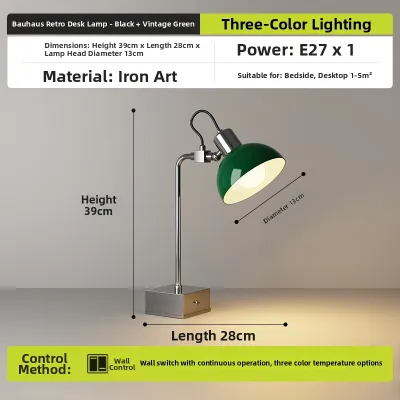
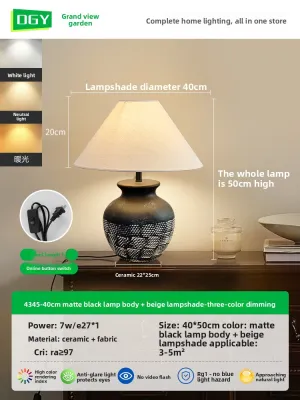
A lamp vintage in design brings undeniable character, warmth, and historical charm to a bedroom. Whether it features a heavy cast brass base, a hand-painted ceramic body, or a classic green glass banker’s shade, these fixtures serve as prominent decor pieces. However, the very materials and design philosophies that make vintage lamps so visually appealing can often work against their efficiency as task lights.
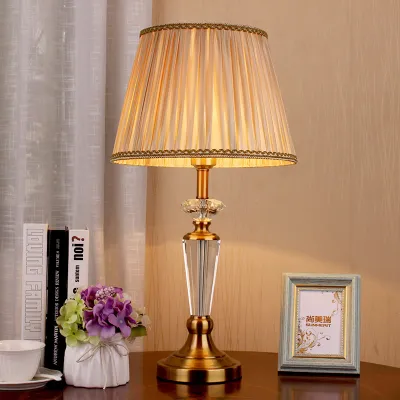
Classic vintage designs frequently utilize thick, opaque materials such as stained glass, heavy pleated silk, or dark parchment. While these shades excel at creating a cozy, low-light sanctuary, they absorb a significant portion of the light emitted by the bulb. Instead of directing a clean beam downward, they scatter a muted, colored glow or block the light entirely. Furthermore, traditional antique carbon-filament bulbs—while beautiful with their amber glow and intricate wire designs—typically produce fewer than 200 lumens while consuming a high amount of energy. Relying on authentic antique bulbs for reading is a recipe for eye strain.
To bridge the gap between vintage aesthetics and modern performance, you must make deliberate choices. The most effective solution is to install a modern LED filament bulb. These bulbs replicate the beautiful, exposed-filament look of early 20th-century lighting but utilize advanced LED technology to deliver 600 or more lumens of warm, high-contrast light. This allows you to preserve the historical look of your fixture while securing the brightness needed for reading.
Additionally, you must accept the inherent trade-offs of this style. A vintage lamp is primarily designed to create an atmosphere. Even with a high-performance bulb, its fixed structure rarely allows you to adjust the angle of the light beam. If you prefer to read while lying down or sitting in various positions, a vintage lamp may require you to adjust your posture to stay within its limited pool of light. In tropical climates like the Philippines, where evening humidity can be high, choosing a vintage lamp with a metal or ceramic base rather than delicate, dust-attracting fabric shades can also simplify maintenance and keep the light output clean and unobstructed over time.
Modern Task Lamps: Precision and Eye Comfort
In contrast to the decorative focus of vintage designs, modern task lamps are engineered with a strict “form follows function” philosophy. These fixtures prioritize ergonomics, precision, and optical efficiency, making them highly effective tools for avid readers who spend hours lost in books.
A defining feature of modern reading lamps is their exceptional adjustability. Equipped with flexible goosenecks, articulating counterbalanced arms, or swiveling heads, these lamps allow you to direct the light beam with pinpoint accuracy. You can position the light source directly over your book, adjusting it to eliminate shadows cast by your hands or head. Many modern models also feature integrated LED modules rather than traditional screw-in bulbs. These modules often include built-in optical lenses that shape the light into a tight, glare-free beam, minimizing light spill. This directional control is incredibly valuable if you share a bed, as it allows you to illuminate your book without casting a bright glare across the mattress and disturbing a sleeping partner.
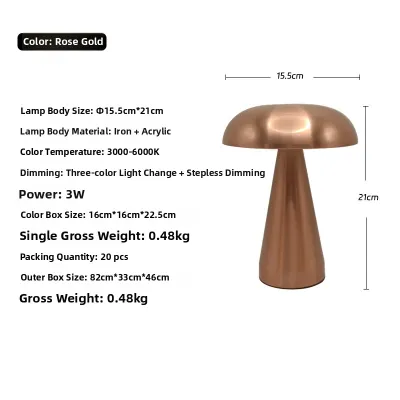
Furthermore, modern task lighting frequently incorporates advanced electronic controls. Features such as stepless dimming and adjustable color temperature allow you to customize the light output to match your immediate needs. You can start your evening with a bright, high-contrast neutral light for study-level reading, and gradually dim it to a warm, low-intensity glow as you prepare to sleep.
However, these functional benefits come with clear aesthetic trade-offs. Modern task lamps often lean toward minimalist, industrial, or highly utilitarian designs. Their slim metal profiles, exposed joints, and plastic components can feel cold or clinical, clashing with bedrooms designed around warm, rustic, or traditional themes. Additionally, many modern lamps feature integrated, non-replaceable LED modules. While these LEDs are rated to last for tens of thousands of hours, if the module or its internal driver fails, the entire lamp must typically be replaced, unlike a vintage lamp where you can simply screw in a new bulb.
Direct Comparison: Vintage vs. Modern Bedside Lighting
To help you visualize the structural and functional differences between these two styles, the table below compares them across key decision dimensions.
| Decision Dimension | Vintage-Style Lamps | Modern Task Lamps |
|---|---|---|
| Light Directionality | Primarily ambient and scattered; relies on shade openings to project light. | Highly directional; shapes light into a focused beam directly onto the page. |
| Glare Reduction | Relies on external shade materials (fabric, frosted glass) to diffuse light. | Uses integrated optical lenses, diffusers, and precise positioning to prevent glare. |
| Adjustability | Generally fixed; limited or no ability to adjust height, angle, or beam direction. | High adjustability via flexible goosenecks, articulating joints, and swivel heads. |
| Aesthetic Versatility | High decorative value; adds warmth, character, and historical charm to the room. | Utilitarian or minimalist; may feel clinical or clash with traditional decor styles. |
| Bulb Replacement Ease | Very easy; uses standard screw-based sockets (e.g., E27) for quick bulb swaps. | Often uses integrated LED modules; driver or module failure may require replacing the lamp. |
Decision Guide: Which Lamp Style Fits Your Bedroom?
Choosing between a vintage and a modern bedside lamp ultimately comes down to your personal reading habits, aesthetic preferences, and bedroom layout. Use the following framework to guide your decision:
Choose Vintage if:
- You view your bedside lamp primarily as a design statement that completes your bedroom's decor.
- Your reading sessions are relatively short (under an hour) and serve as a way to wind down before sleep.
- You prefer a soft, warm, ambient atmosphere throughout the bedroom rather than a starkly lit reading zone.
- You want the simplicity of easily replaceable, standard screw-in bulbs that you can buy at any local hardware store.
Choose Modern if:
- You are an avid reader who spends several hours reading in bed every night.
- You share a bed and need to keep the light focused strictly on your side of the mattress to avoid disturbing your partner.
- You require highly adjustable lighting to accommodate different reading postures, whether sitting upright or reclining.
- You want advanced features like touch controls, stepless dimming, and adjustable color temperatures to customize your environment.
Verify first if:
- The vintage lamp you are considering has a heavily tinted or completely opaque shade that blocks downward light, which will severely limit its utility as a reading light.
- The modern lamp utilizes an integrated LED module that cannot be replaced, and check if the manufacturer offers a reliable warranty to cover potential electronic component failures.
- Your bedside table has enough surface area to accommodate the heavy, wide base of a vintage ceramic lamp without crowding your other nighttime essentials.
Pre-Purchase Checklist: Specs and Safety to Verify
Before finalizing your purchase, it is vital to check several technical and safety specifications to ensure your new lamp operates safely and efficiently in your home.
- Local Voltage and Plug Compatibility: Verify that the lamp is rated for the local electrical grid (typically 220V AC at 60Hz in the Philippines). Ensure the plug matches your wall outlets (commonly flat two-prong Type A or B) to avoid relying on unstable adapters.
- Socket Wattage Limits: Always check the maximum wattage rating printed on the lamp's socket. This is especially critical for vintage reproductions or restored antique lamps. Exceeding this limit with a high-wattage incandescent bulb can melt the socket or degrade the wiring, posing a serious fire hazard.
- Dimmer Compatibility: If you plan to use a dimming system, ensure both the lamp and the bulb are explicitly labeled as dimmable. Many standard LED filament bulbs will flicker or buzz when paired with incompatible traditional triac wall dimmers.
- Ergonomic Height and Footprint: Measure the height of your bedside table relative to your mattress. Ideally, the bottom of the lamp shade should sit roughly at eye level when you are sitting in bed. This positioning ensures the light shines down onto your book without casting the bulb's direct glare into your eyes.
- Electrical Certification: Look for recognized safety certification marks on the lamp's base or wiring, indicating that the fixture has undergone rigorous safety testing for insulation and heat resistance. For any fixed-wiring installations, such as wall-mounted bedside sconces, always isolate the power at your main circuit breaker before starting, and consult a qualified professional if you are unsure about the wiring process.
Frequently Asked Questions (FAQ)
Can I use modern LED bulbs in a vintage-style lamp?
Yes, you can easily use modern LED bulbs in almost any vintage-style lamp, provided the bulb’s base matches the lamp’s socket. Most vintage and reproduction lamps use standard screw bases, such as E27 or E14. To preserve the classic look of the fixture, look for LED filament bulbs. These bulbs feature thin, glowing LED threads that mimic the warm, nostalgic look of antique carbon filaments while delivering the high lumen output, energy efficiency, and cool operating temperatures of modern LED technology.
How do I prevent a vintage lamp shade from blocking reading light?
To maximize the reading light from a vintage lamp, choose a fixture with an open-bottom shade, such as a classic drum or cone shape, which naturally directs light downward. Additionally, look for shades that feature a white, light-colored, or reflective metallic gold inner lining. These light interiors reflect the bulb’s output downward onto your book rather than absorbing it. If your current vintage shade is too dark, swapping it for a lighter, semi-translucent fabric shade can instantly boost the usable light in your reading area.
Community discussion
Share your experience or ask a question. Comments are reviewed before publication.