
A wall sconce light serves vastly different purposes depending on where it is installed. In high-traffic corridors, the primary goals are safe navigation and space-saving illumination that keeps walkways clear. Conversely, bedside lighting demands focused task illumination, glare control, and easy physical access from a reclining position. Choosing the right style requires balancing these distinct functional needs with the physical constraints of your walls and furniture.
Assess the Functional and Spatial Requirements of Each Area
Corridors are transitional zones. They require even, shadow-free illumination to prevent trips, especially in homes with varying floor levels or steps. Because hallways are typically narrow, any fixture mounted here must respect strict clearance limits. A protruding light can easily be bumped by passing shoulders, carrying bags, or moving furniture.
Bedside zones, on the other hand, are highly personal task areas. The lighting must be bright enough for reading but soft enough to promote relaxation. Glare prevention is critical because you will often view the light source from a low, lying-down angle. Additionally, the physical switch must be within arm’s reach so you do not have to get out of bed to turn off the light.
Products mentioned in this guide
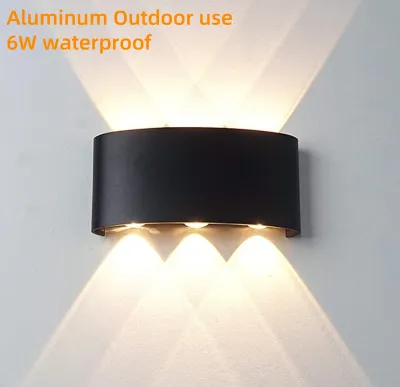
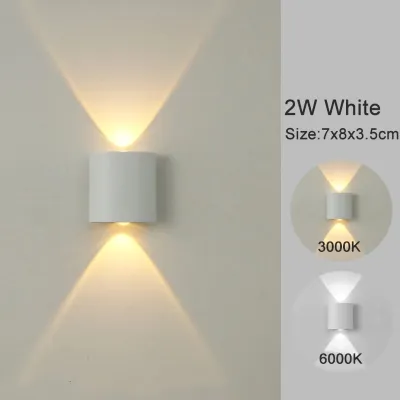
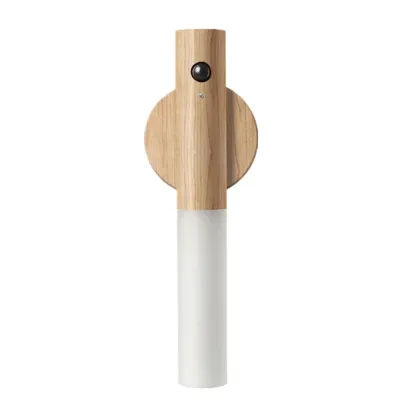
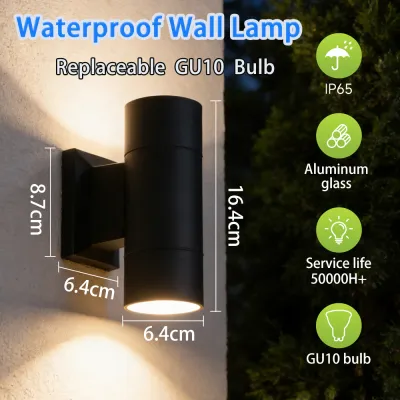
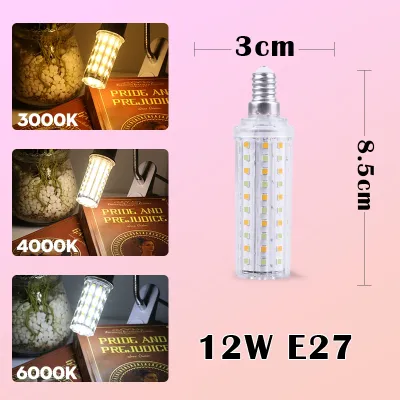
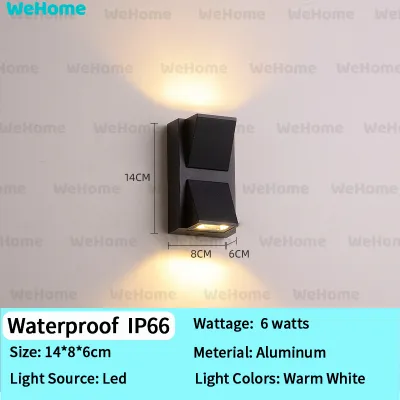
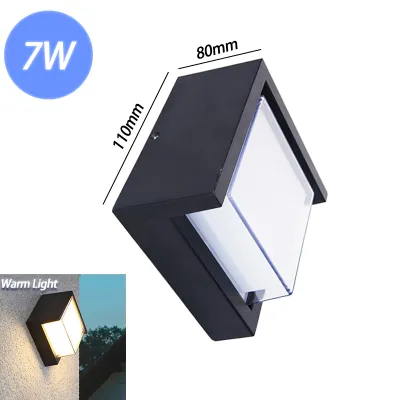
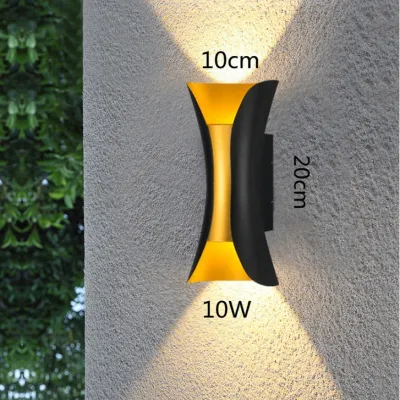
Prices are valid at publication and may change. Please refer to the product page for the latest price.
Before purchasing any fixture, perform precise spatial checks. Measure the width of your hallway and calculate the remaining clearance when a sconce is installed. For bedrooms, measure the width of your nightstands and the height of your headboard. These dimensions establish the maximum depth and scale of the sconce, ensuring it neither crowds the bed nor obstructs the corridor.
Select Low-Profile and Ambient Styles for Corridors
To maintain clear walking paths in narrow corridors, prioritize flush-mount or semi-flush silhouettes. These low-profile designs hug the wall closely, minimizing the risk of accidental bumps. Look for fixtures that project only a few inches from the wall surface to keep the walkway open and safe.

For effective hallway lighting, choose styles that direct light upward, downward, or both. Up-and-down sconces bounce light off the ceiling and floor, creating a soft, diffused ambient glow. This indirect illumination reduces harsh shadows and makes narrow corridors feel wider and more welcoming without casting direct light into your eyes.
Corridors are high-traffic areas prone to dust and occasional contact. Select durable materials and finishes that are easy to clean, such as powder-coated metals, brushed brass, or smooth glass. In tropical environments with high humidity, ensure the finishes are rust-resistant to maintain their appearance over time.
Always check the manufacturer’s specifications for wattage limits and compatible bulb types. Enclosed or semi-enclosed corridor fixtures can trap heat, so using the correct bulb—such as a low-wattage, heat-efficient LED—is essential to prevent overheating and prolong the life of the fixture.
Choose Adjustable and Glare-Controlled Designs for Bedside Use
Bedside lighting benefits greatly from flexibility. Swing-arm sconces or designs with adjustable heads allow you to direct light precisely onto your book or tablet. This targeted task lighting ensures you can read comfortably without casting light across the entire bed, which helps avoid disturbing a sleeping partner.
To protect your eyes from harsh glare while reclining, select sconces with opaque shades, fabric diffusers, or deep-set bulb configurations. Fabric, ceramic, or frosted glass shades soften the light output, creating a warm and relaxing bedroom atmosphere. Avoid exposed-bulb designs at the bedside, as they can cause significant eye strain when viewed from below.
Consider the proportion and scale of the sconce relative to your bedroom furniture. A massive fixture can overwhelm a small nightstand, while a tiny sconce may look lost next to a tall headboard. Aim for a balanced visual weight where the sconce complements the height of the headboard and the width of the bedside table.
Evaluate the switch type and its accessibility. Sconces with inline cord switches, built-in base switches, or touch-sensitive controls are highly convenient for bedside use. If you prefer a cleaner look, you can wire the sconces to a wall dimmer switch positioned just above the nightstand, allowing you to adjust the brightness without leaving the comfort of your bed.
Verify Electrical Compatibility and Installation Boundaries
When planning your installation, decide between hardwired and plug-in configurations. Hardwired sconces offer a seamless, professional look with all wiring concealed behind the drywall, but they require an existing junction box or new electrical routing. Plug-in models are easier to install as DIY projects but leave a visible power cord hanging down the wall.
Before purchasing, verify that the fixture’s voltage rating matches the local standard. In the Philippines, the standard household voltage is 220V to 240V at 60Hz. Ensure the wall sconce light carries recognized electrical certification marks, such as the Philippine Standard (PS) mark or the Import Commodity Clearance (ICC) sticker, to verify it has undergone safety testing.
For a secure installation, identify wall stud locations using a stud finder. Heavy metal, ceramic, or glass sconces require sturdy anchoring to prevent them from pulling loose from the drywall. If a junction box is not positioned directly over a stud, use appropriate heavy-duty drywall anchors rated for the fixture’s weight.
Always prioritize safety during installation. Turn off the power at the main circuit breaker before handling any electrical wiring. If your project requires running new electrical lines through the wall, patching drywall, or installing fixtures in damp areas like bathrooms or semi-outdoor corridors, stop and consult a licensed electrician to ensure compliance with local electrical codes.
Frequently Asked Questions (FAQ)
Can I use a plug-in wall sconce light instead of hardwiring?
Yes, plug-in wall sconces are an excellent, non-invasive alternative to hardwired fixtures, especially for renters or quick bedroom updates. The primary trade-off is the visual impact of the exposed power cord. To maintain a clean and organized look, you can use matching metal or plastic cable concealers to secure the cord flat against the wall. Always ensure the outlet is within safe reach of the cord without stretching it, and verify that the cord and plug ratings match the fixture’s power requirements to prevent overheating.
What are the general guidelines for mounting height in these spaces?
For corridors, wall sconces are typically mounted so the center of the fixture is roughly 60 to 66 inches (152 to 167 cm) above the finished floor. This height keeps the light source near eye level while preventing direct glare from the bulb. For bedside tables, the sconce should be positioned so the bottom of the shade sits approximately 30 to 36 inches (76 to 91 cm) above the top of the mattress. This placement ensures the light shines down onto your reading material rather than directly into your eyes when you are sitting up or reclining. Always check the manufacturer’s specific mounting instructions and adjust the height to suit your ceiling height and personal comfort.
Community discussion
Share your experience or ask a question. Comments are reviewed before publication.