
Choosing the right light temperature for bedtime reading depends heavily on when you read and how you want your bedroom to feel. For late-night reading sessions, warm white light is almost always the superior choice because it creates a relaxing environment and minimizes sleep-disrupting blue light. Conversely, cool white light serves daytime reading or high-focus tasks where sharp contrast and maximum text clarity are required.
A common point of confusion for homeowners shopping for a led lampshade for bedroom use is how the system actually produces light. A lampshade itself does not generate light; instead, it relies on an LED bulb or an integrated LED chip. However, the physical material, color, and density of the lampshade act as a powerful filter, significantly shifting the raw light temperature before it ever reaches your eyes.
To find your ideal setup, you must evaluate three core dimensions: visual comfort, biological impact on sleep, and the physical interaction between your light source and the lampshade material. Balancing these factors ensures you protect your eyes from strain while preserving the restful sanctuary of your bedroom.
Products mentioned in this guide
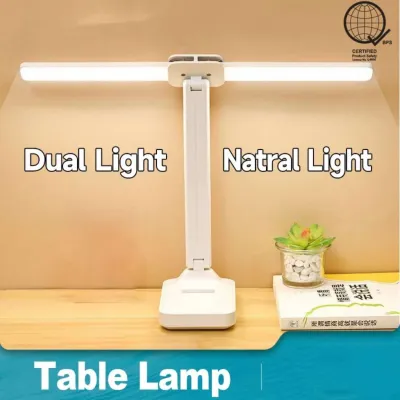
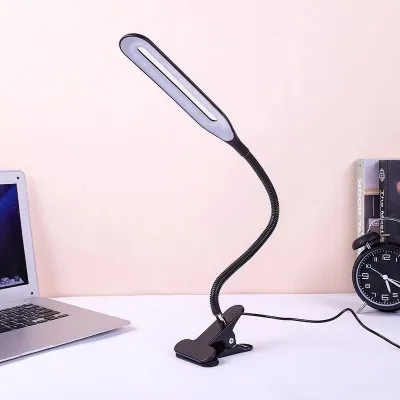
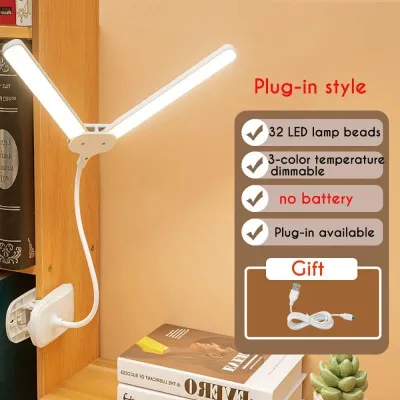
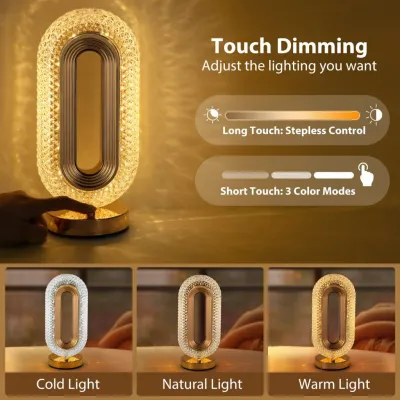
Prices are valid at publication and may change. Please refer to the product page for the latest price.
Decoding Color Temperature for Your LED Lampshade
To make an informed decision, it is essential to understand color temperature, which is measured on the Kelvin (K) scale. This numerical scale describes the visual warmth or coolness of a light source, ranging from warm, candle-like amber to crisp, daylight blue.
Warm white light typically occupies the range between 2700K and 3000K. This spectrum emits a soft, yellowish glow that mimics traditional incandescent bulbs, creating a soothing atmosphere that signals to your body that it is time to wind down. Cool white light generally falls between 4000K and 5000K, with temperatures above 5000K shifting into daylight territory. This range produces a bright, bluish-white light that enhances contrast and mimics natural daytime light, which stimulates alertness and focus.
When shopping for a led lampshade for bedroom use, you will encounter two primary configurations: standalone lampshades and integrated LED fixtures. Standalone shades give you the freedom to pair the shade with any compatible LED bulb, allowing you to choose and easily swap your preferred color temperature. Integrated fixtures, on the other hand, feature built-in LED chips that may offer a fixed temperature or allow you to toggle between warm, neutral, and cool settings with a remote or switch.
In the Philippines, standard residential electricity runs at 220 volts and 60 hertz. When purchasing a standalone LED bulb to pair with your bedside lampshade, always verify that the bulb’s voltage rating matches this standard and that the base type—most commonly E27 (screw-in) or E14 (small screw-in)—is fully compatible with your lamp fixture. Additionally, look for products with local safety certifications, such as the Philippine Standard (PS) mark or Import Commodity Clearance (ICC) sticker, to ensure the electrical components are safe for prolonged bedside use.
Ultimately, the final light that illuminates your book is a combined product of the bulb’s color temperature and the lampshade’s physical properties. A raw 4000K cool white bulb can be softened significantly by a thick, cream-colored fabric shade, while a 2700K warm white bulb might lose its cozy amber quality if filtered through a stark blue or grey shade. Understanding this interaction is the key to customizing your reading nook.
Warm White vs. Cool White: How They Affect Your Reading Experience
The choice between warm and cool white light directly shapes your physical comfort, cognitive alertness, and overall bedroom atmosphere. Examining how these two spectrums perform across different practical dimensions reveals distinct advantages and trade-offs for avid readers.

Visual Comfort and Eye Strain
Reading requires sustained visual focus, making comfort a primary consideration for any bedside lighting setup. Cool white light provides excellent contrast, making black text on white paper stand out sharply. This high level of contrast is particularly helpful if you are reading small print, complex diagrams, or technical documents, as it reduces the need for squinting.
However, using cool white light in a dark bedroom can create a harsh, high-contrast environment that tires the eyes over time. The sharp difference between the bright, bluish light on the page and the surrounding darkness forces your pupils to constrict and dilate repeatedly as your gaze shifts, often leading to glare-induced eye fatigue or headaches.
Warm white light offers a much softer transition between the illuminated page and the dark room. Because it produces less glare, warm light is generally more forgiving during extended reading sessions in a dimly lit space. The lower contrast is gentler on the eyes, though you may need to select a slightly higher lumen output if you are reading exceptionally small print to avoid straining to see the words.
Your choice should also align with your preferred reading medium. If you read physical paper books, a warm white light reflecting off the pages is highly comfortable. If you primarily use an e-reader, many of these devices feature built-in adjustable backlights that allow you to set a warm tone directly on the screen, meaning your bedside lampshade light only needs to provide gentle ambient illumination to balance the room’s contrast.
Impact on Your Sleep Cycle
Beyond visual comfort, the color temperature of your bedroom lighting has a profound biological effect on your body’s internal clock. The human brain relies on environmental light cues to regulate circadian rhythms, which dictate when we feel alert and when we feel sleepy.
Research generally suggests that exposure to blue-rich light in the evening can suppress the production of melatonin, a hormone essential for initiating sleep. Cool white light contains a significantly higher proportion of blue wavelengths compared to warm white light. When you read under a cool white light late at night, your brain may interpret this blue-rich spectrum as daylight, signaling wakefulness and potentially delaying sleep onset.
Warm white light, with its low concentration of blue wavelengths, is far less likely to interfere with your natural melatonin production. The amber-toned glow mimics the natural progression of sunset, helping your body transition smoothly into a relaxed state. For a pre-sleep wind-down routine, warm white is the biologically optimal choice to ensure you can fall asleep quickly after closing your book.
It is important to recognize that individual sensitivity to light spectrums can vary widely based on age, genetics, and personal health. If you experience chronic sleep disorders or severe insomnia, adjusting your bedside lighting is a helpful supportive step, but you should consult a qualified healthcare professional for comprehensive medical advice.
Bedroom Ambiance and Aesthetics
The aesthetic impact of your lighting choice shapes how you experience your bedroom as a personal sanctuary. Warm white light is celebrated for its ability to create a cozy, intimate, and inviting atmosphere. It enhances the natural textures of wooden bedside tables, woven abaca rugs, and warm-toned linens, making the bedroom feel like a comforting retreat at the end of a long day.
Cool white light, by contrast, establishes a crisp, modern, and highly energetic environment. It pairs exceptionally well with minimalist, industrial, or contemporary interior designs that feature clean lines, metallic accents, and cool color palettes like greys, blues, and stark whites. In tropical climates like the Philippines, some homeowners prefer the visual effect of cool white because it can make a space feel visually cooler and more spacious, whereas warm light can sometimes make a warm room feel psychologically warmer.
Ultimately, the ideal ambiance is a matter of personal preference and design harmony. You should evaluate the existing color scheme of your bedroom walls, furniture, and bedding before choosing a light temperature. If your room is dominated by rich wood tones and earth colors, warm white will enhance those features, whereas a sleek, white-walled modern room may benefit from the clean definition of cool or neutral white.
How Lampshade Materials and Colors Alter Light Temperature
While the LED bulb determines the initial color temperature, the physical lampshade acts as the final modifier of that light. The material, color, and internal lining of your lampshade can dramatically alter both the quality and the perceived warmth of the light cast across your bed.
Shade Color and Filtration
The color of your lampshade fabric acts as a color filter for the light passing through it. A white, off-white, or neutral-colored lampshade will transmit the LED bulb’s true color temperature with minimal alteration, allowing a warm white bulb to stay warm and a cool white bulb to remain crisp.
If you place a cool white bulb inside a warm-toned lampshade—such as one made of beige, cream, or light yellow fabric—the material will absorb some of the cooler blue wavelengths and transmit a warmer, softer glow. Conversely, a cool-toned or dark lampshade, such as navy, deep grey, or black, can absorb a massive amount of light, often rendering a warm white bulb dull or giving a cool white bulb a harsher, more restricted appearance.
Material Density and Light Diffusion
The physical material of the lampshade dictates how light is distributed throughout your reading area. Opaque materials, such as metal, heavy dark wood, or thick cardboard, do not allow light to pass through the sides of the shade. Instead, they funnel the light into concentrated upward and downward beams, creating high-contrast pools of light and harsh shadows that can make reading uncomfortable unless the lamp is positioned perfectly over your book.
Translucent or diffusing materials, such as linen, cotton, frosted glass, or even locally sourced capiz shells, scatter the light evenly in all directions. This diffusion softens the light, eliminates harsh glare, and creates a balanced ambient glow that is highly comfortable for reading, regardless of whether you use a warm or cool white LED source. In humid tropical environments, choosing natural, breathable fabrics like linen or cotton also ensures that any minimal heat generated by the lamp setup dissipates easily.
Inner Linings and Reflectivity
Many high-quality lampshades feature specialized inner linings that direct and color the reflected light. A lampshade with a gold or brass inner lining will reflect light with a rich, warm amber tint, effectively making even a neutral or slightly cool LED bulb look cozy and inviting.
A white inner lining, on the other hand, maximizes light output and preserves the clean, true color of the bulb. Silver or metallic chrome linings reflect light efficiently but can introduce a cooler, shinier quality to the illumination, which may make a cool white bulb feel overly clinical in a bedroom setting.
To achieve the perfect reading environment, it is highly recommended to test your chosen LED bulb with your specific lampshade in your bedroom at night before finalizing your setup. If you find it difficult to balance the filtering effect of your shade, consider investing in an adjustable smart LED bulb, which allows you to fine-tune the color temperature and brightness via an app to compensate.
Decision Framework: Which Setup Should You Choose?
To simplify your decision, you can evaluate your reading habits, bedroom design, and physical setup against a structured decision framework. Choosing the right combination ensures optimal visual comfort and a healthy sleep environment.
Choose Warm White (2700K–3000K) if:
- Your primary reading time is in the late evening as a way to wind down and prepare for sleep.
- You prefer a cozy, relaxing, and intimate bedroom atmosphere that highlights natural wood or warm fabric textures.
- You are highly sensitive to glare and visual fatigue when reading in a darkened room.
- Your bedside lamp features a highly diffusing lampshade made of linen, cotton, or light-colored paper.
Choose Cool White (4000K–5000K) if:
- You primarily use your bedroom reading light during the daytime, or for high-focus tasks such as studying, sewing, or detailed hobbies.
- You require maximum contrast to read exceptionally small print or highly detailed diagrams.
- Your bedroom features an ultra-modern, minimalist, or cool-toned aesthetic that benefits from crisp, clean illumination.
- You use your bedside lamp as a general task light for activities that require high visual alertness.
Consider Adjustable or Smart LEDs if:
- You want the flexibility to use bright, cool white light for daytime tasks and transition to a soft, warm amber glow for late-night reading.
- Your chosen lampshade material heavily filters or alters the light, and you need the ability to fine-tune the bulb's output to compensate.
- You share a bed and want to dim the light to a lower lumen level to avoid disturbing your partner.
Before purchasing any LED bulb or integrated lamp, always perform a few essential safety and compatibility checks. Verify the maximum wattage rating printed on your lampshade’s socket sticker; exceeding this limit can cause heat buildup and damage the shade or fixture, even though LEDs run much cooler than traditional bulbs. Ensure the bulb’s base interface (such as E27 or E14) matches your lamp socket perfectly, and confirm that the product is rated for the standard 220V electrical system used in the Philippines to guarantee safe, flicker-free operation. While bedside reading lamps are typically plug-and-play fixtures, if you are installing wall-mounted sconces with fixed wiring, remember to isolate the power at the main circuit breaker before starting, carefully follow the manufacturer’s installation instructions, or hire a qualified professional to complete the installation safely.
Frequently Asked Questions (FAQ)
Does the lampshade color change the bulb's color temperature?
While a lampshade cannot physically alter the Kelvin rating of the LED bulb inside it, it acts as a color filter that changes the perceived temperature of the light entering the room. A yellow, cream, or beige fabric shade absorbs some of the cooler blue wavelengths, making a cool white bulb look significantly warmer to the eye. Conversely, a dark grey, black, or blue shade will absorb a large portion of the light spectrum, which can make the emitted light appear dimmer and sometimes give a warm bulb a cooler, more muted tone.
What is the ideal brightness for a bedside reading lamp?
Brightness, which is measured in lumens, is entirely separate from color temperature. For comfortable bedside reading that does not strain your eyes or overly disturb a sleeping partner, a light output of 400 to 800 lumens is generally ideal. However, you must adjust this based on your lampshade’s opacity; a dark or highly opaque shade will absorb more light and may require a bulb on the higher end of this range (around 800 lumens) to achieve the same reading brightness as a sheer, white fabric shade paired with a 400-lumen bulb.
Community discussion
Share your experience or ask a question. Comments are reviewed before publication.