
Decorating a high-rise home with festive illumination brings a warm, inviting glow, especially during the long holiday season. However, selecting the right waterproof christmas lights for your condo requires looking beyond aesthetics to understand technical specifications. To keep your home safe and your decorations functioning through high humidity, heavy monsoon rains, and bathroom steam, you must match the Ingress Protection (IP) rating of your string lights to the specific moisture levels of each room. Choosing the correct rating ensures you do not risk short circuits or waste money on over-engineered equipment.
Decoding IP Ratings for Waterproof Christmas Lights
When shopping for festive lighting, the term “waterproof” is often used loosely by manufacturers as a broad marketing label. To find the actual operational boundaries of a product, you must look at its official Ingress Protection (IP) rating. This rating consists of two digits that define exactly how well the light string resists environmental elements.
The first digit, ranging from 0 to 6, indicates protection against solid particles like dust, debris, and accidental contact. The second digit, ranging from 0 to 9, measures liquid ingress protection. For decorative fairy lights, you will primarily encounter three standard ratings:
Products mentioned in this guide
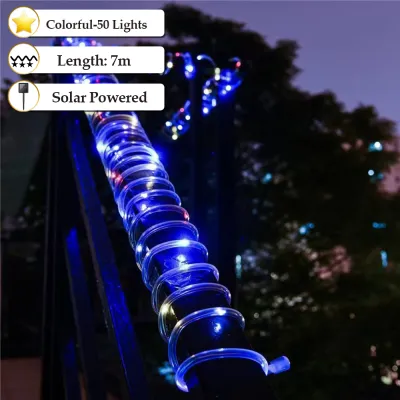
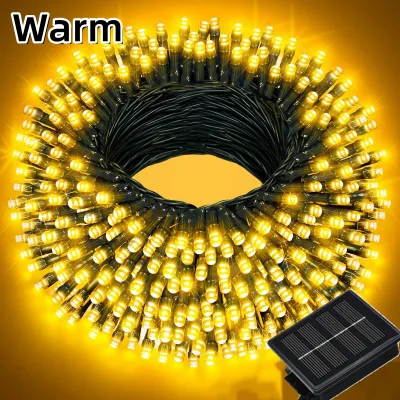
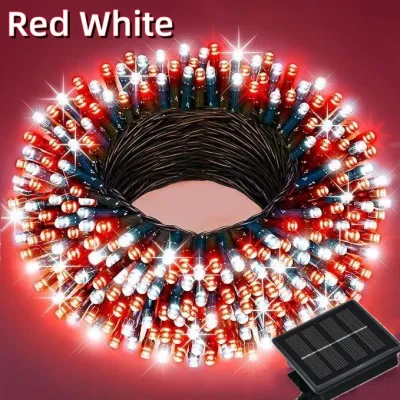
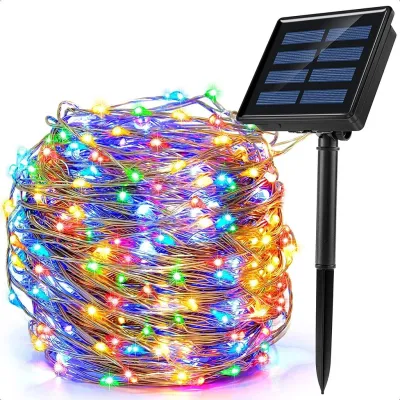
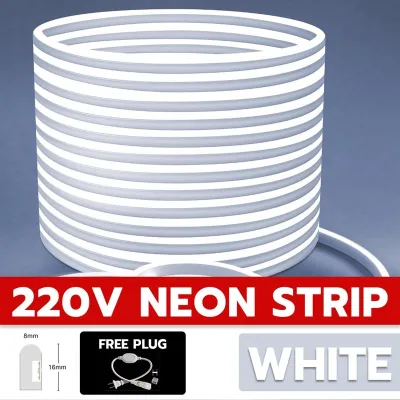
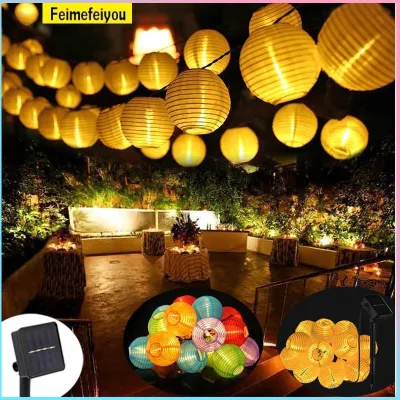
Prices are valid at publication and may change. Please refer to the product page for the latest price.
- IP44: This rating means the lights are protected against solid objects larger than 1 millimeter and can withstand water splashing from any direction.
- IP65: This indicates the product is completely dust-tight and protected against low-pressure water jets from any angle.
- IP67: This level provides complete dust protection and allows the light string to survive temporary submersion in water up to 1 meter deep for a limited time.
Matching IP Ratings to Specific Condo Spaces
Every zone in a condominium has a distinct microclimate shaped by daily activities, ventilation, and exposure to the tropical elements. Before purchasing your lighting, assess the moisture risk of each intended location to determine the appropriate protection level.

Dry Indoor Spaces (Living Rooms, Bedrooms)
Living rooms, dining areas, and bedrooms have minimal direct exposure to water, making them the easiest and most affordable areas to decorate. While the ambient humidity can be high, standard indoor environments do not require heavy-duty weatherproofing.
For these dry zones, lights rated IP20 (which offer basic dust protection but no water resistance) or IP44 are entirely sufficient. Even when using IP44-rated lights indoors, keep them clear of direct moisture sources. Avoid draping them directly over ultrasonic humidifiers, indoor water fountains, or active misting devices, as localized condensation can still bypass basic seals over time.
Semi-Exposed and Humid Zones (Kitchens, Covered Balconies)
Kitchens and covered condo balconies occupy a middle ground, experiencing elevated humidity, occasional steam, or wind-blown moisture. In the kitchen, steam from boiling pots and minor splashes from food preparation can settle on surfaces. For these areas, IP44 lights are suitable if installed away from direct sink splashes and heavy cooking steam. Always position the power plug, controller box, and any extension cords far from the stove and sink to prevent grease buildup and water contact.
Covered balconies require a step up in protection. Even with an overhead ceiling, high tropical humidity, heavy condensation, and wind-blown rain during the southwest monsoon season can easily coat your decorations. An IP65 rating is highly recommended for covered balconies to prevent moisture from seeping into the bulbs. Additionally, keep in mind that the power adapter, controller box, and plug often carry a lower IP rating (sometimes only IP20 or IP44) than the light string itself. These vulnerable components must always be housed in a dry, sheltered, or weatherproof enclosure.
High-Moisture and Wet Areas (Bathrooms, Open Balconies)
Bathrooms and fully open balconies face the most severe moisture challenges in a condo, requiring strict adherence to high IP ratings to ensure safety. Bathroom environments experience rapid steam buildup and heavy condensation during hot showers.
If you want to add ambient lighting to your bathroom, choose lights rated at least IP65. Install them well away from direct shower zones, bathtubs, and sinks to avoid direct water contact. For open, unsheltered balconies, your lights will face the full force of tropical downpours. Here, IP65 or IP67 lights are necessary. While an IP67 rating allows the light string to survive temporary submersion—such as in pooling water on a clogged balcony drain—remember that these lights are not designed for permanent underwater use.
Electrical Safety and Installation Boundaries
Installing decorative lighting in moisture-prone areas requires careful attention to electrical safety standards to protect your home from short circuits and fire hazards. First, remember that a light string’s IP rating only applies to the sealed wire and bulbs. The power plug, wall outlet, and any extension cords are highly vulnerable to water and must remain completely dry.
Never attempt to cut, splice, or tape waterproof wires yourself. DIY modifications compromise the factory-engineered seals, void the product warranty, and create immediate shock hazards. Always inspect the product packaging to verify the operating voltage (typically 220V), wattage limits, and official electrical certifications, such as local safety standards.
For any installations involving fixed wiring, damp areas, or work at heights, always isolate the power supply at the circuit breaker before handling the equipment. If you are planning to install permanent outdoor outlets on your balcony, or if you are unsure about the electrical load capacity of your bathroom circuits, consult a qualified electrician. Finally, as a preventive measure, always unplug your decorative lights during severe tropical storms, lightning activity, or when leaving your condo unoccupied for extended periods.
Avoiding Over-Specification: When Lower IP is Enough
While it might be tempting to buy the highest IP-rated lights available for every corner of your condo, over-specifying is often unnecessary and impractical. High-protection lights, such as those rated IP67, are built with thicker, stiffer rubber insulation and heavy-duty seals. This robust construction makes them significantly more expensive (often costing more in Philippine Pesos) and much harder to bend, drape, or wrap around indoor fixtures.
Using an IP67 light string in a dry, air-conditioned bedroom provides no functional benefit. It limits your styling options and adds unnecessary bulk to your decor. Instead, save your budget and effort by matching the exact specification to each zone. Use lightweight, flexible IP20 or IP44 lights for delicate indoor displays, and reserve the heavy, stiff IP65 or IP67 options for the demanding outdoor and high-moisture areas where they are truly needed. While choosing your lights, remember that decorative style and color temperature (such as warm white versus cool white) are subjective design preferences; they do not impact the physical safety or performance of the waterproof seals.
Frequently Asked Questions (FAQ)
Can I use standard indoor fairy lights on a covered balcony?
No, you should not use standard indoor lights (typically rated IP20) on a covered balcony. These lights lack the specialized rubber seals and moisture protection required to withstand high tropical humidity, temperature fluctuations, and wind-blown condensation. Using them in semi-outdoor spaces can quickly lead to rusted contacts, short circuits, and premature product failure, making IP44 or IP65 the necessary minimum.
Are battery-operated fairy lights safer for bathroom use?
Yes, battery-operated lights are safer because they eliminate the risk of high-voltage electrical shock from a 220V mains outlet. However, they are only suitable for short-term decorative use. The battery compartment itself is rarely fully waterproof and must be kept dry; high bathroom humidity can easily corrode the batteries and damage the internal timer switches if left in damp conditions.
Community discussion
Share your experience or ask a question. Comments are reviewed before publication.