
To survive the intense downpours, high humidity, and sudden wind gusts of the Philippine rainy season—locally known as the Habagat—outdoor decorative lighting requires more than just a vague “weatherproof” label. For those looking to drape their gardens, balconies, or commercial patios in a warm, inviting glow, selecting the right fairy lights is a matter of both longevity and electrical safety. The short answer is that fairy lights must have a minimum rating of IP65 to be safely used in fully exposed outdoor environments during the wet season. Anything less risks immediate failure, rapid corrosion, or serious electrical hazards.
While retail packaging often displays terms like “water-resistant” or “outdoor-safe,” these marketing claims lack standardized testing. True durability depends on verified Ingress Protection (IP) ratings, heavy-duty wire insulation, and robust structural sealing. Note that while decorative style, bulb shape, and perceived color temperature (such as warm white versus cool white) are highly subjective aesthetic choices, they do not impact the physical durability or waterproof performance of the lights. By understanding these technical specifications and physical build characteristics, you can make an informed decision that protects your investment and ensures your outdoor spaces remain beautifully and safely illuminated even during the heaviest tropical storms.
Decoding IP Ratings for Heavy Monsoon Rains
To make a reliable choice, you must look past marketing buzzwords and locate the official Ingress Protection (IP) rating on the product packaging or specification label. The IP rating system is an international standard that classifies the degree of protection provided against the intrusion of solid objects and liquids. It is formatted as “IP” followed by two digits. The first digit (ranging from 0 to 6) indicates protection against solid particles like dust and dirt, while the second digit (ranging from 0 to 9) measures liquid ingress protection. When preparing for the Philippine rainy season, the second digit is the most critical metric to analyze.
Products mentioned in this guide
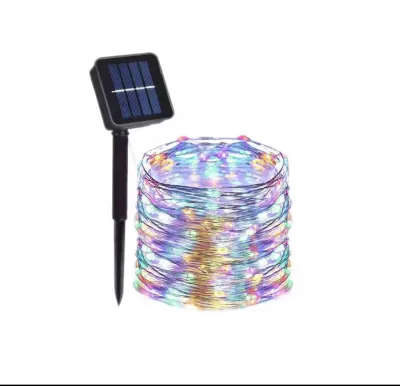
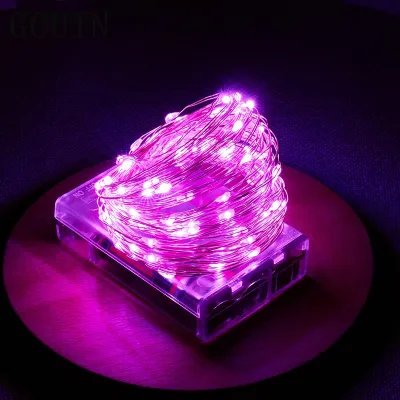
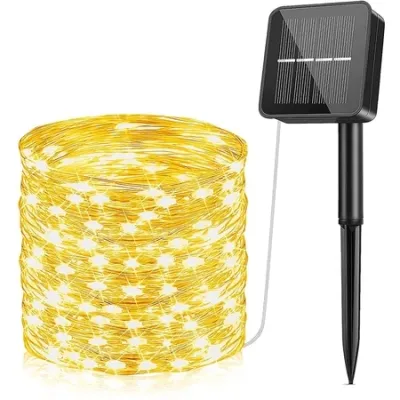
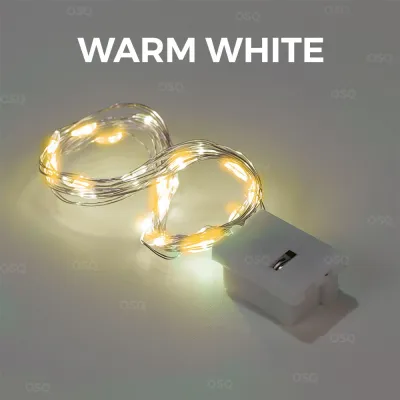
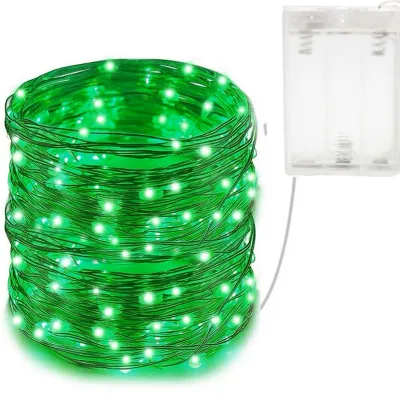
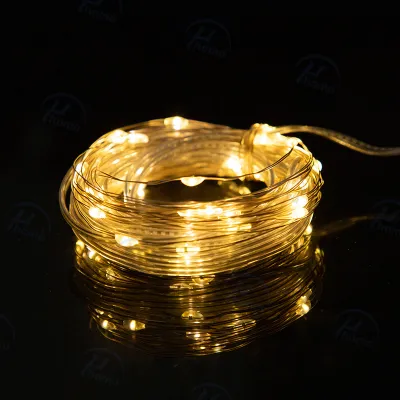
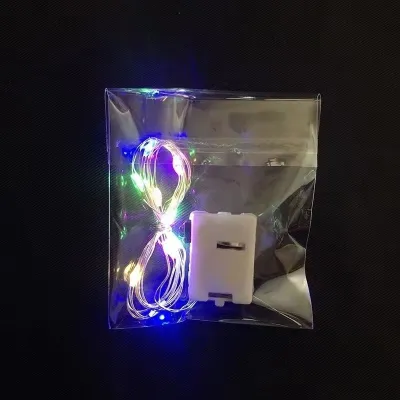
Prices are valid at publication and may change. Please refer to the product page for the latest price.
Many entry-level outdoor fairy lights carry an IP44 rating. An IP44 rating means the product is protected against solid objects larger than 1 millimeter and splashes of water from any direction. While this might sound sufficient for light outdoor use, IP44 lights are only splash-resistant. They are highly vulnerable to the wind-driven, angled downpours characteristic of tropical monsoons. Consequently, IP44 fairy lights should only be installed in fully enclosed or deeply covered outdoor areas, such as a deeply recessed veranda, a screened porch, or a fully covered patio where rainwater cannot directly strike the bulbs or connections.
For fully exposed outdoor areas—such as open gardens, trees, pergolas, fences, and exposed balconies—IP65 is the recommended baseline standard. An IP65 rating guarantees that the fairy lights are completely dust-tight (the first digit, 6) and protected against low-pressure water jets from any direction (the second digit, 5). This means the light string can easily withstand torrential rains, high-pressure splashes, and sustained wet conditions without allowing moisture to penetrate the internal electrical components.
For areas prone to temporary water pooling, such as low-lying garden beds, pathways, or ground-level shrubbery, you should consider upgrading to IP67-rated lights. IP67-rated fairy lights are engineered to withstand temporary submersion in water up to 1 meter deep for up to 30 minutes. This level of protection is ideal for ground installations where heavy downpours can cause localized pooling before the soil can fully drain.
When shopping, always verify the rating by inspecting the product itself. Reputable manufacturers mold the specific IP rating directly onto the low-voltage transformer, the battery compartment, or a durable tag attached to the wire. If a product package claims to be “waterproof” but fails to specify an official IP rating, it is highly likely designed only for indoor use or very mild outdoor conditions, and will quickly fail under the demanding climate of the Philippines.
Critical Build Materials and Sealing Features
Beyond the IP rating, the physical construction materials of the fairy lights dictate how well they will survive the relentless humidity and moisture of a Philippine wet season. High relative humidity accelerates the degradation of poor-quality metals and plastics, leading to premature failure even if the lights are shielded from direct rain. Inspecting the build quality before purchasing or installing your lights can save you from frequent replacements.

Wire Insulation Quality Micro-fairy lights, often called “copper wire lights,” feature ultra-thin, bare copper wires coated in a microscopic layer of lacquer. While highly flexible and visually delicate, these bare wires are incredibly fragile. In a humid, tropical environment, any tiny scratch or break in the lacquer coating exposes the raw copper to moisture and oxygen. This triggers rapid oxidation, turning the copper green, which quickly leads to brittle wire snaps and electrical short circuits. For durable outdoor installations, always choose fairy lights constructed with thick, multi-stranded copper wires fully encased in heavy-duty insulation, such as flexible silicone or thick polyvinyl chloride (PVC) jackets. These insulated jackets protect the conducting wires from physical tension, UV degradation, and moisture ingress.
LED Bulb Housing and Encapsulation The point where the LED bulb meets the wire is a primary entry point for moisture. Low-grade fairy lights often use simple, loosely fitted plastic caps to cover the LED chips. Over time, diurnal temperature changes cause the air inside these hollow caps to expand and contract. This “breathing” effect draws humid air inside, leading to internal condensation, flickering bulbs, and eventual failure of the individual LEDs. High-quality outdoor fairy lights feature complete epoxy or silicone encapsulation. In these designs, the entire LED chip and its wire connections are cast inside a solid block of clear resin or silicone, leaving zero air pockets for moisture to accumulate.
Threaded Connection Joints If you plan to connect multiple strings of fairy lights to cover a large outdoor space, the connection joints between the segments are highly vulnerable. Simple push-fit male-to-female plugs rely solely on friction and offer virtually no protection against driven rain. For safe outdoor daisy-chaining, select light strings that utilize threaded, screw-on coupling joints. These joints should feature a compression collar and an internal rubber O-ring. When screwed together tightly, the rubber O-ring compresses to create a hermetic seal that prevents water from creeping into the electrical contacts.
Battery Compartment Seals For battery-operated fairy light sets, the battery box is almost always the weakest link. A poorly sealed battery box will quickly fill with water, causing rapid battery discharge, terminal rust, and dangerous chemical leakage. If you must use battery-powered options outdoors, ensure the compartment is constructed from thick, impact-resistant plastic. It must feature a thick, continuous rubber gasket lining the inner rim of the lid, and the lid must be secured tightly by physical screws rather than a simple plastic snap-latch. The screws provide even pressure across the rubber gasket, ensuring a reliable, watertight seal.
Power Sources and Outdoor Electrical Safety
Combining water, high humidity, and electricity presents inherent safety risks. Choosing the right power source and implementing proper electrical safety measures is critical to protecting your home, family, and pets during the wet season.
Solar-Powered Lights Solar-powered fairy lights are highly popular because they do not require outdoor electrical outlets or running long extension cords. However, their performance during the Philippine rainy season is highly variable. During the monsoon months, prolonged overcast skies and heavy cloud cover drastically reduce the solar panel’s charging efficiency. A solar panel that typically provides 8 to 10 hours of bright illumination during the sunny summer months may only manage 1 to 2 hours of dim light after a heavily clouded rainy day. If you choose solar lights, ensure the solar panel unit itself carries a verified IP65 rating, and mount it in an elevated position completely free from shadow or potential water accumulation.
Battery-Operated Lights Battery-operated fairy lights offer excellent flexibility for temporary outdoor setups, but they require constant maintenance in high-humidity environments. The moisture-laden air accelerates galvanic corrosion on the metal battery terminals inside the box. This corrosion increases electrical resistance, causing the lights to dim or fail entirely. To prevent this, check the battery compartment weekly for any signs of white powdery residue or rust. If you plan to leave the lights unused for more than a week, always remove the batteries to prevent catastrophic acid leaks that can permanently ruin the device.
Plug-in (Mains) Lights Mains-powered fairy lights (operating on the standard Philippine 220V/60Hz grid) provide the most reliable and bright illumination, but they carry the highest risk if installed incorrectly. When setting up plug-in lights, you must verify several critical safety parameters:
- Electrical Certification: Ensure the lights and their power adapters carry recognized safety certifications, such as the Philippine Standard (PS) Quality and/or Safety Mark, or an Import Commodity Clearance (ICC) sticker.
- Voltage and Wattage Limits: Always verify that the input voltage matches your home's supply (220V) and that you do not exceed the manufacturer's specified maximum wattage limit when connecting multiple light strings together. Overloading a circuit can cause overheating and fire hazards.
- Weatherproof Outlets: Never plug outdoor lights into an indoor extension cord run through a window or door. Outdoor plugs must be inserted directly into dedicated, weather-resistant outdoor sockets. These sockets must feature an IP-rated, spring-loaded cover (often called an "in-use cover") that protects the plug even when it is fully inserted.
- RCD/GFCI Protection: The electrical circuit powering your outdoor lights must be protected by a Residual Current Device (RCD) or Ground Fault Circuit Interrupter (GFCI) with a trip rating of 30mA or less. This safety device monitors the electrical current and instantly cuts power if it detects a leak, preventing severe or fatal electrical shocks.
Safety Boundary Always isolate the main power breaker before handling, adjusting, or installing any outdoor electrical wiring. If your outdoor space lacks proper weatherproof outlets, or if you plan to install permanent, hardwired outdoor lighting fixtures, do not attempt to DIY the electrical work. Splicing outdoor cables, burying non-rated wires, or running indoor-rated cables outside violates the Philippine Electrical Code (PEC) and poses severe safety risks. Always consult and hire a licensed, qualified electrician to handle all permanent outdoor electrical installations.
Installation, Inspection, and Off-Season Storage
Proper installation techniques, regular maintenance, and correct off-season storage will dramatically extend the lifespan of your outdoor fairy lights, ensuring they remain safe and functional for many rainy seasons to come.
Installation Best Practices When hanging fairy lights in your garden or on a balcony, pay close attention to how the wires drape. Avoid creating deep, sagging U-shaped loops where rainwater can pool. Water running down the cord will naturally accumulate at the lowest point of the loop; if a connection joint or bulb housing sits at this low point, it will be subjected to constant hydrostatic pressure, increasing the risk of water ingress. Instead, design your layout so that connection joints are positioned at elevated points. Additionally, always mount low-voltage transformers, controllers, and battery boxes at least 30 centimeters above the ground. Secure them to a post, wall, or beam, preferably shielded under a roof eave or inside a dedicated weatherproof enclosure, to keep them safe from temporary ground-level flooding. If installing lights at a significant height or handling heavy suspended loads, ensure you use sturdy, non-conductive ladders and secure the cables with UV-resistant nylon zip ties to prevent them from falling during high winds.
Routine Inspection Protocol The physical stress caused by strong winds, heavy rain, and thermal expansion can damage even the highest-quality lights. Establish a routine to inspect your outdoor lighting setup after every major tropical storm or typhoon. Before turning the power back on, perform a visual check for the following issues:
- Frayed, cracked, or worn wire insulation caused by friction against tree branches, gutters, or walls.
- Visible condensation, water droplets, or cloudiness inside the LED bulb housings.
- Signs of rust, corrosion, or green oxidation on connection pins, screw joints, or battery contacts.
- Loose mounting hardware or sagging wires that put physical tension on electrical connections.
If you observe any of these warning signs, isolate the power immediately and do not turn the lights back on until the damaged sections are repaired or replaced.
Cleaning and Drying Procedures Over time, outdoor fairy lights accumulate dust, pollen, and organic debris, which can trap moisture against the wires and accelerate material degradation. To clean your lights safely, always turn off the power and unplug the system from the wall first. Gently wipe down the light strings using a clean, dry, or slightly damp microfiber cloth. Never submerge the lights in water or use harsh chemical cleaners, abrasive pads, or high-pressure washers, which can degrade the plastic coatings and compromise the waterproof seals. Allow the entire light string to air-dry completely in a well-ventilated, shaded area before reconnecting the power.
Off-Season Storage When the rainy season ends or if you choose to take down your decorative lighting for the dry season, proper storage is essential to prevent damage. Never yank or pull tightly on the wires when dismantling the setup, as this can fracture the delicate internal copper strands. Wind the light strings loosely around a wide cardboard spool or a plastic hose reel to prevent tight kinks and tangles. Store the coiled lights inside a heavy-duty, airtight plastic storage container. To combat the high ambient humidity of the Philippines, place several packets of silica gel desiccants inside the container. This will absorb any lingering moisture, protecting the metal contacts and wire jackets from oxidation and mold growth while stored in your closet or utility room.
Frequently Asked Questions (FAQ)
Can I use IP44 fairy lights outside if they are under a roof?
IP44 fairy lights are only safe under a roof if the area is completely shielded from wind-blown rain, heavy mist, and high-humidity condensation. If your veranda, porch, or balcony is open on the sides, strong monsoon winds can easily blow rainwater horizontally, soaking the lights. In such semi-exposed areas, it is highly recommended to upgrade to IP65-rated lights to ensure safety and prevent premature failure.
What should I do if water gets inside the battery box?
If water penetrates the battery box, immediately turn off the switch and carefully remove the batteries to prevent short circuits, terminal corrosion, and potential battery leakage. Gently dry the interior of the compartment using a soft, lint-free microfiber cloth. Leave the battery door open and allow the unit to air-dry completely in a dry, well-ventilated indoor area for at least 24 hours. Never use high-heat sources like hairdryers or heat guns, as the extreme heat can warp the plastic housing, melt the rubber sealing gaskets, and permanently ruin the watertight seal.
Do solar fairy lights work during the Philippine rainy season?
Solar fairy lights will work during the rainy season, but their performance and daily runtime will be significantly reduced. Because the monsoon season brings prolonged overcast skies, heavy cloud cover, and frequent rain, the solar panel will not receive enough direct sunlight to fully charge the internal battery. If you require reliable, bright, and consistent illumination throughout the night during the wet season, consider choosing plug-in mains-powered alternatives or solar models that feature a secondary USB backup charging port.
Community discussion
Share your experience or ask a question. Comments are reviewed before publication.