
Selecting the right outdoor solar spotlight waterproof rating is essential to protect your garden landscape from the harsh tropical elements. In the Philippines, where heavy monsoons, high humidity, and intense summer heat alternate throughout the year, standard lights will quickly fail. For general garden use, you should look for an outdoor solar spotlight waterproof rating of at least IP65. However, if your lights will be fully exposed to torrential typhoon rains, installed close to ground level where water pools, or positioned near water features, upgrading to an IP66 or IP67 rating is highly recommended to ensure long-term durability and safety.
Choosing the correct rating prevents water from seeping into the delicate internal electronics, which can cause short circuits, battery corrosion, and premature product failure. While solar spotlights run on low-voltage direct current (DC) and present a lower risk of severe electrical shock compared to main-powered systems, water ingress will still ruin your investment. By understanding how the Ingress Protection (IP) system works, you can make an informed decision that balances cost, performance, and safety for your specific outdoor setup.
Decoding IP Ratings: What the Numbers Actually Mean
The Ingress Protection (IP) rating is an international standard defined by the International Electrotechnical Commission (IEC). It consists of two digits that measure how well an electrical enclosure protects its internal components from solids and liquids. When shopping for an outdoor solar spotlight waterproof fixture, understanding these two numbers prevents you from overpaying for unnecessary specifications or buying inadequate protection.
Products mentioned in this guide
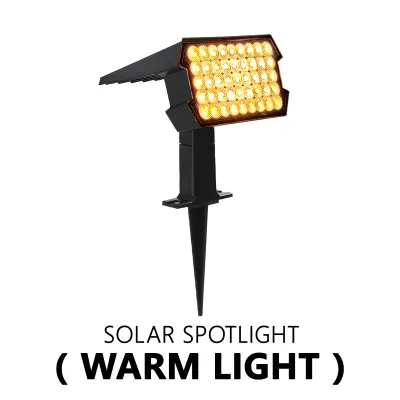
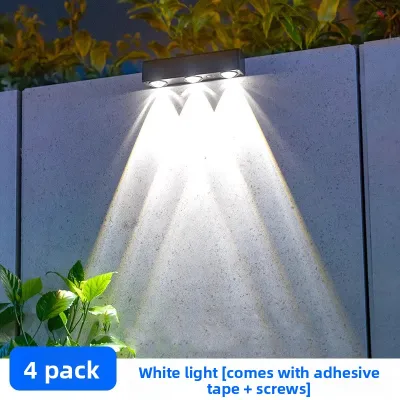
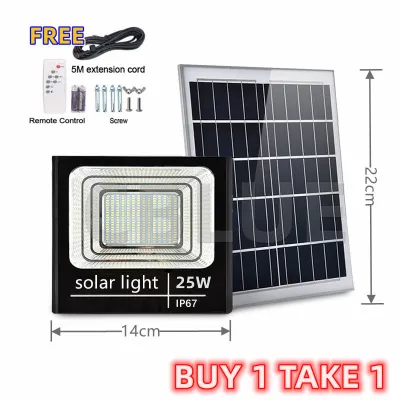
Prices are valid at publication and may change. Please refer to the product page for the latest price.
The first digit ranges from 0 to 6 and measures protection against solid particles, such as dust, dirt, and insects. For any outdoor garden lighting, a solid rating of 6 is the industry standard. An IP6X rating means the fixture is completely dust-tight, ensuring that fine dust, soil, and tiny garden pests cannot penetrate the housing and degrade the light-emitting diodes (LEDs) or battery terminals.
The second digit ranges from 0 to 9K and measures protection against liquid ingress. This is the critical number for Philippine gardens. The relevant liquid protection levels for outdoor landscape lighting include:
- 4 (Splashing water): Protected against water splashing from any angle, suitable only for highly sheltered areas.
- 5 (Water jets): Protected against low-pressure water jets projected by a nozzle from any direction.
- 6 (Powerful water jets): Protected against high-pressure, heavy water jets, simulating severe storm conditions.
- 7 (Temporary immersion): Protected against water ingress when submerged in water up to 1 meter deep for 30 minutes.
- 8 (Continuous immersion): Protected against long-term submersion under pressure, typically required for underwater pool or pond lights.
A higher second digit does not automatically mean a light is universally better for every scenario. For example, a light rated IP67 is tested for temporary submersion, but it may not have been tested against high-pressure water jets (IP66). Some high-quality manufacturers test for both, listing ratings as IP65/IP67, but you should always verify the manufacturer’s specific testing certifications on the product label.
Choosing an Outdoor Solar Spotlight Waterproof Rating for Philippine Tropical Weather
The unique climate of the Philippines demands careful consideration of your garden lighting specifications. Between the heavy rainfall of the wet season and the intense ultraviolet (UV) exposure of the dry season, standard materials and weak seals degrade rapidly. Matching your purchase to the correct IP rating ensures your garden remains illuminated year-round.

IP65: The Baseline Standard
An IP65 rating is the minimum acceptable standard for any outdoor solar spotlight. This rating ensures the fixture can withstand typical tropical downpours and low-pressure water from garden hoses. If your garden is located in an urban area with moderate rainfall and the spotlights are partially protected by foliage, fences, or low walls, IP65 lights offer an excellent balance of affordability and protection. They prevent rain from entering the housing, keeping the internal lithium-ion battery and charge controller dry.
IP66: The Upgraded Choice for Monsoon Zones
For regions in the Philippines that experience severe, wind-driven monsoon rains (such as the southwest monsoon or habagat), upgrading to IP66 is highly recommended. IP66-rated fixtures are built to withstand powerful, high-pressure water jets. During a tropical storm, wind-driven rain can strike your light fixtures horizontally with significant force. The tighter seals of an IP66 spotlight prevent water from being forced past the gaskets under these high-velocity conditions.
IP67: Ground-Level and Flood-Prone Protection
If you plan to install your solar spotlights directly in the lawn, in recessed ground wells, or in low-lying garden beds, you should look for an IP67 rating. Heavy rains in the Philippines can quickly cause localized flooding, leaving garden beds waterlogged for several hours. An IP67 spotlight can survive being temporarily submerged in up to one meter of standing water. This level of protection prevents the light from short-circuiting when the ground turns into a temporary puddle.
Why IP68 is Usually Overkill
While it might be tempting to buy the highest rating available, IP68 is generally unnecessary for standard garden spotlights. IP68 fixtures are designed for continuous submersion, such as inside swimming pools, active fountains, or deep fish ponds. These specialized lights require precise installation, specific low-voltage power supplies, and professional sealing to ensure safety. Unless you are placing the spotlight directly underwater, an IP66 or IP67 rating provides more than enough protection at a much lower cost.
Matching the IP Rating to Your Garden Installation Spots
To optimize your landscape lighting budget, you do not need to buy the highest-rated IP67 spotlights for every corner of your yard. Instead, assess the micro-environments of your Philippine garden and match the waterproof rating to the specific exposure level of each installation spot.
Fully Exposed Areas
For open lawns, long driveways, pathway borders, and spotlights aimed up at tall palm trees, the fixtures will have zero protection from the elements. They will face the full brunt of typhoon winds, intense midday sun, and torrential rain. For these fully exposed areas, select fixtures with an IP66 or IP67 rating. This ensures they can handle both high-pressure wind-driven rain and any temporary water accumulation on the soil surface.
Partially Sheltered Areas
Spotlights positioned under house eaves, beneath pergolas, mounted on covered patio walls, or tucked under dense tree canopies receive natural architectural or organic shielding. For these locations, an IP65 rating is perfectly adequate. The shelter breaks the force of the rain, meaning the light only needs to resist splashing water and light dripping rather than high-pressure jets or pooling water.
Near Water Features
If you are illuminating the perimeter of a garden pond, a swimming pool deck, or a backyard fountain, the risk of water exposure increases significantly. Splash zones near pools or fountains require at least an IP67 rating to handle constant splashing and accidental brief drops into the water. However, if you plan to submerge the light to illuminate a waterfall or pond from within, stop and consult a qualified professional. Submerged lighting requires specialized IP68-rated, low-voltage equipment and strict adherence to electrical safety standards to prevent hazardous electrical currents in the water.
Weatherproof Features to Check Beyond the IP Label
An IP rating is determined under controlled factory conditions when the product is brand new. However, the long-term survival of your outdoor solar spotlight waterproof housing in the Philippine climate depends on physical build quality, material durability, and regular maintenance.
Housing Materials and UV Resistance
The tropical sun in the Philippines can be just as damaging as the rain. High UV exposure breaks down cheap plastics, making them brittle and prone to cracking. Once the outer shell cracks, the IP rating becomes useless. Look for spotlights constructed from UV-stabilized ABS plastic or powder-coated die-cast aluminum. Avoid cheap, uncoated metals or low-grade plastics, as they will quickly corrode in high humidity or warp under intense heat.
Split vs. Integrated Designs
Solar spotlights come in two primary configurations: integrated (where the solar panel is attached directly to the light fixture) and split (where the solar panel is connected to the light via a waterproof cable). In heavily shaded gardens, a split design is highly advantageous. It allows you to mount the solar panel high up on a sunny roof or wall while placing the actual spotlight on the damp garden floor. This keeps the battery-containing light fixture away from ground-level moisture while maximizing solar charging efficiency.
Seal Quality and Gaskets
The barrier between the water and the internal electronics relies entirely on the quality of the internal seals. High-quality outdoor spotlights use thick silicone gaskets rather than cheap rubber O-rings. Silicone maintains its elasticity and sealing properties under extreme temperature fluctuations and high humidity, whereas cheap rubber dries out, cracks, and fails within a single season. Always check the manufacturer’s specifications or product labels for mention of silicone seals.
Maintenance and Inspection Tips
To ensure your outdoor solar spotlights maintain their waterproof integrity over time, perform a quick inspection after the peak of the monsoon season. Wipe down the solar panel with a soft, damp cloth to remove accumulated dust, pollen, or bird droppings, which can reduce charging efficiency. Check the housing for any visible cracks, loose screws, or gaps in the seals. If your model features a replaceable battery, ensure the battery compartment door is tightly screwed down and the protective gasket is perfectly seated in its groove.
Frequently Asked Questions (FAQ)
Can I leave IP65 solar lights out during a typhoon?
While an IP65 rating protects your solar spotlights from heavy tropical rainfall, it does not guarantee physical resistance against the extreme winds, flying debris, and falling branches associated with a severe typhoon. If a high tropical cyclone wind signal is issued for your area, it is highly recommended to temporarily remove stake-mounted solar lights and store them indoors. This simple step prevents them from being blown away, crushed, or physically damaged by storm debris.
Does high humidity affect the waterproof rating over time?
Yes, constant high humidity combined with rapid temperature changes can challenge the seals of your outdoor lights. During hot tropical days, the air inside the spotlight expands, and as it cools rapidly during an evening downpour, a vacuum effect can draw moisture through microscopic gaps in degraded seals, leading to internal condensation. To prevent this, choose high-quality fixtures with seamless housings or sealed, non-replaceable batteries that do not require opening. If you must open the battery compartment, ensure the area is completely dry and the rubber or silicone O-ring is perfectly aligned and clean before resealing.
Community discussion
Share your experience or ask a question. Comments are reviewed before publication.