
Surviving the intense downpours, high humidity, and relentless tropical heat of the Philippine rainy season requires outdoor ceiling lights with specific engineering standards. Standard indoor fixtures or poorly rated outdoor alternatives will quickly succumb to moisture ingress, leading to short circuits, corrosion, and premature electrical failure. To ensure your outdoor lighting remains safe and functional throughout the monsoon months, you must look beyond aesthetic appeal and focus on two critical technical specifications: the Ingress Protection (IP) rating and the structural materials of the fixture.
As a baseline, any ceiling light installed in a semi-sheltered outdoor area, such as a covered balcony or porch, should carry a minimum rating of IP44. For fixtures that are directly exposed to blowing rain, wind-driven moisture, or high-pressure splashes, an IP65 or higher rating is necessary to prevent water from reaching the electrical components. Combining the correct IP rating with rust-resistant housing materials—such as powder-coated aluminum, marine-grade stainless steel, or UV-stabilized polycarbonate—creates a durable barrier against the elements.
Understanding IP Ratings for Heavy Rain and Humidity
The Ingress Protection (IP) rating system is an international standard used to define the sealing effectiveness of electrical enclosures against intrusion from foreign bodies and moisture. An IP rating always consists of two digits. The first digit, ranging from 0 to 6, indicates the level of protection against solid objects like dust, insects, and accidental contact. The second digit, ranging from 0 to 9, measures the fixture’s resistance to liquids, which is the most critical factor during heavy tropical downpours.
Products mentioned in this guide
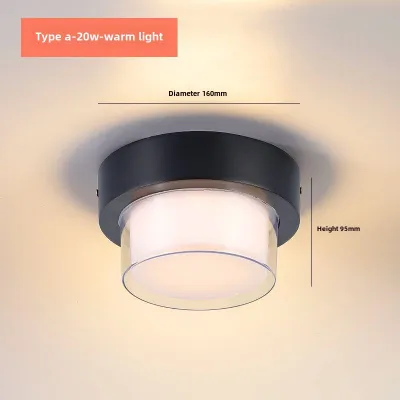
10 Lazada user ratings
Modern minimalist design, Includes installation manual, Warm white light option, Suitable for living rooms,
High-quality aluminum material, Square design for eaves, ganda gandang for a new home for
Modern minimalist design, Square design for eaves, Includes installation manual,
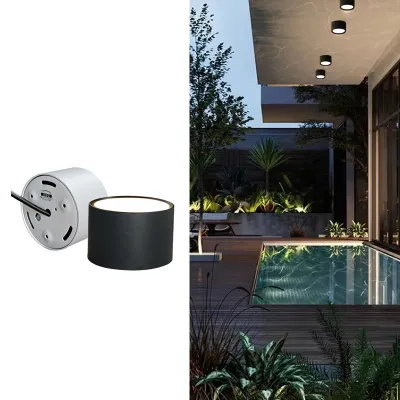
71 Lazada user ratings
💡Brightness: IP65 waterproof rating, Energy-saving LED technology,
Bought 26 pieces! All arrived in good shape. Can’t wait to install
Not tri color as advertized. not fit to orange junction box.
🎨Design: 9/10 💡Brightness: 9/10
Prices are valid at publication and may change. Please refer to the product page for the latest price.
When evaluating outdoor ceiling lights for areas prone to monsoon rains, the second digit deserves your closest attention. A second digit of 4 means the fixture is protected against splashing water from any direction, making it suitable for covered ceilings where direct rain is unlikely but high humidity and mist are common. A second digit of 5 indicates protection against water jets projected by a nozzle from any direction, which is highly recommended for areas where wind-driven rain can bypass structural overhangs. A second digit of 6 signifies protection against powerful water jets, offering robust defense during severe storms.
Comparing common outdoor ratings helps clarify which fixture belongs in which environment. An IP44 fixture is generally adequate for well-protected under-eave installations where rain cannot directly strike the housing. However, for open-sided balconies, carports, or patios where wind can drive rain horizontally, upgrading to an IP65 rating provides a much safer margin of protection. IP67 fixtures, which can withstand temporary immersion in water, are typically reserved for ground-level or deck lighting but can offer ultimate peace of mind in highly exposed, low-clearance ceiling areas prone to severe splashing.
Rather than relying on vague marketing terms such as “waterproof,” “weatherproof,” or “rain-resistant,” always verify the certified IP rating on the manufacturer’s product label or specification sheet. Reputable manufacturers subject their products to standardized laboratory testing to earn these ratings. Look for official certification marks or testing documentation to confirm that the fixture has been independently verified to meet these ingress standards before making a purchase.
Selecting Rust-Resistant and UV-Stable Materials
While the IP rating prevents water from entering the electrical housing, the structural materials of the fixture determine how well it resists the physical degradation caused by constant humidity and intense sunlight. In tropical climates, metal fixtures are highly susceptible to oxidation and rust, while plastic components can quickly become brittle and yellow under intense ultraviolet (UV) exposure. Choosing the right housing material is essential for long-term structural integrity.

Aluminum is a popular choice for outdoor ceiling light housings due to its lightweight nature and natural resistance to rust. However, standard aluminum can still corrode when exposed to salty air or persistent moisture. For superior durability, look for die-cast aluminum or fixtures treated with a high-quality powder coating. Powder coating creates a thick, protective barrier that shields the underlying metal from moisture and oxygen, significantly extending the lifespan of the fixture in humid environments.
Stainless steel is another excellent option, but not all stainless steel is created equal. Grade 304 stainless steel offers moderate corrosion resistance suitable for inland areas, but it can still develop tea staining or surface rust over time in high-humidity zones. For coastal properties or areas with high salt exposure, grade 316 stainless steel—often referred to as marine-grade stainless steel—is highly recommended due to its superior resistance to chlorides and rust.
Polycarbonate and acrylic are excellent non-metallic alternatives that completely eliminate the risk of rust. These engineered plastics are lightweight, impact-resistant, and highly durable. However, standard plastics degrade rapidly under tropical sun exposure. When choosing plastic fixtures, ensure the manufacturer specifies that the material is UV-stabilized. UV-stabilized polycarbonate resists yellowing, cracking, and structural weakening, ensuring the lens and housing remain intact for years.
Beyond the primary housing material, the quality of the internal gaskets, seals, and external hardware is critical. High-quality fixtures utilize silicone gaskets rather than cheap rubber seals, as silicone retains its elasticity and sealing properties much longer under extreme temperature fluctuations and humidity. Additionally, verify that all external screws, brackets, and mounting hardware are made of rust-resistant materials like stainless steel or solid brass to prevent unsightly rust streaks from staining your ceiling.
Evaluating Your Outdoor Space for Fixture Placement
To select the appropriate outdoor ceiling light, you must carefully evaluate the specific microclimate of your installation site. Outdoor spaces are rarely uniform; a fixture mounted on a deep, fully enclosed porch faces entirely different environmental stressors than one installed on an open-sided balcony or under a shallow roof eave. Categorizing your outdoor space into exposure zones allows you to match the fixture’s specifications to its actual environment.
Fully covered areas, such as deep verandas, enclosed lanais, or recessed entryways, receive maximum protection from direct rainfall. In these zones, the primary threats are ambient humidity, condensation, and insects. A minimum rating of IP44 is generally sufficient here, paired with powder-coated aluminum or UV-stabilized polycarbonate housings. These semi-protected environments allow for a wider variety of decorative styles, though you must still avoid standard indoor fixtures.
Semi-sheltered areas, including shallow eaves, open-sided balconies, and carports, are highly vulnerable to wind-driven rain. During heavy monsoon storms, rain rarely falls straight down; strong winds can push water horizontally, soaking fixtures that appear protected. For these zones, a minimum rating of IP65 is highly recommended. The housing material should be exceptionally robust, such as marine-grade stainless steel or powder-coated die-cast aluminum, to withstand both moisture and wind pressure.
Fully exposed ceilings, such as those on open pergolas, gazebos, or outer roof projections, have no structural protection from the elements. These fixtures must endure direct, heavy rainfall, intense midday sun, and rapid temperature shifts. An IP65 or IP67 rating is mandatory for these installations. The materials must feature maximum UV stabilization and top-tier corrosion resistance to prevent water ingress and structural failure under continuous exposure.
Before finalizing your choice, verify the physical and electrical compatibility of the fixture with your outdoor space. Check the structural clearance and weight limits of your ceiling, especially if installing heavier glass or metal fixtures on lightweight soffits. Ensure the fixture’s dimensions allow for adequate heat dissipation, particularly for enclosed outdoor fixtures where heat buildup can shorten the lifespan of LED drivers. Always verify that the fixture’s voltage matches your local electrical supply (typically 220V-240V), and check the base or interface type (such as E27 or integrated LED) and maximum wattage limits specified by the manufacturer. Decorative styles, perceived color temperatures, and spatial effects should be treated as conditional personal preferences rather than indicators of weatherproofing performance.
Safe Installation and Monsoon Maintenance Checks
Installing and maintaining outdoor ceiling lights requires strict adherence to safety protocols to prevent electrical hazards, especially in wet environments. Because water is an excellent conductor of electricity, any compromise in the fixture’s weatherproofing or wiring can lead to dangerous short circuits or ground faults. Prioritizing correct installation techniques and regular maintenance checks is vital for long-term safety.
For any fixed wiring installation, especially in damp or outdoor environments, always isolate the power at the main circuit breaker before beginning work. Working at heights or handling electrical connections in outdoor areas carries inherent risks. It is highly recommended to consult a qualified professional electrician to handle the installation. A professional will ensure that all wiring is routed through weatherproof junction boxes, that conduit connections are properly sealed, and that the fixture is securely mounted to withstand strong winds.
Routine maintenance is essential to preserve the weatherproofing integrity of your outdoor lights. Perform a thorough visual inspection of your fixtures at least twice a year, ideally before and after the rainy season. Check the condition of the outer housing for any signs of cracking, peeling paint, or rust. Inspect the lens for clarity and look closely for any accumulated moisture, condensation, or insect debris inside the fixture, which indicates a compromised seal.
Pay close attention to the physical state of the gaskets and seals. Over time, exposure to heat and humidity can cause seals to dry out, crack, or shift out of place. If you notice any degradation in the silicone gaskets, they must be replaced immediately to maintain the fixture’s IP rating. Additionally, check that all mounting screws and hardware remain tight and free of corrosion, as loose hardware can allow water to seep behind the fixture and into the ceiling junction box.
Establish clear stop conditions to protect your home’s electrical system. If you observe water pooling inside the light cover, notice the light flickering consistently during heavy rain, or experience a tripped circuit breaker when the light is turned on, immediately halt use of the fixture. Disconnect the power at the main breaker and do not attempt to turn it back on until a qualified professional has inspected, repaired, or replaced the compromised fixture.
Frequently Asked Questions (FAQ)
Can I use an indoor ceiling light on a covered porch?
No, you should never use an indoor-rated ceiling light on a covered porch or any outdoor-adjacent space. Even if the area is fully sheltered from direct rain, indoor fixtures are not designed to withstand high ambient humidity, rapid temperature fluctuations, or the condensation that naturally occurs outdoors. Over time, moisture will penetrate the unsealed housing of an indoor fixture, causing corrosion of the electrical contacts, short circuits, and potential shock hazards. Always verify the manufacturer’s minimum IP rating and ensure the fixture is explicitly certified for outdoor or damp-location use.
How do I clean outdoor ceiling lights without damaging the seals?
To clean outdoor ceiling lights safely, always turn off the power at the breaker first and allow the fixture to cool completely. Use a soft, non-abrasive microfiber cloth dampened with a mild solution of water and gentle dish soap to wipe away dust, dirt, and insect debris. Avoid using high-pressure water hoses, abrasive scrubbing pads, or harsh chemical cleaners containing ammonia, bleach, or alcohol, as these can degrade the protective powder coatings, yellow the polycarbonate lenses, and damage the delicate silicone gaskets that keep the fixture watertight. Wipe the fixture dry with a clean cloth before restoring power.
Community discussion
Share your experience or ask a question. Comments are reviewed before publication.