
Enjoying a beautifully scented candle does not require a drawer overflowing with specialized tools. For most beginners, the only truly essential accessory is a reliable way to trim the wick, while other tools like snuffers, dippers, and warmers serve specific habits or candle types. By understanding how you burn candles and the common issues you face, you can build a highly functional, minimal toolkit that protects your investment without cluttering your home.
Assess Your Candle Habits Before Buying Accessories
Before purchasing any candle care tools, evaluate how often you light candles and the specific types you prefer. A person who lights a single jar candle on weekend evenings has vastly different needs than someone who burns multiple taper candles daily to set a dining mood. If your collection consists primarily of deep jar candles, you will face different maintenance challenges than someone who prefers free-standing pillars or delicate tapers.
Common burning issues also dictate which accessories will be most useful. If you frequently notice dark soot accumulating on the inside of your glass jars, or if your candles suffer from tunneling—where the wax burns down the center leaving a thick ring of wasted wax—your primary focus should be on wick maintenance. If you struggle with messy wax splatters or lingering smoke after blowing out a flame, your priorities will shift toward proper extinguishing tools. Assessing these patterns first prevents you from buying decorative tools that ultimately sit unused.
Products mentioned in this guide
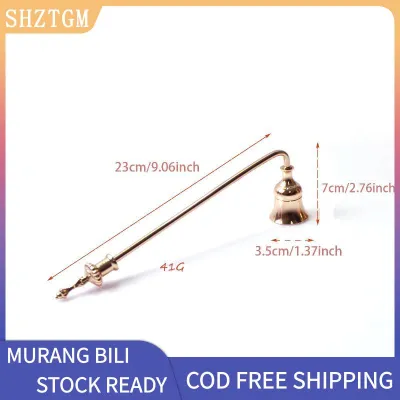
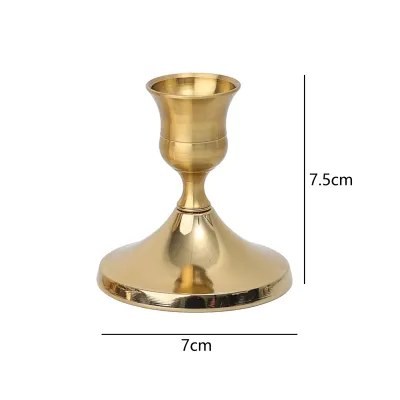
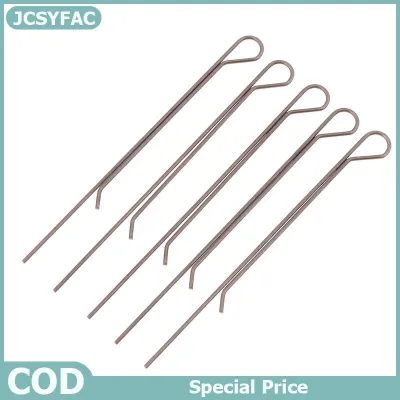
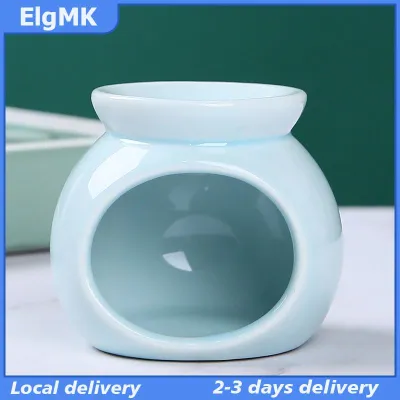
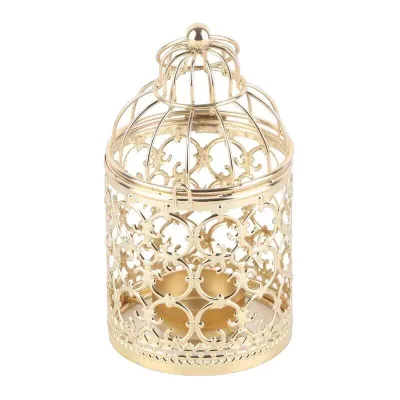

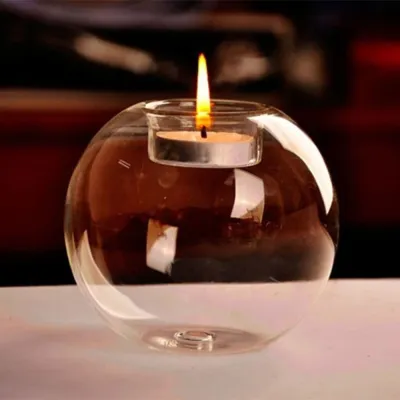
Prices are valid at publication and may change. Please refer to the product page for the latest price.
Essential Candle Accessories for Every Beginner
Maintaining a candle properly is not just about aesthetics; it directly impacts safety, air quality, and how long the candle lasts. Foundational tools target the two most critical phases of candle ownership: keeping the flame controlled during the burn and extinguishing it cleanly. Before using any new tool, always check the candle’s warning label and the manufacturer’s specific care instructions, as different wax blends and wick materials may require unique handling.

Wick Trimmers and Dippers (Wick Maintenance)
A wick that is too long or has begun to “mushroom”—forming a carbon buildup at the tip—will produce a flame that is too large, unstable, and prone to flickering. This excessive flame height causes the candle to burn through its wax too quickly and release soot. Trimming the wick before every burn keeps the flame at a controlled, safe height and ensures an even melt pool.
While a trimmer handles pre-burn preparation, a wick dipper is an excellent tool for ending a burn session cleanly. A wick dipper is a long metal rod with a curved hook, designed to gently push the lit wick directly into the liquid wax pool to extinguish the flame instantly. This method eliminates the smoke and soot associated with blowing out a candle while coating the wick in fresh wax, priming it for an easier light next time. Always check the manufacturer’s guidelines to verify the recommended wick length, which is commonly around one-quarter of an inch, before making any cuts.
Candle Snuffers and Extinguishers (Safety)
Using the correct method to extinguish a flame prevents hot wax from splattering onto your furniture and keeps the wick from drifting off-center. A traditional bell-shaped candle snuffer works by depriving the flame of oxygen, making it an excellent choice for free-standing pillars or tapers where dipping is not an option. Unlike blowing, which can bend the hot wick or force it deep into the melting wax, a snuffer keeps the wick upright and intact.
When handling these tools, always maintain a clear boundary for safety. Metal snuffers and dippers conduct heat quickly and can become very hot to the touch after contact with an open flame or molten wax. If you notice that a wick has become buried, drowned in liquid wax, or severely off-center, do not attempt to adjust it while the wax is hot and fluid. Instead, extinguish the flame safely, stop, and let the candle cool completely before attempting any structural corrections.
Optional Accessories Based on Your Collection Size
As your collection grows beyond one or two everyday scents, you may want to consider supplementary accessories that enhance your experience or help organize your space. These optional tools are not strictly necessary for basic candle safety, but they can solve specific environmental challenges or protect high-value collections. To avoid overspending, evaluate whether a tool solves a recurring problem in your home or simply adds unnecessary complexity to your routine.
Fragrance Enhancers and Warmers
Electric candle warmers use a heat lamp or a heated base plate to melt the wax and release fragrance without an open flame. These devices are highly useful in drafty rooms where a traditional flame would flicker constantly, or in homes with active pets, young children, or strict rental agreements that prohibit open flames. Because they do not consume the wick, warmers can also extend the aromatic life of your candle, though they may alter the scent throw or burn rate over time compared to a traditional flame.
When selecting an electric warmer, safety and technical compatibility are paramount. In the Philippines, you must verify that the device is rated for the standard 220-volt electrical system and features a compatible plug interface. Check the manufacturer’s specified bulb wattage and electrical ratings before operation, and ensure the unit is placed on a stable, heat-resistant surface away from flammable materials.
Storage and Display Solutions
Proper storage is essential for preserving the quality of your candles, especially if you rotate scents seasonally. Candles should always be stored in cool, dry, and dark environments to prevent the wax from melting, developing a white powdery texture known as frosting, or losing its fragrance strength. Exposure to direct sunlight can also discolor the wax and degrade the essential oils or fragrance blends inside.
While specialized display trays and dust-proof storage boxes are widely available, you do not need to spend heavily on them. Simple household items, such as clean glass jars with lids, sturdy cardboard boxes, or existing cabinet shelves, work perfectly to protect your collection from dust and temperature fluctuations. Dedicated storage solutions only become a practical investment when you manage a large, high-value collection that requires systematic organization.
How to Build Your First Candle Accessory Kit
Assembling your first candle care kit does not require a large financial investment or a complex set of tools. Beginners should prioritize a dedicated wick trimmer and a basic extinguishing tool, such as a snuffer or dipper, as their core, non-negotiable items. These two tools address the vast majority of common burn issues, helping your candles last longer and burn cleaner from day one.
If you are still deciding whether candle care is a long-term hobby, you can temporarily use common household items while you assess your habits. A pair of clean, sharp nail clippers or small craft scissors can work on shallow candles, and a non-flammable metal spoon can act as a temporary snuffer. This allows you to observe your usage frequency and determine which specialized tools are truly worth your ₱ before making a purchase.
When you are ready to buy, take time to verify product compatibility, material safety, and electrical certifications. If shopping on online marketplaces or visiting local home goods stores in the Philippines, look for clear product labels indicating heat-resistant materials like stainless steel or brass. For electric warmers, ensure the product carries legitimate safety certifications, such as the Philippine Standard (PS) mark or the Import Commodity Clearance (ICC) sticker, to guarantee the device has undergone proper electrical safety testing.
Frequently Asked Questions (FAQ)
Can I use regular scissors instead of a wick trimmer?
Standard household scissors can work well for brand-new candles or shallow tins, but they quickly become impractical as the candle burns down. The straight blades of regular scissors cannot easily reach the bottom of a deep jar candle at the correct angle, often forcing you to tilt the candle or bend the wick. Furthermore, standard scissors do not have the built-in debris tray found on specialized wick trimmers, meaning trimmed wick pieces are likely to fall directly into the wax pool, where they can cause dangerous flare-ups or clog the wick during future burns.
Do I really need a candle snuffer if I have a wick dipper?
You do not need to purchase both tools, as a wick dipper can easily serve as your primary method for extinguishing jar candles. Dipping the wick into the liquid wax pool puts out the flame instantly without smoke, and it leaves the wick coated in wax for an easier start next time. However, if you choose to use a dipper, you must remember to gently pull the wick back up and re-center it immediately while the wax is still liquid. For delicate tapers, free-standing pillars, or candles with very short wicks that do not have a deep liquid wax pool, a traditional bell-shaped snuffer remains the safer and more effective choice.
Community discussion
Share your experience or ask a question. Comments are reviewed before publication.