
To survive the intense monsoon rains, tropical depressions, and high humidity of the Philippines, meteor solar lights outdoor installations require a minimum rating of IP65, though IP67 is highly recommended for areas prone to temporary pooling or extreme downpours. Generic marketing terms like “waterproof” do not guarantee survival against tropical weather. Buyers must look for a verified two-digit Ingress Protection (IP) code on the product packaging or technical manual to ensure their decorative lighting lasts through the wet season. Understanding these ratings helps prevent premature product failure, electrical hazards, and wasted investments.
How to Read IP Ratings on Solar String Lights
The Ingress Protection (IP) rating system is an international standard used to define levels of sealing effectiveness of electrical enclosures against intrusion from foreign bodies and moisture. When shopping for meteor solar lights outdoor kits, you will typically see the letters “IP” followed by two numbers. Each digit represents a specific level of protection, and understanding this code is the first step toward selecting a durable outdoor lighting setup.
The first digit in the IP rating scale ranges from 0 to 6 and measures protection against solid objects, such as dust, dirt, and accidental contact. A rating of 0 indicates no protection, while a rating of 6 means the enclosure is completely dust-tight. For outdoor installations in tropical environments, a solid protection rating of 5 or 6 is essential. Wind can carry fine volcanic ash, dry soil, and organic debris that can easily penetrate loose casings, clogging internal components and causing premature failure.
Products mentioned in this guide
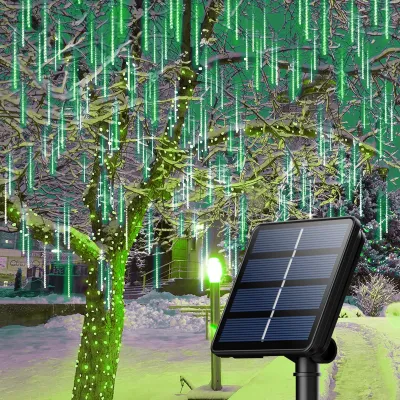
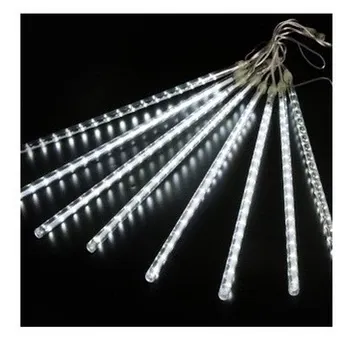
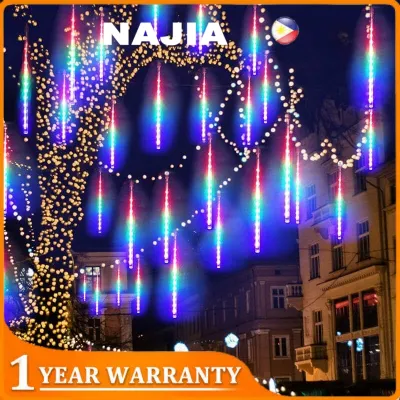
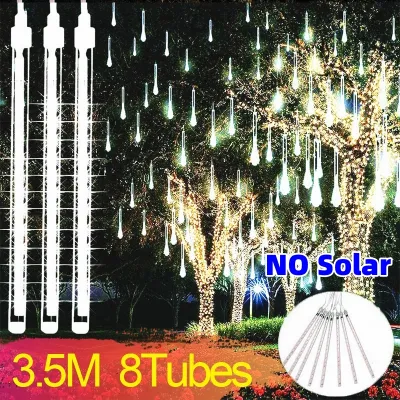
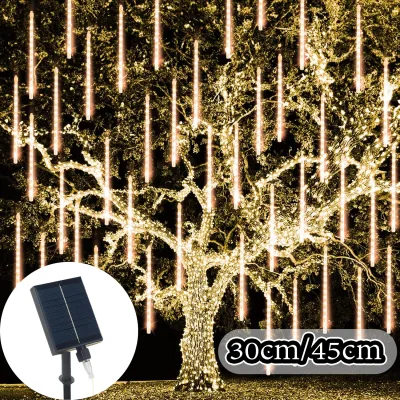
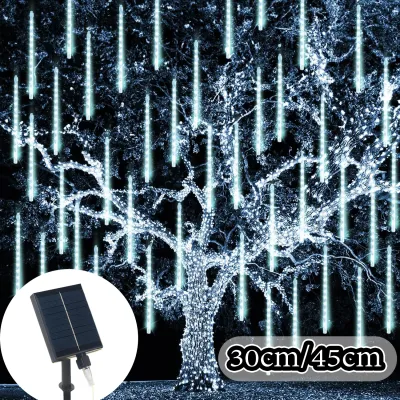
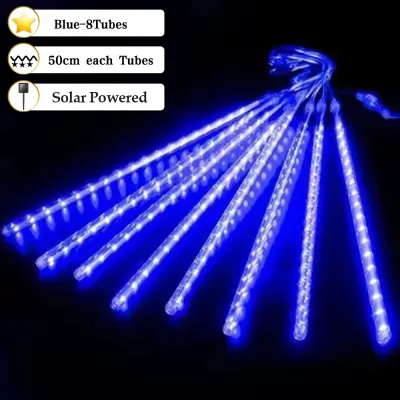
Prices are valid at publication and may change. Please refer to the product page for the latest price.
The second digit is the most critical for weatherproofing, ranging from 0 to 9K. This digit measures protection against liquids, specifically water ingress. A lower rating, such as 4, only protects against light splashing water from any direction. A rating of 5 indicates protection against low-pressure water jets, while a rating of 6 protects against high-pressure water jets. Ratings of 7 and 8 indicate protection against temporary and continuous immersion in water, respectively.
Relying on vague marketing terms like “weatherproof,” “rain-resistant,” or “water-resistant” is a common mistake. These terms are subjective and lack standardized testing protocols. A manufacturer might label a product “waterproof” even if it only withstands a light drizzle. Only a certified IP rating provides a verified, laboratory-tested guarantee of how much moisture the light fixture can actually handle before failing.
Matching IP Codes to Heavy Rain and High Humidity
The climate of the Philippines presents unique challenges for outdoor electronics, characterized by sudden torrential downpours, high ambient temperatures, and sustained relative humidity that often exceeds 80 percent. To ensure your meteor solar lights outdoor displays survive these conditions, you must match the IP rating to the severity of the local environment.

During the southwest monsoon (Habagat) and the typhoon season, rain does not simply fall straight down; it is often driven horizontally by strong winds. This wind-driven rain acts like a low-pressure or high-pressure water jet. Consequently, an IP rating with a second digit of 5 is the absolute minimum required for sheltered outdoor areas, such as under an eave or patio cover. For fully exposed areas like garden trees, fences, or rooftops, a second digit of 6 is highly recommended to withstand the force of driving rain.
High humidity introduces another silent threat: internal condensation. Even if a light fixture successfully blocks external liquid water, warm, humid air can still find its way inside during installation or through microscopic gaps. When the temperature drops rapidly after sunset or during a sudden afternoon shower, the moisture suspended in that trapped air condenses into liquid water inside the tube or battery compartment. This internal moisture can corrode delicate copper traces on the circuit board, ruin the solar controller, and cause the rechargeable battery to fail.
To mitigate condensation risks, look for solar lights that feature breathable yet waterproof membranes or check the manufacturer’s manual for specific environmental operating limits. High-quality outdoor lights are designed to handle temperature fluctuations without allowing moisture to accumulate inside. Always verify the maximum operating temperature, battery capacity, and electrical certifications (such as CE or RoHS) listed in the product specifications to ensure compatibility with local tropical conditions.
Physical Build Checks to Support the IP Rating
While a high IP rating on the packaging is a great indicator of quality, physical build checks are necessary to verify that the manufacturing quality matches the certified rating. Mass-produced decorative lights can sometimes suffer from assembly defects that compromise their water resistance.
Begin your inspection at the solar panel housing and battery compartment, which are the most vulnerable parts of the system. Open the battery cover if it is designed to be accessible, and look for a thick, pliable rubber gasket or silicone O-ring lining the joint. The gasket should be seated perfectly in its groove without any twists, gaps, or tears. A dry, brittle, or poorly aligned seal will allow water to seep directly into the battery terminals, leading to rapid corrosion and failure.
Next, examine the wiring and connection points. Meteor solar lights consist of multiple vertical tubes connected to a main power line. The points where the wires enter each tube are highly susceptible to water ingress. High-quality sets feature molded rubber strain reliefs and waterproof screw-cap connectors equipped with internal rubber seals. Avoid sets with thin, flimsy wires that lack proper insulation, as these can easily crack under intense tropical sun, exposing the copper wiring to moisture.
The materials used for the outer casing also play a vital role in maintaining weatherproofing over time. The vertical tubes housing the LEDs should be constructed from UV-stabilized polycarbonate or heavy-duty acrylic rather than cheap, brittle plastics. Constant exposure to intense tropical sunlight can degrade non-UV-treated plastics, causing them to yellow, warp, and crack. Once the outer tube cracks, the waterproof seal is permanently lost, and rainwater will quickly destroy the internal LED strip.
Installation and Care to Preserve Weatherproofing
Proper installation and regular maintenance are essential to preserve the integrity of your meteor solar lights and ensure they meet their rated lifespan. Even the highest-rated IP67 lights can fail prematurely if installed incorrectly or neglected.
When hanging meteor tubes in trees or along rooflines, always ensure they hang completely vertical. This orientation allows rainwater to run down the smooth outer surface of the tube and drip harmlessly off the bottom cap. Avoid mounting the tubes horizontally or at odd angles where water can pool on top of the wire entry points or end caps. If you are working at heights to install these lights, always prioritize safety by using a stable ladder, securing suspended loads properly, and ensuring the power is isolated if connecting to any mains-powered accessories.
The positioning of the solar panel is equally important. Mount the solar panel at an angle of 15 to 30 degrees, preferably facing south, to maximize daily sunlight absorption. This angle also serves a practical weatherproofing purpose: it encourages rainwater to slide off the panel quickly, carrying away dust and preventing water from pooling on top of the casing. Standing water on the solar panel can slowly degrade the protective laminate coating and eventually seep into the internal electronics.
Maintenance should be gentle to avoid damaging the protective seals. Clean the solar panel periodically using a soft, damp microfiber cloth and plain water to remove dust, bird droppings, and pollen. Never use abrasive scrubbers, harsh chemical solvents, or high-pressure water sprays, as these can scratch the panel surface, degrade the rubber gaskets, or force water past the seals.
Finally, establish a clear protocol for extreme weather. While IP65 or IP66 ratings protect against heavy rain, they do not protect against the physical destruction caused by typhoons. Strong winds can whip the wires, causing physical strain that tears connections apart, while flying debris can easily shatter the plastic tubes. When local weather authorities issue tropical cyclone warnings, safely take down the lights, coil the wires loosely to prevent internal damage, and store them in a dry indoor location until the storm passes.
Frequently Asked Questions (FAQ)
Is it safe to leave meteor solar lights out during a typhoon?
No, it is not safe to leave meteor solar lights outdoors during a typhoon. IP ratings only certify protection against dust and water ingress under controlled laboratory conditions; they do not account for physical impacts, extreme wind shear, or flying debris. Strong winds can tear the wiring, crack the polycarbonate tubes, or rip the solar panel from its mounting bracket. To protect your decorative lighting investment, always disconnect and store the lights indoors when local weather agencies issue severe storm or typhoon warnings.
Will high humidity drain the battery faster even with a good IP rating?
High humidity does not directly drain a healthy battery, but it can cause indirect performance issues if internal condensation occurs. If temperature fluctuations cause moisture to condense inside the battery compartment, it can create micro-short circuits across the battery terminals or corrode the contacts. This corrosion increases electrical resistance, which reduces charging efficiency and causes the battery to drain faster or fail to hold a charge. Regularly inspect the battery compartment for signs of moisture or rust, and ensure the seals remain intact to prevent humidity-related damage.
Community discussion
Share your experience or ask a question. Comments are reviewed before publication.