
When shopping for a christmas light set to decorate your home’s exterior in the Philippines, the minimum rating you should look for is IP44 for covered outdoor areas, and IP65 or higher for fully exposed zones. Words like “waterproof” or “weather-resistant” are frequently used in marketing, but they lack standardized regulatory definitions. To ensure your holiday display survives the unpredictable tropical weather, you must always look for the specific two-digit Ingress Protection (IP) code printed on the product packaging or the manufacturer’s label.
Furthermore, remember that a string of lights is only as safe as its weakest link. While the LED bulbs themselves might carry a high protection rating, the power adapter, controller box, and any connected extension cords must also be rated for outdoor use. If these components are only rated for indoor environments, exposing them to rain or humidity can lead to short circuits, tripped breakers, or electrical hazards.
Decoding the IP Rating Numbers on Your Christmas Light Box
The Ingress Protection rating system is an international standard used to define how effectively an electrical enclosure seals against foreign bodies and moisture. It consists of the letters “IP” followed by two distinct digits. Understanding what these numbers mean allows you to bypass vague retail claims and verify exactly what a specific christmas light set can withstand.
Products mentioned in this guide
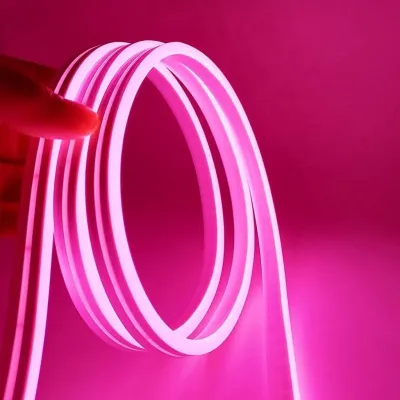
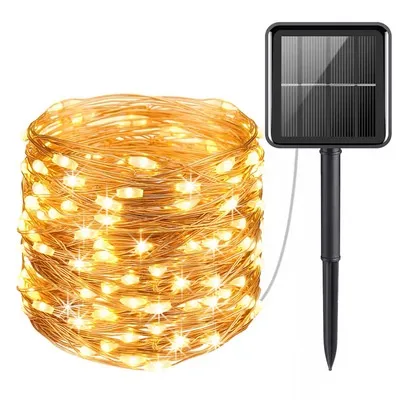
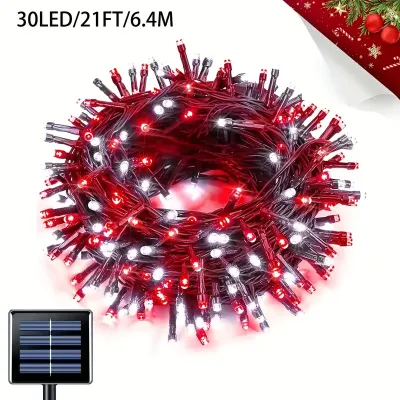
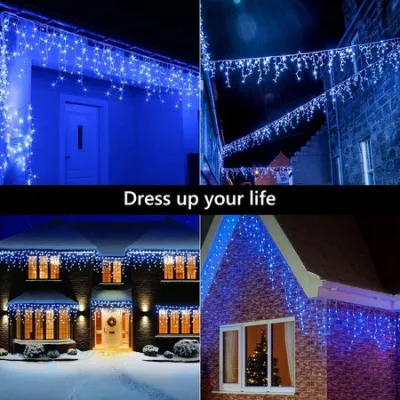
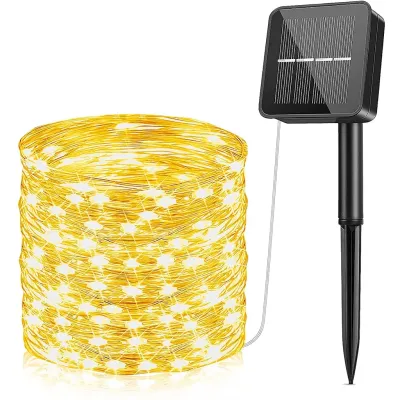
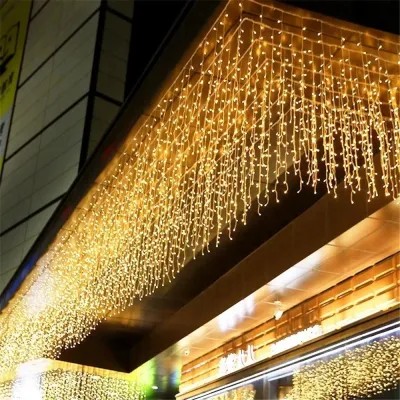
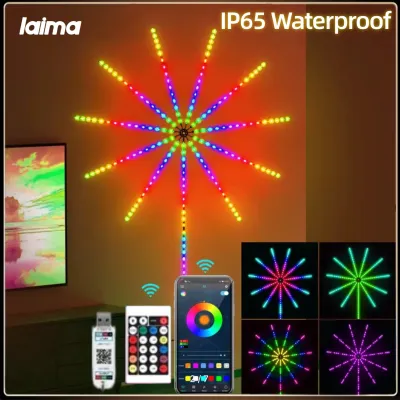
Prices are valid at publication and may change. Please refer to the product page for the latest price.
The first digit, which ranges from 0 to 6, measures protection against solid objects such as dust, dirt, and accidental contact. The second digit, ranging from 0 to 9, measures protection against liquids, specifically water. For holiday decorations suspended outdoors, the second digit is the most critical decision factor. While dust protection is beneficial, it is water ingress that poses the immediate safety risk during sudden downpours.
To help you compare options on the shelves or online marketplaces, here is a breakdown of the most common ratings you will encounter:
- IP20: This rating indicates the product is protected against solid objects larger than 12.5mm (like fingers) but has absolutely zero protection against water. These lights are strictly for dry, indoor use.
- IP44: This rating means the enclosure is protected against solid objects larger than 1mm and can withstand water splashing from any direction. It is the entry-level standard for semi-protected outdoor installations.
- IP65: This indicates the lights are completely dust-tight and can withstand low-pressure water jets from any angle. This is the practical sweet spot for most exposed outdoor holiday decorations in the Philippines, as it protects against heavy, driving rain.
- IP67: This rating means the product is dust-tight and can survive temporary immersion in water up to one meter deep for 30 minutes. While highly protective, this level is rarely necessary for hanging string lights, though it is highly beneficial for ground-level pathway lighting that might end up sitting in temporary puddles.
Do not automatically assume that a higher second digit always makes a product superior for hanging decorations. For instance, an IP67 light might be designed for submersion but may not offer better resistance to high-pressure wind-driven rain than an IP65 light, and it often comes at a much higher price point. For typical rooflines and trees, IP65 provides excellent protection without unnecessary expenses.
Matching IP Ratings to Philippine Outdoor Locations
Choosing the correct IP rating requires evaluating where the lights will hang and the local environmental conditions they will face. In the Philippines, holiday decorating coincides with the tail end of the rainy season and the transition into cooler, yet still highly humid, months. Heavy monsoon downpours, sudden tropical depressions, and high ambient humidity all demand careful planning.

The physical location of your display dictates its exposure level. A light string tucked safely under a deep concrete balcony experiences a completely different environment than one wrapped around a palm tree in the front yard. Matching the IP rating to the specific zone ensures safety and prevents premature product failure.
Covered Outdoor Areas (Eaves, Balconies, Porches)
Covered spaces like porches, covered patios, and deep eaves provide physical shielding from direct rainfall. For these protected zones, an IP44 rating is generally sufficient. Because a solid roof overhang prevents heavy vertical rain from hitting the light string directly, you do not necessarily need the heavy-duty sealing of an IP65 set.
However, do not make the mistake of using indoor-rated IP20 lights in these semi-outdoor spaces. Even if direct rain never touches the bulbs, high tropical humidity and wind-blown mist can easily penetrate unsealed plastic housings. Over time, moisture accumulation inside an IP20 controller box can cause corrosion, short circuits, or electrical shocks.
When installing IP44 lights in covered areas, pay close attention to the placement of the power supply. Always ensure that the plug, controller box, and any extension connections are kept off the floor and away from areas where wind-driven rain might pool. Mounting them to walls or tucking them high under the ceiling provides an extra layer of protection.
Fully Exposed Areas (Trees, Fences, Rooflines)
For decorations that have no overhead protection—such as those wrapped around trees, draped along fences, or lined along exposed roof edges—an IP65 rating or higher is strictly necessary. These lights must withstand the full force of tropical weather, including torrential rains and strong winds that drive water horizontally.
The primary vulnerability in fully exposed setups is rarely the bulbs themselves, but rather the connection points between multiple light strings. Even if you buy premium IP65-rated lights, joining two strings together creates a gap where moisture can seep in. These connection joints must be elevated off the ground and sealed with weatherproof connection covers or specialized outdoor junction boxes.
Additionally, physical environment threats go beyond water ingress. Strong winds during tropical storms can strain wires and pull at mounting clips. While an IP65 rating protects against water, it does not prevent physical tension damage. If PAGASA raises severe typhoon signals in your area, the safest course of action is to temporarily take down your exposed decorations or ensure they are exceptionally well-secured to prevent physical destruction and electrical hazards.
Electrical Safety Rules for Wet and Humid Environments
Operating electrical decorations outdoors in a humid, tropical climate requires strict adherence to safety protocols. Water and electricity are a dangerous combination, and standard indoor habits do not translate safely to the outdoors. To protect your home and family, always prioritize proper equipment and placement.
First, only use extension cords and power strips that are explicitly rated for outdoor use. Outdoor-rated cords feature thick, UV-resistant insulation designed to withstand temperature fluctuations and moisture without cracking. Standard indoor extension cords can quickly degrade under the sun and short-circuit when exposed to morning dew or sudden rain.
Second, keep all electrical connections elevated. Never allow plugs, adapters, or power strips to rest directly on the grass, soil, or concrete pathways where water can pool. Use cable ties or mounting brackets to secure connections to walls, posts, or tree branches well above ground level. Additionally, protect outdoor outlets with heavy-duty, weatherproof “in-use” covers that keep rain out even when a plug is inserted.
Third, always turn off and unplug your outdoor holiday lights during heavy storms, lightning, or typhoons. Even high-quality IP65 setups can be overwhelmed by extreme weather, and power surges caused by lightning strikes can destroy your decorations or damage your home’s electrical system.
Professional Boundary: Always check the product label of your lights and the manufacturer’s instructions for your specific home outlets before installation. If you need to install new outdoor receptacles, hardwire permanent decorative fixtures, or if your existing outdoor outlets lack Ground Fault Circuit Interrupter (GFCI) protection, stop and consult a licensed electrician. Do not attempt to modify indoor outlets, run extension cords through windows or doors permanently, or perform complex electrical wiring yourself.
How to Inspect and Store Lights to Prevent Damage
Outdoor Christmas lights in the Philippines face harsh conditions that can degrade materials quickly. To ensure your investment lasts for several holiday seasons, you must establish a routine of thorough inspection and proper storage.
Before hanging any lights, conduct a meticulous pre-installation check. Lay the strings out in a dry area and inspect the entire length for cracked insulation, exposed copper, corroded plug prongs, or brittle plastic. Check that the rubber seals around the bulbs and controller boxes are intact. If you notice any damage, do not attempt to repair it yourself. Wrapping frayed wires in electrical tape or applying household silicone sealant to a cracked controller box does not restore its factory IP rating and can create a severe fire hazard. Damaged strings should be discarded immediately.
Once the holiday season ends, the way you pack your lights determines their lifespan. Do not tear them down hastily or pack them away while damp. Trapped tropical humidity inside a storage box will cause rapid corrosion of the copper wiring and internal components, leading to mold growth and dead bulbs by the next year. Instead, gently wipe down the strings with a dry cloth and allow them to dry completely in a shaded, well-ventilated indoor area for a few days before packing. Store them in airtight plastic containers with silica gel packets to absorb any residual moisture.
Frequently Asked Questions (FAQ)
Can I use indoor Christmas lights outside if I put them in a plastic tube?
You should never attempt this. Indoor lights lack the UV-resistant and moisture-resistant insulation required for outdoor exposure. Placing them inside a plastic tube actually worsens the risk because the tube can trap condensation and moisture, creating a highly conductive environment that increases the risk of electrical shock and fire.
Does a higher IP rating mean the lights will last longer?
Not necessarily. While a higher rating like IP67 offers superior water protection, the overall lifespan of your lights depends on several other factors. These include the quality of the copper wiring, the UV resistance of the plastic insulation, and how well they are stored. An IP65-rated set from a reputable manufacturer with high-quality materials will often outlast a poorly constructed IP67 set.
Are solar-powered Christmas lights safer for outdoor use in the rain?
Yes, solar-powered lights are generally safer because they operate on low-voltage direct current (DC), which significantly reduces the risk of severe electrical shock compared to mains-powered (220V) lights. However, the solar panel, battery housing, and controller still require an adequate IP rating (at least IP44, preferably IP65) to prevent water from corroding the internal electronics and battery terminals.
Community discussion
Share your experience or ask a question. Comments are reviewed before publication.