
Selecting the right outdoor pin lights—often referred to as recessed downlights or spot lights—requires a careful balance of aesthetic appeal and technical resilience. In the Philippines, where tropical weather patterns bring intense heat, high humidity, and torrential monsoon rains, standard indoor fixtures will quickly fail if exposed to the elements. To ensure your outdoor lighting remains safe and functional, understanding the Ingress Protection (IP) rating is the most critical step in your purchasing journey.
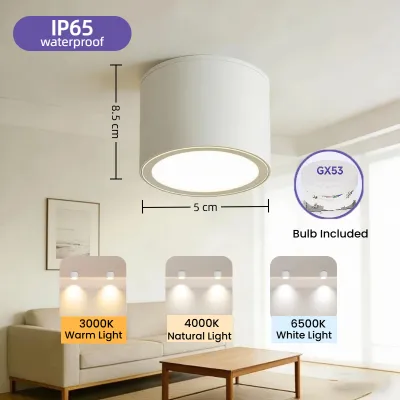
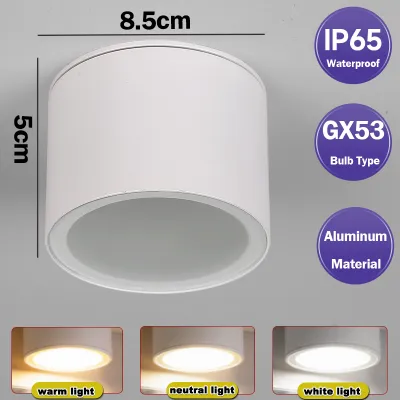
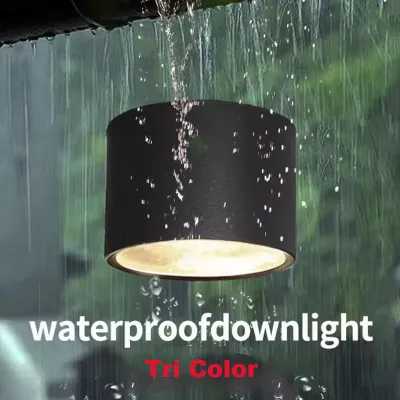
For outdoor pin lights that are fully exposed to the elements, such as those installed along garden pathways, unshielded exterior walls, or open pergolas, an IP65 rating is the recommended minimum. This rating ensures the fixture is completely dust-tight and protected against water jets from any direction. For semi-sheltered areas like covered patios, deep soffits, or carports, an IP44 rating may be acceptable, but only if the architectural design guarantees the fixture will not face direct, wind-driven rainfall. Choosing the wrong rating can lead to short circuits, corroded wiring, and frequent, costly replacements.
Understanding IP Ratings for Outdoor Lighting
An Ingress Protection (IP) rating is an international standard that defines how effectively an electrical enclosure seals against foreign bodies like dust, dirt, and moisture. Rather than relying on vague marketing terms like “waterproof” or “weather-resistant,” buyers should look for the standardized two-digit IP code on the product’s specification sheet. This code provides a reliable, testable metric that allows you to compare different fixtures objectively before making an investment.
Products mentioned in this guide
Prices are valid at publication and may change. Please refer to the product page for the latest price.
The first digit of the IP rating (0 to 6) indicates solid particle protection. A rating of 4 protects against objects larger than 1 millimeter, while 5 indicates partial dust protection. A rating of 6 is the highest standard, meaning the fixture is completely dust-tight, preventing even the finest airborne particles from entering the housing.
The second digit (0 to 9K) measures liquid protection. For outdoor residential lighting, you will typically encounter ratings between 4 and 7. A digit of 4 means the fixture withstands splashing water from any angle, 5 indicates protection against low-pressure water jets, 6 protects against high-pressure water jets, and 7 allows temporary immersion up to 1 meter deep.
When comparing common outdoor options like IP44, IP65, and IP67, there is no single universal winner. An IP44 fixture is highly suitable for sheltered areas where direct water contact is highly unlikely, whereas an IP65 fixture is the standard choice for general outdoor exposure. An IP67 fixture is typically reserved for ground-recessed uplights that may experience temporary pooling during heavy downpours. Selecting the right rating requires matching the fixture’s specifications to the exact physical conditions of its intended location.
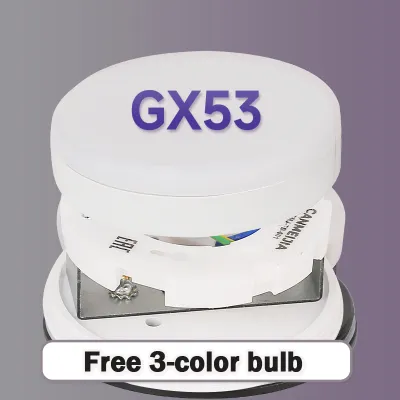
Beyond the IP rating itself, you must verify other critical electrical specifications to ensure compatibility and safety. Always check the fixture’s rated voltage—which should match the standard Philippine utility voltage of 220V to 240V at 60Hz—as well as its base or interface type (such as GU10 or integrated LED modules). Additionally, confirm the wattage limits, physical dimensions, dimming methods, and electrical certifications to prevent overloading your circuits or purchasing a fixture that does not fit your mounting boxes.
Matching IP Ratings to Outdoor Installation Zones
To optimize your lighting budget, divide your outdoor spaces into distinct installation zones based on moisture exposure. Zone 1 consists of fully exposed areas that receive direct rainfall, wind-driven water, and intense sunlight, such as open pathways or unshielded exterior walls. For these areas, pin lights must have a minimum rating of IP65 to prevent water from penetrating the housing during severe weather.

Zone 2 covers semi-sheltered areas like deep eaves, covered patios, balconies, and carports. Here, fixtures are partially protected from direct rain but remain exposed to high ambient moisture and wind-blown mist. An IP44 rating is often sufficient to handle occasional splashes, but upgrading to IP65 provides extra security if your area experiences strong, horizontal wind-driven rain.
Zone 3 refers to highly shielded spots like deeply recessed soffits or transition entryways. While shielded from direct water, these fixtures must still contend with persistent ambient humidity and temperature-induced condensation. Using at least an IP44-rated fixture ensures that moisture-laden air does not degrade the internal circuitry over time, whereas standard indoor fixtures are highly prone to failure.
Ultimately, never assume a single IP rating fits all outdoor spots. Always consult the manufacturer’s specified installation zones and mounting instructions before finalizing your layout. A fixture rated for ceiling-recessed mounting may not perform well if installed horizontally on a wall, as gravity affects how water drains off the housing.
Key Environmental Factors in the Philippines
The tropical climate of the Philippines presents unique challenges that demand highly durable outdoor lighting. The country experiences intense monsoon seasons characterized by heavy, prolonged rainfall and powerful typhoons. During these storms, strong winds drive water horizontally and upward at high velocities. Standard vertical drip protections on poorly sealed fixtures will easily fail under these conditions, making robust lateral seals and high IP ratings essential.
Persistent high humidity is another silent killer of outdoor electronics. When outdoor temperatures drop rapidly during an evening downpour, the air inside a warm, operating pin light contracts. This temperature differential creates a vacuum effect, pulling highly humid outdoor air into any micro-gaps in the fixture’s seals. Once inside, this moisture condenses into water droplets on the cool lens and circuit board, leading to corrosion and short circuits.
For coastal residential areas, salt spray adds another layer of complexity. Saltwater mist is highly corrosive and rapidly degrades aluminum, low-grade stainless steel, and cheap plastics. When planning outdoor track or spot lighting near the coast, look for fixtures that combine a high IP rating with corrosion-resistant housing materials like marine-grade aluminum, solid brass, copper, or high-quality polycarbonate.
How to Verify Waterproof Claims Before Buying
With many products marketed as “waterproof” or “weatherproof,” buyers must take active steps to verify these claims. The first step is to locate the official IP rating on the product packaging, the physical specification sheet, or the laser-engraved label on the fixture itself. If a product is advertised as an outdoor light but lacks a specific, clearly stated two-digit IP code, it is best to assume it does not meet the necessary standards for wet environments.
Be wary of vague marketing phrases that sound reassuring but lack standardized testing. Terms like “rainproof” or “weather-resistant” are not legally binding and do not guarantee protection against specific water pressures. A certified IP rating, such as IP65, indicates that the product has undergone standardized laboratory testing to prove its resistance. Investing ₱1,500 or more in a certified, high-quality fixture is far more cost-effective than repeatedly replacing cheap, unrated lights that fail after the first heavy downpour. Always prioritize products that display these certified codes alongside local safety marks, such as the Philippine Standard (PS) mark or the Import Commodity Clearance (ICC) sticker.
You can also perform a physical inspection of the fixture to check for visible structural features that support its waterproof claims. High-quality outdoor pin lights feature thick, flexible silicone or rubber gaskets seated tightly between the lens and the housing. Look for sealed cable glands where the electrical wire enters the fixture, as this is a common point of water entry. Additionally, examine the housing for proper drainage channels that allow water to run off the lens rather than pooling around the edges.
Installation and Maintenance for Long-Term Durability
Even the highest-rated IP65 pin light will fail if it is installed incorrectly. When setting up outdoor lighting, ensuring that all electrical connections are completely sealed is paramount. Use waterproof junction boxes, gel-filled wire connectors, or self-amalgamating tape to protect wire splices from moisture. Always elevate these connections within the ceiling or wall cavity to prevent them from sitting in pooled water, which can accumulate due to condensation or minor roof leaks.
Proper mounting alignment is equally critical for maintaining water resistance over time. Always follow the manufacturer’s instructions regarding mounting angles and orientation. Many outdoor spot lights and track heads are designed to shed water in a specific direction; mounting them upside down or at extreme angles can cause water to pool against the seals rather than draining away naturally. Additionally, ensure that any weep holes or drainage paths built into the fixture remain clear of paint, plaster, or debris during installation.
Maintaining your outdoor lighting requires a schedule of periodic visual inspections, ideally before the onset of the rainy season. Check the fixtures for cracked lenses, degraded or brittle rubber seals, and signs of internal condensation. If you notice water droplets inside the lens or if a fixture begins to flicker, this is your stop-condition. Immediately isolate the power to the lighting circuit at the main breaker panel and do not attempt to turn it back on until a qualified professional has inspected, dried, or replaced the compromised fixture.
While basic tasks like cleaning dirt off the exterior lens can be done safely by homeowners, complex installations involve strict safety boundaries. Any work involving fixed wiring, installation in damp or wet areas, working at heights, or integrating fixtures into concrete structures must be handled by a licensed electrician. Always isolate the power supply before performing any maintenance, and never compromise on safety when dealing with electricity in wet outdoor environments.
Frequently Asked Questions (FAQ)
Can I use an IP44 pin light outdoors if it is under a roof?
Yes, you can use an IP44 pin light outdoors under a roof, but only under specific conditions. An IP44 rating means the fixture is splash-proof, making it suitable for semi-sheltered areas like deep eaves, covered patios, or carports where direct rain cannot reach. However, you must consider local wind patterns and the depth of your roof overhang. During heavy tropical storms in the Philippines, wind-driven rain can easily blow horizontally, reaching fixtures that are otherwise under a roof. If your overhang is shallow or the area is highly exposed to wind, upgrading to an IP65 fixture is a much safer choice to prevent water damage.
Does a higher IP rating mean the light is completely immune to water damage?
No, a higher IP rating does not make a light completely immune to water damage or environmental wear over time. IP ratings are determined under controlled laboratory conditions over short durations; they do not account for long-term exposure to harsh outdoor elements. Over several years, intense tropical sunlight and UV radiation can degrade plastic housings and cause rubber or silicone gaskets to become brittle and crack. Once these seals lose their flexibility, water can seep into the fixture regardless of its original IP rating. Regular inspections and replacing worn gaskets are necessary to maintain the fixture’s water resistance over its lifespan.
Community discussion
Share your experience or ask a question. Comments are reviewed before publication.