
Condo living in the Philippines offers beautiful skyline views, but decorating an outdoor balcony requires careful attention to the elements. When shopping for balcony illumination, understanding how to choose an outdoor solar light waterproof rating is the difference between a long-lasting ambient retreat and a dead fixture after the first major storm.
To determine what Ingress Protection (IP) rating you actually need, you must assess how exposed your balcony is to the elements. For fully open balconies that face the direct brunt of tropical downpours, you need a minimum rating of IP65. If your balcony is semi-covered by an overhanging concrete slab, an IP44 or IP54 rating will generally suffice, though wind-blown rain during typhoons can still pose a threat. For fully enclosed or glass-shielded balconies, an IP44 rating is perfectly adequate to handle ambient humidity and occasional splashes from watering plants.
Understanding IP Ratings for Outdoor Solar Lights
When browsing online marketplaces or local home improvement stores, you will see various products labeled as “waterproof” or “weatherproof.” These marketing terms are highly subjective and unregulated. To make an informed purchase, you must rely on the standardized Ingress Protection (IP) rating system, which is defined by international electrical standards.
Products mentioned in this guide
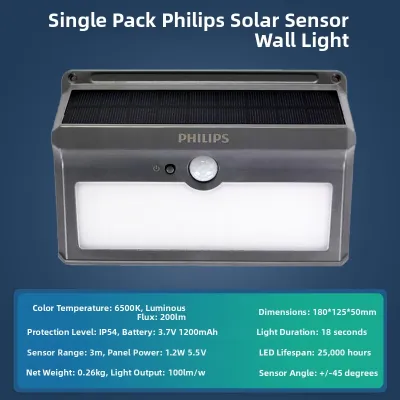
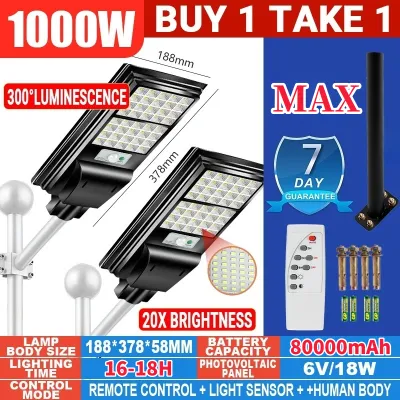
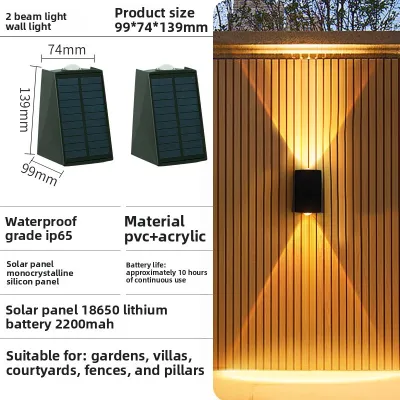
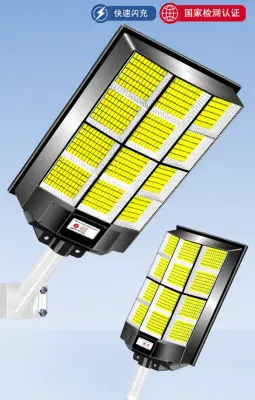
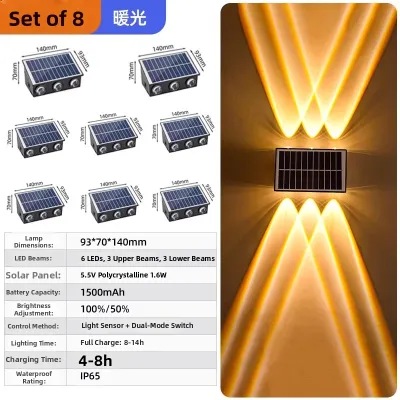
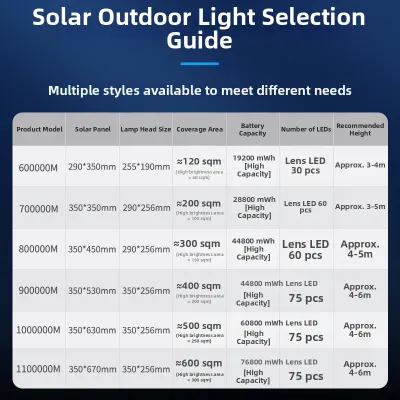
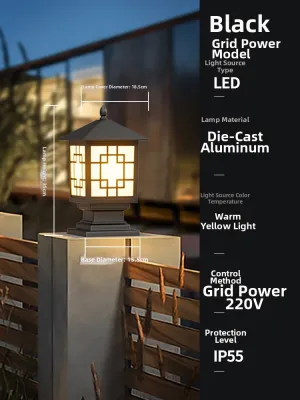
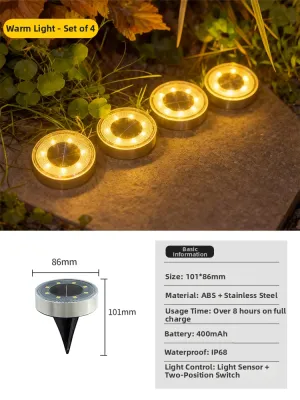
Prices are valid at publication and may change. Please refer to the product page for the latest price.
An IP rating consists of two digits. The first digit, ranging from 0 to 6, indicates the level of protection against solid particles such as dust, dirt, and accidental contact. A rating of 5 or 6 means the fixture is highly dust-resistant or completely dust-tight. The second digit, ranging from 0 to 9, indicates the level of protection against liquids, specifically water.
For outdoor solar lights, three ratings are most common:
- IP44: This rating means the fixture is protected against solid objects larger than 1 millimeter and splashes of water from any direction. It is splash-resistant but not designed to withstand high-pressure water jets or submersion.
- IP65: This rating indicates the light is completely dust-tight and protected against water jets projected by a nozzle from any direction. It can easily withstand heavy rain and direct storm exposure.
- IP67: This rating means the fixture is dust-tight and can survive temporary immersion in water up to 1 meter deep for 30 minutes. While excellent, it is usually reserved for ground-level path lights or pool-adjacent lighting rather than balcony fixtures.
How the Philippine Climate Affects Your Balcony Lighting
The tropical climate of the Philippines is notoriously harsh on outdoor electronics. Unlike temperate regions where outdoor lights only face occasional showers, local conditions subject balcony fixtures to prolonged, extreme environmental stress.

The wet season, driven by the Southwest Monsoon (Habagat) from June to November, brings relentless daily rainfall and sustained high humidity levels that frequently exceed 80%. This constant moisture creates a high-pressure environment for seals and joints. Water vapor can slowly penetrate poorly sealed battery compartments, leading to internal condensation, short circuits, and rapid corrosion of copper wiring.
Conversely, the dry season brings intense heat and high UV index levels. Constant exposure to the tropical sun can rapidly degrade low-quality plastic housings, making them yellow, brittle, and prone to cracking. When the housing cracks, the waterproof integrity of the light is completely lost. Furthermore, extreme ambient temperatures exceeding 35°C can cause the internal seals to expand and contract, eventually weakening the adhesive or rubber gaskets that keep water out.
Perhaps the greatest test for outdoor solar lights on a Philippine condo balcony is the wind-blown rain associated with typhoons (bagyo). During a severe tropical storm, rain does not just fall straight down; it is driven horizontally at high speeds. This horizontal force can push water upward into seams, battery doors, and power switches that were only designed to resist downward splashes.
Matching IP Ratings to Your Balcony Coverage
Your balcony’s architectural design is the primary factor in deciding which IP rating to buy. Condo balconies in the Philippines generally fall into three categories of coverage, each requiring a different level of protection.
Open Balconies (Exposed to Direct Rain)
An open balcony has no roof or overhang directly above it, leaving your fixtures completely vulnerable to the open sky. In this setup, your solar lights will experience the full force of tropical downpours and intense UV exposure.
For these fully exposed spaces, you must choose fixtures rated IP65 or higher. An IP65 rating ensures that the light can withstand heavy, direct water jets from any angle during a severe storm. Look for lights designed with robust silicone gaskets, heavy-duty ABS or aluminum housings, and secure screw-down battery compartments. It is also vital to ensure that the solar panels themselves are integrated with a seamless, water-tight bezel to prevent water from pooling on the edges and seeping beneath the photovoltaic cells.
Semi-Covered Balconies (Overhangs and Wind-Blown Rain)
Semi-covered balconies are the most common layout in Philippine high-rise developments. These balconies feature a concrete overhang from the unit above, providing decent protection from vertical rain.
Under normal conditions, an IP44 or IP54 light will perform adequately on a semi-covered balcony if placed close to the condo wall or tucked deep under the overhang. However, you must carefully assess the prevailing wind direction and the typical angle of rain during storms. In the Philippines, heavy rains are almost always accompanied by strong winds that blow rain horizontally onto your balcony. If your lights are mounted on the outer railing or hanging from the edge of the overhang, they are practically as exposed as they would be on an open balcony. In these positions, upgrading to IP65 is highly recommended to prevent premature failure.
Fully Covered or Enclosed Balconies
Some modern condos feature fully covered balconies with deep recesses, or enclosed sunrooms with glass panels. These spaces are shielded from direct rainfall, but they are not immune to environmental challenges.
For fully covered balconies, an IP44 rating is more than sufficient. This level of protection easily handles ambient tropical humidity, morning dew, and accidental splashes when you water your balcony plants. However, a major challenge for solar lights in fully covered or glass-enclosed spaces is charging. Solar panels require direct, unfiltered sunlight to charge efficiently; standard window glass can block a significant portion of the UV rays needed for charging. If you plan to use solar lights in these areas, look for “split-type” solar lights where the solar panel is connected to the light fixture via a long cable, allowing you to mount the panel on the outer railing while keeping the decorative light fixture in the sheltered area.
Beyond Waterproofing: Other Crucial Specs for Condo Balconies
While water resistance is critical, an outdoor solar light must also survive the physical demands of high temperatures, limited sunlight during the rainy season, and structural wear.
When selecting your balcony lights, also verify technical specifications such as base or interface types, wattage limits, physical dimensions, and dimming methods if the fixture supports it. For solar lights that feature an auxiliary USB or wired charging option, check the required input voltage and ensure any electrical certifications (such as the Philippine Standard or Import Commodity Clearance marks) are present. Remember that decorative style, perceived color temperature (such as warm amber versus cool white), and spatial effects are conditional preferences based on your personal taste, rather than universal indicators of light quality or performance.
The type of battery inside your solar light dictates its lifespan and safety. Traditional Nickel-Metal Hydride (NiMH) or standard Lithium-ion (Li-ion) batteries are common in budget fixtures (often priced under ₱300), but they degrade quickly in high tropical heat. For superior performance and safety, look for fixtures utilizing Lithium Iron Phosphate (LiFePO4) batteries. LiFePO4 batteries offer excellent thermal stability, reducing the risk of overheating or swelling under the hot Philippine sun, and they typically last for thousands of charge cycles compared to the few hundred cycles of standard batteries.
Solar panel efficiency is another vital consideration, especially during the overcast months of the wet season when daylight is limited. Monocrystalline solar panels are highly efficient and can generate power even on cloudy, overcast days. They are more expensive but are the best choice for reliable year-round performance. Polycrystalline solar panels are cheaper to produce but have lower efficiency, meaning they require more direct, intense sunlight to fully charge the battery. They may struggle to keep your lights illuminated during consecutive rainy days.
Finally, pay close attention to the housing materials. Avoid cheap, thin plastics that will degrade within a single dry season. Instead, opt for UV-resistant ABS plastic, thick polycarbonate, or powder-coated aluminum. These materials are formulated to resist UV yellowing, cracking, and structural failure, ensuring that the physical barrier protecting the internal electronics remains intact for years.
Installation and Maintenance Tips for Humid Environments
Proper installation and routine upkeep are essential to keep your outdoor solar lights functioning safely and efficiently in a humid, tropical climate.
When installing your lights, prioritize positions that maximize direct sunlight exposure during the day while avoiding areas where water naturally pools or drains. For example, do not place ground-stake solar lights in deep balcony planters that lack proper drainage, as waterlogged soil can submerge the lower portion of the light and bypass its IP rating. If your balcony setup involves fixed wiring, mounting in damp areas, working at heights, handling heat-generating components, or securing suspended loads, always prioritize safety. Ensure complete power isolation before handling any electrical connections, strictly follow the manufacturer’s installation instructions, and consult a qualified professional for complex setups.
To maintain optimal charging efficiency, clean your solar panels regularly. In urban areas like Metro Manila, a thin layer of dust, traffic soot, and hard water spots from rain can quickly accumulate on the panel’s surface. Wipe the panel gently with a soft, damp microfiber cloth at least once a month. Avoid using abrasive scrubbers or harsh chemical cleaners, which can scratch the protective coating of the panel and permanently reduce its light absorption capacity.
Every few months, perform a quick physical inspection of your fixtures. Check the seams, rubber seals, and battery compartments for any signs of moisture ingress, rust, or corrosion. If you notice minor moisture buildup inside the lens, you can carefully disassemble the housing (if designed to be opened), wipe it dry, and reassemble it, ensuring the rubber gasket is seated correctly.
Safety Boundary: If you inspect the battery compartment and find significant water damage, heavy rust on the contacts, or a swollen battery, stop using the light immediately. Swollen or heavily corroded lithium batteries pose a severe fire and chemical hazard. Dispose of the unit safely at an e-waste recycling center rather than attempting to repair or recharge it.
Frequently Asked Questions (FAQ)
Can I use indoor solar lights on a covered balcony?
It is highly discouraged to use indoor-rated lights on any balcony, even if it is fully covered. Indoor lights lack the necessary seals to protect against high ambient humidity and condensation, which are constant in the tropical Philippine climate. Over time, moisture will seep into the unsealed electronics, causing corrosion, short circuits, and premature failure. Always use fixtures explicitly rated IP44 or higher for semi-outdoor spaces.
Does a higher IP rating mean the solar light will last longer?
Not necessarily. A high IP rating (such as IP67) only guarantees superior resistance to dust and water ingress. It does not protect the fixture from other common points of failure, such as UV degradation of the plastic housing, battery capacity loss over time, or wear on the solar panel itself. A long-lasting solar light requires a combination of a high IP rating, quality housing materials, and robust battery chemistry like LiFePO4.
How do I know if the waterproof seal on my solar light has failed?
The most common sign of seal failure is visible condensation or water droplets trapped inside the light lens or solar panel cover. Other functional warning signs include flickering lights, a sudden reduction in runtime (even after a sunny day), or the light failing to turn on at all. If you open the battery compartment and see white powdery residue, rust, or dampness, the waterproof seal has been compromised.
Community discussion
Share your experience or ask a question. Comments are reviewed before publication.