
To survive the intense Philippine rainy season, outdoor solar garden lights require a minimum rating of IP65 for elevated or wall-mounted fixtures, and IP67 for ground-level pathway lights that face pooling water or mud splashes. Standard “water-resistant” options often fail under the relentless downpours of the southwest monsoon (habagat) or tropical typhoons. Choosing the correct Ingress Protection (IP) rating ensures your landscape lighting remains functional, safe, and durable throughout the wettest months of the year.
Minimum IP Rating Requirements for Monsoon Survival
When planning your outdoor landscape lighting, understanding the baseline requirements for water resistance is the first step toward a long-lasting installation. An IP65 rating serves as the absolute minimum standard for any solar light placed in an open, unsheltered garden area. This rating indicates that the fixture is completely dust-tight and can withstand low-pressure water jets from any direction, making it highly capable of enduring typical heavy downpours and wind-driven rain.
For fixtures installed at ground level, such as pathway spikes, in-ground well lights, or low-profile border lights, a higher rating of IP67 is strongly recommended. Ground-level lights are frequently subjected to pooling water, mud splashes, and temporary submersion during intense storms. An IP67 rating guarantees that the light can survive being temporarily submerged in water up to one meter deep for up to thirty minutes, providing a crucial safety margin when your garden beds waterlog.
Products mentioned in this guide
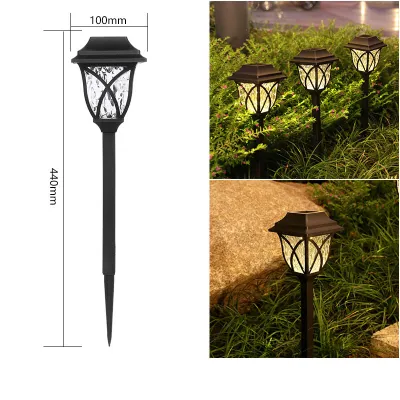
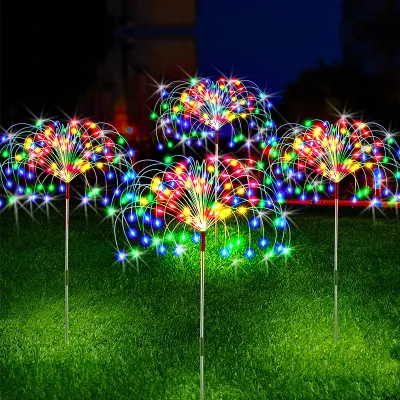
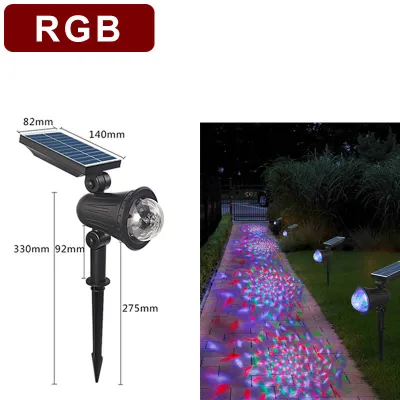
Prices are valid at publication and may change. Please refer to the product page for the latest price.
It is vital to distinguish between commercial marketing terms like “water-resistant” and verified “waterproof” ratings. Many budget-friendly solar lights sold on online marketplaces are advertised as waterproof but only carry an IP44 rating. While IP44 fixtures can handle light splashes, they lack the necessary seals to prevent water ingress during a severe tropical storm, leading to rapid internal corrosion and electrical failure.
How to Read and Verify IP Ratings on Product Labels
The Ingress Protection (IP) rating system is an international standard defined by the International Electrotechnical Commission (IEC). It consists of two digits that follow the “IP” prefix, each representing a specific level of protection against environmental elements. Understanding how to read these numbers allows you to make informed purchasing decisions rather than relying on vague promotional claims.

The first digit in the IP code ranges from zero to six and measures protection against solid particles, such as dust, dirt, and insects. A rating of six is the highest possible score, indicating that the fixture is entirely dust-tight. This is particularly important for outdoor solar lights, as fine soil particles and small insects can easily find their way into unsealed housings, blocking light output or damaging internal circuitry.
The second digit ranges from zero to nine and measures protection against liquids. For garden lighting, the most relevant liquid protection levels include:
- IPX4: Protected against splashing water from any angle. This is suitable only for covered outdoor areas like porches.
- IPX5: Protected against low-pressure water jets. This is the baseline for standard outdoor rain exposure.
- IPX6: Protected against high-pressure, powerful water jets. This level is highly resilient against severe storm conditions.
- IPX7: Protected against temporary immersion in water. This is essential for any light placed in flood-prone or low-lying garden zones.
To verify these ratings, look beyond the front of the product packaging. Authentic IP ratings are typically listed in the technical specifications section of the user manual, on the manufacturer’s official website, or stamped directly onto the product’s regulatory label. Be cautious of products that omit the IP code entirely or use non-standard formats, as these are often uncertified and prone to early failure.
Local Weather Stressors That Dictate Your IP Choice
The tropical climate of the Philippines presents extreme environmental challenges that quickly expose the weaknesses of low-quality outdoor lighting. During the wet season, the combination of high-volume rainfall and sustained wind speeds during typhoons forces water into the tiniest structural gaps. Standard seals that might suffice in milder climates quickly degrade under these intense physical pressures.
High ambient humidity and rapid temperature fluctuations also play a significant role in material wear. On a typical monsoon day, a solar light might experience intense, direct sunlight and high heat, followed by a sudden, cold downpour. This rapid cooling causes the air inside the fixture to contract, creating a vacuum effect that can draw moisture through weak seals. Over time, this leads to internal condensation, which clouds the lens and corrodes the delicate low-voltage electronics.
Furthermore, local soil conditions and drainage patterns heavily influence the risk of waterlogging. Many residential gardens in the Philippines feature clay-heavy soils that drain slowly, resulting in standing water that can submerge low-lying fixtures for hours. Without an IP67 rating, ground-level pathway lights in these areas will inevitably suffer from water ingress, short-circuiting the rechargeable batteries and ruining the LED driver.
Essential Weatherproofing Features Beyond the IP Code
While a high IP rating is a critical indicator of water resistance, it does not guarantee long-term durability against the elements. To ensure your solar garden lights survive year after year, you must evaluate several physical construction features that fall outside the scope of standard IP testing.
The choice of housing material is paramount for resisting rust, corrosion, and UV degradation. Avoid cheap, thin plastics that quickly become brittle and crack under the intense tropical sun. Instead, look for fixtures constructed from UV-stabilized ABS, high-grade polycarbonate, heavy-duty aluminum, or marine-grade stainless steel. These materials maintain their structural integrity, ensuring that the waterproof seals remain tightly compressed over time.
Inspect the physical sealing mechanisms of the battery compartment, power switches, and wire connections. High-quality lights utilize thick, flexible silicone or rubber O-rings rather than cheap foam gaskets, which dry out and crumble. Power switches should be protected by a seamless silicone boot or integrated into a sealed touch-sensitive panel to prevent water from seeping through the button housing.
The structural stability of the mounting hardware is another crucial factor during typhoon season. Flimsy plastic ground stakes can easily snap or pull loose when subjected to strong winds and saturated, muddy soil. Opt for lights with reinforced, deep-reaching stakes or those that can be securely anchored to solid surfaces like concrete pathways, wooden decks, or heavy stone borders.
Finally, consider the design and material of the solar panel itself. The panel should be set at an angle to allow rainwater to run off naturally, which helps wash away loose dirt and debris. Laminated tempered glass or high-quality PET solar panels offer superior scratch resistance and durability compared to cheap epoxy resin panels, which tend to yellow, cloud, and delaminate after prolonged exposure to moisture and sunlight.
Wet Season Maintenance to Preserve Waterproof Seals
Regular maintenance is essential to preserve the waterproof integrity of your solar garden lights and extend their operational lifespan through the wet season. Performing simple, routine checks can prevent minor seal issues from turning into permanent electrical failures.
Conduct periodic visual inspections of your outdoor fixtures, especially after major storms. Look for signs of internal condensation, hairline cracks in the housing, or loose rubber gaskets. If you notice moisture trapped behind the lens, it indicates that a seal has been compromised, requiring immediate attention before the internal components suffer permanent water damage.
Keep the solar panels clean to ensure they receive maximum sunlight during overcast rainy days. Gently wipe the panel surface using a soft, damp microfiber cloth to remove mud splashes, bird droppings, and organic debris. Avoid using abrasive scrubbing pads or harsh chemical cleaners, as these can scratch the protective coating, reduce solar efficiency, and degrade the surrounding waterproof seals.
When severe typhoon warnings are issued, take proactive steps to protect your lighting investment. Temporarily unmount or pull up ground-stake lights and store them indoors or in a secure garden shed. This simple precaution prevents physical destruction from flying debris, falling tree branches, or extreme localized flooding that might exceed the limits of even an IP67 rating.
If water does manage to breach a fixture’s defenses, know when to stop DIY troubleshooting. While minor condensation can sometimes be dried out, a fully flooded battery compartment often leads to irreversible corrosion. If the internal electronics or battery terminals show heavy rust or damage, it is safest to replace the unit or consult the manufacturer rather than attempting to reseal it with household silicone, which rarely provides a reliable, long-term outdoor seal.
Frequently Asked Questions (FAQ)
Can I use IP44 solar lights outdoors during the rainy season?
IP44 solar lights are not recommended for open, unsheltered garden areas during the Philippine rainy season. An IP44 rating only protects against light water splashes, meaning wind-driven monsoon rains and heavy downpours will easily penetrate the housing. If you wish to use IP44 lights, restrict them to well-sheltered outdoor spaces such as deep eaves, covered patios, or protected balconies where they are shielded from direct rainfall.
Does heavy rain clean the solar panels effectively?
While heavy rain can wash away loose dust, it is rarely sufficient for thorough cleaning. Rainwater often mixes with airborne pollutants, tree sap, and garden soil, leaving behind a cloudy residue or mud spots when it dries. This buildup blocks sunlight and significantly reduces charging efficiency during already overcast days. To maintain optimal performance, manually wipe the panels with a damp microfiber cloth at least once a month during the wet season.
What should I do if water gets inside the solar light?
If you discover water inside a solar light, immediately turn off the power switch to prevent an electrical short. If the battery compartment is accessible and safe to open, remove the rechargeable batteries and wipe away any visible moisture. Allow all components to air-dry completely in a shaded, well-ventilated indoor area for at least twenty-four to forty-eight hours. Avoid using high-heat sources like hair dryers, which can warp plastic housings and ruin rubber seals. If the circuit board shows signs of corrosion after drying, replace the fixture.
Community discussion
Share your experience or ask a question. Comments are reviewed before publication.