
Outdoor holiday decorations bring warmth and festive cheer, but setting them up in a tropical climate requires careful planning. In the Philippines, where sudden downpours and high humidity are common during the latter part of the year, selecting the right xmass lights waterproof rating is essential for safety. The Ingress Protection (IP) rating system provides a clear standard for how well electrical enclosures resist dust and moisture. Specifically, IP44, IP65, and IP67 represent different tiers of protection. Matching these ratings to your installation environment prevents short circuits, electrical shocks, and premature product failure.
Decoding the IP Rating System for String Lights
The IP rating system is an international standard used to define the sealing effectiveness of electrical enclosures against foreign bodies and moisture. Every IP rating consists of two digits. The first digit, ranging from 0 to 6, indicates the level of protection against solid objects like dust and debris. The second digit, ranging from 0 to 9, measures the level of protection against liquids, specifically water ingress under various pressure and immersion tests.
For outdoor holiday lighting in the Philippines, the second digit is the primary decision factor. While dust protection is useful, fine solid particles rarely cause immediate electrical failure in temporary holiday displays. Moisture, on the other hand, poses a constant threat due to heavy seasonal rains, high ambient humidity, and morning condensation.
Products mentioned in this guide
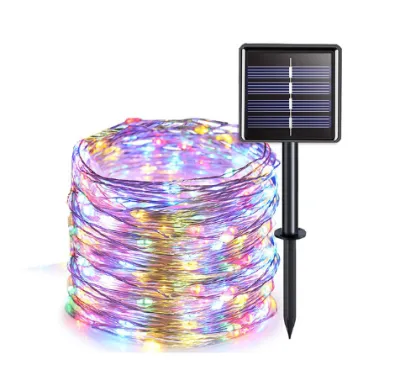
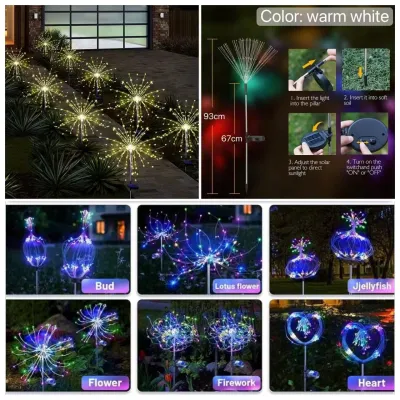
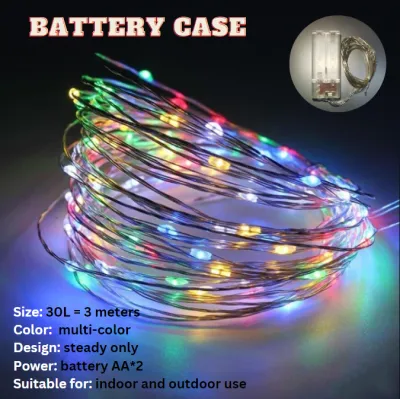
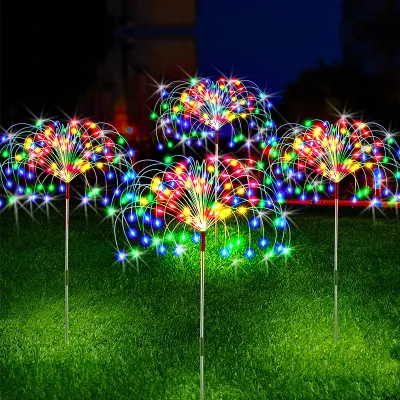
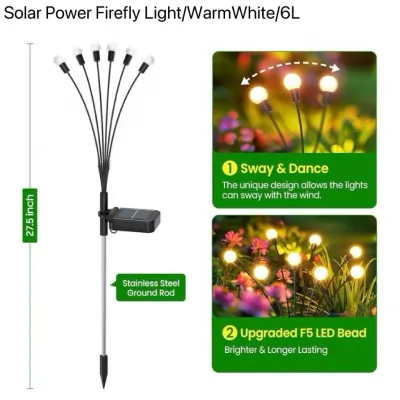
Prices are valid at publication and may change. Please refer to the product page for the latest price.
Understanding these digits helps you avoid spending unnecessary money. A higher IP rating often comes with a higher price tag. Buying highly sealed IP67 lights for a fully covered veranda or indoor living space is an unnecessary expense. By matching the rating to the actual exposure level of each zone, you can allocate your budget efficiently while maintaining a safe setup.
IP44, IP65, and IP67 Explained: What Each Level Actually Protects Against
Translating technical IP water ratings into real-world weather conditions helps you select the correct product for each part of your home. Each level has specific limitations and test boundaries.

IP44: Splash-Resistant for Sheltered Areas
An IP44 rating indicates that the string lights can withstand water splashing from any direction. This level of protection is achieved through basic seals around the bulb sockets and connection joints, preventing water droplets from easily penetrating the electrical contacts.
This rating is highly suitable for semi-outdoor or sheltered spaces. Covered porches, deep roof eaves, carports, and balconies with solid overhead protection are ideal locations for IP44 lights. They are also excellent for indoor areas near windows where minor moisture or condensation might occur.
However, IP44 lights are not designed to handle direct, heavy rainfall. If wind-driven rain can blow directly onto the bulbs, or if water is likely to run down the wiring, IP44 seals can fail. Using them in fully exposed outdoor areas risks water pooling inside the sockets, leading to tripped circuit breakers or short circuits.
IP65: Protected Against Low-Pressure Water Jets
An IP65 rating signifies that the product is completely dust-tight and can withstand low-pressure water jets projected from any angle. The seals on IP65 string lights are significantly tighter and more robust than those on IP44 models, often utilizing heavy-duty rubber gaskets and threaded connectors.
This rating serves as the standard baseline for fully exposed outdoor holiday displays. You can safely install IP65 lights on uncovered garden trees, rooflines, exterior walls, and open patio fences. They are engineered to endure typical tropical rainstorms and wind-driven drizzle without allowing moisture to compromise the internal wiring.
Despite their durability, IP65 lights have clear boundaries. They cannot withstand prolonged submersion in water, nor should they be placed in low-lying areas where water accumulates. Additionally, you must avoid spraying them directly with high-pressure power washers when cleaning nearby exterior walls.
IP67: Temporary Submersion and Heavy Rain Defense
IP67 rated lights offer a high level of protection against both solids and liquids. The second digit, 7, indicates that the product can withstand temporary submersion in water up to 1 meter deep for up to 30 minutes under standard test conditions. The construction typically features hermetically sealed LED modules and heavy-duty, molded rubber cabling.
This rating is the best choice for high-risk installation zones. If you plan to line ground-level pathways, wrap low-hanging bushes that sit in puddle-prone garden beds, or decorate areas near swimming pools, IP67 lights provide the necessary safety margin. They easily survive the severe, localized flooding that can occur during intense tropical downpours.
Keep in mind that temporary submersion is not the same as continuous underwater operation. IP67 lights are designed to survive sudden pooling that drains away quickly, but they are not rated for permanent underwater installations. For those specialized applications, a higher rating like IP68 is required.
Matching IP Ratings to Your Outdoor Holiday Setup
Selecting the right lights involves mapping your outdoor layout to the specific environmental risks of each zone. By categorizing your decorating areas, you can ensure safety without overspending.
- Sheltered and Semi-Outdoor Zones (IP44): Use these for covered balconies, deep carports, and under solid patio roofs where direct rain cannot reach.
- Fully Exposed Vertical Zones (IP65): Apply these to rooflines, exterior walls, garden fences, and high tree branches where water drains away quickly and does not pool.
- High-Risk and Ground-Level Zones (IP67): Reserve these for driveways, lawn borders, low-lying shrubbery, and any area where water tends to accumulate or pool during heavy storms.
When purchasing your holiday setup, always inspect the manufacturer’s label for the exact rating of the entire system. A common mistake is assuming a set of lights is fully waterproof when only the LED string carries an IP65 or IP67 rating. The weakest link in the chain—which is often the power plug, the controller box, or the extension cord connector—determines the safety of the entire installation. If the controller is only rated IP44, the entire setup must be protected as if it were an IP44 system.
Beyond the IP Rating: Other Safety and Installation Checks
While water resistance is critical, a safe outdoor holiday display requires verifying several other electrical and physical specifications.
- Electrical Certification and Voltage: Always verify that the lights are compatible with the local standard utility voltage of 220V. Look for official safety certification marks on the packaging, such as the Philippine Standard (PS) mark or the Import Commodity Clearance (ICC) sticker, to ensure the product has undergone rigorous safety testing.
- Wattage and Daisy-Chaining Limits: Check the manufacturer's instructions for the maximum wattage limit, dimensions, bulb base interface, and the maximum number of light strands that can be safely connected in a series. Exceeding these limits can cause voltage drops, dimming, overheating, and potential fire hazards.
- Power Supply Protection: Standard outdoor plugs and power adapters must be housed inside a dedicated, weatherproof electrical enclosure if they are exposed to the elements. Never plug a standard indoor-rated adapter directly into an exposed outdoor outlet.
- Installation Safety Boundaries: Always isolate the power supply by unplugging the system before installing, adjusting, or replacing any bulbs. For installations involving high rooflines, work at heights, damp areas, or complex fixed wiring, do not attempt a DIY setup. Always consult a qualified professional electrician to ensure the installation complies with local safety codes and to prevent dangerous falls or electrical hazards.
Frequently Asked Questions (FAQ)
Can I use IP44 Christmas lights outdoors if they are under a roof?
Yes, you can use IP44 lights outdoors under a roof, provided they are completely shielded from direct rain, splashing water, and wind-blown moisture. A deep, covered porch or a screened-in veranda is generally safe. However, if strong winds frequently blow rain into the area, or if the space experiences high humidity and condensation, upgrading to IP65 lights is a much safer option to prevent electrical shorting.
Does a higher IP rating mean the lights will last longer?
Not necessarily. A higher IP rating only indicates superior resistance to dust and water ingress under specific test conditions. It does not measure other critical durability factors, such as UV resistance, wire tensile strength, or the quality of the LED chips. To extend the lifespan of your lights, choose products with UV-resistant cabling, handle them gently during installation, and ensure they are thoroughly cleaned, dried, and stored in a cool, dry place after the holiday season.
Community discussion
Share your experience or ask a question. Comments are reviewed before publication.