
In a compact Philippine condominium bedroom, where floor space is at a premium and layouts are highly optimized, selecting the right lighting is both a design choice and a functional necessity. For a small condo bedroom, the ideal bottle lamp should have a physical base diameter of 8 to 12 centimeters (cm) and a total height of 25 to 35 centimeters (cm). This size ensures the fixture comfortably fits narrow bedside tables or floating shelves without causing clutter, while still projecting a warm, atmospheric glow that enhances the room’s sense of depth. By prioritizing these proportions, you can introduce a stylish ambient light source that elevates your space without overwhelming its limited footprint.
Understanding Space Proportions in a Small Condo Bedroom
Condo living in urban centers like Metro Manila often means working with studio or one-bedroom configurations where the sleeping area serves multiple purposes. Walkways are narrow, often measuring less than 60 centimeters wide, and furniture must be scaled down to keep the space functional. When selecting decor, every object’s physical size and visual weight must be carefully calculated to avoid a cramped environment.
Visual weight refers to how much attention an object demands within a room. An oversized lamp with a bulky base or an expansive shade acts as a visual roadblock. It draws the eye immediately, making the surrounding area feel smaller and more chaotic. Conversely, a lamp that is too small can easily get lost among daily essentials, failing to establish the cozy, relaxing atmosphere required for a bedroom.
Products mentioned in this guide
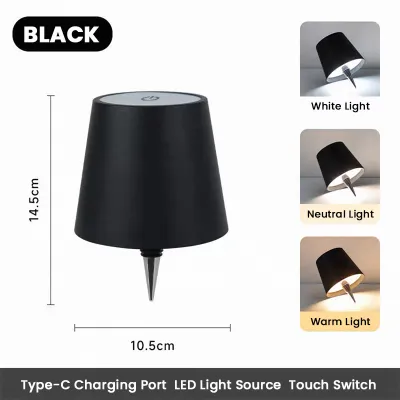
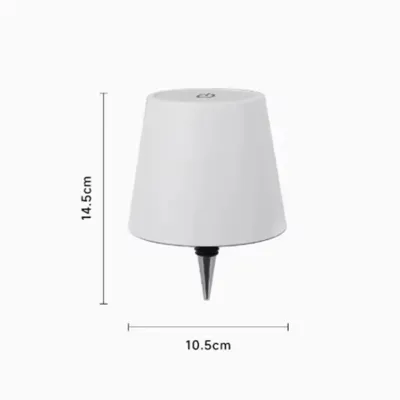
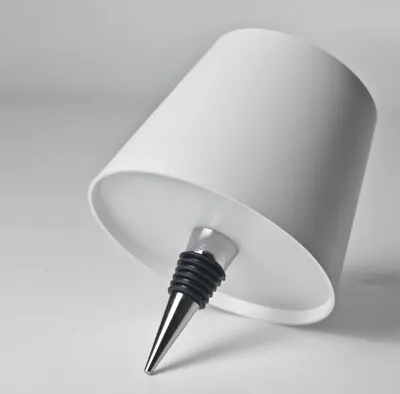
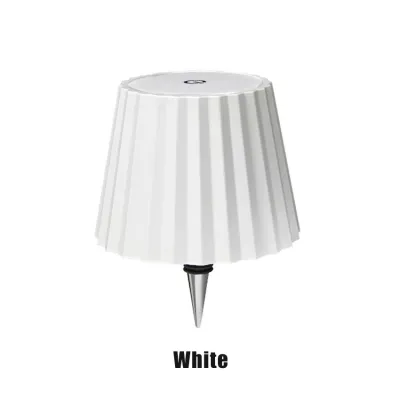
Prices are valid at publication and may change. Please refer to the product page for the latest price.
To achieve a balanced look, follow the golden rule of scale: the lighting fixture should complement the furniture it sits on rather than dominating it. The lamp’s height should ideally not exceed 1.5 times the height of the nightstand, and its base should occupy no more than one-third of the usable surface area. This keeps the sightline from the bed clear, ensuring the room feels open, airy, and structured.
Ideal Bottle Lamp Dimensions for Compact Spaces
Physical Footprint and Height
When space is limited, the physical footprint of your bottle lamp is the most critical factor to consider. Standard nightstands in compact condos are often narrow, sometimes measuring only 30 to 40 centimeters in width. A bottle lamp with a base diameter of 8 to 12 centimeters is ideal for these surfaces. This size leaves ample room for other nighttime essentials, such as a smartphone, a glass of water, or a book, without the risk of items crowding each other.

The height of the lamp is equally important for both visual balance and physical comfort. A height range of 25 to 35 centimeters ensures that the light source remains below or at eye level when you are sitting up in bed. This positioning prevents the bulb or projection lens from shining directly into your eyes, which can cause discomfort and disrupt relaxation. It also ensures the lamp does not block your view across the room, maintaining an open feel.
Stability is another key consideration on small, easily bumped surfaces. Because condo bedrooms often have tight walkways, furniture is frequently brushed against. Before purchasing, check the lamp’s center of gravity. Bottle lamps with weighted bases—such as those made of thick glass, ceramic, or solid metal—are far less likely to tip over than lightweight, top-heavy plastic models. Choosing a sturdy base protects both the lamp and your flooring from accidental damage.
Light Spread and Projection Distance
Beyond the physical dimensions of the fixture, you must consider the footprint of the light it emits, particularly if you are using a sunset projection lamp or a bottle lamp with a focused beam. The throw distance—the physical space between the lamp’s lens and the wall it projects onto—directly dictates the size, brightness, and softness of the light halo.
In a small room, a throw distance of 0.5 to 1.5 meters is usually the sweet spot. This distance creates a beautifully defined, soft-edged halo of light that washes over a portion of the wall without spilling onto the ceiling or floor. To maintain control over this effect, look for bottle lamps that feature adjustable focus lenses or a defined beam angle (ideally between 30 and 60 degrees). This allows you to customize the light spread to match your wall space, preventing the projection from overwhelming the entire room with excessive glare.
The ultimate goal of ambient lighting in a bedroom is to foster a calm, restful environment. While a vibrant wash of color can be visually stunning, it should not interfere with your sleep hygiene. Opting for a lamp with dimming capabilities allows you to transition from a bright, atmospheric glow during the evening to a soft, low-intensity whisper of light as you prepare for sleep, preserving the dark, quiet zones necessary for deep rest.
Best Placement Strategies to Maximize Space
Finding the perfect spot for your bottle lamp in a compact condo bedroom requires a mix of creativity and practical planning. The most common placement is on a bedside table, but if your nightstand is exceptionally small, you can look upward. Installing a narrow, corner floating shelf specifically for the lamp is an excellent way to reclaim valuable tabletop space while keeping the fixture secure.
Placing the lamp in a corner or elevating it on a shelf does more than save space; it also alters the perception of the room’s dimensions. When light is projected into a corner or washed upward along a wall, it draws the eye upward. This technique bounces light off multiple surfaces, softening shadows and creating an illusion of depth that makes a small bedroom feel significantly larger.
Another highly effective strategy is low floor placement, particularly near a cozy seating nook or in an unused corner. A bottle lamp positioned on the floor and angled upward can project a dramatic, rising light effect that mimics a natural sunset. This vertical wash of light emphasizes the height of the room rather than its limited floor area, adding architectural interest to a standard condo layout.
Regardless of where you place the lamp, neat cord management is vital for maintaining a clean, uncluttered aesthetic. In small rooms, loose, dangling cables are not only visual eyesores but also tripping hazards. Use adhesive cable clips to route the power cord discreetly along the back legs of your furniture or along the top of baseboards. Keeping cords hidden preserves the minimalist, serene vibe of your sleeping space.
To maximize the ambient effect, try angling the lamp toward a blank wall, a neutral-colored curtain, or even the ceiling. Bouncing the light off these larger surfaces diffuses the beam, eliminating harsh hot spots and replacing them with a gentle, indirect glow. This technique is particularly useful in small rooms, as it prevents the light source from feeling too intense or localized.
Common Sizing and Placement Mistakes to Avoid
One of the most frequent errors when decorating a small condo bedroom is purchasing a bottle lamp with a disproportionately wide or heavy base. While a large, artistic base might look appealing in a spacious showroom, it quickly becomes a nuisance on a compact nightstand. Monopolizing this limited surface area forces you to store daily essentials elsewhere, leading to unnecessary inconvenience.
Another common pitfall is the “hotspot error,” which occurs when a projection-style bottle lamp is placed too close to the wall. When the distance is less than 30 centimeters, the light cannot diffuse properly, resulting in an intensely bright, concentrated, and harsh circle of light. This concentrated glare defeats the purpose of ambient lighting, creating visual tension rather than a soothing atmosphere.
Positioning the lamp directly at eye level when you are lying down is another mistake that can ruin your bedroom’s comfort. In a small room where the bed is inevitably close to the walls and furniture, direct exposure to the lamp’s light source can cause immediate eye strain. Always angle the projection lens away from the head of the bed, or ensure the lamp shade or housing completely shields the bulb from your direct line of sight when resting.
Finally, do not ignore the lamp’s heat output, especially in compact, poorly ventilated condo bedrooms. Some older bulb types or low-quality LED projection lamps can generate a surprising amount of heat during extended use. In a small room, this extra warmth can make the sleeping environment uncomfortable. Always check the manufacturer’s care and safety instructions regarding ventilation, heat dissipation, and maximum wattage limits to ensure safe, cool operation.
How to Measure Your Space Before Buying
To ensure your new bottle lamp fits perfectly and operates safely, take a few minutes to measure your space before making a purchase. Begin by measuring the exact depth and width of your intended surface, whether it is a nightstand, a floating shelf, or a window sill. Establish a strict maximum base dimension based on these measurements, keeping in mind that the base should occupy no more than one-third of the surface.
Next, measure the physical distance from the placement spot to the target wall or ceiling. This step is crucial for calculating the throw distance. Refer to the manufacturer’s specifications to ensure the lamp’s beam angle and projection capabilities align with this distance, allowing you to achieve a soft, well-proportioned light halo rather than a harsh hotspot.
Do not forget to measure the distance to the nearest power outlet. Planning your cord routing in advance ensures you will not have to rely on unsightly, potentially hazardous extension cords stretched across narrow walkways. Ensure the lamp’s cord is long enough to reach the outlet with a small amount of slack to prevent tension on the plug.
Finally, perform a vital electrical safety check. In the Philippines, the standard household electrical supply is 220V AC at 60Hz. Always verify that the bottle lamp’s voltage rating is compatible with this standard to prevent electrical hazards or damage to the fixture. Ensure the plug type matches your wall outlets (typically Type A or Type B), and look for local safety certifications, such as the ICC or PS mark, to guarantee the product has undergone rigorous safety testing.
Frequently Asked Questions (FAQ)
Can a bottle lamp serve as the primary reading light?
No, a bottle lamp or sunset projection lamp is designed specifically to provide soft, atmospheric ambient lighting and is not suitable as a primary reading light. These lamps typically emit a low-intensity, colored, or highly diffused light that lacks the focused brightness (measured in lumens or lux) required for reading. Attempting to read under ambient lighting alone can cause significant eye strain and fatigue. For comfortable reading in bed, pair your bottle lamp with a dedicated, adjustable task light or a bedside reading lamp that directs clear, neutral light directly onto your page.
Will a dark wall color make the light spread look smaller?
Yes, the color and finish of your bedroom walls directly impact how light from your bottle lamp behaves. Dark paint colors (such as deep navy, charcoal, or forest green) and matte finishes absorb a significant amount of light, which can make the projected halo appear smaller, dimmer, and more localized. If your condo bedroom has dark walls, you may need to place the lamp slightly further back to expand the spread, or opt for a model with higher brightness. Conversely, light-colored walls (such as off-white, cream, or light gray) and semi-gloss finishes reflect light efficiently, making the projection appear larger, brighter, and more vibrant.
Community discussion
Share your experience or ask a question. Comments are reviewed before publication.