
Before purchasing a 220V outdoor LED spotlight for your garden, you must verify its voltage compatibility, inspect its weatherproofing and safety certifications, match its beam angle and brightness to your landscape design, and assess its installation requirements. Taking these steps ensures your new lighting setup operates safely on standard mains power, withstands harsh tropical weather, and delivers the exact visual effect you want.
Verify Mains Voltage and Power Compatibility
Operating outdoor lighting requires careful attention to electrical specifications to prevent hazardous failures. When shopping for an outdoor LED spotlight, check the product label or technical specification sheet for a clear voltage rating. In the local market, the standard household electrical supply is 220V. Look for fixtures rated for 220V-240V or labeled with a wide-voltage range such as 100V-240V.
It is crucial to understand the difference between a simple plug adapter and an actual voltage transformer. A plug adapter only alters the physical shape of the plug pins to fit your outlet; it does not change the electrical voltage. If you plug a low-voltage fixture (like a 12V light) into a 220V outlet using only a physical adapter, the excessive voltage will instantly destroy the internal electronics, creating a severe risk of electrical fires and shocks.
Products mentioned in this guide
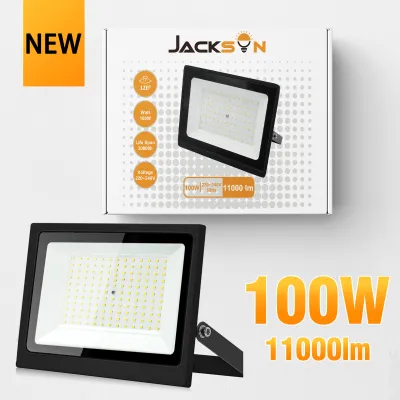
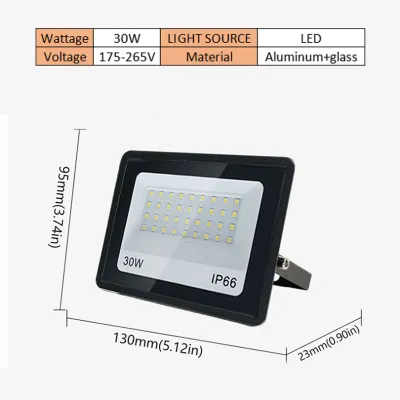
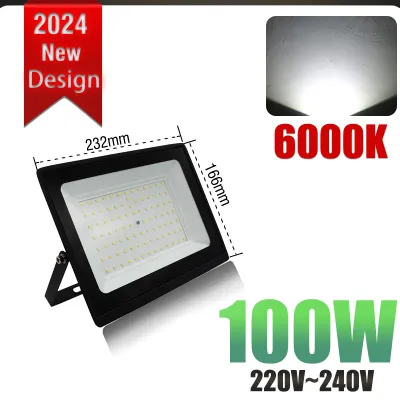
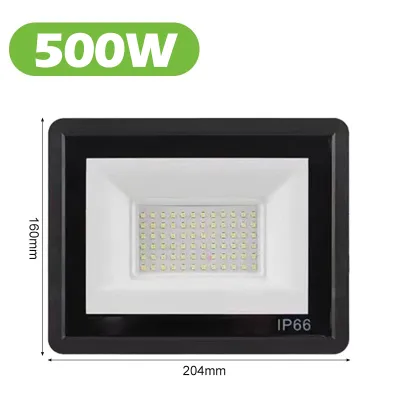
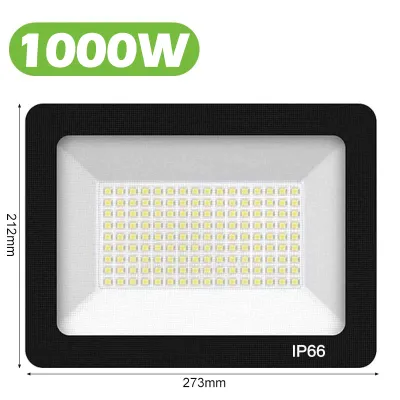
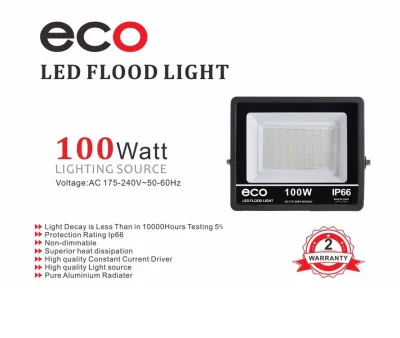
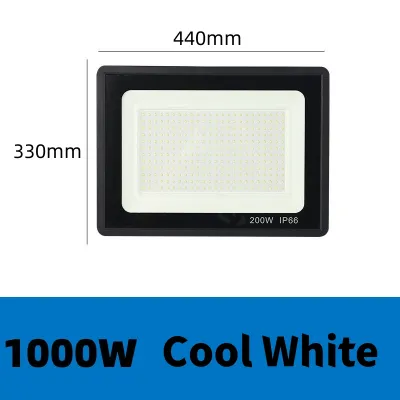
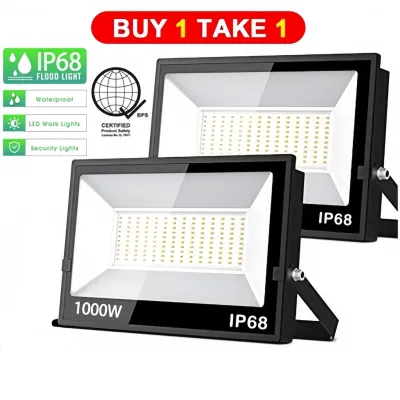
Prices are valid at publication and may change. Please refer to the product page for the latest price.
Before purchasing, calculate the total wattage of all planned garden lights. While individual LED spotlights consume little power, connecting multiple fixtures to a single circuit adds up. Ensure the combined wattage of your new spotlights and existing outdoor appliances remains well below your circuit breaker’s safe operating threshold to prevent frequent trips.
Additionally, verify the dimming method and interface. Not all 220V LED spotlights are dimmable. Using a standard dimmer switch on a non-dimmable LED causes rapid flickering or permanent driver damage. If dimming is a priority, confirm that both the spotlight and your wall switch are fully compatible.
Inspect Weatherproofing and Safety Certifications
Outdoor lighting fixtures must endure constant exposure to environmental elements, making durability and safety certifications paramount. The primary indicator of weather resistance is the Ingress Protection (IP) rating. The first digit measures protection against solid particles like dust, while the second measures protection against liquids.

For general garden zones exposed to rain, look for a minimum rating of IP65, which indicates the fixture is dust-tight and protected against water jets. If you install the spotlight near ground level where water might pool during heavy downpours, or close to active sprinklers, opt for IP66 or IP67 to prevent moisture from seeping into the housing.
Never overlook visible safety certification marks on the product packaging or the fixture itself. Reliable products undergo rigorous testing by recognized independent bodies to ensure they meet strict electrical safety standards. Look for official quality marks or international compliance symbols that verify the spotlight’s insulation and internal components are safe for residential use.
The build materials of the spotlight housing play a critical role in its long-term survival. Tropical climates bring high humidity and heavy rainfall, which can rapidly degrade low-quality materials. Look for robust housings made of die-cast aluminum with anti-corrosion powder coatings, or high-grade, UV-stabilized polycarbonate to resist rust, cracking, and fading.
Match Beam Angle and Brightness to Your Landscape
Achieving the perfect outdoor aesthetic depends on selecting the right light distribution and intensity for your garden’s unique layout. Beam angle refers to the spread of light emitted from the fixture. A narrow beam angle, typically between 15 and 30 degrees, concentrates light into a tight, focused column. This is ideal for accenting specific focal points, such as tall trees, architectural columns, or garden statues.
Conversely, a wide beam angle of 60 degrees or more disperses light over a much broader area. Wide beams are highly effective for general illumination, such as lighting up a pathway, casting a soft glow over a patio, or washing a large garden wall. Matching the beam angle to the specific feature prevents light pollution and ensures a balanced design.
To gauge the actual brightness of an LED spotlight, review the lumen output rather than relying solely on the wattage. Because LEDs are highly energy-efficient, they produce significantly more light per watt than older halogen bulbs. Check the lumen rating on the product specification sheet to ensure the light output matches your needs without causing uncomfortable glare.
Color temperature is another essential factor, though it should be treated as a conditional preference based on your desired aesthetic. Warm white light (typically 2700K to 3000K) offers a soft, golden glow that enhances the natural textures of foliage, creating a cozy atmosphere. Cool white light (4000K to 5000K) provides a bright, crisp look that can improve visibility and security around pathways.
Assess Installation and Wiring Requirements
Before purchasing your 220V outdoor LED spotlight, evaluate how the fixture will be mounted and connected to your home’s electrical system. Spotlights generally come in three main installation styles: spike-mounted, surface-mounted, or hardwired. Spike-mounted lights are highly versatile for garden beds, as you can easily push them into the soil and adjust their angles. Surface-mounted fixtures use brackets to secure directly to hard surfaces like concrete walls or decks.
Carefully check the included cable length, gauge, and insulation type. Outdoor wiring must be specifically rated to withstand moisture, soil contact, and temperature fluctuations. If you plan to bury the cables underground, ensure you use direct-burial rated cables and run them through protective conduits to prevent accidental damage from gardening tools.
Understanding the safety boundaries of DIY installation is critical for protecting your home. For simple plug-and-play fixtures that connect to existing, weather-sealed outdoor outlets, DIY installation is generally straightforward. However, if your project involves fixed wiring, connecting to outdoor junction boxes, working at heights, or installing fixtures in highly damp areas, you must prioritize safety.
Always isolate the power at your main circuit breaker before touching any electrical components. Carefully read and follow the manufacturer’s installation instructions for every fixture. If the installation requires running new electrical lines from your main panel, trenching through your yard, or mounting heavy fixtures to permanent structures, stop and consult a qualified professional electrician.
Frequently Asked Questions (FAQ)
Can I use a 12V garden spotlight on a 220V mains supply?
No, you cannot connect a 12V garden spotlight directly to a 220V mains supply. Doing so will instantly destroy the LED driver and the light source due to the extreme overvoltage, and it poses an immediate risk of electrical shock, short circuits, or fire. To safely use a 12V fixture, you must install a compatible step-down transformer that converts the 220V mains power to the required 12V output.
Do outdoor LED spotlights need a dedicated circuit?
Because modern LED spotlights consume very little power, they rarely require a dedicated electrical circuit for a standard residential garden. You can typically connect them to an existing outdoor lighting or power circuit, provided the total wattage of all connected devices does not exceed the safe capacity of your circuit breaker. However, if you plan to install a very large number of high-wattage spotlights or combine them with heavy outdoor appliances, you should consult a licensed electrician to assess your system’s capacity.
Community discussion
Share your experience or ask a question. Comments are reviewed before publication.