
To select a high-quality magnetic floating moon lamp, you must evaluate its levitation stability, 3D printing accuracy, lighting versatility, and electrical safety. While the visual effect of a levitating sphere is mesmerizing, the underlying mechanics, material durability, and power specifications dictate whether the lamp remains a functional centerpiece or becomes a delicate hazard. Checking these technical details beforehand ensures your investment operates reliably in your living space.
Levitation Stability and Base Mechanics
Most levitating lamps rely on a combination of permanent magnets and electromagnets. The permanent magnets provide the basic lifting force, while the electromagnets constantly adjust the magnetic field to keep the sphere centered. This means the levitation system is entirely dependent on a continuous flow of electricity.
The base serves as the anchor of the entire system. A high-quality base must have sufficient weight, a wide footprint, and high material density to counterbalance the floating sphere. Lightweight or poorly constructed bases can easily tip over if the lamp is bumped, risking damage to the delicate internal electronics.
Products mentioned in this guide
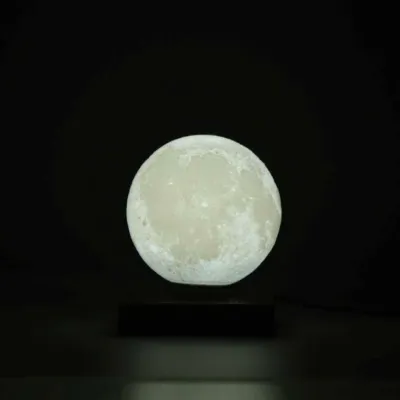
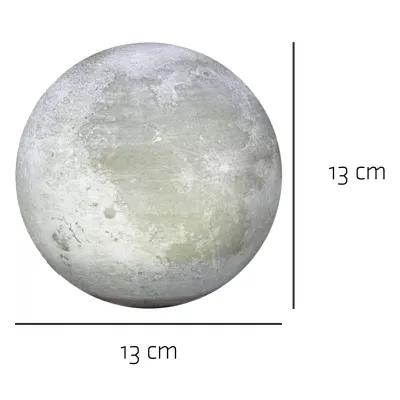
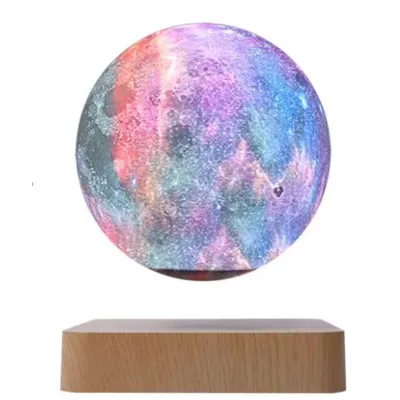
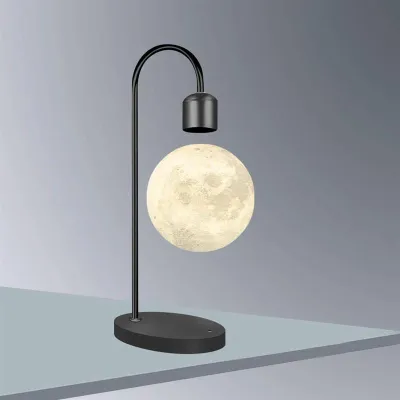
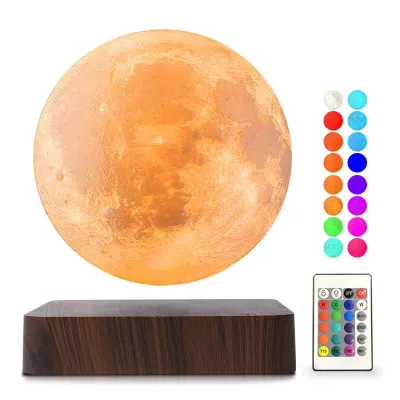
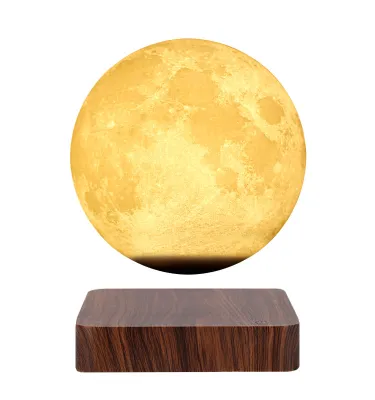
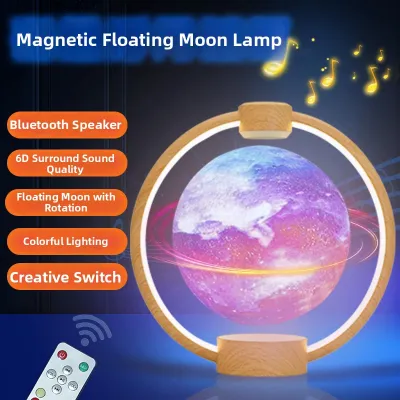
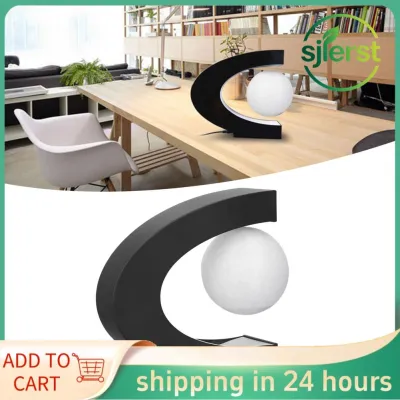
Prices are valid at publication and may change. Please refer to the product page for the latest price.
One critical feature to verify is the power interruption behavior. In the event of a sudden power outage or if the cord is accidentally unplugged, the moon sphere should automatically snap downward and attach securely to the magnetic base. Without this safety feature, the sphere may fall onto the table or floor, potentially cracking the outer shell.
Additionally, consider where you plan to place the lamp. Magnetic levitation fields are highly sensitive to nearby metallic objects and electronic devices. You must maintain adequate clearance from metal-framed furniture, speakers, computers, and even structural steel columns in modern concrete condominiums to prevent magnetic interference from destabilizing the float.
Moon Detail Accuracy and Material Quality
The visual appeal of a moon lamp depends heavily on its surface texture and crater accuracy. High-quality models utilize high-resolution 3D printing based on actual NASA topographical mapping to recreate realistic highlands, maria, and craters. Lower-quality alternatives often feature repetitive, generic patterns that look artificial when illuminated.

The material composition of the sphere is equally important. Most manufacturers use Polylactic Acid (PLA) or specialized eco-friendly resins. PLA is lightweight and diffuses light beautifully, but it has lower heat resistance compared to advanced resins. In warm, tropical environments, ensuring the material can withstand both internal LED heat and ambient room temperatures is vital to prevent warping.
Internal weight distribution and wall thickness are crucial for both balance and aesthetics. The 3D-printed shell must have uniform wall thickness so that light shines through evenly without dark, accidental patches. Furthermore, the internal magnetic receiver must be accurately centered; any slight misalignment in weight distribution will cause the moon to wobble or tilt awkwardly while floating.
Before finalizing your choice, look closely at product photos or user reviews for visible seam lines, printing artifacts, or uneven coloring. A seamless exterior is a hallmark of precise manufacturing, ensuring the illusion of a miniature celestial body remains unbroken.
Lighting Modes, Brightness, and Power Specs
A versatile moon lamp should offer multiple color temperature options to match different moods and times of day. Common settings include a warm white (around 2700K to 3000K) for a cozy evening glow, a neutral white for a realistic lunar appearance, and sometimes RGB color-changing modes. These settings are highly subjective and should be chosen based on your personal decorative preferences.
Because these lamps are designed for ambient and mood lighting, their brightness is relatively low. Look for models that feature touch-sensitive controls on the base or a dedicated remote control to adjust the dimming levels. This allows you to transition the lamp from a soft nightlight to a slightly brighter accent piece.
Electrical compatibility is a paramount consideration, especially in regions like the Philippines where the standard residential voltage is 220V at 60Hz. Always verify that the included power adapter matches your local voltage and frequency ratings. Check the adapter’s certification marks and ensure the cable length is sufficient for your desired placement without stretching the cord taut.
You will also encounter different power delivery methods. While the levitation base almost always requires a direct plug-in connection, the light inside the moon sphere is typically powered wirelessly via induction or through a small internal rechargeable battery. Induction models are generally preferred for continuous, maintenance-free illumination, whereas battery-operated spheres may require periodic removal and recharging, limiting their continuous floating duration.
Safety, Setup Conditions, and Maintenance
Prioritizing electrical safety is essential when introducing any electromagnetic device into your home. Ensure the power adapter carries recognized electrical safety certifications. Avoid plugging the lamp into overloaded extension cords or sharing a single outlet with high-wattage appliances, which can cause voltage drops and disrupt the magnetic field.
Heat dissipation is another factor to monitor during prolonged operation. While LEDs generate minimal heat compared to traditional bulbs, the electromagnetic coils in the base can warm up over hours of continuous use. Ensure the base is placed on a hard, flat surface with adequate ventilation, and avoid placing it on thick carpets or cloth runners that trap heat.
The setup environment must be carefully selected to protect the lamp’s delicate components. Keep the device away from strong drafts, air conditioning vents, and direct sunlight, as extreme temperature shifts and UV exposure can warp 3D-printed PLA. Additionally, avoid high-humidity areas like bathrooms or open-air verandas, as moisture can corrode the internal circuitry and interfere with the magnetic sensors.
When it comes to maintenance, regular dusting is necessary to keep the moon looking its best. Always unplug the power supply before cleaning. Use a dry, soft microfiber cloth to gently wipe the sphere and the base; never use harsh chemical cleaners, abrasive pads, or excessive moisture, which can damage the printed texture and seep into the electronic components.
Frequently Asked Questions (FAQ)
Can a magnetic floating moon lamp float without being plugged in?
No, the levitation mechanism requires a continuous supply of electricity to function. The electromagnetic coils in the base must be powered constantly to generate the active magnetic field that keeps the moon suspended in mid-air. If you unplug the base or experience a power outage, the magnetic field collapses, and the sphere will drop. However, some models feature an internal battery or wireless induction that allows the LED light inside the sphere to remain lit for a short period even when not floating.
Is the light from a floating moon lamp bright enough for reading?
No, a magnetic floating moon lamp is designed strictly for ambient, decorative, and mood lighting rather than task lighting. The light output is intentionally soft and diffused to mimic the natural glow of the moon, which is generally insufficient for reading, studying, or detailed work. Attempting to use it as a primary light source may cause eye strain, so it is best paired with dedicated reading lamps or overhead fixtures.
Community discussion
Share your experience or ask a question. Comments are reviewed before publication.