
Quick Answer: Core Selection Criteria for Balcony Use
When selecting outdoor LED fireworks tree lights for a condo balcony in the Philippines, prioritizing weatherproofing and physical stability is essential. Look for lights with a minimum rating of IP44, though IP65 is highly recommended to withstand heavy tropical rains and high humidity. Because high-rise balconies are prone to strong winds, the tree must have a stable, weighted base or a design that allows you to secure it firmly to your balcony railing.
Your choice of power source should depend on your balcony’s layout and daily sunlight exposure. Solar-powered models are highly efficient if your balcony receives at least six hours of direct sunlight, while plug-in models offer consistent brightness but require a safe, weatherproof outdoor outlet. Finally, choose a tree height and branch spread that fits comfortably within your balcony’s footprint without obstructing walkways or sliding doors.
Weather Resistance and Electrical Safety Checks
Evaluating weather resistance is the most critical step when buying outdoor lighting for an exposed balcony. Ingress Protection (IP) ratings indicate how well the light fixture prevents water and dust from entering its electrical components. An IP44 rating means the lights are protected against splashing water from any direction, making them suitable for covered balconies. However, for fully exposed balconies subject to intense monsoon downpours, look for an IP65 rating, which certifies protection against water jets and heavy rain.
Products mentioned in this guide
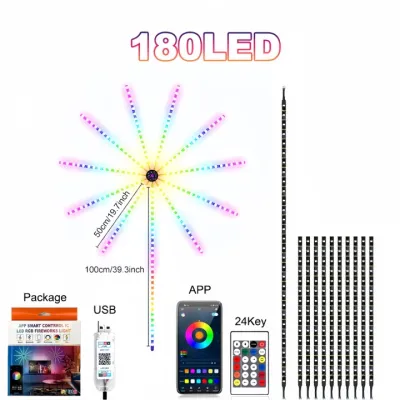
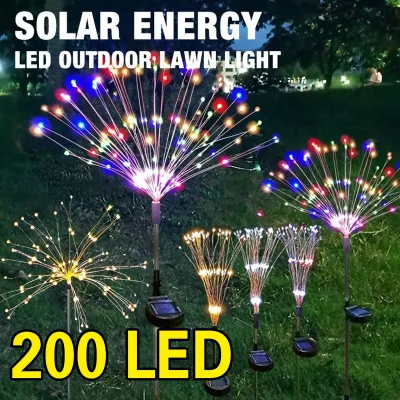
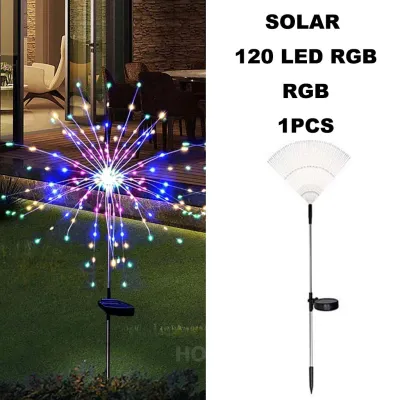
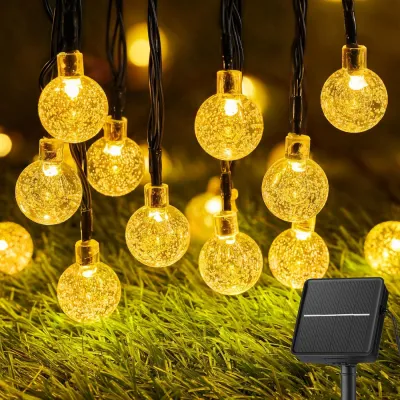
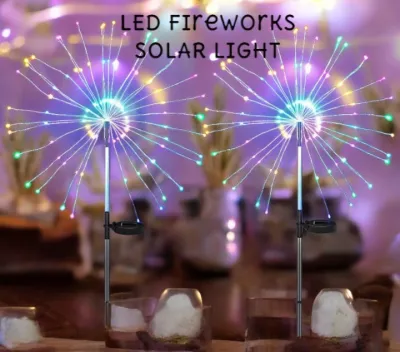
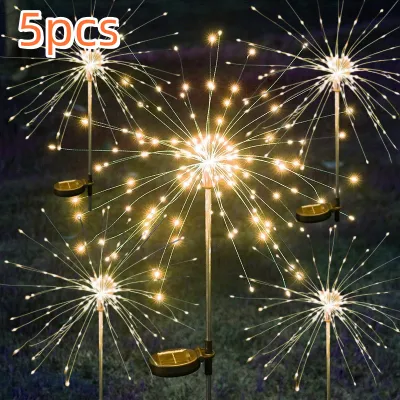
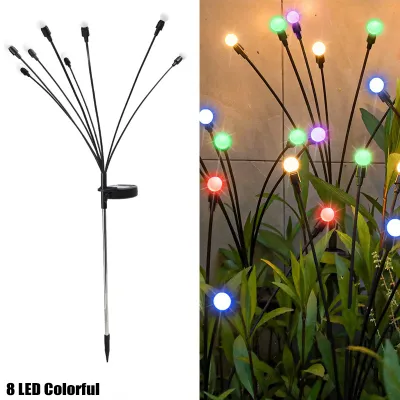
Prices are valid at publication and may change. Please refer to the product page for the latest price.

Wind resistance is another major concern for high-rise condo living. Balconies often experience a wind tunnel effect, where wind speeds are significantly higher than at ground level. A lightweight decorative tree can easily tip over, risking damage to the lights or creating a safety hazard for units below. To prevent this, choose a model with a heavy, wide base, or plan to place the stand inside a heavy ceramic planter. Alternatively, you can secure the main trunk of the tree to your balcony railing using heavy-duty, UV-resistant zip ties.
Electrical safety must never be overlooked when installing lights in damp outdoor environments. In the Philippines, the standard household electrical system operates at 220V. Always verify that the transformer, plug, and controller of your fireworks tree lights are rated for 220V and carry official safety certifications, such as the Philippine Standard (PS) mark or an Import Commodity Clearance (ICC) sticker.
When connecting plug-in models, always use an outdoor-rated extension cord with thick, rubberized insulation. Ensure your outdoor outlet is equipped with a weatherproof cover and a Ground Fault Circuit Interrupter (GFCI) to automatically cut power if moisture enters the system. To prevent water from traveling down the power cord and into the outlet, always form a drip loop—a simple downward curve in the cable just before it connects to the plug.
Sizing and Proportions for Compact Balconies
Condo balconies in the Philippines are often compact, typically ranging from two to six square meters. Selecting a fireworks tree that is too large can make the space feel cramped and block essential pathways. Before shopping, measure your balcony’s floor dimensions, ceiling height, and the clearance around your sliding doors. Keep in mind that you need to maintain a clear path for daily foot traffic and emergency access.
For smaller balconies, a tree height of 1.2 to 1.5 meters (approximately 4 to 5 feet) is usually ideal. This height provides a noticeable visual impact from both inside the condo and from the street, without dominating the limited floor space. If you have a larger balcony or a spacious penthouse terrace, a 1.8-meter to 2.1-meter (6 to 7 feet) tree can serve as a stunning focal point.
In addition to height, consider the horizontal spread of the branches. Fireworks tree lights feature flexible copper wire branches that flare outward to create a spherical burst effect. Ensure the fully expanded diameter of the branches leaves at least 30 to 50 centimeters of clearance from walls, furniture, and railings. Choosing a model with highly adjustable branches allows you to shape the tree flatter against a wall or corner, maximizing your usable floor space.
Power Source Options: Solar vs. Plug-In
Deciding between solar-powered and plug-in LED fireworks tree lights depends heavily on your balcony’s orientation and structural layout. Solar-powered lights are incredibly convenient because they require no external wiring and cost nothing to operate. However, they rely entirely on direct sunlight to charge their internal batteries. Many condo balconies have deep concrete overhangs or face inner courtyards, receiving only indirect light. If your balcony does not receive at least six hours of unshaded sunlight daily, a solar panel will not charge fully, resulting in dim lights that turn off after only an hour or two.
If you choose a solar model, ensure the solar panel is separate from the tree itself, connected by a long lead wire. This design allows you to mount the panel high on the balcony railing or in the sunniest corner while keeping the decorative tree in your preferred seating area. Look for panels with adjustable brackets so you can angle them directly toward the sun.
Plug-in models offer reliable, consistent brightness regardless of the weather or the direction your balcony faces. They do not suffer from fading light output as the night progresses. The main challenge with plug-in lights is cable management. Running a power cord through a sliding glass door can pinch and damage the wire over time, creating a serious fire hazard and breaking the door’s weather seal.
If your balcony lacks a dedicated outdoor outlet, do not attempt to modify your condo’s exterior wiring yourself. Always consult a qualified professional electrician to install a safe, weatherproof outdoor outlet. For temporary setups, look for flat ribbon power cables designed to pass safely through door gaps without being crushed, and ensure the transformer plug is kept indoors or inside a certified weatherproof electrical box.
Battery-operated fireworks trees are another alternative, offering complete placement flexibility. However, they are best reserved for short-term festive displays. Continuous outdoor use will require frequent battery replacements, which can become expensive and environmentally unfriendly. If you opt for battery power, invest in high-quality rechargeable NiMH batteries and a reliable charger to minimize waste.
Visual Impact: Branch Density and Lighting Modes
The visual appeal of LED fireworks tree lights comes from their unique “burst” design, which mimics a sparkling firework explosion. The fullness of this effect depends on the branch count and LED density. Lower-end models may look sparse, with only a few thin wires extending from the trunk. For a rich, vibrant display, look for trees that feature at least 120 to 200 individual light tips. Flexible copper wire branches are highly desirable, as they allow you to manually shape and fluff each branch to create a perfectly balanced, three-dimensional sphere.
Color temperature is a matter of personal preference, but it significantly influences the mood of your outdoor space. Warm white lights (ranging from 2700K to 3000K) emit a cozy, soft glow that creates a relaxing, intimate atmosphere, perfect for winding down after a long day. Cool white lights (around 6000K) offer a crisp, modern, and bright aesthetic that stands out sharply against the night sky. Multi-color options bring a playful, festive energy, which is ideal for holidays and celebrations.
Because condo units are built close together, light pollution can easily disturb your neighbors. To maintain good community relations, look for fireworks tree lights that include dimming functions and built-in timers. A dimming feature allows you to lower the brightness if the light reflects too harshly into your living room or a neighbor’s window. A built-in timer (such as a 6-hour on, 18-hour off cycle) ensures your lights automatically turn off late at night, conserving energy and respecting your neighbors’ sleep schedules.
Building Your Shortlist: Pre-Purchase Evaluation
Before purchasing your LED fireworks tree lights, compile a shortlist of candidate products and evaluate them against a structured framework. High-quality weatherproof models in the market typically range from ₱1,500 to ₱4,000 depending on height, branch density, and smart features. Use the following checklist to guide your final decision:
- IP Rating Verification: Confirm the product packaging or specifications explicitly state an IP44 or IP65 rating. Avoid products that simply claim to be "waterproof" without an official IP rating.
- Electrical Certification: Look for the PS mark or ICC sticker on the plug and transformer to ensure compliance with Philippine electrical safety standards.
- Base and Anchoring: Check if the base is weighted or has pre-drilled holes that allow you to secure it to the floor or a heavy planter.
- Cord Length: Measure the distance from your planned tree location to the nearest outlet. Ensure the product's lead wire is long enough to reach without stretching or creating a tripping hazard.
- Timer and Dimmer Features: Verify if the lights include a remote control or built-in controller with timer and dimming options.
Always consult your condo’s Property Management Office (PMO) guidelines before installing any exterior decorations. Many high-rise developments have strict rules regarding balcony aesthetics, drilling into exterior walls, or hanging items that are visible from the street. Some PMOs prohibit flashing or overly bright lights to maintain a uniform building appearance.
Finally, check the manufacturer’s warranty and return policy. Ensure the warranty explicitly covers outdoor use and moisture damage. Because the tropical climate in the Philippines involves high humidity and salt air in coastal areas, electronic components are subject to faster wear. A reliable warranty of at least six months to a year provides peace of mind and ensures you are investing in a durable product.
Frequently Asked Questions (FAQ)
How do I clean and store LED fireworks tree lights during the off-season?
To clean your LED fireworks tree lights, always unplug them from the power source first. Use a dry or slightly damp microfiber cloth to gently wipe away dust, pollen, and outdoor grime from the branches, trunk, and LED bulbs. Avoid using harsh chemical cleaners, solvents, or abrasive scrubbing pads, as these can degrade the protective plastic coating on the wires. Allow the tree to dry completely in a shaded area before packing it away.
When storing the tree, fold the flexible copper branches gently toward the center trunk to prevent metal fatigue and wire breakage. Place the folded tree inside a sturdy, airtight plastic storage bin to protect it from dust, pests, and moisture. Adding a few silica gel packets inside the bin will help absorb any residual humidity, preventing corrosion on the electrical contacts and wiring during the off-season. Store the bin in a cool, dry closet inside your condo.
Can I leave the fireworks tree lights outside all year round?
While high-quality outdoor LED fireworks tree lights are designed to withstand rain and wind, leaving them outside permanently is not recommended. Continuous exposure to intense tropical UV rays can degrade the plastic coatings and wire insulation over time, making them brittle and prone to cracking. High humidity and salty air, especially in coastal areas, can also accelerate the corrosion of metal parts and electrical contacts.
To maximize the lifespan of your lights, bring them indoors during extreme weather events, such as typhoons or heavy monsoon seasons, and store them away when not in use for extended periods. Always refer to the manufacturer’s guidelines regarding continuous outdoor exposure limits to ensure you do not void the warranty.
Community discussion
Share your experience or ask a question. Comments are reviewed before publication.